Pasta Ingredient Checker
Determine if your pasta contains animal products based on type and brand. The tool follows guidelines from the article "Is Pasta Considered Vegan?".
Key facts: Most dried pasta is vegan (semolina + water), but fresh pasta often contains eggs. Check labels carefully!
Many people assume pasta is automatically vegan-after all, it’s just flour and water, right? But that’s not always true. If you’re following a vegan diet, you need to know what’s actually in your pasta. The answer isn’t as simple as yes or no. Some pasta is 100% plant-based. Others hide animal products you wouldn’t expect. Let’s cut through the confusion.
What Makes Pasta Not Vegan?
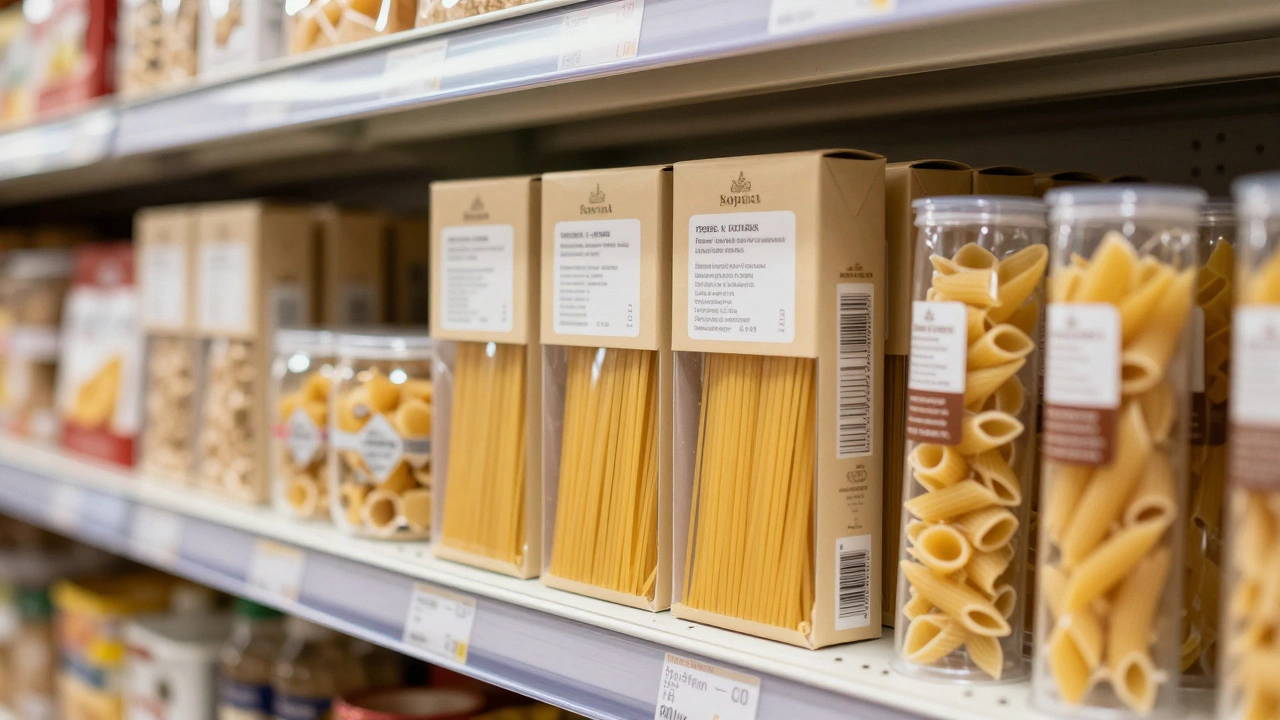
Most dried pasta you find in the grocery store aisle is made from just two things: durum wheat semolina and water. That’s it. No eggs, no dairy, no animal products. These pastas-like spaghetti, penne, fusilli, and rigatoni-are safe for vegans. Brands like Barilla, De Cecco, and Ronzoni make dozens of varieties that fit this profile.
But then there’s the other kind: fresh pasta. That’s where things get tricky. Fresh pasta, especially the kind sold in refrigerated sections or made in Italian restaurants, often includes eggs. Eggs aren’t vegan. They come from animals. So if you’re eating fresh tagliatelle, fettuccine, or ravioli, you’re likely eating eggs unless the label says otherwise.
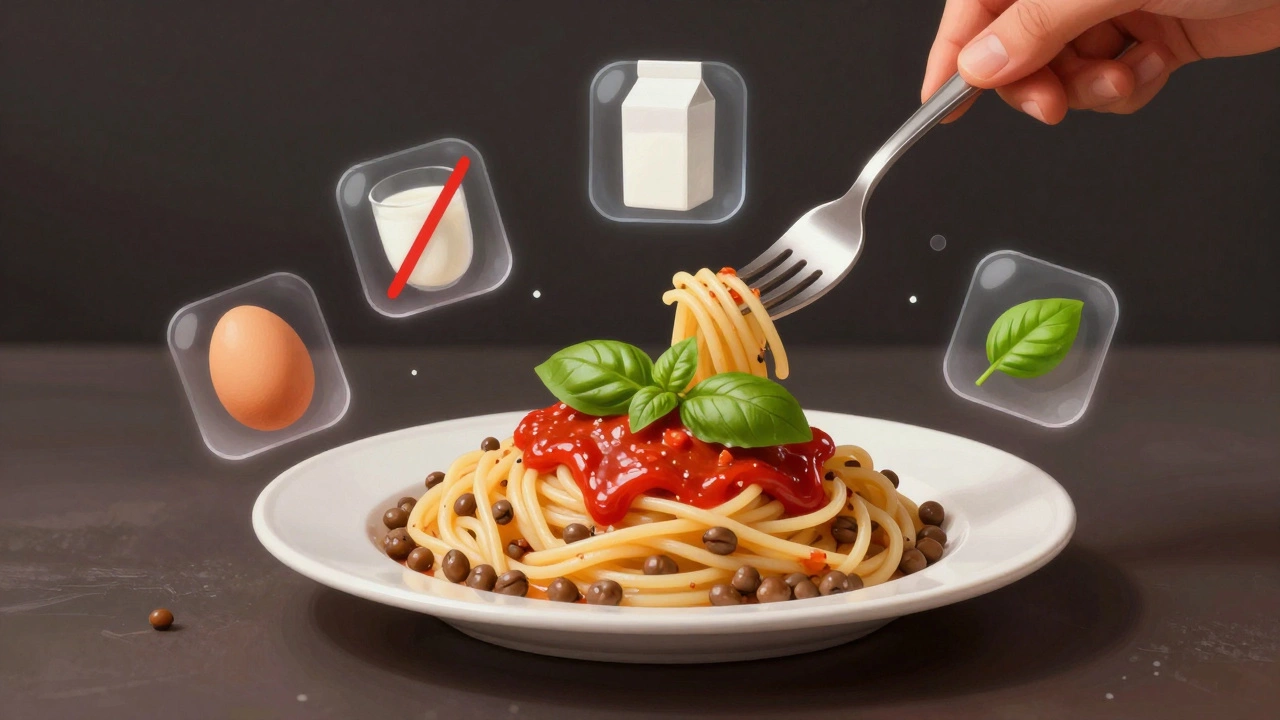
Some artisanal brands even add milk or cheese to pasta dough for extra richness. That’s not common, but it happens. Always check the ingredients. If you see “eggs,” “egg yolks,” “milk,” or “whey,” skip it. Plain semolina and water? You’re good.
How to Spot Vegan Pasta at the Store
Reading labels is the only reliable way to know. Don’t assume based on packaging colors or names like “Italian Style” or “Traditional.” Look at the ingredient list. Here’s what to watch for:
- Safe ingredients: Durum wheat semolina, water, salt
- Red flags: Eggs, egg powder, milk, whey, casein, gelatin
Some brands make it easy. Look for labels that say “vegan” or “plant-based.” Companies like Explore Cuisine, Jovial, and Barilla’s “Plant-Based” line clearly mark their vegan options. Even if it doesn’t say “vegan,” if the ingredients list is short and clean, it’s likely fine.
Also, avoid pasta with added flavors like “truffle” or “cheese” unless you’re sure they’re plant-based. Some “truffle pasta” contains actual truffle oil (which is fine) but also dairy-based flavorings. Same with “cheese-filled” ravioli-it’s not vegan unless it says so.
What About Egg-Free Fresh Pasta?
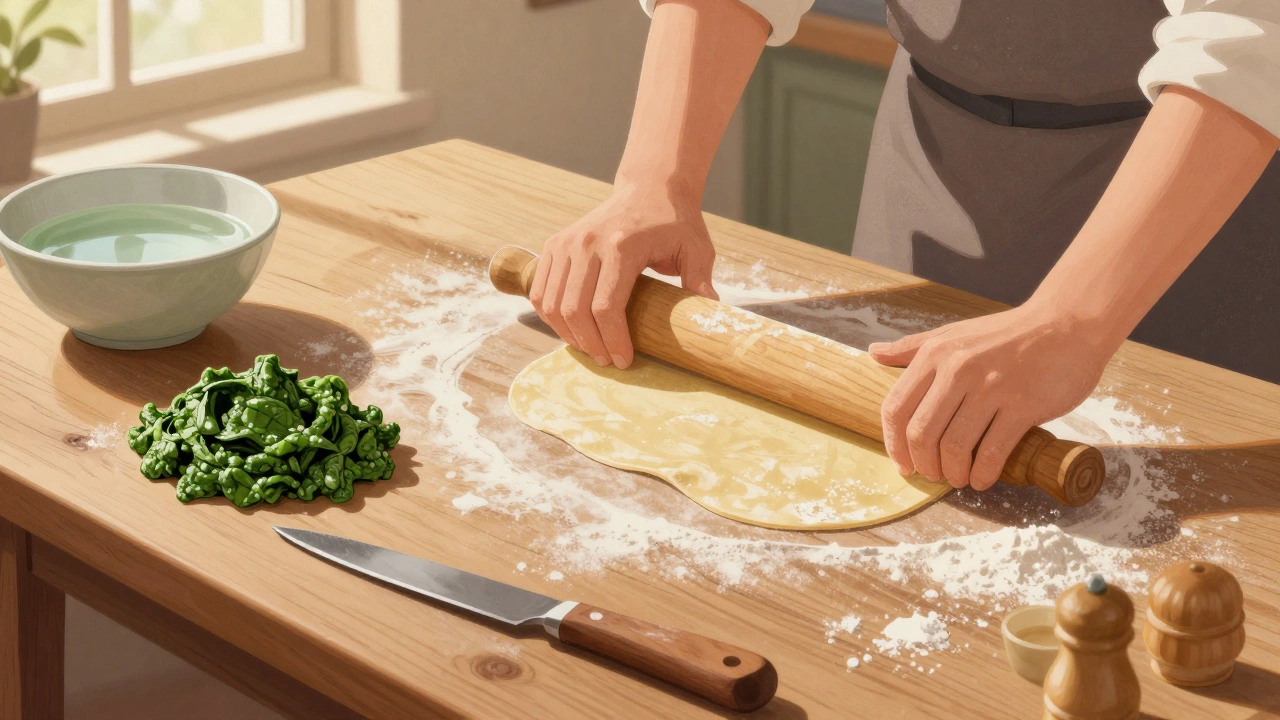
Yes, fresh pasta can be vegan. It just takes a little extra effort. Many vegan chefs and home cooks make fresh pasta using only flour and water. Some even add spinach, beetroot, or turmeric for color and nutrients. You can buy ready-made vegan fresh pasta from specialty stores or online. Brands like Veggiecraft Farms and Tinkyada make refrigerated vegan pasta that’s egg-free and gluten-free too.
If you’re making pasta at home, try this simple recipe: mix 2 cups of semolina flour with 3/4 cup of water. Knead until smooth, roll it thin, and cut into strips. It won’t be as silky as egg pasta, but it’s hearty, flavorful, and 100% vegan. Serve it with a tomato-basil sauce or cashew cream pesto.
Restaurant Pasta: The Hidden Trap
Here’s where most vegans get tripped up: restaurants. Even if you order “spaghetti,” it might be made with eggs. Italian restaurants, especially family-owned ones, often use egg-based dough for all their pasta-fresh or dried-because it’s traditional. They might not even think to tell you.
Always ask: “Is your pasta made with eggs?” If they hesitate or say “usually,” assume it’s not vegan. Some places list vegan options on their menu. Others don’t. Don’t be shy about asking. Most kitchens will accommodate if you’re clear and polite.
Same goes for pre-made pasta dishes in grocery stores. A “marinara pasta” might look innocent, but the pasta itself could contain eggs. Always check the ingredients panel, not just the sauce.
Gluten-Free Pasta: Vegan by Default?
Gluten-free pasta is often made from rice, corn, quinoa, or lentils. These are all plant-based. So yes, most gluten-free pasta is vegan. But not all. Some brands add egg whites to improve texture. Look for “egg-free” on the label.
Brands like Tinkyada, Banza, and Jovial make gluten-free, vegan pasta that’s widely available. Banza, made from chickpeas, has 14 grams of protein per serving. Tinkyada, made from brown rice, holds up well in baked dishes. These are great alternatives if you need to avoid gluten and want to stay vegan.
Why Does This Matter Beyond Diet?
Choosing vegan pasta isn’t just about avoiding animal products. It’s about aligning your food choices with your values-whether that’s animal welfare, environmental impact, or health. Animal agriculture uses far more water and land than growing wheat or legumes. A plate of vegan pasta with lentil bolognese has a much smaller footprint than one with meat sauce.
Also, plant-based pasta tends to be higher in fiber and lower in cholesterol. Whole grain or legume-based pastas like chickpea or lentil pasta give you more nutrients per bite than regular white pasta. You’re not just eating clean-you’re eating smarter.
Quick Vegan Pasta Meal Ideas
Here are five easy, delicious vegan pasta meals you can make in under 20 minutes:
- Garlic oil spaghetti: Sauté garlic in olive oil, toss with cooked spaghetti, red pepper flakes, and fresh parsley.
- Chickpea “tuna” pasta salad: Mash canned chickpeas with vegan mayo, mustard, celery, and dill. Mix with cooled penne.
- Spinach and white bean pasta: Cook spinach with garlic, add canned white beans and pasta water to make a creamy sauce.
- Red lentil bolognese: Simmer red lentils with tomatoes, onions, and Italian herbs. Serve over rigatoni.
- Cashew cream pesto: Blend soaked cashews, basil, garlic, nutritional yeast, lemon juice, and olive oil. Toss with bowtie pasta.
All of these use simple, whole ingredients. None require special tools or hard-to-find items. And every single one is vegan.
Final Verdict: Is Pasta Vegan?
Yes-pasta can be vegan. But not all pasta is. Dried pasta made from semolina and water? Vegan. Fresh pasta from the deli counter? Probably not. Always check the label. When in doubt, ask. And when you’re cooking at home, you have total control.
Being vegan doesn’t mean giving up pasta. It just means being a little more curious about what’s in your food. Once you know what to look for, choosing vegan pasta becomes second nature. And honestly? Once you try a hearty lentil pasta with roasted vegetables, you might never go back to the regular kind.
Is all dried pasta vegan?
Most dried pasta is vegan. It’s typically made from durum wheat semolina and water. But always check the ingredients. Some brands add eggs or dairy, especially in specialty or imported pastas.
Can I eat fresh pasta on a vegan diet?
Only if it’s made without eggs or dairy. Most fresh pasta contains eggs, so it’s not vegan by default. Look for brands labeled “vegan fresh pasta” or make your own using just flour and water.
Does Barilla pasta have eggs?
Most Barilla dried pasta is egg-free and vegan. Their classic spaghetti, penne, and rotini do not contain eggs. However, Barilla’s “Plus” line and fresh pasta products often include eggs. Always read the label.
Is gluten-free pasta always vegan?
Not always. While most gluten-free pasta is made from plant-based grains like rice or corn, some brands add egg whites for texture. Always check the ingredients list for eggs or dairy derivatives.
Can I make vegan pasta from scratch?
Yes. Simple vegan pasta requires only flour and water. You can also add vegetable purees like spinach or beetroot for color and nutrients. It’s easy, affordable, and tastes great with any sauce.
What to Try Next
If you’re new to vegan pasta, start with a simple spaghetti aglio e olio made with vegan-friendly dried pasta. Then experiment with legume-based pastas like chickpea or lentil noodles-they’re higher in protein and fiber. Once you get comfortable, try making your own fresh pasta without eggs. You’ll be surprised how satisfying it is.
And if you’re looking for more ideas, check out vegan pasta sauce recipes next. A rich mushroom ragù or a creamy cashew-based Alfredo can turn plain pasta into a restaurant-worthy meal-no animal products needed.