Rice Gluten Free: Simple Swaps and Safe Choices for Every Meal
When you're eating rice gluten free, a naturally gluten-free grain that forms the base of meals across Asia, Latin America, and beyond. Also known as gluten-free rice, it's one of the easiest staples to include in a gluten-free diet—if you know what to look for. Most plain rice, whether white, brown, wild, or basmati, contains no gluten. It’s not just safe—it’s a go-to for people avoiding wheat, barley, or rye. But here’s the catch: rice doesn’t always stay gluten free after it leaves the bag.
Flavored rice mixes, instant rice packets, and fried rice from restaurants often hide gluten in seasonings, broths, or sauces. Soy sauce? Usually contains wheat. Pre-made curry powders? Sometimes include flour as a thickener. Even the way rice is cooked matters—some kitchens use the same pots or utensils for gluten-containing foods, leading to cross-contamination. That’s why checking labels and asking questions isn’t optional—it’s necessary. If you’re cooking at home, stick to plain, unseasoned rice and build flavor with fresh herbs, garlic, lime, or coconut milk. You don’t need fancy ingredients to make it taste great.
Not all gluten-free grains are the same, and rice plays a unique role. Unlike quinoa or buckwheat, rice is mild, easy to digest, and works with almost anything—from curries to stir-fries to breakfast porridge. It’s also a common base for people who are new to gluten-free eating because it’s familiar and widely available. But don’t stop at white rice. Brown rice gives you more fiber and nutrients. Black rice is packed with antioxidants. Sticky rice works perfectly for sushi or desserts. Each type brings something different to the table, and none of them contain gluten when they’re pure.
What about rice flour? It’s a popular substitute in baking, and yes—it’s gluten free. But not all rice flour blends are created equal. Some include additives like maltodextrin or modified starches that might come from wheat. Always check the ingredient list. Look for brands that say "certified gluten free" on the package. That label means it’s been tested to ensure less than 20 parts per million of gluten, which is the safety standard.
If you’re cooking for someone with celiac disease or a serious gluten sensitivity, treat rice like a raw ingredient: store it separately, use clean pots, and avoid shared spoons or colanders. A little attention goes a long way. You don’t need to overhaul your kitchen—just be mindful. And if you’re unsure about a product, skip it. There are plenty of safe options out there.
What you’ll find below are real, tested recipes and tips from people who live this way every day. No fluff. No guesswork. Just clear answers on how to use rice gluten free in everyday meals—from quick weeknight dinners to hearty comfort foods that actually satisfy. Whether you’re new to this diet or just looking to expand your options, these posts give you what works.
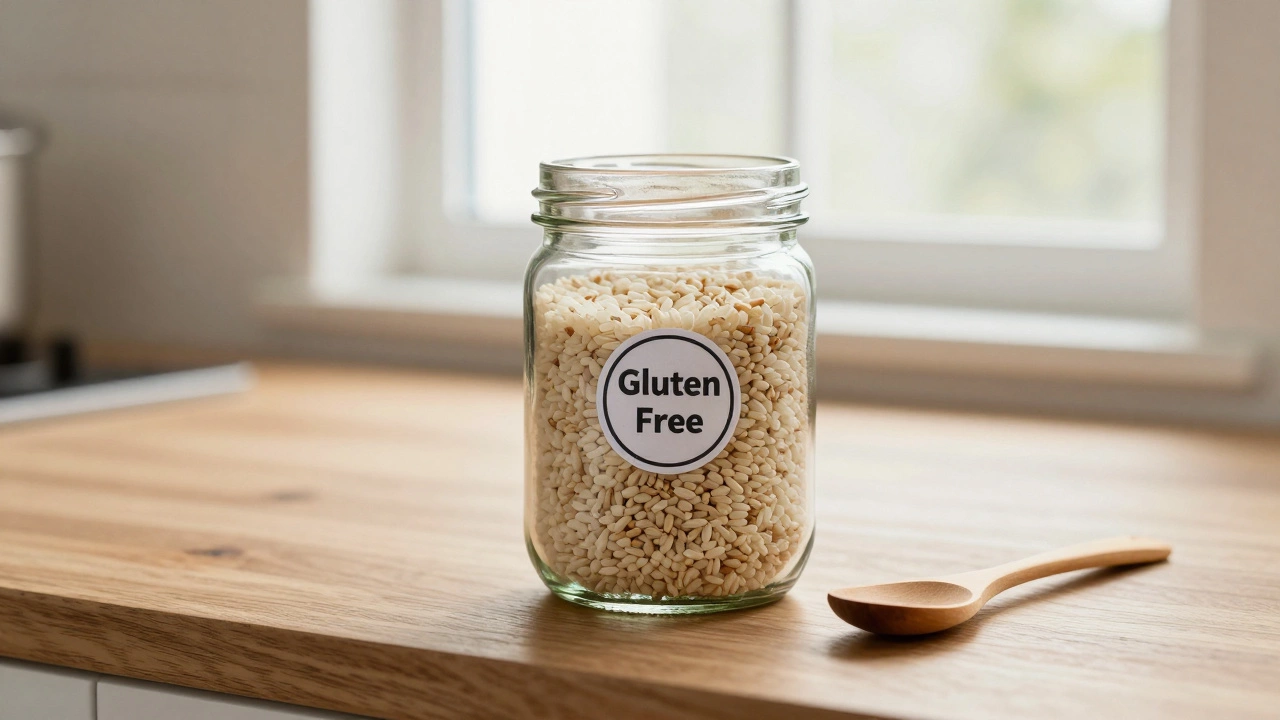
Does Rice Have Gluten in It? The Simple Truth for Gluten-Free Eating
Rice is naturally gluten-free, but cross-contamination can make it unsafe for people with celiac disease or gluten sensitivity. Learn how to pick truly gluten-free rice and avoid hidden sources of gluten.