When you go vegan, the first thing you notice isn’t the food-it’s the drinks. That glass of milk on your cereal? Gone. The latte at your favorite café? Not anymore. Even the beer you used to sip on weekends might not be off-limits anymore. So what do vegans actually drink? It’s not just about swapping cow’s milk for almond milk. It’s about understanding what’s hidden in your drinks, what’s safe, and what actually tastes good.
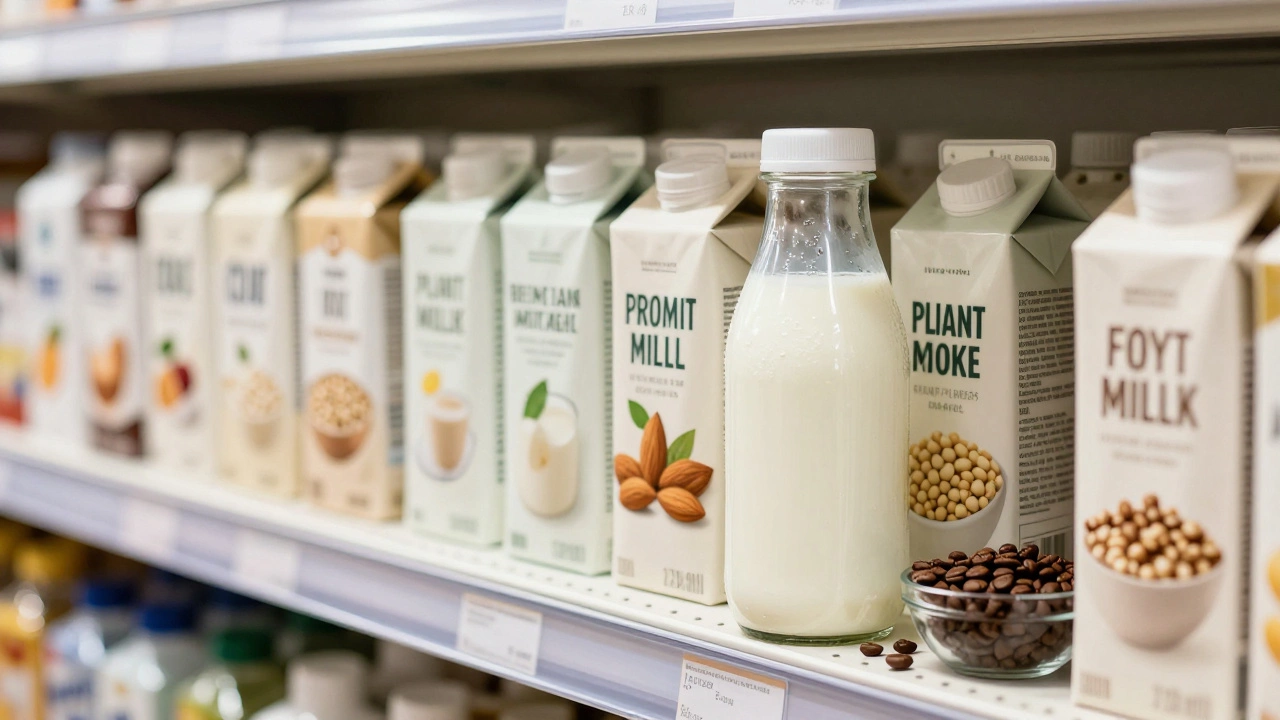
Plant-Based Milks Are the New Normal
Almond milk, oat milk, soy milk-these aren’t niche products anymore. They’re on every grocery shelf. But not all plant-based milks are created equal. Soy milk has the closest protein profile to dairy milk-about 7 to 9 grams per cup. That’s why it’s the top choice for people who need to replace dairy nutritionally. Oat milk is creamier and sweeter, thanks to natural sugars released during processing. It’s great in coffee but has more carbs. Almond milk is low in calories but often has less than 1 gram of protein per cup. If you’re using it as a meal replacement, you’re missing out.
Coconut milk beverage (not the canned kind used in curries) is light and slightly sweet. Cashew milk is smooth and nutty, perfect for smoothies. Pea milk is newer but packs 8 grams of protein per serving and is low in allergens. Hemp milk has omega-3s but a distinct earthy taste that takes getting used to.
Check labels. Some brands add calcium, vitamin D, and B12 to match dairy nutrition. Others just add sugar and flavorings. A 12-ounce carton of vanilla oat milk can have 15 grams of added sugar. That’s more than a soda. Stick to unsweetened versions unless you’re using it in baking.
Coffee and Tea: Simple Switches
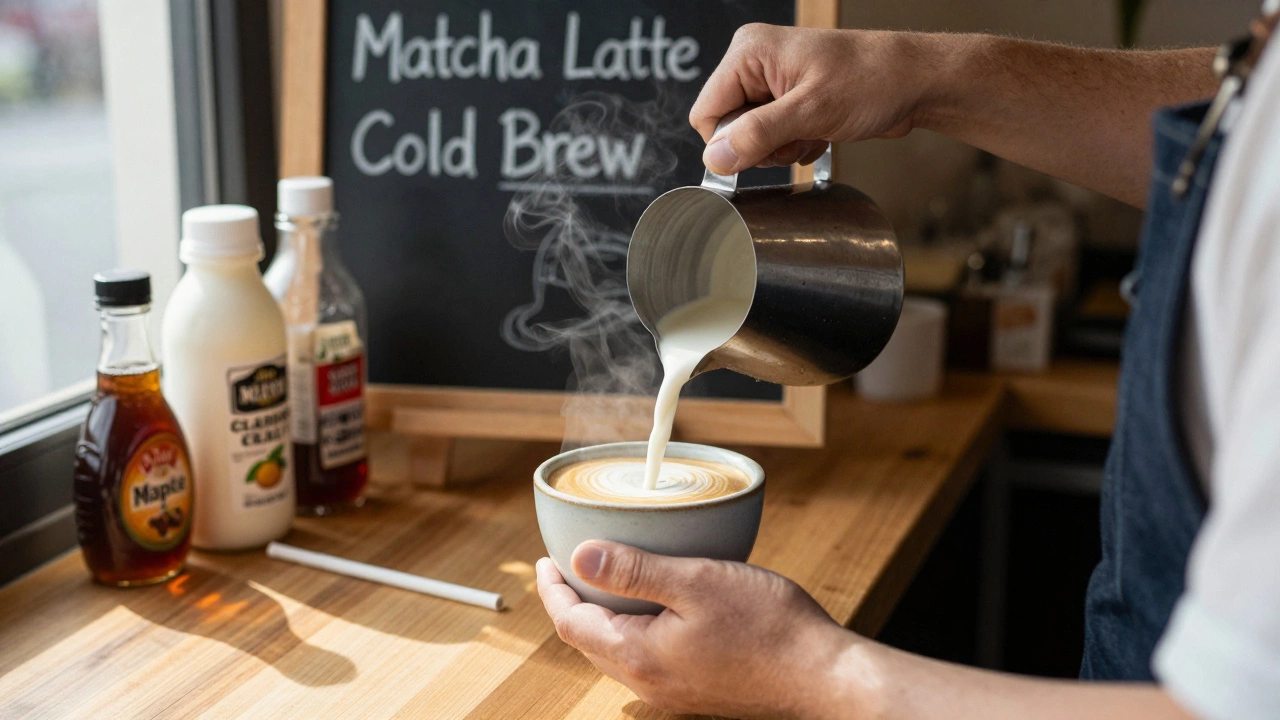
Vegans drink coffee and tea just like everyone else. No hidden animal products there. But the trouble starts with creamers. Many store-bought creamers contain casein-a milk protein-even if they say “non-dairy.” Always read the ingredients. Look for creamers made from oats, almonds, or coconut. Or skip the creamer entirely. A splash of oat milk and a dash of cinnamon tastes better than most flavored creamers anyway.
Instant coffee? Fine. Cold brew? Perfect. Matcha? Great source of antioxidants. Herbal teas like chamomile, peppermint, and rooibos are naturally vegan. Even black and green teas are vegan unless they’re flavored with honey. Honey isn’t vegan. Use maple syrup or agave instead if you need sweetness.
Alcohol: The Hidden Trap
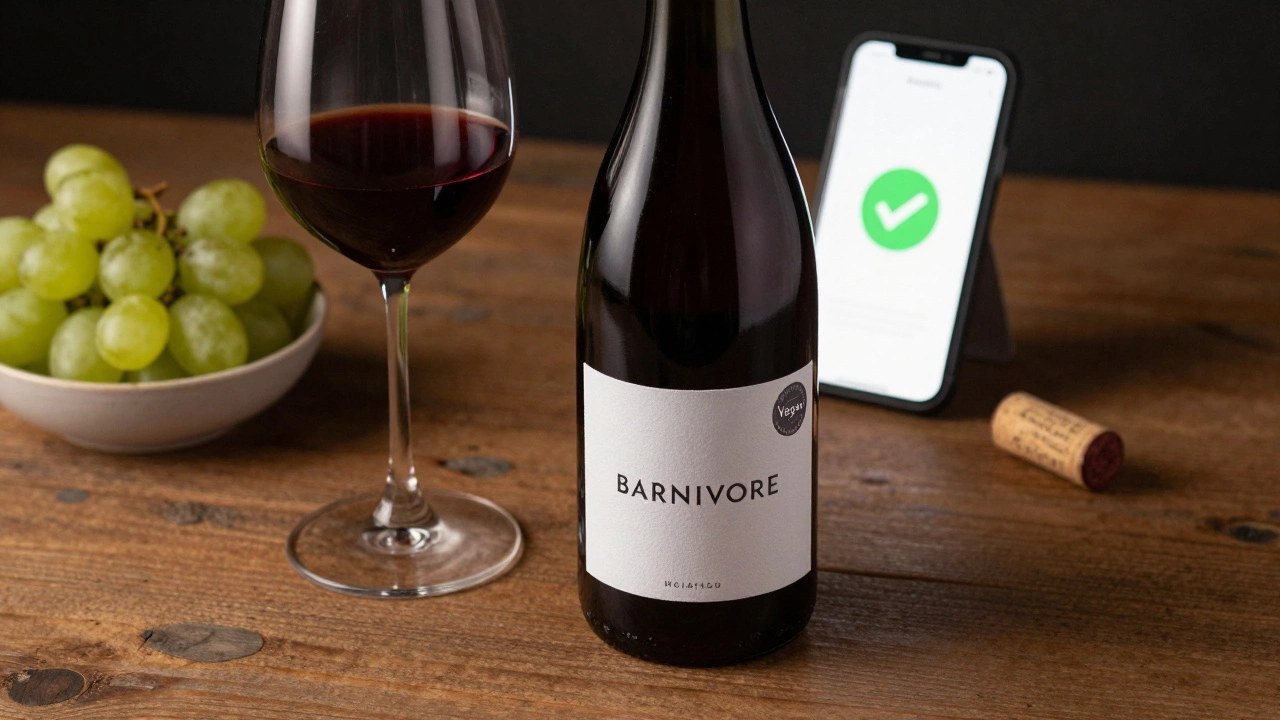
This is where people get surprised. Beer, wine, and spirits aren’t automatically vegan. Many are filtered using animal products. Isinglass (from fish bladders), gelatin, egg whites, and even crushed shellfish are used to clarify wine and beer. You won’t find them listed on the label. The only way to know? Check databases like Barnivore.com or use apps like Veganary. Brands like Heineken, Corona, and Guinness (since 2018) are vegan-friendly. Many craft breweries now label their beers as vegan.
Wine is trickier. Some winemakers use animal-derived fining agents. Look for wines labeled “unfiltered” or “vegan.” Brands like Frey Vineyards, The Vegan Vine, and Cooper’s Hawk have clear vegan lines. Spirits like vodka, gin, rum, and whiskey are almost always vegan because they’re distilled. The distillation process removes impurities, including any animal-based filtration agents. But avoid cream liqueurs-they contain dairy.
Soda, Juice, and Sports Drinks
Soda? Most are vegan. Coke, Pepsi, Sprite, Dr Pepper-all fine. Some regional sodas use animal-derived glycerin or shellac (from beetles) for shine on candy-coated bottles, but that’s rare. Check labels if you’re unsure.
Orange juice? Usually vegan. But some brands add vitamin D3 derived from lanolin (sheep’s wool). Look for D2 instead, which is plant-based. Apple juice sometimes uses fish-based isinglass to clear haze. Again, check the brand. Naked Juice and 100% Pure Orange Juice from Simply are safe bets.
Sports drinks like Gatorade and Powerade are vegan. They use synthetic dyes and sugar. But some electrolyte powders contain gelatin or dairy-based proteins. Read the fine print. Liquid IV and Nuun tablets are vegan-certified and popular with athletes.
Smoothies and Shakes: Make Them Yourself
Store-bought vegan smoothies often contain added sugar, thickeners, and flavorings that aren’t clearly labeled. The best way to control what’s in your drink? Blend your own. Use plant milk as the base. Add frozen banana for creaminess, spinach for nutrients, chia seeds for omega-3s, and a spoon of peanut butter for protein. A simple recipe: 1 cup oat milk, 1 frozen banana, 1 tablespoon almond butter, half a teaspoon cinnamon, and a handful of spinach. Blend. Done.
Protein shakes? Many whey-based powders are off-limits. Look for pea protein, brown rice protein, or hemp protein. Orgain, Garden of Life, and Vega all offer clean, vegan options. Avoid anything with “whey,” “casein,” or “lactose” on the label.
What About Kombucha and Fermented Drinks?
Kombucha is naturally vegan. It’s fermented tea with sugar and a SCOBY (symbiotic culture of bacteria and yeast). No animals involved. Same with kefir made from water or coconut milk. Some brands add honey-avoid those. Stick to plain or fruit-flavored versions sweetened with fruit juice or cane sugar.
Apple cider vinegar? Vegan. Used in dressings, drinks, and even as a tonic. Just make sure it’s raw and unfiltered if you want the probiotics. Bragg’s is a common brand that’s vegan-certified.
Drinks to Avoid
Some drinks sneak in animal ingredients you wouldn’t expect:
- Some red wines use fish bladders for clarification
- Many flavored coffees contain dairy-based flavorings
- Some energy drinks use gelatin or cochineal (crushed beetles) for color
- Traditional hot chocolate mixes often contain milk powder
- Some bottled iced teas use honey or beeswax as stabilizers
When in doubt, choose simple ingredients. Water, unsweetened tea, black coffee, and plant-based milks are the safest bets. If a drink has more than five ingredients, read them all.
Drinking Vegan Doesn’t Have to Be Complicated
There’s no single list of “vegan drinks.” It’s about awareness. Most beverages are plant-based by default. The problem is what gets added. Once you learn to scan labels for dairy derivatives, gelatin, honey, and isinglass, you’ll find vegan options everywhere. You don’t need to buy special products. You just need to know what to look for.
Start with what you already drink. Swap your milk for oat or soy. Skip the creamer. Choose wine with a vegan label. Make your own smoothies. You’ll be surprised how easy it becomes. And the best part? You’re not just avoiding animal products-you’re drinking cleaner, less processed beverages. That’s a win whether you’re vegan or not.
Can vegans drink coffee?
Yes, vegans can drink coffee. Black coffee is completely plant-based. The issue comes with additives like creamers, milk, or honey. Use plant-based milk like oat, soy, or almond, and sweeten with maple syrup or agave instead of honey.
Is wine vegan?
Not always. Many wines use animal-derived fining agents like isinglass (from fish), gelatin, or egg whites to clarify the liquid. Look for wines labeled “vegan” or check databases like Barnivore. Brands like Frey Vineyards and The Vegan Vine make vegan-friendly wines.
What’s the best plant-based milk for coffee?
Oat milk is the top choice for coffee because it froths well and has a creamy texture. Soy milk is also excellent-it has high protein and holds up under heat. Almond milk can separate when heated, and coconut milk can overpower the coffee flavor. Choose unsweetened versions to avoid extra sugar.
Are all sodas vegan?
Most major sodas like Coke, Pepsi, and Sprite are vegan. But some regional brands or flavored versions may use animal-derived ingredients like glycerin or shellac. Always check the ingredient list if you’re unsure. Avoid drinks with honey or gelatin.
Can vegans drink alcohol?
Yes, but not all alcohol is vegan. Beer and wine often use animal products in filtering. Spirits like vodka, gin, rum, and whiskey are usually safe because distillation removes impurities. Avoid cream liqueurs and drinks with honey. Use apps like Barnivore to check specific brands.
What should vegans drink for protein?
Soy milk and pea milk are the best drinkable sources of protein, offering 7-9 grams per cup. You can also blend plant-based protein powders (pea, rice, or hemp) into smoothies. Avoid whey or casein-based powders. Homemade smoothies with nut butter, chia seeds, and plant milk also boost protein naturally.