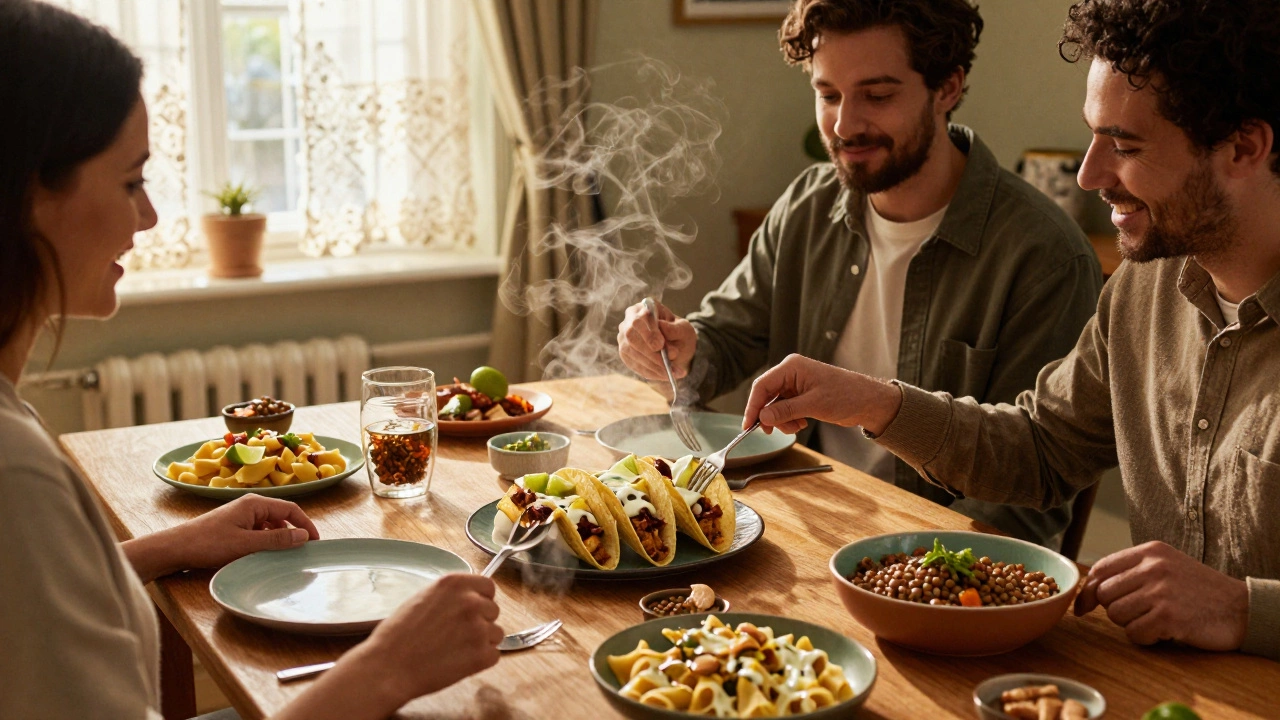
Ask a vegan about their diet, and you might get a recipe for jackfruit tacos or cashew cheese sauce. But ask the wrong question, and you’ll get a sigh, a forced smile, or worse - silence. Being vegan isn’t just about food. It’s a lifestyle shaped by ethics, environment, and personal values. And while many vegans are happy to share meals, they’re not here to defend their choices to strangers.
Don’t ask if they miss cheese
This one comes up constantly. "Do you miss cheese?" It sounds harmless, even friendly. But it’s not a question - it’s a dismissal. It assumes veganism is a sacrifice, not a choice. Most vegans don’t miss cheese the way you miss pizza on a Tuesday night. They replaced it. Nutritional yeast, cashew-based sauces, store-bought vegan cheeses made from coconut or potato starch - these aren’t last-resort substitutes. They’re intentional alternatives that taste good and align with their values. Asking if they miss it implies their life is missing something. It’s not.Don’t say "I could never be vegan"
This isn’t a compliment. It’s a shield. When someone says, "I could never be vegan," they’re not admiring your discipline. They’re protecting themselves from guilt. You didn’t ask for their opinion on your diet. You asked about your own habits. Saying "I could never" turns your discomfort into their problem. It puts the burden on them to convince you, when the truth is - they didn’t ask you to change. And you don’t need to. But you don’t need to act like their choice is impossible either.Don’t ask where they get their protein
This question has been around since the 1980s. It’s outdated. You wouldn’t ask a meat-eater where they get their protein. You wouldn’t ask a vegetarian. So why ask a vegan? The answer is simple: beans, lentils, tofu, tempeh, seitan, quinoa, nuts, seeds, even spinach and potatoes. A cup of cooked lentils has 18 grams of protein. A block of firm tofu has 20. The average adult needs about 46-56 grams per day. Most vegans hit that easily - often without trying. This question isn’t curiosity. It’s skepticism disguised as concern. And it’s exhausting to answer.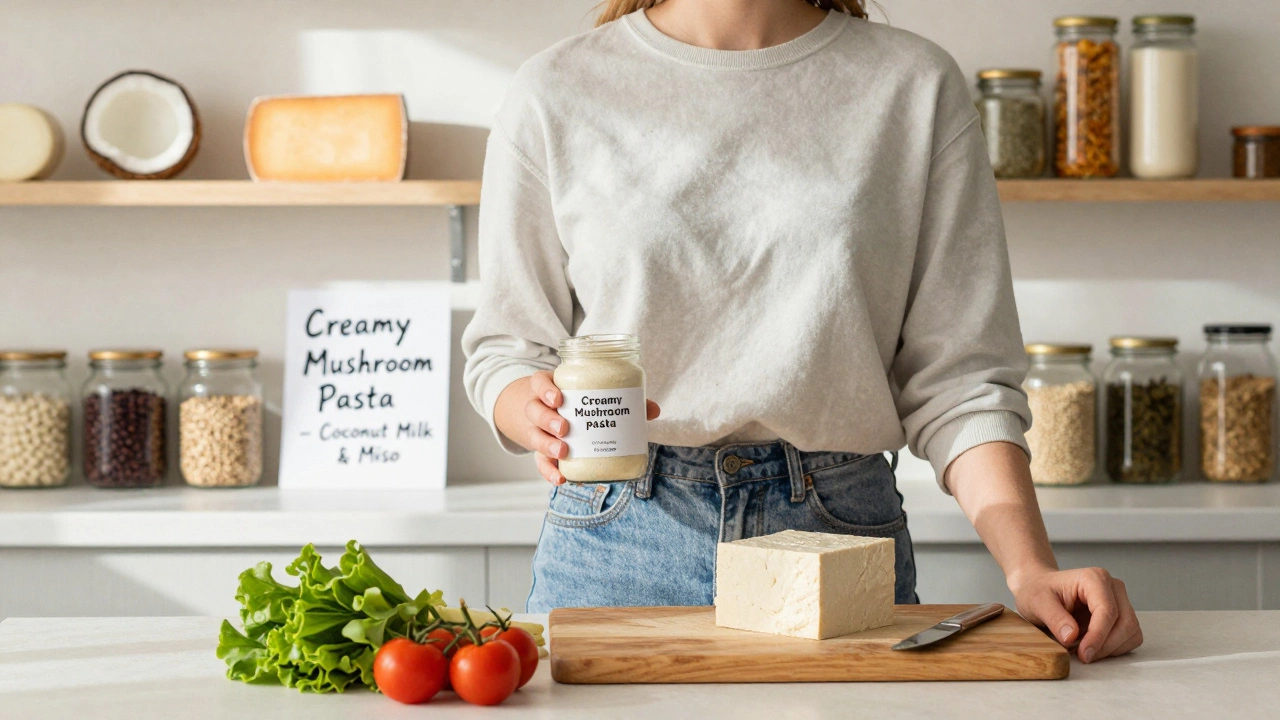
Don’t bring up "plants feel pain too"
This isn’t a philosophical debate. It’s a conversation stopper. People who say this aren’t looking for answers. They’re trying to prove veganism is illogical. But veganism isn’t about eliminating all harm - it’s about reducing it. A cow needs 6-7 pounds of grain to produce one pound of beef. That grain could feed 10 people directly. The water, land, and emissions saved by skipping animal products are measurable. This isn’t about perfection. It’s about progress. Saying "plants feel pain" doesn’t make veganism invalid. It just makes you sound like you didn’t do the math.Don’t ask if they eat fish or honey
Veganism means no animal products. That includes meat, dairy, eggs, honey, gelatin, whey, casein, and more. If you’re unsure what vegans eat, check a label. Don’t assume. Asking if they eat fish suggests you think veganism is just "not eating land animals." That’s not veganism - that’s pescatarian. And honey? Bees are animals. They’re not insects you harvest like carrots. Most vegans avoid honey because they don’t support bee exploitation. If you don’t know the difference, that’s fine. But don’t test them on it.Don’t say "But what about your health?"
This one cuts deep. It implies their choice is dangerous. That they’re risking their life for a trend. The truth? The Academy of Nutrition and Dietetics says well-planned vegan diets are appropriate for all stages of life - including pregnancy, infancy, and athletes. Studies show vegans tend to have lower rates of heart disease, type 2 diabetes, and some cancers. That doesn’t mean every vegan is healthy. But saying "what about your health?" as if it’s a warning is condescending. You wouldn’t say that to someone who eats kale or quinoa. Why say it to someone who eats the same things - just without animal products?
Don’t ask if they’ve tried "just one bite"
"Just one bite won’t hurt." That’s what people say when they hand you a piece of buttered toast or a cheese-stuffed ravioli. It’s not an offer. It’s pressure. It’s testing boundaries. If you’re serving food at a party and you know someone is vegan, you don’t sneak in dairy. You label it. You offer a separate dish. If someone says no to a bite, respect it. They’re not being rude. They’re being consistent. And you don’t get to decide when their ethics are flexible.Don’t make it about you
Veganism isn’t a challenge to your lifestyle. It’s not a judgment on your choices. It’s not a call to action. It’s just a way someone lives. When you ask questions like "How do you not eat cheese?" or "Isn’t that boring?" you’re turning their identity into your entertainment. You’re treating their values like a novelty. And that’s exhausting. If you want to understand veganism, read a book. Watch a documentary. Try a recipe. Don’t turn your friend into a walking FAQ.What to ask instead
If you’re curious, ask better questions. "What’s your favorite vegan meal?" "Do you have a go-to recipe for when you’re tired?" "What made you decide to go vegan?" These open the door to conversation - not debate. They show you’re interested in their experience, not their shortcomings. And if they share a recipe for creamy mushroom pasta made with coconut milk and miso? That’s a gift. Take it. Eat it. Thank them.Being vegan isn’t about being perfect. It’s about making choices that matter. And the people who live that way deserve respect - not interrogation. Next time you’re at a potluck and someone brings a dish you’ve never seen before, don’t ask if it’s vegan. Just taste it. And if it’s good? Say so.