Pasta Level-Up Mixer
Select your sauce base and a few add-ins to see how to perfectly layer your meal!
Proteins
Vegetables
Flavor Bombs & Crunch
Your Custom Pasta Strategy
Quick Wins for Better Pasta
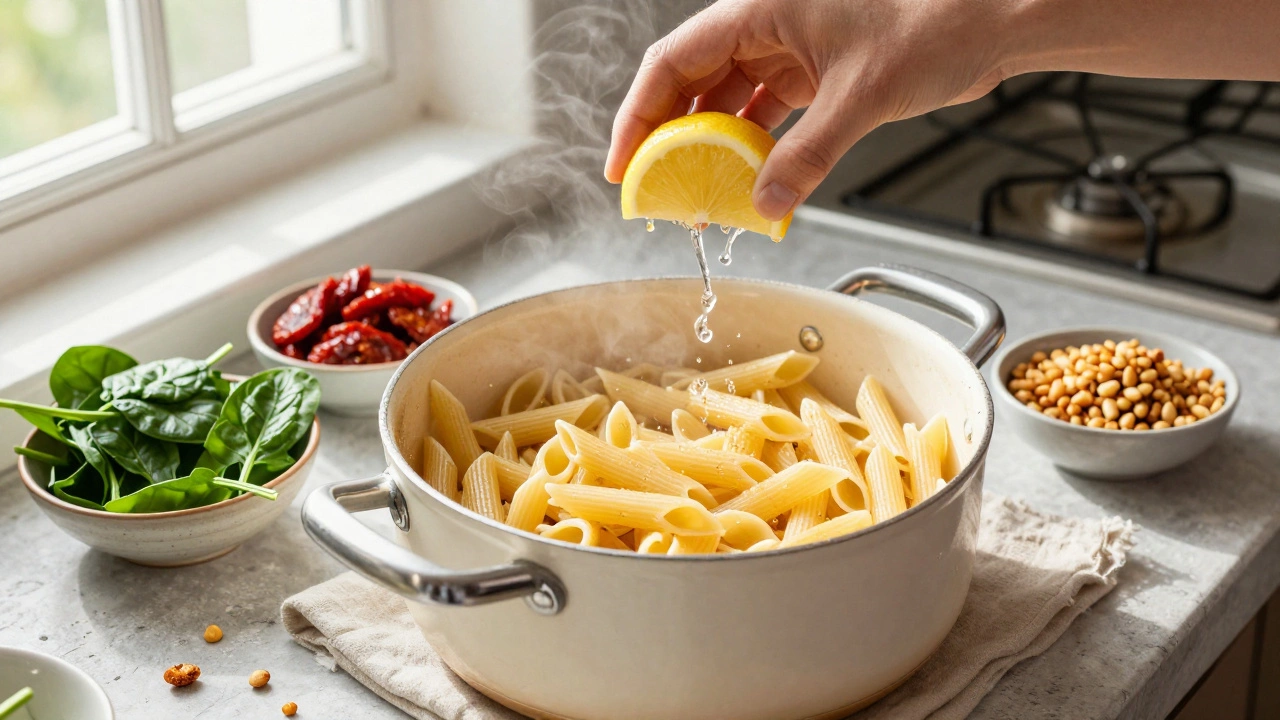
- Acid: A squeeze of lemon or a splash of vinegar cuts through heavy cream and cheese.
- Crunch: Toasted breadcrumbs or pine nuts add a necessary contrast to soft noodles.
- Umami: Sun-dried tomatoes or a dash of soy sauce add deep, savory notes.
- Freshness: Stir in herbs or baby spinach at the very last second.
Boosting the Protein Power
Adding protein isn't just about making the meal more filling; it's about changing the character of the dish. If you're tired of the same old ground beef, try Italian Sausage is a seasoned pork sausage common in Italian cuisine, often flavored with fennel and garlic. Brown it in the pan first to let the fat render out, then use that flavorful oil to sauté your onions. It adds a spicy, herbal depth that plain meat just can't match.
For something lighter, look toward the sea. Shrimp is a decapod crustacean that cooks rapidly and pairs perfectly with garlic and lemon. The key here is timing. If you throw shrimp in too early, they turn into rubber bands. Toss them in during the last two minutes of cooking. Alternatively, use Canned Tuna, which is a shelf-stable protein that works wonders in a pantry-style pasta with olive oil and capers. It's a classic Mediterranean move that takes zero effort but tastes sophisticated.
If you're skipping meat, don't just rely on the noodles. Chickpeas are legumes that add a nutty flavor and a firm texture to vegetable-based pastas. Roast them in the oven for 20 minutes with paprika before adding them to your pasta for a surprising crunch. You could also fold in some ricotta cheese, which creates creamy pockets of flavor without needing a full-blown béchamel sauce.
Vegetables That Actually Taste Good in Pasta
Most people stop at onions and garlic, but your vegetable drawer is full of potential. Start with Zucchini, which is a summer squash that absorbs flavors easily and adds bulk without many calories. Instead of boiling it, try grating it or slicing it into thin half-moons and searing it until the edges are brown. That caramelization is where the flavor lives.
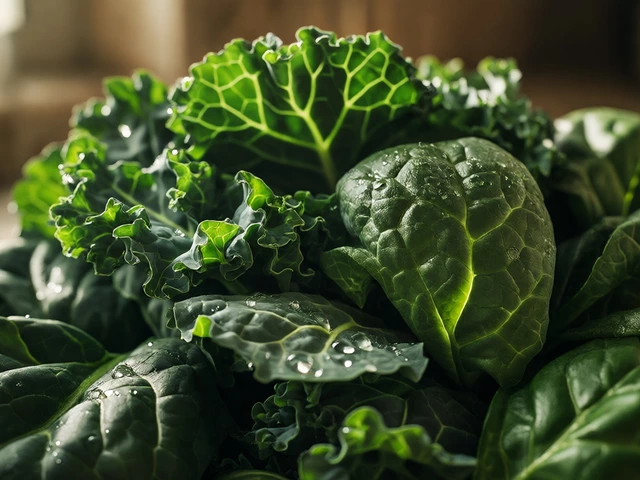
Then there's the power of greens. Spinach is a leafy green that wilts almost instantly when exposed to heat. The pro move is to stir it in while the pasta is still in the pot, just after you drain the water. The residual heat is enough to wilt the leaves without overcooking them into a mushy mess. If you want something bolder, try Kale, which handles heat better and adds a slightly bitter contrast to rich, cheesy sauces.
Don't ignore the fungus. Mushrooms, specifically Cremini or Shiitake, provide a meaty texture. To get the most out of them, cook them in a dry pan first. Let them release their water and brown deeply before adding oil or butter. This prevents them from becoming slippery and bland.
| Sauce Base | Best Veggie Pairings | Why it Works |
|---|---|---|
| Marinara (Red) | Eggplant, Bell Peppers, Zucchini | Classic Ratatouille vibes; balances acidity. |
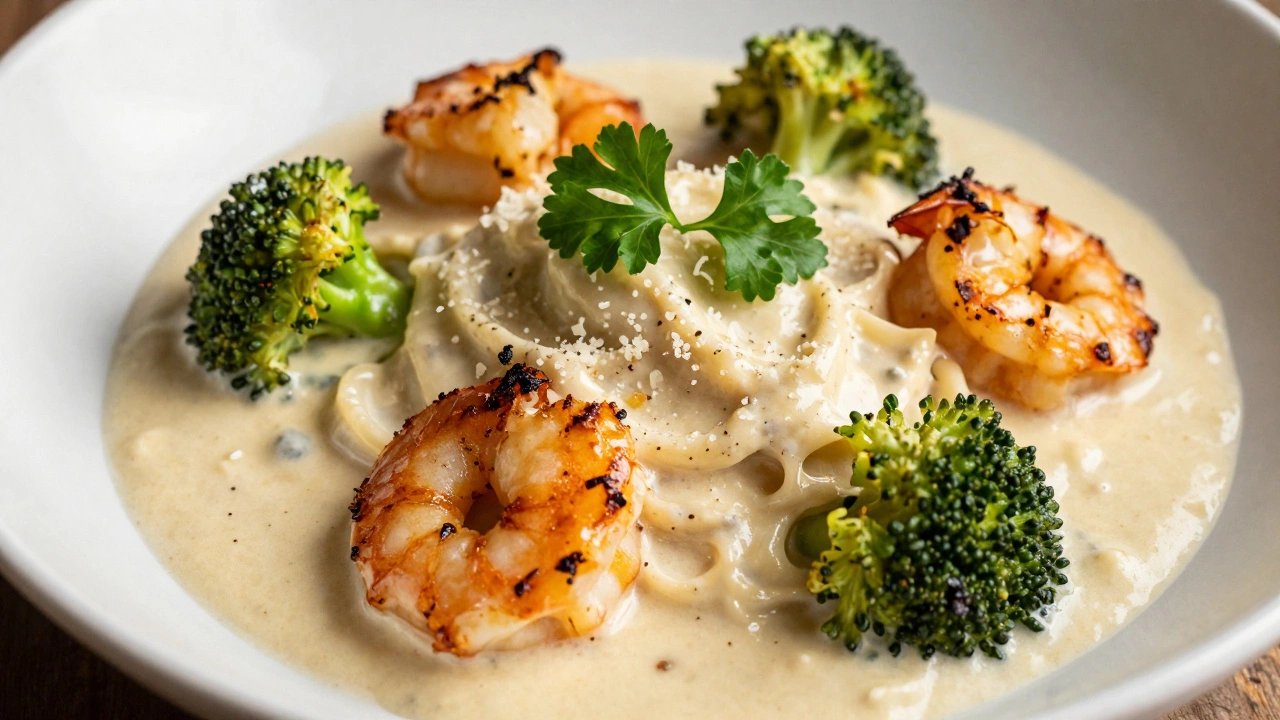
| Alfredo (White) | Broccoli, Peas, Spinach | Freshness cuts through the heavy cream. |
| Olive Oil (Aglio e Olio) | Garlic, Chili Flakes, Arugula | Simple flavors highlight the quality of the oil. |
| Pesto (Green) | Sun-dried Tomatoes, Roasted Pine Nuts | Contrasting colors and concentrated sweetness. |
The Secret Weapon: Flavor Bombs
If your pasta tastes "flat," you're probably missing an element of concentrated flavor. I call these flavor bombs. One of the best is Sun-dried Tomatoes, which are tomatoes dried in the sun or dehydrators, offering a chewy texture and intense acidity. A handful of these chopped finely can transform a basic butter-and-garlic pasta into something that tastes like it's from a bistro.
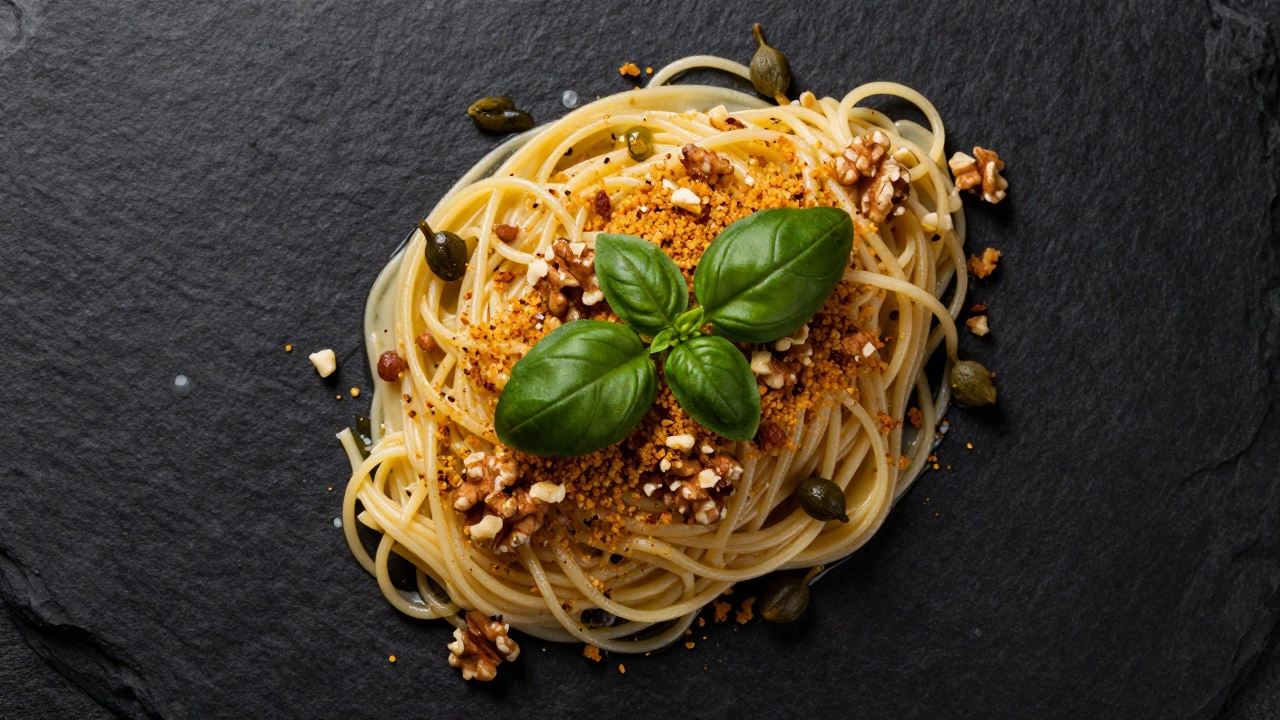
Another game-changer is Capers, which are pickled flower buds that provide a salty, briny punch. They are especially amazing in seafood pasta or with lemon-butter sauces. Since they're so salty, you can usually skip adding extra salt to the sauce if you're using a generous amount of capers.
And we can't forget the cheeses. Most people reach for the shaker bottle of parmesan, but try Pecorino Romano, which is a hard, salty sheep's milk cheese that is sharper than parmesan. It gives the dish a more aggressive, savory kick. If you want a creamy finish without adding cream, stir in a dollop of mascarpone or goat cheese right before serving. It melts into the sauce and adds a velvety tang.
Texture and the Final Touch
The biggest mistake people make is neglecting texture. Pasta is soft. Your sauce is usually smooth. If everything is soft, your brain gets bored. You need something to break that pattern. Toasted breadcrumbs, known as panko, are the cheapest and easiest way to do this. Toast them in a pan with a bit of butter and garlic powder until golden, then sprinkle them on top. It mimics the effect of a baked pasta dish without the oven time.
Nuts are another great option. Walnuts, almonds, or pine nuts add a woody, earthy crunch. If you're making a pasta with a lot of greens or a creamy sauce, toasted walnuts provide a great contrast. Just be sure to toast them for 2-3 minutes; raw nuts can sometimes taste a bit too "green" in a cooked dish.
Finally, consider your herbs. Dried herbs are fine for the simmering stage, but fresh herbs are for the end. Fresh basil, parsley, or chives should be added after you take the pan off the heat. If you cook fresh basil for too long, it turns black and loses its peppery sweetness. A handful of torn basil leaves at the very end makes the whole dish smell like a summer garden.
How to Combine Everything Without Ruining It
When you're adding multiple ingredients, it's easy to end up with a muddy mess. The trick is a staged approach. Start by sautéing your aromatics (onions, garlic) and your hardest vegetables (carrots, mushrooms). Then move to your proteins. Only at the end do you add your "fast" ingredients like spinach or frozen peas.
One more pro tip: always save a cup of the pasta water before draining. This liquid is essentially a salty starch syrup. If your sauce looks too thick or the add-ins aren't clinging to the noodles, splash in a bit of that water. It emulsifies the fats and liquids, creating a glossy coating that binds the pasta and your new ingredients together perfectly.
What can I add to pasta to make it healthier?
The best way to boost the nutrition is to increase the vegetable-to-pasta ratio. Add finely chopped kale, zucchini, or cauliflower. You can also swap traditional white pasta for whole-grain or chickpea-based noodles to increase fiber and protein. Stirring in a handful of raw baby spinach at the end adds vitamins without changing the flavor too much.
What are some good protein options for vegan pasta?
Chickpeas and cannellini beans are fantastic for adding heartiness. Tofu, specifically smoked or extra-firm variety, can be cubed and browned in a pan for a meat-like texture. Nutritional yeast is also a great add-in for a cheesy, nutty flavor without the dairy, and lentils work well in red sauces (similar to a Bolognese).
How do I stop my pasta add-ins from getting soggy?
The secret is cooking vegetables separately or adding them in stages. Sauté mushrooms and zucchini on high heat to sear them before adding the sauce. Add delicate greens like spinach or arugula at the very last second. For crunchy toppings like nuts or breadcrumbs, always add them as a garnish on top of the plated dish rather than stirring them into the sauce.
Can I add fruit to pasta?
Yes, but stick to "savory" fruits. Dried cranberries or currants work well in pasta salads. Fresh pear or apple slices pair beautifully with gorgonzola cheese and walnuts in a creamy pasta. Even a bit of lemon zest or pomegranate seeds can add a bright, fruity acidity that cuts through heavy creams.
What is the best way to add cheese without it clumping?
Turn the heat down to low or remove the pan from the stove entirely before adding hard cheeses like Parmesan or Pecorino. If the pan is boiling hot, the cheese can separate and become stringy or clumpy. Adding a splash of pasta water before stirring in the cheese helps it melt into a smooth, creamy emulsion.
Next Steps for Your Kitchen
If you're feeling adventurous, try the "Fridge Clear-out" method. Pick one protein, two vegetables, and one "flavor bomb" (like capers or sun-dried tomatoes) and see how they play together. Not every combination will be a winner, but that's how you discover your own signature sauce.
If your dish still feels like it's missing something, remember the Golden Rule: if it's too heavy, add lemon; if it's too bland, add salt or cheese; if it's too one-dimensional, add something crunchy. Now go raid your pantry and turn those boring noodles into something great.