Most of us have been there: it's 1:00 PM, you're starving, and the nearest drive-thru is the only thing that seems realistic. Fast food is designed to be convenient, but that convenience comes with a side of brain fog and a mid-afternoon energy crash. The real problem isn't a lack of willpower; it's a lack of a plan. You don't need to spend your entire Sunday in the kitchen to stop eating processed burgers. You just need a few reliable systems that take as little time as a trip to the drive-thru.
Quick Wins for Your Midday Meal
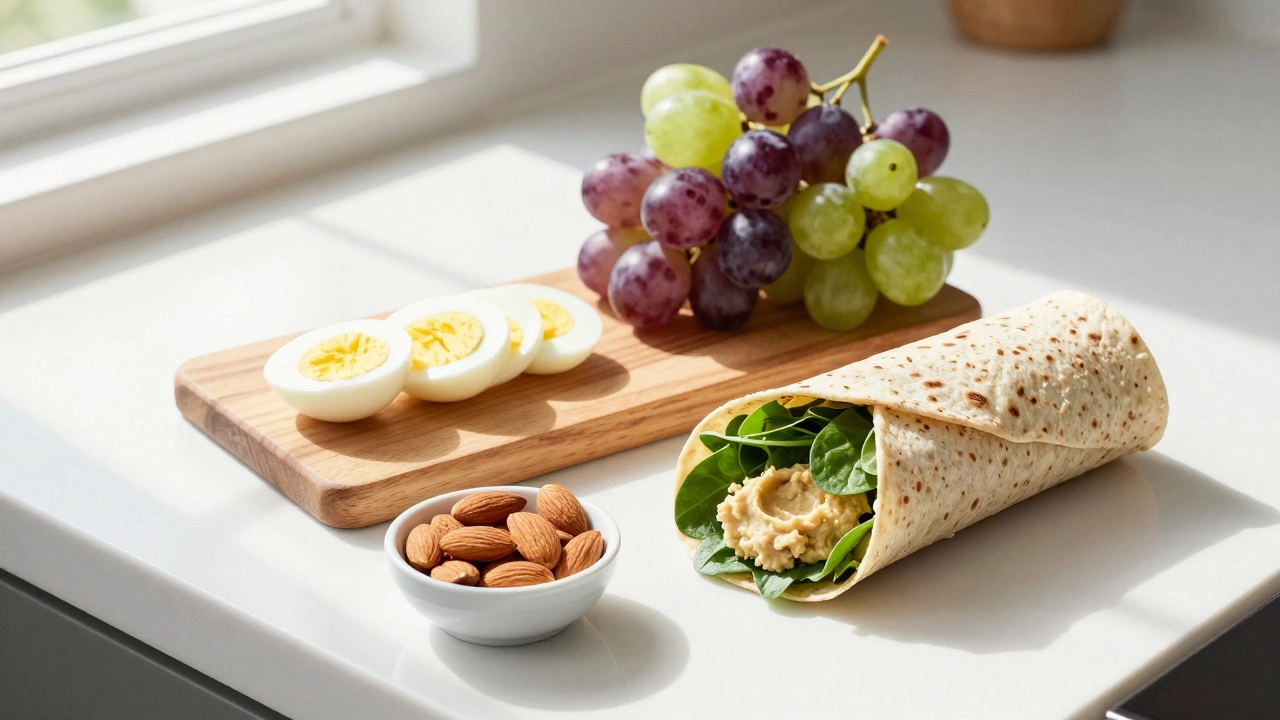
- The "Adult Lunchable": A mix of hard-boiled eggs, nuts, cheese, and grapes. No heating required.
- Wrap-and-Go: Whole wheat tortillas filled with hummus, spinach, and pre-cooked chicken.
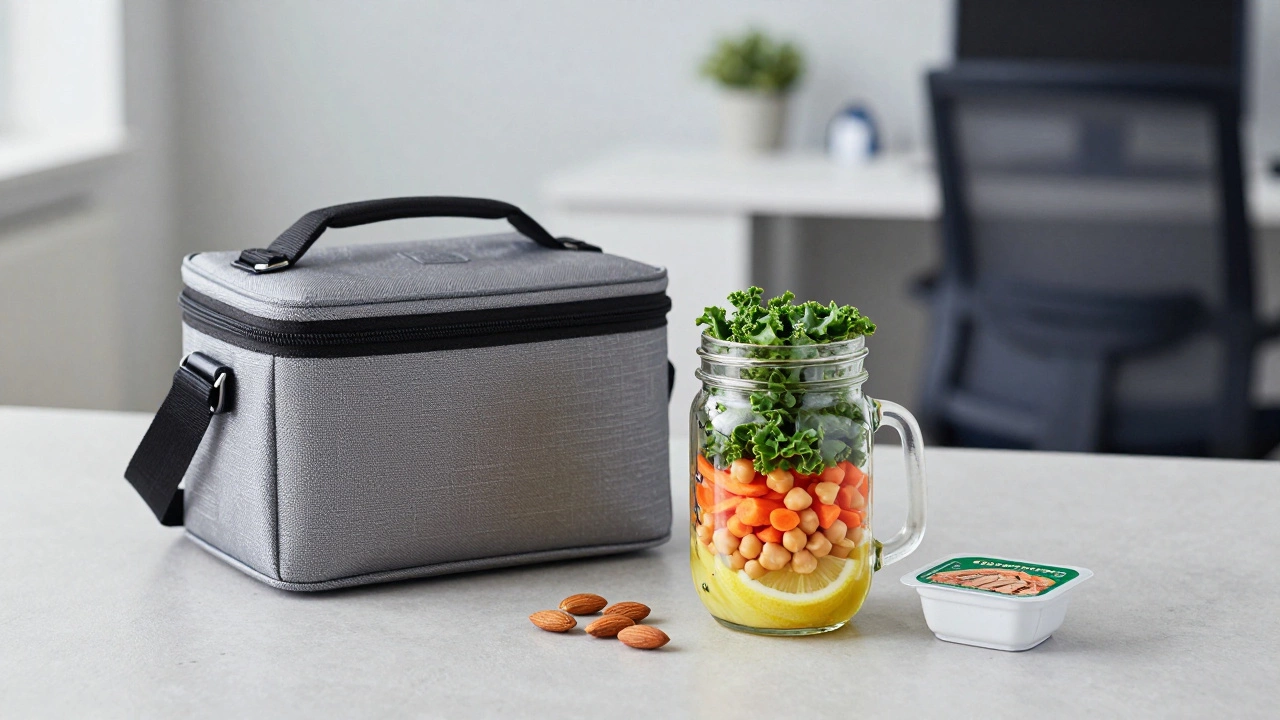
- Mason Jar Salads: Dressings at the bottom, hearty veggies next, and greens on top to keep things crisp.
- Leftover Remix: Turning last night's roasted vegetables into a grain bowl with quinoa.
Mastering the Art of the Quick Assembly
The secret to avoiding the drive-thru is shifting your mindset from "cooking" to "assembling." When you treat lunch like a puzzle where the pieces are already prepped, the friction disappears. Meal Prep is the process of planning and preparing meals or snacks in advance to ensure healthier eating habits. You don't have to prep every single meal for the week, but having "anchor ingredients" ready to go changes the game.
Think about ingredients that have a long shelf life or can be bought pre-prepped. Pre-washed baby spinach, canned chickpeas, and pre-cooked lentils are lifesavers. If you spend just 20 minutes on a Sunday boiling a batch of eggs or cooking a pot of Quinoa is a protein-rich pseudo-cereal that serves as a nutrient-dense base for salads and bowls, you've already won half the battle. Why? Because the effort to assemble a bowl of quinoa and chickpeas is significantly lower than the effort of driving to a fast food joint and waiting in line.
The Power of Grain Bowls and Salads
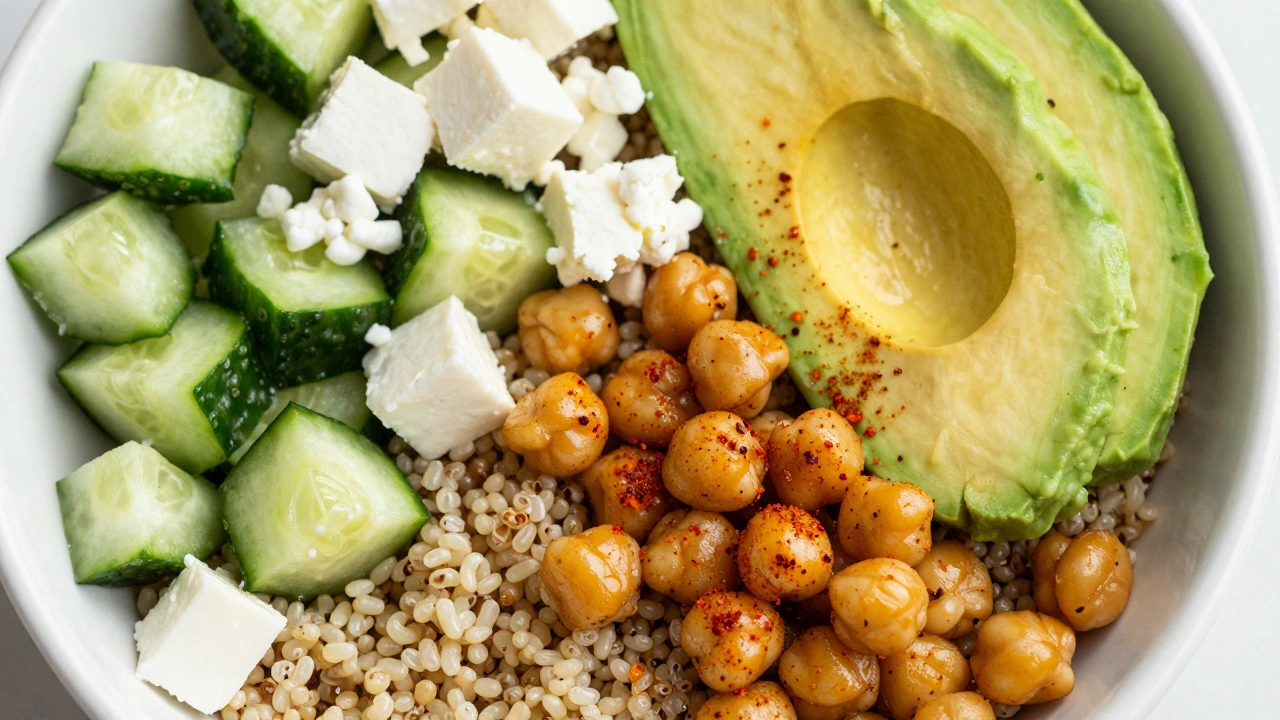
If you crave the heartiness of a burger, go for a grain bowl. The key here is the balance of textures. You want something chewy (grains), something crunchy (fresh veggies), and something creamy (avocado or a dressing). This combination keeps you full and prevents the blood-sugar spike and crash associated with refined flour buns.
For those who find salads boring, the trick is in the protein. Instead of plain lettuce, try using Chickpeas, which are legumes high in fiber and plant-based protein that can be roasted or eaten raw. Roast them with paprika and salt for a crunch that mimics croutons. Pair them with feta cheese, cucumber, and a squeeze of lemon. This gives you a Mediterranean-style meal that feels fancy but takes five minutes to toss together.
| Feature | Typical Fast Food Burger | Home-Made Grain Bowl |
|---|---|---|
| Prep Time | 10-15 mins (including drive) | 5-10 mins (if prepped) |
| Primary Energy Source | Refined Carbohydrates | Complex Carbohydrates |
| Average Cost | $12 - $18 | $3 - $6 |
| Post-Lunch Feeling | Lethargic / "Food Coma" | Sustained Energy |
High-Protein Swaps That Actually Taste Good
Let's be honest: we go to fast food because we want salt, fat, and protein. To satisfy those cravings, you need quick lunch ideas that hit those same notes without the inflammatory seed oils. Greek Yogurt is a strained yogurt product that is significantly higher in protein than regular yogurt and can be used as a savory base for dips or a sweet snack. Mix it with cucumber and garlic to make a quick Tzatziki, then dip sliced carrots and bell peppers into it.
If you're missing the savory hit of a sandwich, try a wrap using a high-protein tortilla. Fill it with Hummus, which is a dip made from cooked, mashed chickpeas blended with tahini, lemon juice, and garlic. Add some sliced turkey or smoked tofu for extra protein. The creaminess of the hummus replaces the need for heavy mayo, providing a similar mouthfeel but with added nutrients and fiber.
Solving the "No Microwave" Dilemma
A huge barrier to eating healthy at work is the lack of a microwave or a long line for the one that's available. This is why cold-prep meals are your best friend. Not every lunch needs to be hot to be satisfying. Cold pasta salads using Whole Wheat Pasta, which is pasta made from the entire grain kernel, preserving the fiber and nutrients, are incredibly filling. Toss it with cherry tomatoes, mozzarella pearls, and pesto.
Another great option is the tuna or salmon salad. Instead of using heavy mayo, try mixing canned tuna with mashed avocado. The healthy fats in the avocado provide a creamy texture and keep you satiated until dinner. Serve it on top of a bed of arugula or inside a hollowed-out bell pepper for a low-carb twist that feels like a real meal.
The "Emergency Kit" Strategy
Even with the best plans, some days are chaotic. That's where your desk or car "emergency kit" comes in. Keep a stash of non-perishable items that can form a meal in a pinch. A bag of raw almonds, some low-sodium tuna pouches, and a few packets of olive oil can turn a boring piece of fruit into a balanced lunch.
Include things like dried seaweed snacks for that salty craving or a few pieces of dark chocolate for the sugar hit. When you have these on hand, the temptation to pull into a fast food parking lot vanishes because you already have a viable, healthier option within arm's reach. It's all about reducing the number of decisions you have to make when you're already stressed and hungry.
Isn't meal prepping too time-consuming for a busy schedule?
It doesn't have to be. You don't need to spend 5 hours on Sunday. Instead, try "component prepping." Simply cook one big batch of a grain (like rice or quinoa) and roast one tray of vegetables. During the week, you just mix and match these components with a protein like canned tuna or pre-cooked chicken. This takes about 45 minutes total per week.
What are the best low-cost alternatives to fast food?
Legumes are your best friend here. Canned chickpeas, black beans, and lentils are incredibly cheap and packed with protein. Making a bean salad with vinegar, oil, and diced onions often costs less than $2 per serving, which is far cheaper than any "value meal" at a fast food chain.
How do I stop my salads from getting soggy by Thursday?
Use the layering method. Put your dressing at the very bottom of the container. Add hard vegetables (carrots, cucumbers) next. Then add your proteins and grains. Finally, put your leafy greens on the very top. This keeps the moisture away from the leaves until you're ready to shake and eat.
What can I eat if I don't have any refrigeration at work?
Invest in a high-quality insulated lunch bag and a few ice packs. Alternatively, focus on "shelf-stable" proteins like tuna pouches, nut butter, and roasted chickpeas. Combine these with hearty fruits like apples or oranges and sturdy vegetables like carrots or snap peas.
I crave the salt of fast food; how do I replicate that healthily?
Use acidic and savory flavor enhancers. A squeeze of lime, a splash of soy sauce, or a sprinkle of nutritional yeast can provide that "umami" hit you're craving. Sea salt is fine in moderation, but adding variety-like smoked paprika or cumin-makes the food taste more satisfying without overloading on sodium.