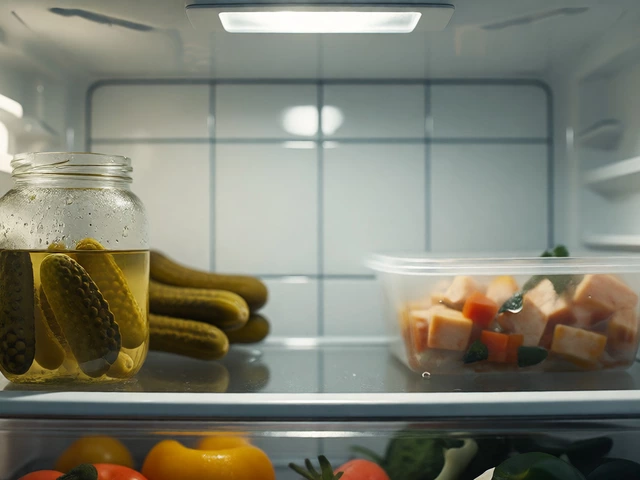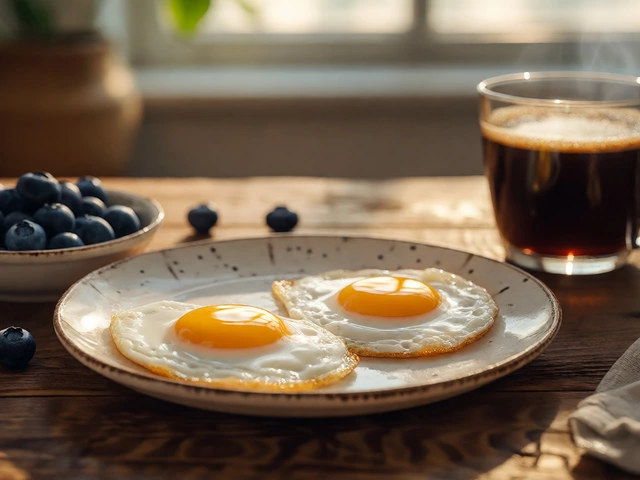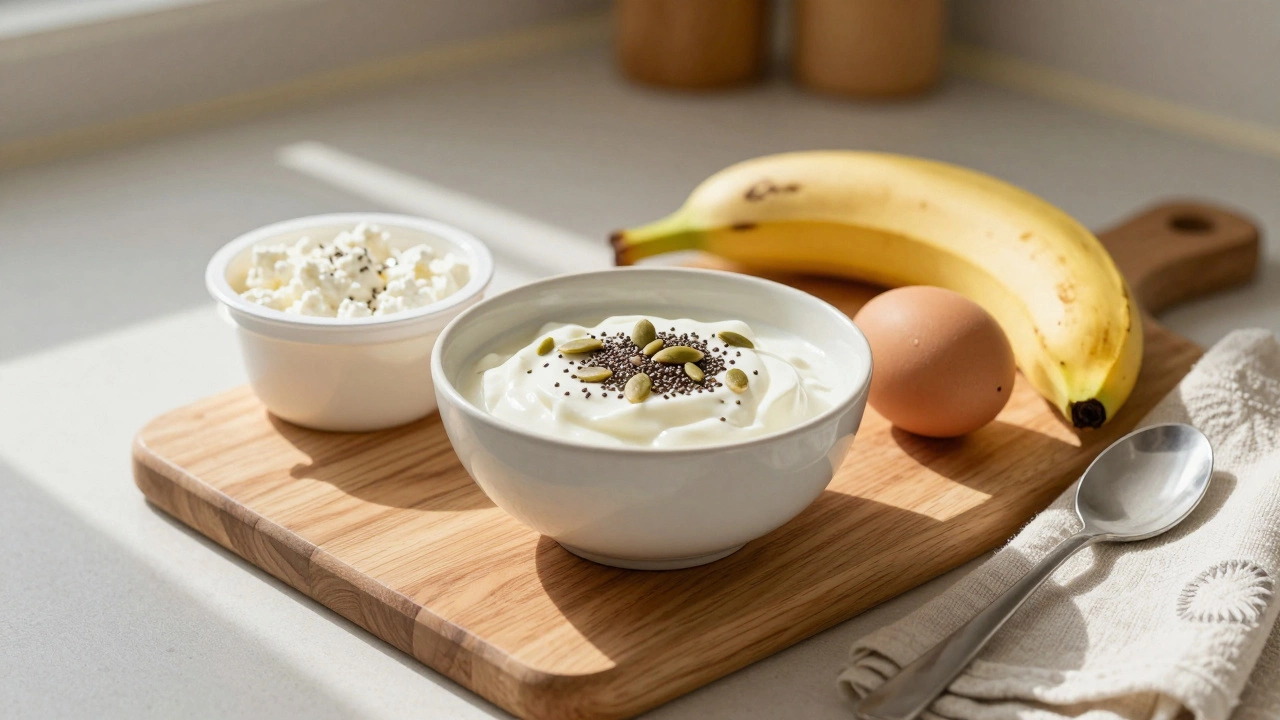
Getting 100 grams of protein a day as a vegetarian isn’t just possible-it’s easier than most people think. You don’t need to rely on shakes, supplements, or weird meat substitutes. Real food, eaten in smart combinations, gets you there without feeling like you’re on a diet. The trick isn’t eating more-it’s eating the right things, at the right times.
Why 100g of protein matters
One hundred grams of protein isn’t some bodybuilder fantasy. It’s a solid target for active adults, older folks trying to hold onto muscle, or anyone who trains regularly. Your body doesn’t store protein like fat or carbs, so you need to refill it daily. For vegetarians, that means planning meals around protein-rich plants and dairy. You’re not chasing perfection-you’re just making sure your plate doesn’t end up all carbs and veggies.
Studies show that adults need about 0.8 grams of protein per kilogram of body weight just to stay healthy. But if you’re lifting weights, walking 10,000 steps a day, or recovering from illness, you need more-closer to 1.2 to 1.6 grams per kg. For someone weighing 70kg (154 lbs), that’s 84 to 112 grams. So 100g? It’s a practical, achievable goal.
Where vegetarian protein actually comes from
Let’s cut through the noise. Soy, lentils, and tofu aren’t the only options. The real power players are:
- Cottage cheese - 12g per 1/2 cup
- Greek yogurt - 15-20g per cup
- Eggs - 6g per large egg
- Lentils - 18g per cooked cup
- Tempeh - 20g per 100g
- Edamame - 17g per cooked cup
- Seitan - 25g per 3oz serving
- Quinoa - 8g per cooked cup
- Chickpeas - 15g per cooked cup
- Peanut butter - 8g per 2 tablespoons
- Protein-rich cheese - Parmesan (10g per 1/4 cup), mozzarella (7g per 1/2 cup)
Notice something? Most of these aren’t exotic. They’re staples in any well-stocked kitchen. You don’t need to buy specialty protein powders to hit 100g. You just need to know how to stack them.
A real daily plan that hits 100g
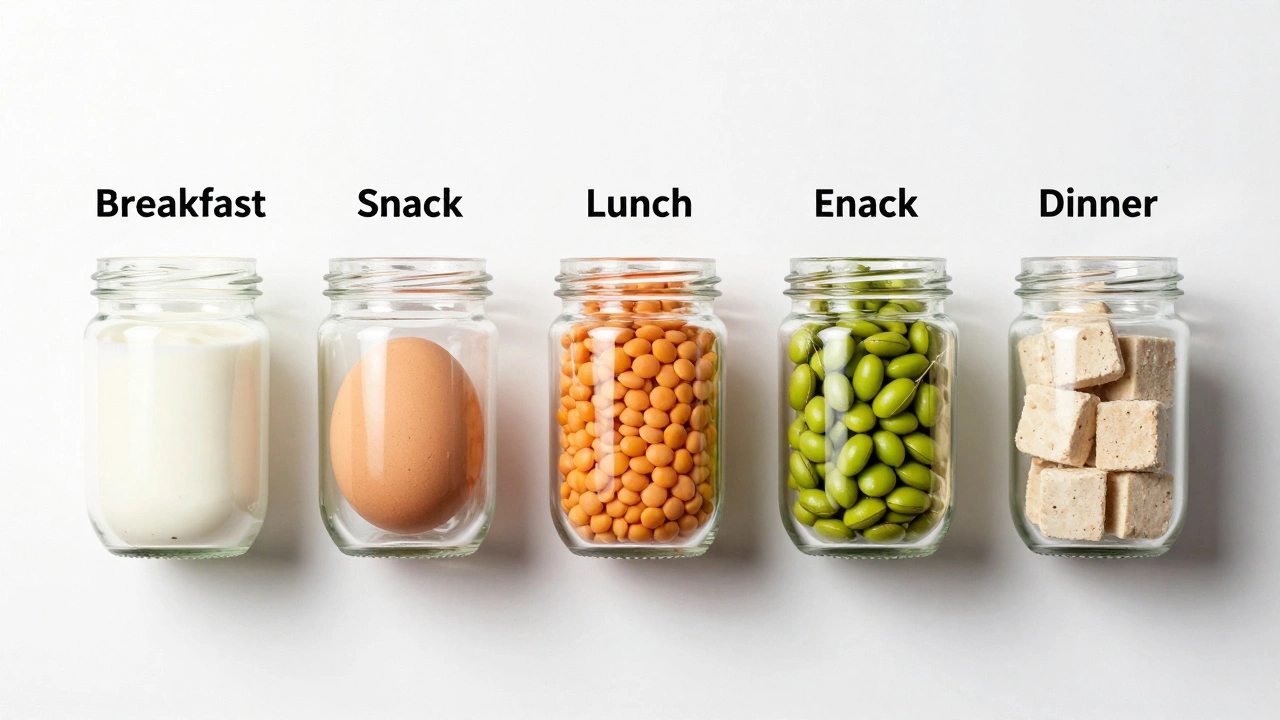
Here’s exactly how a vegetarian in Auckland might eat to hit 100g of protein without stress:
- Breakfast: 1 cup Greek yogurt (18g) + 2 tablespoons chia seeds (4g) + 1/4 cup pumpkin seeds (8g) + 1 banana = 30g
- Snack: 1 hard-boiled egg (6g) + 1/4 cup cottage cheese (6g) = 12g
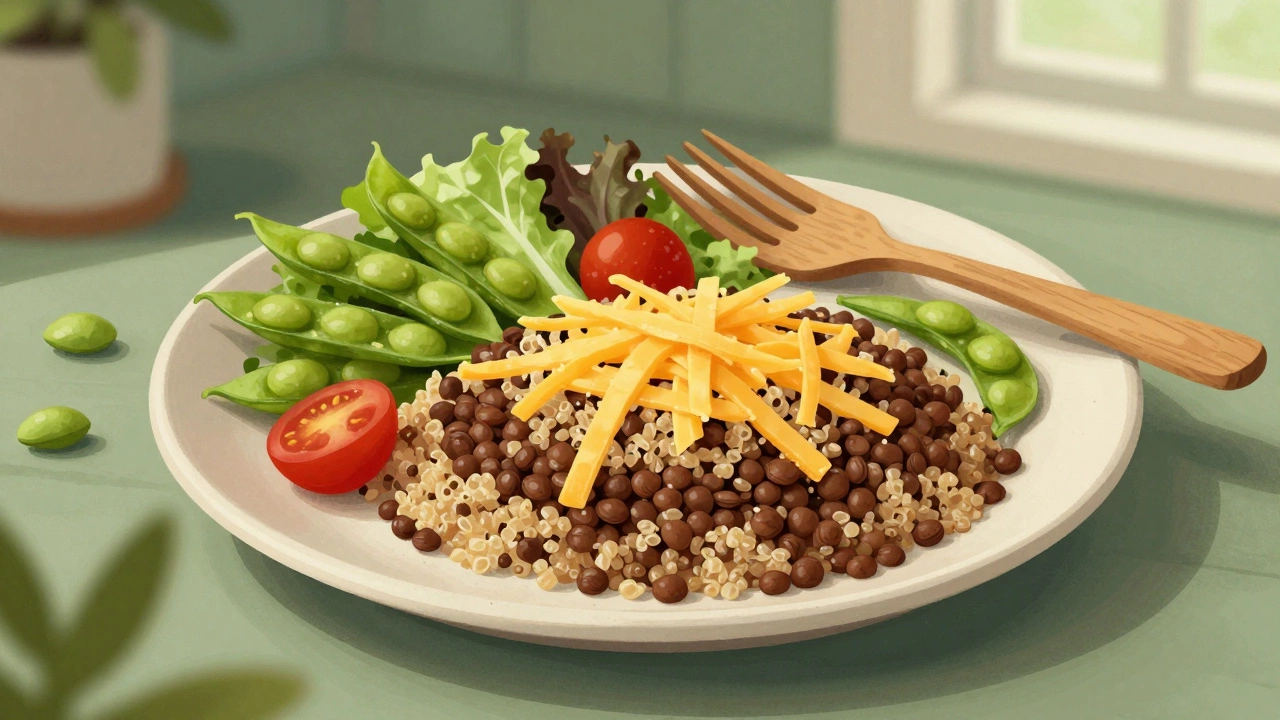
- Lunch: 1 cup cooked lentils (18g) + 1 cup cooked quinoa (8g) + 1/2 cup shredded cheddar (7g) + mixed greens = 33g
- Snack: 1 cup edamame (17g) + sprinkle of sea salt = 17g
- Dinner: 150g tempeh (30g) + stir-fried broccoli + brown rice = 30g
Total: 122g
That’s over your goal. And you didn’t eat a single protein bar.
The key? Protein is spread across meals, not dumped into one. You’re not starving yourself until dinner. You’re eating consistently, so your body gets steady fuel. And yes-you can swap tempeh for seitan, cottage cheese for paneer, or chia for hemp seeds. Flexibility keeps it sustainable.
Common mistakes vegetarians make
Most people think they’re not getting enough protein because they’re eating salads and smoothies. But here’s what usually goes wrong:
- Only eating tofu once a week - Tofu is great, but it’s not enough on its own. You need variety.
- Over-relying on beans alone - Beans have protein, but they’re also heavy on carbs. Pair them with cheese, eggs, or yogurt to boost the total.
- Skipping dairy or eggs - If you’re lacto-ovo vegetarian, these are your secret weapons. Greek yogurt and eggs are among the most concentrated protein sources you can eat.
- Thinking plant protein = incomplete - You don’t need to combine rice and beans in the same meal. As long as you eat a variety of plant foods over the day, your body gets all nine essential amino acids.
Also, don’t fall for the myth that you need to eat 30g of protein in one sitting to trigger muscle growth. That’s not how it works. Spreading it out is better for absorption and satiety.
Quick swaps to boost protein
Small changes add up fast. Here are five easy upgrades:
- Swap regular oatmeal for protein oatmeal made with milk and a scoop of pea protein powder (adds 15g)
- Use skim milk instead of water in soups and sauces (8g per cup)
- Top your salad with roasted chickpeas instead of croutons (adds 7g per 1/2 cup)
- Choose high-protein bread (like Ezekiel or Dave’s Killer Bread)-6-8g per slice
- Add nutritional yeast to pasta or popcorn-it’s cheesy, savory, and packs 3g of protein per tablespoon
These aren’t fancy. They’re just smarter versions of what you’re already eating.
What about vegan protein?
If you’re vegan, you can still hit 100g. You just need to be a little more intentional. Skip dairy and eggs, and lean harder on:
- Tempeh and seitan (both are fermented soy or wheat gluten-dense and filling)
- Lentils, black beans, and kidney beans (cook in bulk, freeze in portions)
- Plant-based protein powders (pea, rice, or blend-15-20g per scoop)
- Textured vegetable protein (TVP)-it’s cheap, absorbs flavor, and has 12g per 1/4 cup dry
- Whole grains like amaranth and spelt-higher in protein than rice or wheat
Example vegan day: 1 scoop pea protein (20g) + 1 cup soy milk (7g) + 1 cup lentils (18g) + 100g tempeh (20g) + 1/2 cup hemp seeds (15g) + 2 slices high-protein bread (12g) = 92g. Add a tablespoon of peanut butter (4g) and you’re there.
Why this works long-term
Most protein plans fail because they’re too rigid. You can’t live on shakes and tofu forever. Real life involves takeout, parties, and tired nights. That’s why this plan doesn’t rely on perfection.
Some days you’ll eat 80g. Other days, you’ll hit 130g. That’s fine. Your body doesn’t need exact numbers every day-it needs consistency over weeks. If you average 90-110g most days, you’re winning.
And the side benefits? You’ll feel fuller longer. Your energy stays steady. You stop craving sugar because protein stabilizes blood sugar. You’ll sleep better, recover faster from workouts, and feel stronger when climbing stairs or carrying groceries.
Final tip: Track for a week, then forget it
Use a free app like Cronometer for 7 days. Just to see where your protein is hiding. You might be surprised-like finding out your morning smoothie only has 5g because you used water instead of milk. Once you see the pattern, you’ll start making smarter choices without thinking.
After that week, stop tracking. You don’t need to count forever. You just need to know what works. Then eat like you always have-just with a little more protein on the plate.
Can I get 100g of protein a day without supplements?
Yes, absolutely. Most people hit 100g using whole foods like Greek yogurt, cottage cheese, eggs, lentils, tempeh, edamame, and cheese. Supplements can help, but they’re not required. Real food gives you fiber, vitamins, and minerals along with protein.
Is plant protein as good as animal protein?
It’s close. Animal proteins contain all nine essential amino acids in one source. Most plant proteins are lower in one or two. But you don’t need to combine them in one meal. Eating a variety of beans, grains, nuts, and soy over the day gives you all the amino acids your body needs. The idea that you must pair rice and beans together at every meal is outdated.
What’s the cheapest way to get vegetarian protein?
Lentils, black beans, and oats are the most affordable. A bag of dried lentils costs less than $2 and gives you 18g of protein per cup. Tofu and tempeh are also budget-friendly when bought in bulk. Avoid pre-packaged protein bars-they’re expensive per gram of protein.
Do I need to eat protein right after working out?
Not necessarily. While it helps to have protein within a couple hours after exercise, your body doesn’t have a 30-minute ‘anabolic window’ like some blogs claim. What matters more is hitting your daily total. If you ate protein at breakfast and lunch, you’re fine-even if dinner is two hours after your workout.
Can I get enough protein on a vegetarian diet if I’m over 50?
Yes, and it’s even more important. As you age, your body becomes less efficient at using protein to build muscle. Aim for 1.2 to 1.6g per kg of body weight. Spread your intake across 3-4 meals-25-30g per meal-to trigger muscle synthesis. Cottage cheese, Greek yogurt, eggs, and lentils are ideal for older adults.