Pasta Sauce Consistency Calculator
Optimize Your Sauce
Use pasta water to create silky, clingy sauces like the article suggests. This tool calculates the ideal amount based on your sauce volume.
Starchy pasta water is liquid gold for binding sauce to pasta. Follow these steps:
- Reserve 1 cup of pasta water before draining
- Start with 1 tbsp per cup of sauce
- Stir in gradually until sauce clings perfectly
Let’s be honest-most of us cook pasta the same way over and over. Boil water, toss in noodles, drain, slap on some jarred sauce, and call it dinner. It’s easy, sure. But after the third night in a row, it starts to feel like eating cardboard. The good news? Making your pasta more interesting doesn’t require fancy tools, exotic ingredients, or hours in the kitchen. It just needs a few smart tweaks.
Start with the pasta itself
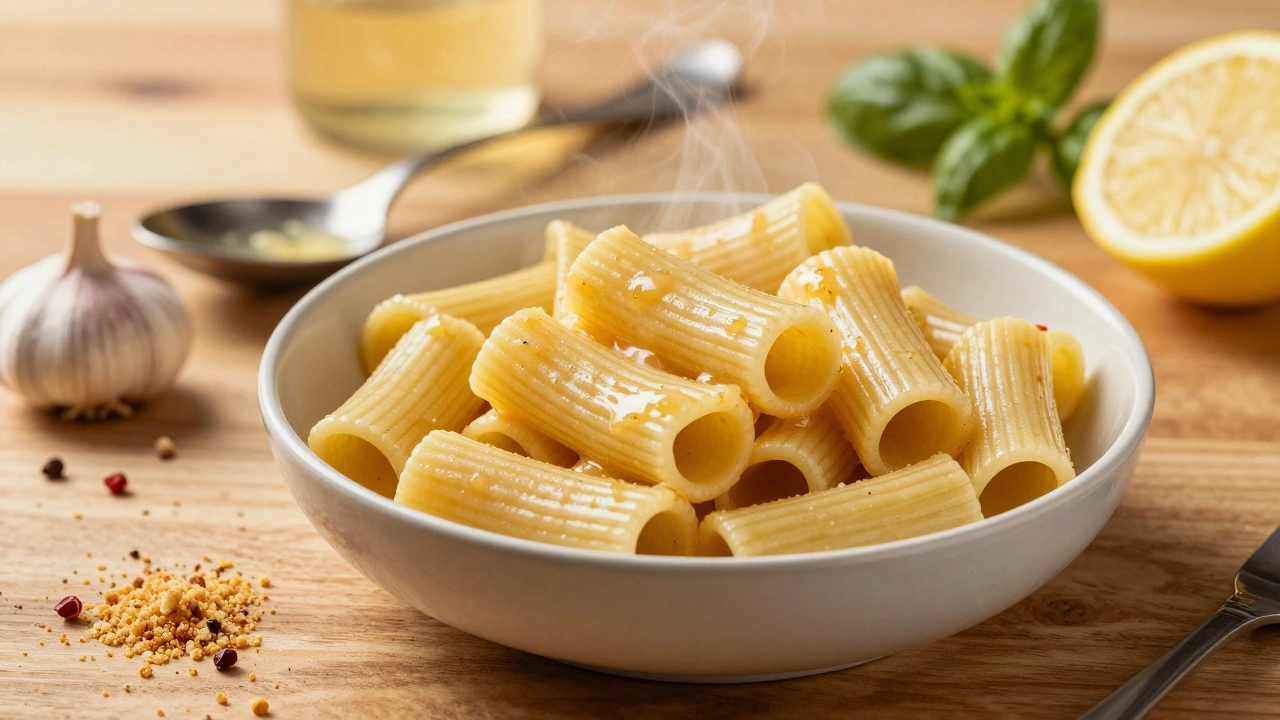
Not all pasta is created equal. The shape you choose changes how the sauce clings, how it feels in your mouth, and even how satisfying the bite is. If you’re stuck on spaghetti, try switching to rigatoni-its ridges and hollow center trap sauce like a little pasta tunnel. Or go for orecchiette, those little ear-shaped noodles that hold onto chunky veggies and ground meat like a charm. In New Zealand, you’ll find these shapes in most major supermarkets now, often in the organic or artisanal section.
Don’t skip the water salting step. Use at least 1 tablespoon of salt per liter of water. It’s not just for flavor-it’s the only chance you get to season the pasta from the inside out. Under-salted pasta is like a blank canvas with no primer. No amount of good sauce can fix that.
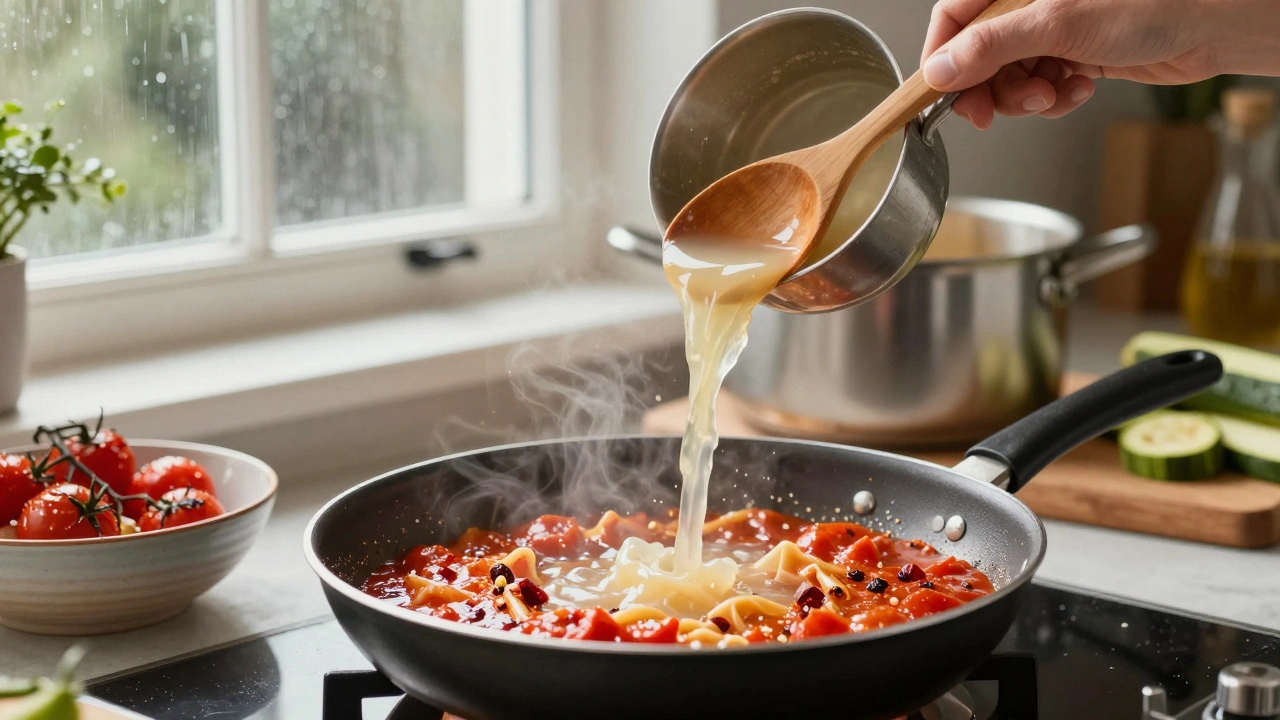
And here’s a trick most people ignore: reserve a cup of pasta water before draining. That starchy, salty liquid is liquid gold. A splash stirred into your sauce at the end helps it cling to the noodles, creates a silky texture, and binds everything together. You’ll notice the difference immediately.
Upgrade your sauce game
Store-bought sauce is fine for emergencies, but if you want to make pasta that people actually remember, start with a base you build yourself. Heat olive oil in a pan-extra virgin if you’ve got it-and toss in a couple of crushed garlic cloves. Let them sizzle gently until they smell sweet, not burnt. Then add a pinch of red pepper flakes. Just a pinch. It adds warmth without turning your meal into a fire alarm.
Now, here’s where most recipes go wrong: they skip the step of letting the sauce simmer. Even a simple tomato sauce needs at least 15 minutes to deepen. Stir occasionally, let it bubble slowly. The raw edge of the tomatoes fades, the sugars caramelize slightly, and the flavors start to hug each other. Add a pinch of sugar if it tastes too sharp. A teaspoon of tomato paste stirred in at the start gives you a richer, darker base-no need for fancy ingredients.
Try adding a splash of lemon juice at the very end. Just a teaspoon. It brightens everything. Or stir in a spoonful of pesto right before serving. You don’t need to make it from scratch-store-bought works fine. The herbs and nuts add texture and a punch that jarred sauce alone never will.
Use toppings like a pro
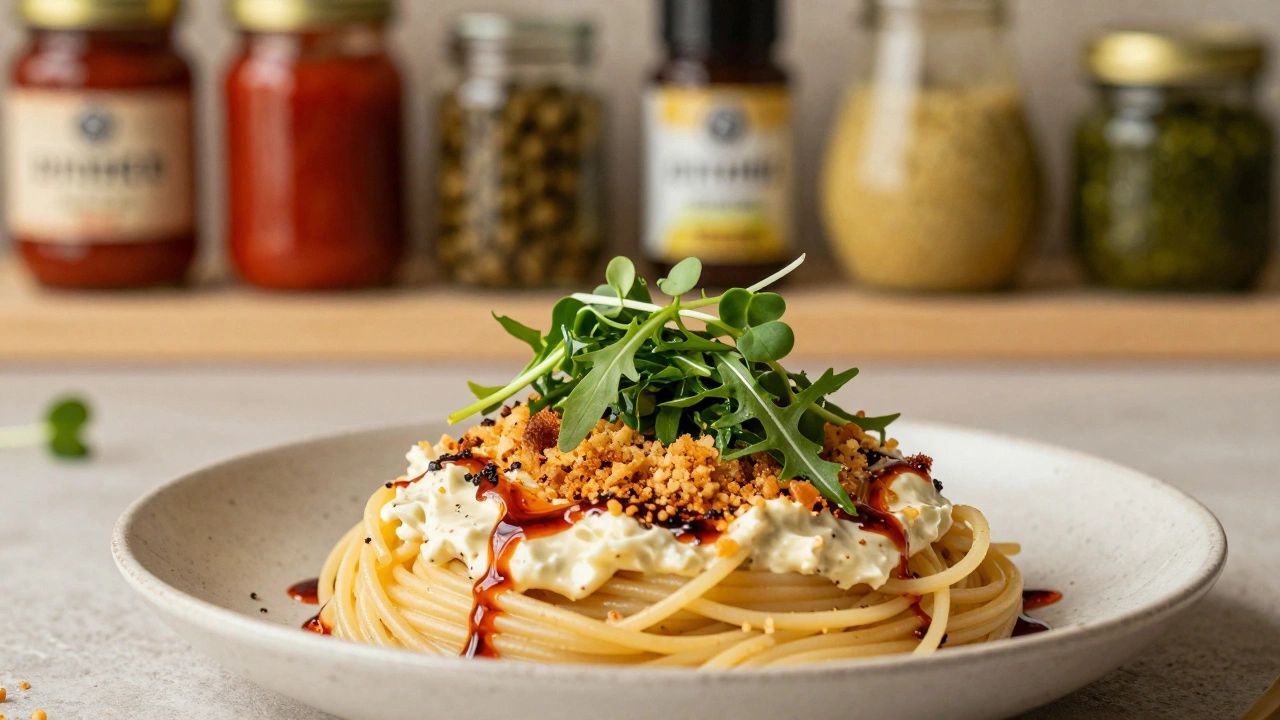
Toppings aren’t just garnish-they’re flavor bombs. A sprinkle of freshly grated Parmesan is obvious, but what about toasted breadcrumbs? Heat a little olive oil in a small pan, toss in panko or crushed crackers, and cook until golden. Sprinkle them over the top. They add crunch, texture, and a nutty depth that makes people ask, “What’s different about this pasta?”
Try anchovies. Yes, anchovies. Two fillets mashed into hot oil at the start dissolve into a savory umami base. You won’t taste fish-you’ll taste depth. It’s a trick Italian nonnas use. If you’re not ready for that, try a spoonful of miso paste stirred into warm sauce. It’s salty, rich, and weirdly addictive.
Roasted vegetables change everything. Toss cherry tomatoes, zucchini, or eggplant with olive oil, salt, and pepper. Roast them at 200°C for 25 minutes until they’re soft and slightly charred. Fold them into the pasta at the end. They add sweetness, texture, and make the dish feel like a complete meal, not just noodles.
Don’t forget the herbs
Most people think of basil as the only herb for pasta. But fresh parsley, chives, or even cilantro can flip the whole vibe. Add chopped herbs at the very end, after you’ve mixed the pasta and sauce. Heat kills their brightness. If you add them too early, you lose that fresh, green lift.
Try a handful of arugula stirred into hot pasta. It wilts slightly, adds a peppery bite, and makes the dish feel more alive. Or toss in some microgreens from the grocery store-they’re cheap, pretty, and give a surprising burst of flavor.
Try one new ingredient every week
The secret to never getting bored? Introduce one new element each time you make pasta. One week, add capers. The next, stir in a spoonful of harissa paste. Then try a splash of white wine when you’re cooking the garlic. Or toss in some cooked lentils for protein and earthiness. You don’t need to overhaul your routine-just tweak it.
Here’s a simple rotation to try:
- Week 1: Add toasted pine nuts and lemon zest
- Week 2: Swap butter for browned butter in the sauce
- Week 3: Stir in a spoonful of Greek yogurt for creaminess
- Week 4: Mix in a handful of chopped sun-dried tomatoes
- Week 5: Finish with a drizzle of chili oil
Each change takes less than five minutes. But after five weeks, you’ll have five completely different pasta dishes-and you won’t even need a recipe.
Use what’s in your fridge
Pasta is the ultimate cleanup dish. Leftover roasted chicken? Chop it up and toss it in. Half a jar of pickled vegetables? Rinse and add them for tang. A few wilted spinach leaves? Stir them in at the end-they’ll cook in the heat of the pasta. Even a spoonful of leftover pesto from last week’s sandwich can turn plain noodles into something special.
One night in Auckland, I had half a can of chickpeas, a lonely lemon, and a handful of dill. I sautéed garlic, tossed in the chickpeas to crisp up a bit, added a splash of lemon juice, stirred in the dill, and mixed it all with penne. It took 12 minutes. My partner said, “This is better than that restaurant we went to.” No joke.
It’s not about complexity-it’s about intention
You don’t need to be a chef to make amazing pasta. You just need to pay attention. Taste as you go. Adjust. Don’t be afraid to add a little more salt, a splash of acid, or a handful of herbs. The goal isn’t perfection-it’s connection. A plate of pasta that makes someone pause, take another bite, and say, “This is different,” is a win.
Can I make pasta more interesting without buying new ingredients?
Absolutely. Most upgrades come from how you use what you already have. Toasting breadcrumbs, adding lemon juice, reserving pasta water, or stirring in leftover herbs can completely transform a basic dish. Even a pinch of sugar or a splash of vinegar can balance flavors you didn’t realize were off. You don’t need fancy products-just a little curiosity.
What’s the fastest way to upgrade store-bought sauce?
Heat the sauce in a pan instead of microwaving it. Add minced garlic and a pinch of red pepper flakes while it warms. Stir in a spoonful of tomato paste for depth, then finish with a splash of pasta water and a handful of fresh herbs. That’s it. You’ve turned jarred sauce into something homemade.
Is it worth buying specialty pasta shapes?
If you cook pasta often, yes. Shapes like rigatoni, fusilli, or casarecce hold sauce better than spaghetti. They create texture and make each bite feel more intentional. You don’t need to buy them all-just try one new shape every few months. You’ll notice how it changes the experience.
How do I make pasta feel like a special meal without spending a lot?
Focus on texture and contrast. Add crunchy toppings like toasted nuts or breadcrumbs. Mix in something bright like lemon zest or pickled onions. Serve it with a simple green salad. The combination of warm, soft pasta with crisp, acidic sides makes it feel like a restaurant dish-even if it cost less than $5 to make.
Can I make pasta more interesting with dairy alternatives?
Yes. Cashew cream, coconut milk (in small amounts), or even unsweetened oat milk can add richness. Stir a few tablespoons into a sauce at the end for creaminess without heavy cream. For a cheesy flavor, try nutritional yeast-it adds a savory, umami kick that works surprisingly well in vegan pasta dishes.