Vegetarian Protein Planner
Step 1: Your Stats
Your Daily Target
Enter your details and click Calculate.
Step 2: Build Your Day
Click on foods to add them to your plate:
Meal Tracker
- Start adding foods...
Key Takeaways
- You do not need meat to hit your protein goals; legumes, soy products, and seeds are powerhouses.
- Tempeh and Tofu offer complete amino acid profiles, making them superior to most other plant proteins.
- Combine grains with legumes in the same day (not necessarily the same meal) to ensure you get all essential amino acids.
- Aim for 0.8g of protein per kilogram of body weight as a baseline, increasing this if you are active.
- Hidden protein sources like nutritional yeast and spirulina can boost intake without changing your meal structure drastically.
It is a common myth that you cannot build muscle or maintain energy on a vegetarian diet. The reality is quite different. If you know which foods to prioritize, a vegetarian plate can be just as protein-dense as one loaded with steak or chicken. The challenge is not finding protein; it is finding complete protein and enough variety to cover your micronutrient needs. Many people switch to vegetarianism for ethical or environmental reasons but then struggle with fatigue or muscle loss because they replace meat with pasta and bread instead of nutrient-dense alternatives. This guide cuts through the noise. It tells you exactly what to eat, how much to eat, and how to combine these foods for maximum absorption.
The Protein Requirement: How Much Do You Actually Need?
Before picking up a bag of lentils, let us look at the numbers. Most adults need about 0.8 grams of protein per kilogram of body weight. For a person weighing 70 kilograms (154 pounds), that is roughly 56 grams of protein a day. If you are an athlete, pregnant, or recovering from surgery, this number jumps significantly. Active individuals often aim for 1.2 to 2.0 grams per kilogram. The key difference with plant-based protein is digestibility. Animal protein is highly bioavailable, meaning your body absorbs almost all of it. Plant protein contains fiber and anti-nutrients like phytates, which can slightly reduce absorption. To compensate, many nutritionists recommend aiming for the higher end of the recommended range when eating vegetarian.
Let us break down what 56 grams looks like in real food terms. It is not a massive amount. A cup of cooked lentils gives you about 18 grams. A half-cup of tofu provides another 10 grams. Add a handful of almonds, and you are halfway there. The mistake most people make is underestimating how quickly these numbers add up throughout the day. You do not need to force-feed yourself protein powder if your meals are structured correctly.
Top Tier: Complete Plant Proteins
Not all proteins are created equal. Your body needs nine essential amino acids that it cannot produce on its own. Most plant foods lack one or more of these. However, a select few are "complete," meaning they contain all nine in sufficient amounts. These should be the cornerstone of your diet.
Soy Products are the gold standard here. Tofu, made from coagulated soy milk, is incredibly versatile. Firm tofu has a dense texture that holds up well in stir-fries, while silken tofu works in smoothies. Tempeh is fermented soybeans. The fermentation process breaks down some of the sugars and makes the nutrients more accessible. Tempeh also has a nuttier flavor and firmer chew than tofu. Edamame, which are young soybeans, are another excellent source. They are easy to snack on and pack a punch with about 17 grams of protein per cup.
Quinoa is perhaps the most famous complete grain. Unlike rice or wheat, quinoa contains all nine essential amino acids. One cup of cooked quinoa offers about 8 grams of protein. It is also rich in magnesium and iron. Another lesser-known complete protein is Hemp Seeds. These seeds are soft, have a mild nutty taste, and can be sprinkled on salads, oatmeal, or blended into smoothies. Three tablespoons of hemp seeds provide nearly 10 grams of protein.
Buckwheat is another surprising contender. Despite its name, it is not related to wheat and is gluten-free. Buckwheat groats or soba noodles provide a decent protein boost along with resistant starch, which feeds healthy gut bacteria.
The Legume Powerhouse: Beans, Lentils, and Peas
If complete proteins are the stars, legumes are the workhorses of the vegetarian diet. They are cheap, shelf-stable, and incredibly nutritious. While they are not technically complete proteins on their own (they are low in methionine), they are exceptionally high in lysine, an amino acid often lacking in grains. By eating legumes alongside grains, you create a complete protein profile.
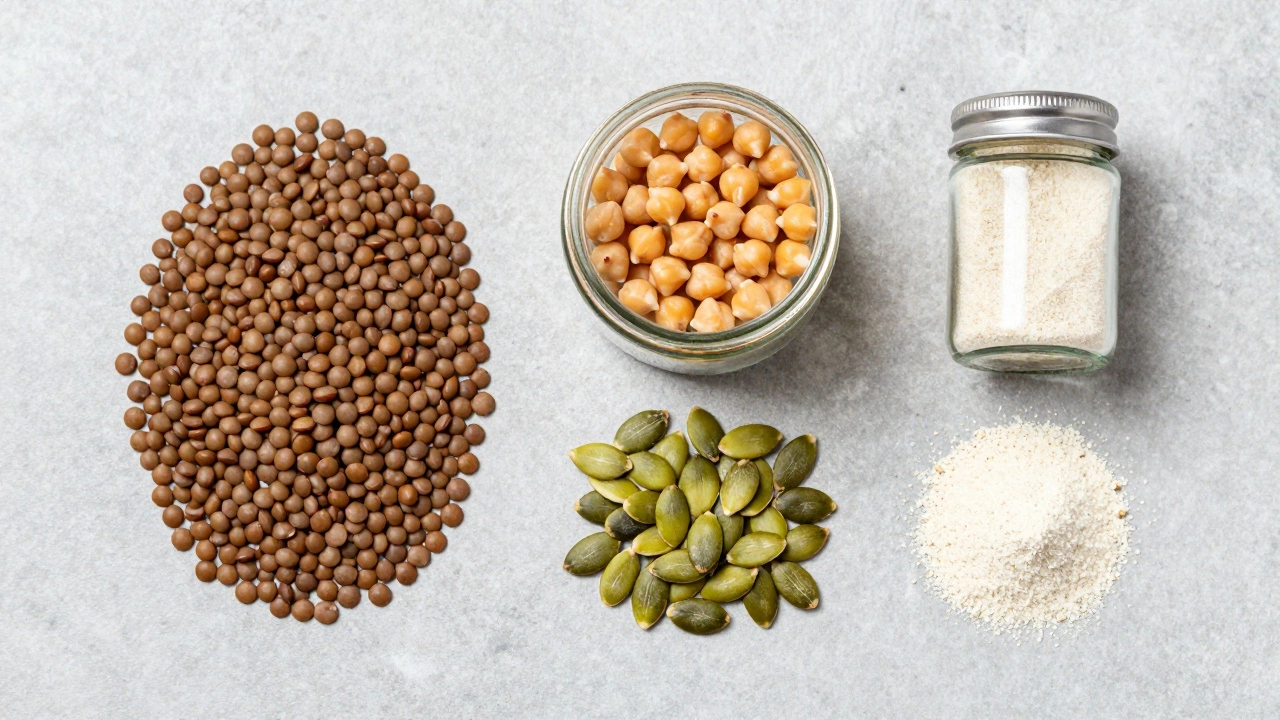
Lentils are arguably the easiest to incorporate. They require no soaking and cook in under 30 minutes. Red lentils break down into a creamy soup, perfect for curries. Green or brown lentils hold their shape better, making them ideal for salads. One cup of cooked lentils delivers approximately 18 grams of protein. Chickpeas (garbanzo beans) are another staple. They are the base for hummus, falafel, and countless stews. A cup of chickpeas offers about 15 grams of protein. Black beans, kidney beans, and pinto beans follow similar patterns, each offering between 13 and 15 grams per cup.
Peas are often overlooked. Split peas, garden peas, and even pea protein isolate are fantastic sources. Pea protein is particularly popular in vegan supplements because it is hypoallergenic and highly digestible. Adding frozen peas to your pasta or risotto is an effortless way to sneak in extra protein and fiber.
Nuts, Seeds, and Dairy: The Density Boosters
Nuts and seeds are calorie-dense, so portion control matters, but their protein-to-calorie ratio is impressive. Pumpkin Seeds (pepitas) are leaders here, offering about 9 grams of protein per ounce. They are also rich in zinc and magnesium. Chia Seeds and Flaxseeds are lower in protein but high in omega-3 fatty acids. They expand when wet, making them great for thickening puddings or adding bulk to baked goods.
Almonds and peanuts are technically legumes but are culinarily treated as nuts. Peanuts have a higher protein content than most tree nuts, offering about 7 grams per ounce. Almonds provide around 6 grams per ounce along with significant vitamin E. Walnuts are lower in protein but excel in brain-health fats.
If you eat dairy, Greek Yogurt and Cottage Cheese are unbeatable. Greek yogurt is strained, removing the whey and concentrating the casein protein. One cup can have over 20 grams of protein. Cottage cheese is similarly dense and slow-digesting, making it a great bedtime snack for sustained muscle repair overnight. Hard cheeses like Parmesan are also protein-rich but come with high sodium and saturated fat, so use them sparingly as flavor enhancers rather than primary protein sources.
| Food Item | Serving Size | Protein (grams) | Complete Protein? |
|---|---|---|---|
| Firm Tofu | 1/2 cup | 10-12g | Yes |
| Cooked Lentils | 1 cup | 18g | No |
| Tempeh | 1/2 cup | 15g | Yes |
| Edamame | 1 cup | 17g | Yes |
| Quinoa | 1 cup cooked | 8g | Yes |
| Greek Yogurt | 1 cup | 20-22g | Yes |
| Pumpkin Seeds | 1 oz (28g) | 9g | No |
| Nutritional Yeast | 2 tbsp | 8g | No |
Hidden Gems: Nutritional Yeast and Seitan
Two ingredients deserve special mention for serious vegetarians: Nutritional Yeast and Seitan.
Nutritional yeast is a deactivated yeast sold as flakes or powder. It has a cheesy, savory flavor and is often fortified with B12, a critical nutrient for vegetarians. Two tablespoons provide about 8 grams of protein. Sprinkle it on popcorn, pasta, or avocado toast for an instant nutrient boost.
Seitan, also known as wheat meat, is made from vital wheat gluten. It is incredibly high in protein, offering about 25 grams per 3.5 ounces. However, it is not suitable for anyone with celiac disease or gluten sensitivity. Seitan mimics the texture of meat very closely, making it a favorite for burgers and sandwiches. Because it is pure gluten, it lacks other micronutrients found in whole foods, so it should be eaten in moderation and paired with vegetables.
Strategic Pairing: Maximizing Absorption
You do not need to obsess over every bite, but understanding complementary proteins helps. Grains are low in lysine but high in methionine. Legumes are high in lysine but low in methionine. When you eat them together, they fill each other's gaps. Classic combinations include rice and beans, hummus and pita bread, peanut butter on whole-wheat toast, and lentil soup with a side of crusty bread. Modern nutrition science suggests you do not need to eat them in the exact same meal, just within the same day. Your body maintains an amino acid pool, so as long as your daily intake is varied, you will be fine.
To further enhance absorption, consider soaking beans and grains before cooking. This reduces phytic acid, which can bind to minerals like iron and zinc, preventing their absorption. Soaking also makes them easier to digest, reducing bloating. Sprouting seeds and grains is another effective method to increase bioavailability.
Sample Day of High-Protein Vegetarian Eating
Here is how a realistic day looks. It is not about forcing protein into every snack, but building balanced meals.
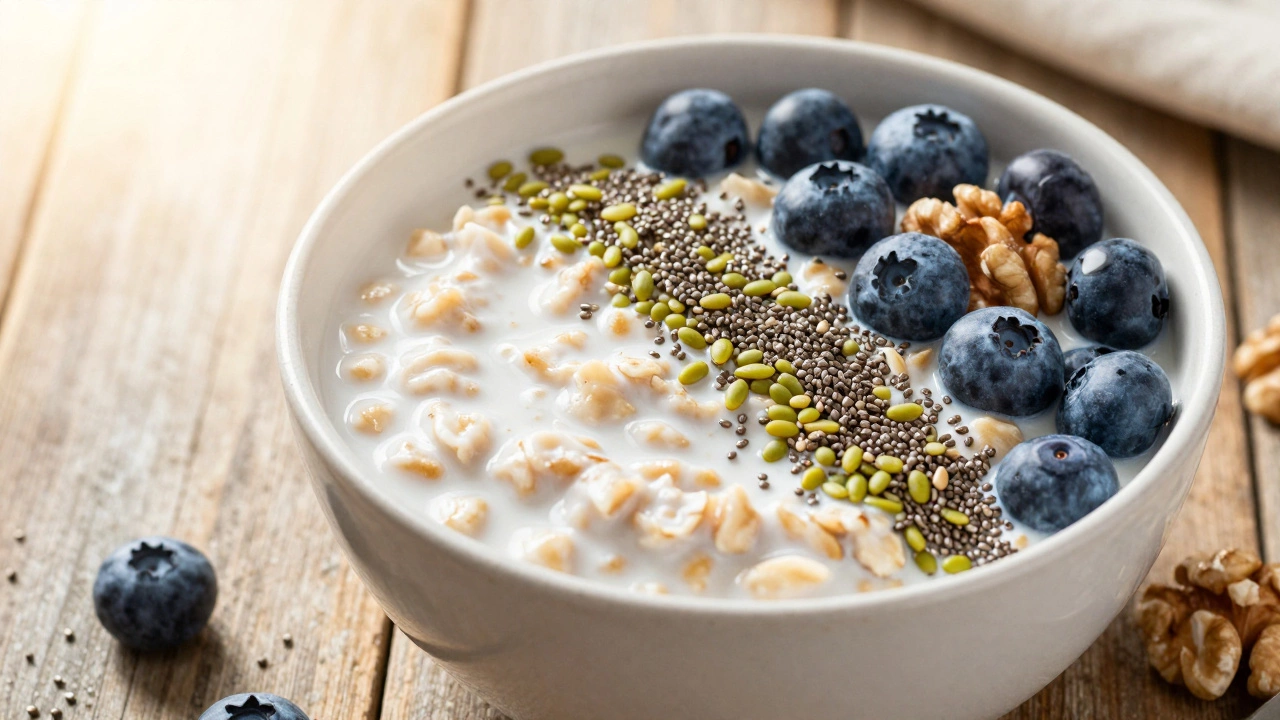
Breakfast: Oatmeal made with soy milk, topped with 2 tablespoons of hemp seeds and a tablespoon of chia seeds. This provides about 15 grams of protein. Alternatively, a Greek yogurt parfait with berries and walnuts hits similar marks.
Lunch: A large salad with mixed greens, 1/2 cup of chickpeas, 1/4 cup of pumpkin seeds, and a dressing made from tahini. Add a slice of whole-grain bread. Total protein: ~20 grams.
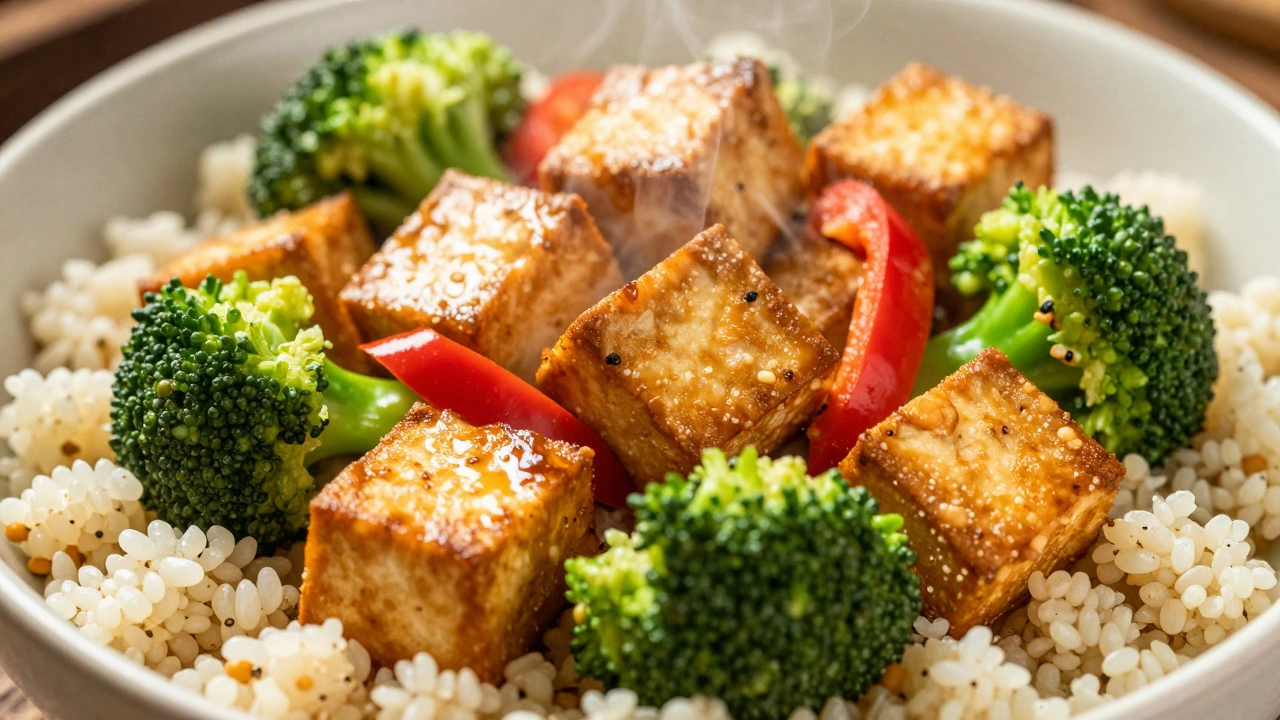
Dinner: Stir-fry with 1/2 cup of tempeh, broccoli, bell peppers, and served over 1/2 cup of quinoa. Total protein: ~25 grams.
Snack: A handful of almonds or a piece of fruit with a spoonful of peanut butter. Total protein: ~5-7 grams.
This totals around 65-70 grams of protein, comfortably meeting the needs of a sedentary adult and providing a buffer for active days.
Common Pitfalls to Avoid
The biggest mistake vegetarians make is relying too heavily on refined carbohydrates. White bread, pasta, and pastries provide calories but negligible protein. Swap white flour for whole grains where possible. Another pitfall is neglecting iron and B12. Plant-based iron (non-heme) is harder to absorb. Pair iron-rich foods like spinach and lentils with vitamin C-rich foods like citrus or bell peppers to boost absorption. Finally, do not ignore hydration. High-fiber diets require more water to prevent digestive issues.
Can I build muscle on a vegetarian diet?
Yes, absolutely. Muscle growth depends on total protein intake and progressive resistance training, not the source of the protein. Soy, whey (if lacto-vegetarian), and pea protein isolates are highly effective. Ensure you are consuming enough calories to support muscle repair.
Do I need to combine proteins at every meal?
No. As long as you eat a variety of plant foods throughout the day, your body will access all necessary amino acids. The old rule of combining proteins at every single meal is outdated and unnecessary for most people.
What is the best protein supplement for vegetarians?
Whey protein is the top choice for lacto-vegetarians due to its high biological value. For those avoiding dairy, pea protein or soy protein isolates are excellent alternatives. Blends of pea and rice protein often provide a complete amino acid profile.
Is seitan healthy?
Seitan is high in protein but low in other nutrients. It is also pure gluten, so it is unsafe for those with celiac disease. Use it as an occasional treat rather than a daily staple to ensure nutritional balance.
How do I prevent bloating from beans?
Soak dried beans overnight and discard the water before cooking. Start with smaller portions to allow your gut bacteria to adapt. Using spices like cumin, ginger, or fennel can also aid digestion.