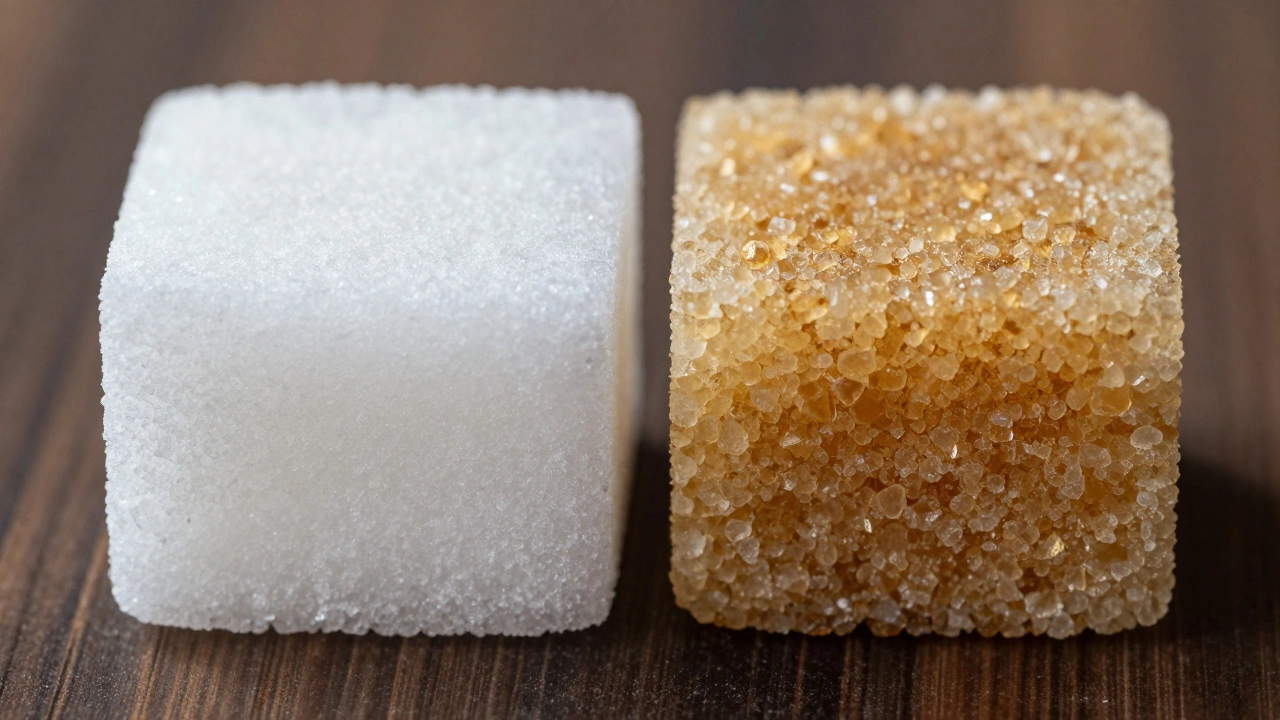
Not all sugar is vegan. If you’re eating sugar without checking where it comes from, you might be consuming something made with animal bones. It sounds strange, but it’s true. Many white sugars, especially in the U.S., Canada, and parts of Europe, are filtered through bone char - a black, porous material made from animal bones. This process removes color and impurities, making sugar bright white. It doesn’t leave bone particles in the final product, but the process itself makes it non-vegan by most standards.
Why Bone Char Is Used in Sugar Processing
Bone char has been used since the 1800s to decolorize sugar syrup. It’s cheap, effective, and still widely used by large sugar refineries. Companies like Domino Sugar and C&H Sugar in the U.S. openly admit they use bone char for their refined white sugar. Even though the sugar itself contains no animal matter, vegans avoid it because the production method involves animal products. It’s the same reason many vegans avoid wine or beer filtered with fish bladders or egg whites - it’s about the process, not the final ingredient.
Not all sugar uses bone char. Beet sugar, for example, rarely does. Sugar beets are processed using activated carbon or ion exchange resins, both plant-based or synthetic methods. So if you’re buying beet sugar, you’re likely fine. But here’s the catch: most grocery stores don’t label whether sugar comes from cane or beets. You have to read the fine print or call the manufacturer.
What Sugar Is Safe for Vegans?
Here’s what you can trust:
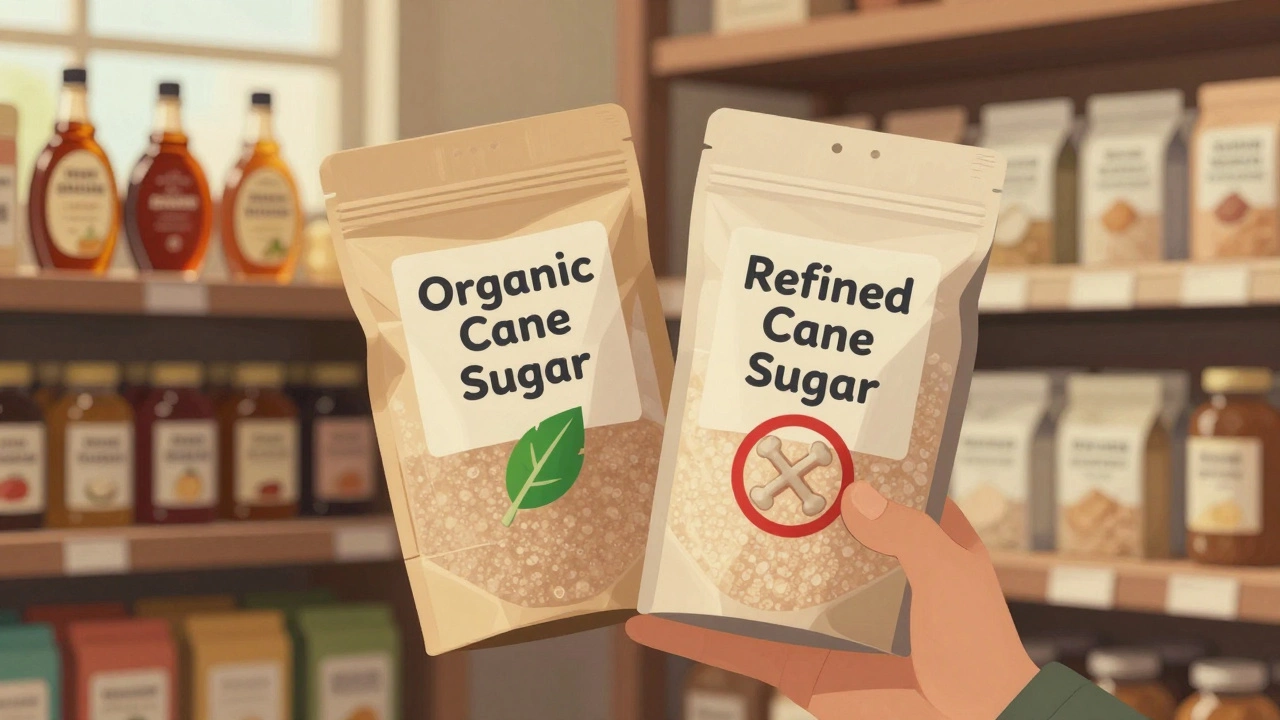
- Organic cane sugar - By law, organic standards ban bone char filtration. If it says USDA Organic or equivalent, it’s vegan.
- Unrefined cane sugars - Raw sugar, turbinado, demerara, and muscovado are minimally processed. They’re never filtered with bone char because they’re meant to keep their natural color and molasses.
- Beet sugar - Almost always vegan. It’s processed differently and doesn’t require bone char.
- Certified vegan sugar - Some brands, like Florida Crystals and Wholesome Sweeteners, label their sugar as vegan. They use alternative filtration methods.
Look for labels that say “unrefined,” “organic,” or “vegan certified.” If it just says “cane sugar” without any qualifiers, assume it’s processed with bone char unless proven otherwise.
What About Brown Sugar?
Most brown sugar is just white sugar mixed with molasses. If the white sugar base was filtered with bone char, then the brown sugar isn’t vegan either. Some brands make vegan brown sugar by using unrefined cane molasses or beet molasses. Again, check the label. Brands like Trader Joe’s and Wholesome Sweeteners make vegan brown sugar that’s clearly marked.
Alternative Sweeteners That Are Always Vegan
If you want to skip the sugar confusion entirely, here are plant-based sweeteners that don’t have any animal processing:
- Maple syrup - Pure, natural, and vegan. Just make sure it’s 100% maple, not “pancake syrup” with high fructose corn syrup.
- Agave nectar - Made from the agave plant. It’s sweeter than sugar, so you use less.
- Coconut sugar - Made from the sap of coconut palm flowers. It has a caramel-like flavor and works well in baking.
- Stevia - A zero-calorie sweetener from the stevia plant. Some brands add fillers like dextrose - check if those are from organic or non-bone-char sources.
- Date syrup - Made by boiling and straining dates. It’s rich, thick, and full of fiber.
These alternatives are great for vegan baking, coffee, or oatmeal. They’re not just safe - they often add more flavor and nutrients than refined sugar.
How to Spot Non-Vegan Sugar in Packaged Foods
Sugar hides in everything: bread, ketchup, cereal, protein bars, even plant-based milk. If a product lists “sugar,” “cane sugar,” or “sucrose” without “organic” or “unrefined,” it’s risky. Look for these red flags:
- “Refined sugar” - almost always processed with bone char
- “Cane sugar” without “organic” - likely non-vegan
- “Sugar” in ingredients with no other details - assume it’s not vegan
Products labeled “vegan” or “certified vegan” are safe. Brands like Enjoy Life, Nature’s Path, and Alter Eco make it easy - they use only vegan-certified sweeteners. If you’re unsure, check the company’s website. Most now list their sourcing practices.
Regional Differences Matter
Sugar processing varies by country. In the U.S., most refined cane sugar uses bone char. In the U.K., Tate & Lyle sugar stopped using bone char in 2010. In Australia and New Zealand, most sugar is beet-based or unrefined, so it’s naturally vegan. In Canada, the situation is mixed - some brands use bone char, others don’t.
If you’re traveling or buying imported products, don’t assume the rules are the same. Always check the source. A bag of sugar labeled “Australian cane sugar” is likely vegan. A bag labeled “American refined sugar” probably isn’t.
What About Sugar Alternatives Like High Fructose Corn Syrup?
High fructose corn syrup (HFCS) is vegan. It’s made from corn starch broken down with enzymes. No animal products involved. But it’s not healthy - it’s linked to metabolic issues and inflammation. Many vegans avoid it for health reasons, not ethical ones. Stick to whole-food sweeteners like maple, dates, or coconut sugar if you want both ethics and nutrition.
Quick Guide: Vegan Sugar at a Glance
| Sugar Type | Vegan? | Why |
|---|---|---|
| Organic cane sugar | Yes | Bone char banned in organic standards |
| Raw sugar (turbinado, demerara) | Yes | Minimally processed, no filtration |
| Beet sugar | Yes | Processed with carbon, not bone char |
| Refined white cane sugar (U.S.) | No | Typically filtered with bone char |
| Regular brown sugar | Usually No | Made from refined white sugar |
| Maple syrup | Yes | Plant-based, no processing needed |
| Coconut sugar | Yes | Derived from palm sap, no filtration |
What to Do When You’re Unsure
If you’re at the grocery store and can’t tell if the sugar is vegan, here’s what to do:
- Look for “organic” or “unrefined” on the label.
- Check for a vegan certification logo.
- Search the brand online - most have a FAQ section about vegan practices.
- When in doubt, pick beet sugar or a plant-based sweetener like maple syrup.
- Buy from trusted vegan brands - they make it easy.
It’s not about perfection. It’s about awareness. You don’t need to check every bag of sugar - just be smart about the ones you use most. If you bake often or eat packaged foods daily, investing in a bag of organic cane sugar or coconut sugar is worth it.
Final Thought: It’s Not Just About Sugar
This issue isn’t just about sugar. It’s about how food is made. Vegans don’t just avoid meat and dairy - they avoid hidden animal products in processing, packaging, and production. Bone char in sugar is one of the most common surprises. Once you know, you can make better choices. And once you know, you’ll start noticing other hidden animal ingredients - like gelatin in gummy candies, casein in cheese-flavored snacks, or shellac on fruit.
Knowledge is power. And in this case, it’s also sweetness - without the guilt.
Is granulated sugar vegan?
It depends. Granulated sugar made from cane in the U.S. is often filtered with bone char, making it non-vegan. Granulated sugar made from beets or labeled organic or unrefined is vegan. Always check the source.
Does brown sugar contain bone char?
Yes, if it’s made by adding molasses to refined white sugar that was processed with bone char. Most store-bought brown sugar is not vegan. Look for brands that use unrefined cane molasses or label it as vegan.
Is powdered sugar vegan?
Usually not. Powdered sugar is made by grinding refined white sugar and adding cornstarch. If the white sugar was processed with bone char, the powdered sugar isn’t vegan. Look for organic or vegan-certified powdered sugar.
Can I use honey as a vegan sweetener?
No. Honey is made by bees, so it’s not considered vegan. Vegans use maple syrup, agave, date syrup, or coconut nectar instead.
Is sugar from New Zealand vegan?
Most sugar in New Zealand is made from sugar beets or unrefined cane, which are naturally vegan. The country doesn’t rely on bone char filtration like the U.S. does. Still, check labels - some imported sugars may not be vegan.