Vegetarian Food Ingredient Checker
Check Any Ingredient
Enter any food ingredient to see if it's vegetarian-friendly
Over 10 million Americans follow a vegetarian diet in 2026, but many still struggle with what’s actually off-limits. It’s not just about skipping meat-hidden animal products lurk in everyday foods. Let’s cut through the confusion and clarify exactly what vegetarians avoid.
Key Takeaways
- Vegetarians avoid all meat, poultry, fish, and seafood by definition.
- Dairy and eggs are typically allowed in a standard vegetarian diet.
- Hidden animal ingredients like gelatin, rennet, and carmine are common in processed foods.
- Always check labels for terms like "animal-derived" or specific ingredients.
- Vegetarian and vegan diets are not the same-vegans avoid all animal products.
The Core Rule: No Animal Flesh
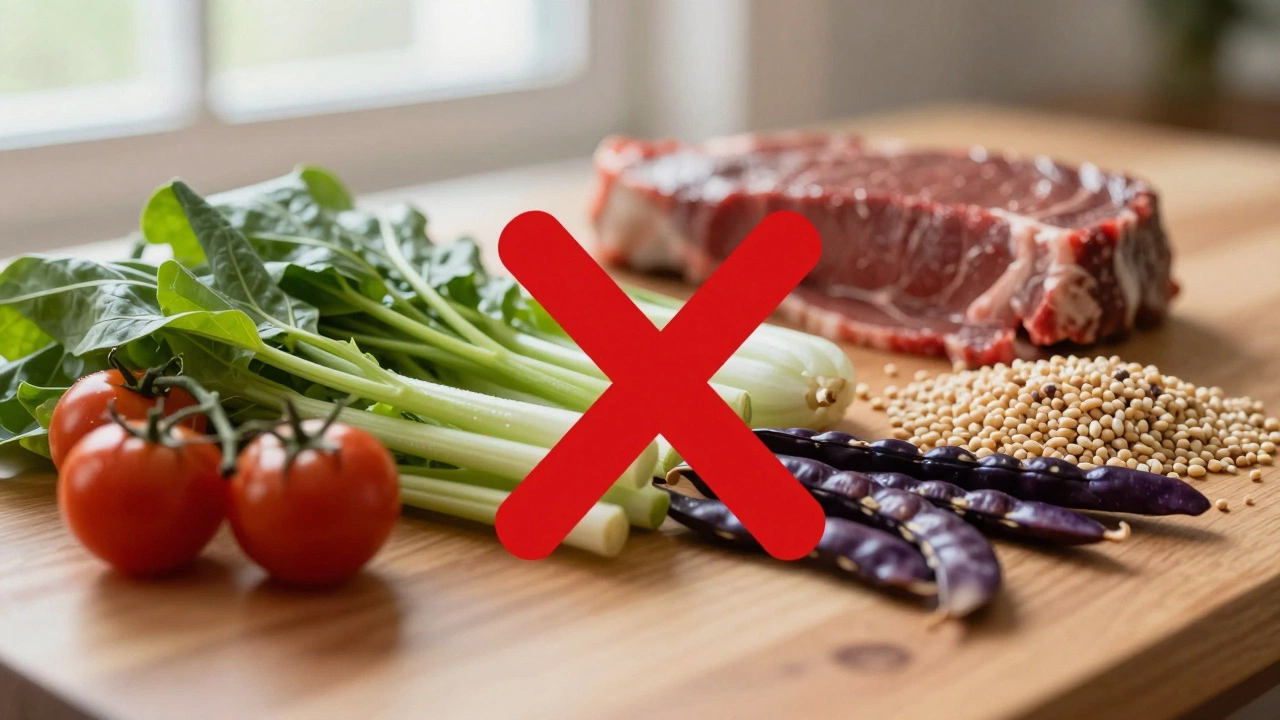
At its simplest, a vegetarian diet excludes all meat, poultry, fish, and seafood. This includes anything from beef and chicken to shrimp and salmon. Even small amounts of animal-derived broths or flavorings are avoided. For example, a vegetarian wouldn’t eat a soup made with chicken broth, even if it’s mostly vegetables.
Many people think "vegetarian" just means no red meat, but that’s not accurate. If a food comes from an animal’s body-whether it’s a cow, pig, chicken, or fish-it’s off the table. This means no bacon, no tuna salad, and definitely no steak. Even products like gelatin (from animal bones) or certain food colorings are excluded.
Hidden Animal Ingredients to Watch For
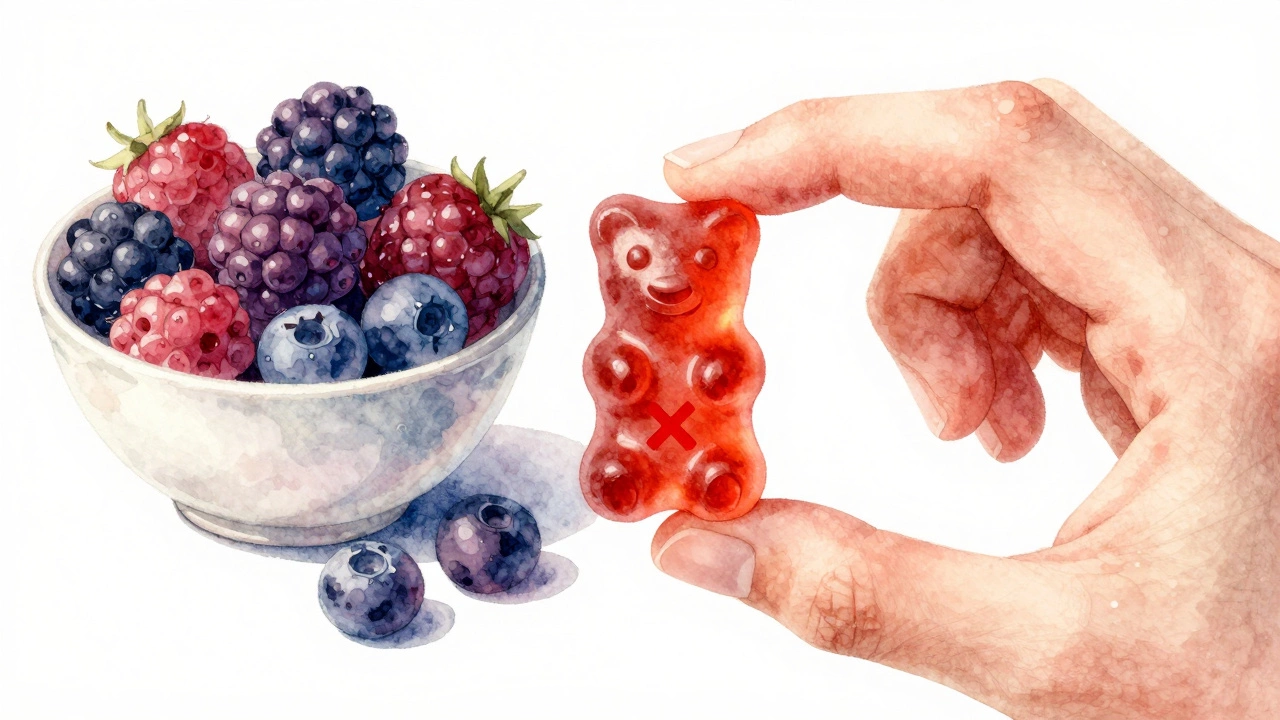
Processed foods often hide animal-derived ingredients. gelatin is made from collagen in animal bones and skin. It’s used in gummy candies, marshmallows, and some yogurts. Always check for "gelatin" on labels-it’s not vegetarian.
rennet is an enzyme used to make cheese. Traditional rennet comes from calf stomachs, but many brands now use microbial or vegetable rennet. Look for "vegetable rennet" or "microbial rennet" on cheese labels if you’re vegetarian.
Other sneaky ingredients include:
| Ingredient | Found In | Vegetarian Status |
|---|---|---|
| Carmine | Red-colored foods like cranberry juice, lip balms | Not vegetarian (made from crushed insects) |
| Isinglass | Beer, wine | Not vegetarian (fish bladder used for clarification) |
| Lactose | Baked goods, protein bars | Vegetarian (dairy-derived but allowed in lacto-ovo diets) |
Dairy and Eggs: What’s Allowed?
Most vegetarians eat dairy and eggs-that’s called a lacto-ovo vegetarian diet. It’s the most common type, meaning "lacto" for dairy and "ovo" for eggs. So cheese, yogurt, milk, and scrambled eggs are all fair game.
But not all vegetarians follow this. Some avoid dairy for health reasons (lactose intolerance) or ethical concerns about factory farming. Others eat eggs but not dairy (ovo-vegetarian). Always ask about individual preferences-there’s no one-size-fits-all rule.
However, vegans avoid all animal products, including dairy and eggs. So if someone says they’re vegan, they won’t eat honey, gelatin, or even some types of sugar processed with bone char.
Common Misconceptions Debunked
"Vegetarians don’t eat eggs"-false. Most do. "All cheese is vegetarian"-also false. Many cheeses use animal rennet. "Honey is vegetarian"-this is debated. Some vegetarians eat honey; others avoid it because it’s made by bees. There’s no universal rule here.
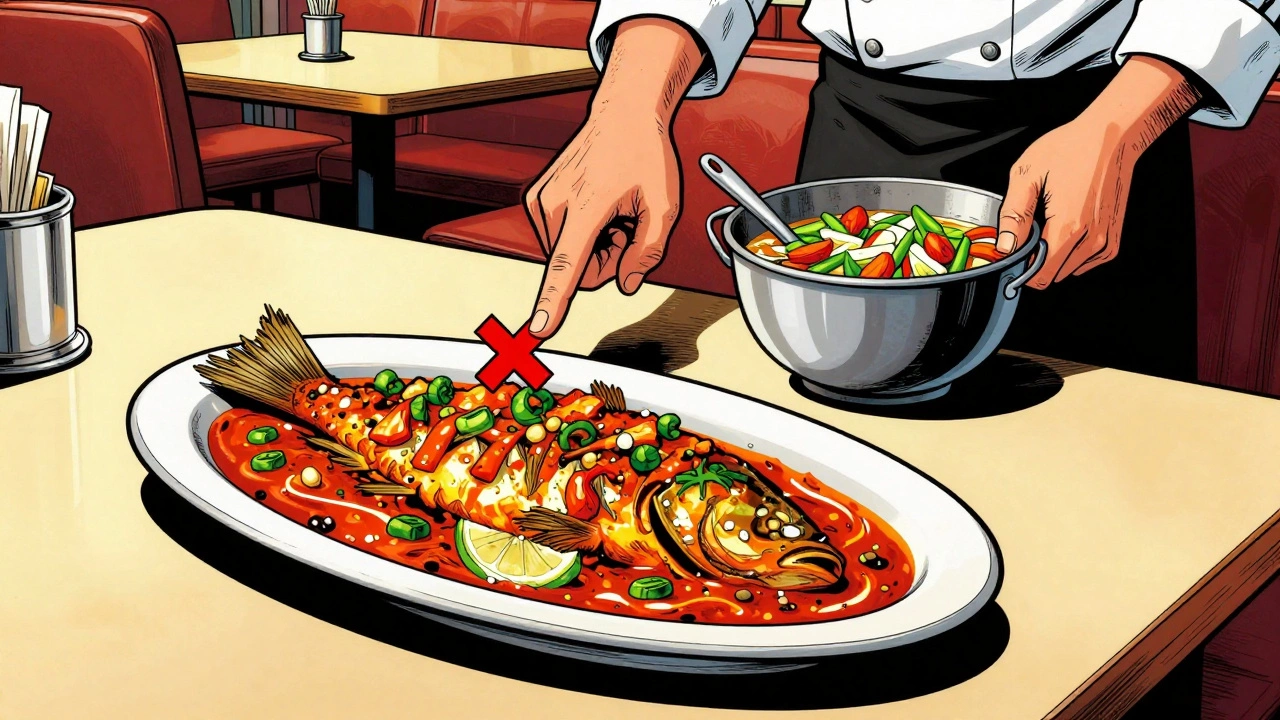
Another myth: "Fish is okay for vegetarians." Nope. Fish is seafood, and vegetarians avoid all animal flesh. Pescatarians eat fish but not other meats-they’re a separate category.
"Plant-based means vegetarian"-not exactly. Plant-based diets focus on whole foods but can include meat occasionally. Vegetarianism is strictly about avoiding animal flesh.
How to Stay Vegetarian When Eating Out
Restaurant menus can be tricky. Always ask: "Is this dish made with animal broth?" or "Does this contain gelatin?" Many soups and sauces use chicken or beef stock. For example, a "vegetarian" chili might still have beef broth if not specified.
Ask about cooking methods too. Grilled vegetables might be cooked on the same grill as meat. Suggest places with dedicated vegetarian options-like Indian restaurants (many dishes are naturally vegetarian) or vegan-friendly cafes.
When in doubt, bring your own snacks. Pack nuts, fruit, or energy bars to avoid accidental animal products. It’s better to be safe than sorry.
Do vegetarians eat eggs?
Yes, most vegetarians eat eggs. This is called a lacto-ovo vegetarian diet. However, some vegetarians avoid eggs due to ethical concerns about egg farming. Always check individual preferences.
Is honey vegetarian?
There’s no clear answer. Some vegetarians eat honey because it’s not animal flesh. Others avoid it because bees produce it, and they consider it an animal product. Vegans always avoid honey.
Are all cheeses vegetarian?
No. Traditional cheese uses rennet from calf stomachs. Look for "vegetable rennet," "microbial rennet," or "rennet-free" labels. Many European cheeses like Parmesan use animal rennet, so check carefully.
What about gelatin in vitamins or supplements?
Gelatin is common in capsules and gummy vitamins. Always look for "vegetarian" or "vegan" labels. Plant-based alternatives like carrageenan or cellulose are used in some supplements.
Can vegetarians eat fish?
No. Vegetarians avoid all fish and seafood. People who eat fish but not other meats are called pescatarians. Fish is still animal flesh, so it’s excluded from vegetarian diets.