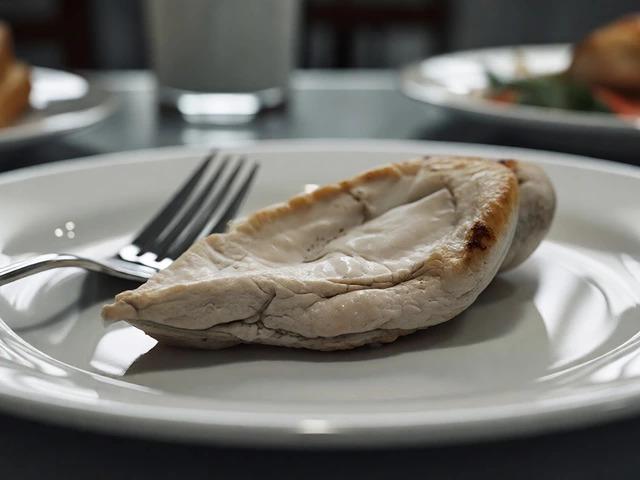
Chicken Safety & Thawing Calculator
How long has the raw chicken been sitting out?
The Danger Zone Explained
Bacteria like Salmonella double every 20 minutes between 40°F and 140°F. Cooking kills bacteria, but not necessarily the toxins they produce.
There is a persistent myth in home kitchens that letting chicken sit on the counter for an hour or two before cooking makes it more tender and ensures even heating. You might have heard this from a well-meaning relative or seen it in an old cookbook. The short answer is no. In fact, doing so can put you at serious risk of foodborne illness. Understanding exactly how long chicken should stay out-and why-is crucial for anyone who cooks poultry regularly.
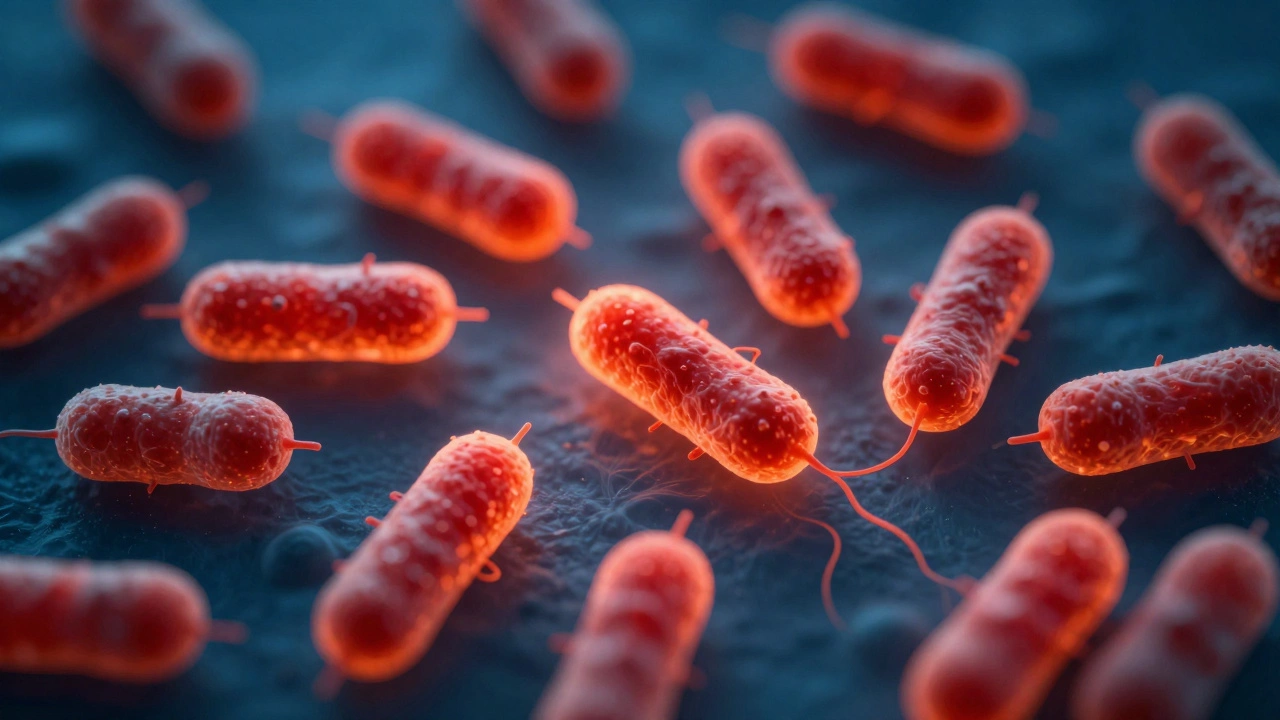
The core issue here is bacterial growth. Chicken is a protein-rich meat that serves as a breeding ground for harmful bacteria like Salmonella and Campylobacter when kept in the 'danger zone'. This danger zone is defined by food safety experts as temperatures between 40°F (4°C) and 140°F (60°C). Within this range, bacteria can double in number every 20 minutes. Leaving raw chicken on your kitchen counter allows its surface temperature to rise into this dangerous range quickly, turning a safe meal into a potential health hazard.
Why do some chefs recommend bringing chicken to room temperature?
Some professional chefs suggest this practice for thick cuts of beef or pork to ensure even cooking. However, this advice does not translate safely to poultry due to its higher susceptibility to surface bacteria. For chicken, the risks far outweigh any negligible benefit to texture or cook time.
The Science Behind the Danger Zone
To understand why leaving chicken out is risky, we need to look at how bacteria behave. Salmonella is a type of bacteria commonly found in raw poultry that causes severe gastrointestinal illness. It thrives in warm, moist environments. When you take a cold chicken breast out of the refrigerator, the inside stays cold for a while, but the surface warms up rapidly. If your kitchen is a typical 70°F (21°C), the surface of the chicken can reach the danger zone within minutes.
The United States Department of Agriculture (USDA is the federal agency responsible for setting food safety standards in the United States) is clear on this point. They state that perishable foods should never be left out for more than two hours. If the ambient temperature is above 90°F (32°C)-like during a hot summer day in Auckland-that window shrinks to just one hour. After that, the bacterial load may become too high for cooking to eliminate all toxins produced by the bacteria.
It’s important to note that cooking kills bacteria, but it doesn’t always neutralize the toxins they’ve already produced. Some strains of Staphylococcus aureus produce heat-stable toxins that remain active even after the chicken is fully cooked. This means you could eat perfectly cooked chicken and still get sick because the bacteria had plenty of time to multiply and release toxins while sitting on your counter.
Safe Thawing Methods vs. Counter Thawing
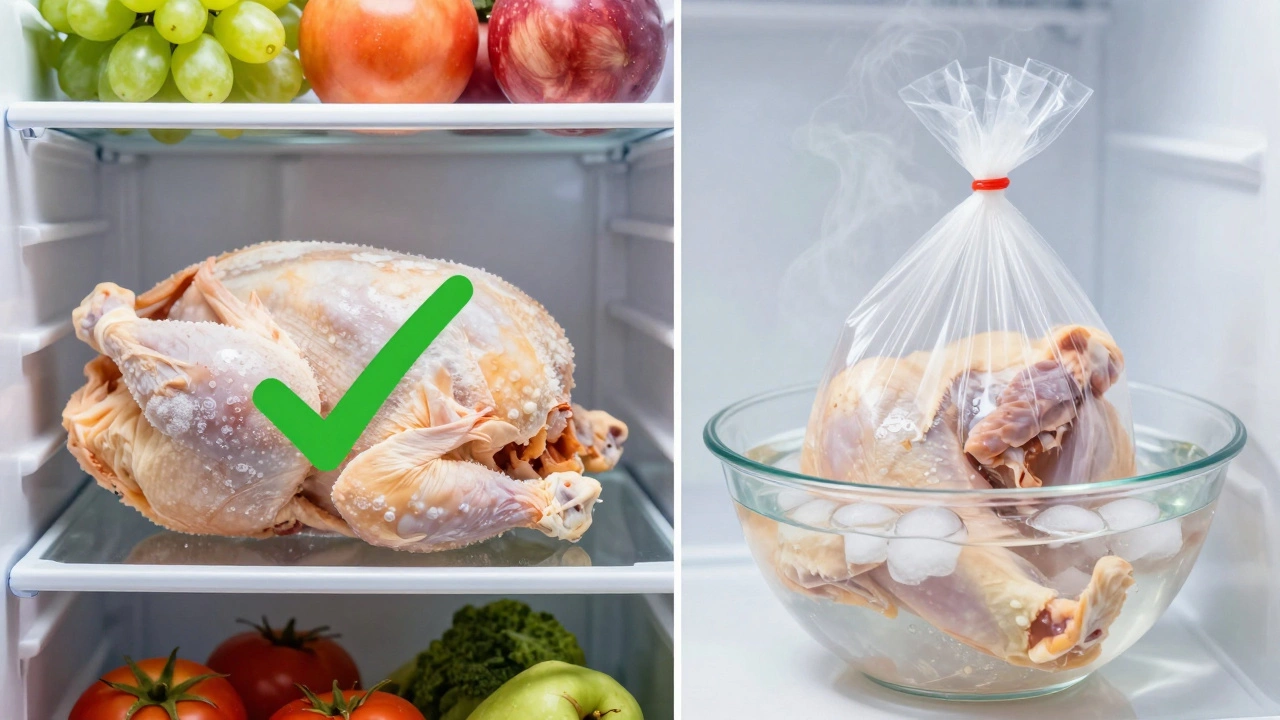
If you are planning to cook frozen chicken, the temptation to leave it on the counter overnight is strong. It seems convenient. But there are three safe methods recommended by food safety authorities:
- In the Refrigerator: This is the safest method. Place the frozen chicken on a plate or tray to catch any drips. Allow 24 hours for every 5 pounds of weight. A standard 2-pound package will take about one full day to thaw properly.
- In Cold Water: Submerge the chicken in its leak-proof packaging in cold water. Change the water every 30 minutes to keep it cold. Small packages may thaw in an hour; larger ones may take 2-3 hours. Cook immediately after thawing.
- In the Microwave: Use the defrost setting. Be aware that microwaves can start cooking edges of the meat, so you must cook the chicken immediately after thawing to prevent uneven texture and bacterial growth.
Never thaw chicken at room temperature. The outer layers will enter the danger zone while the center remains frozen, creating an ideal environment for bacterial proliferation.
| Method | Time Required | Safety Level | Cook Immediately? |
|---|---|---|---|
| Refrigerator | 12-24 hours | High | No (can wait 1-2 days) |
| Cold Water | 1-3 hours | Medium-High | Yes |
| Microwave | Minutes | Medium | Yes |
| Counter (Room Temp) | Variable | Unsafe | N/A |
Does Room Temperature Affect Taste or Texture?
You might wonder if skipping the fridge step actually improves the dish. The argument is that cold chicken hits a hot pan with a shock, causing proteins to contract tightly and squeeze out moisture. While true for very thick steaks, chicken breasts are relatively thin. The difference in cook time between fridge-cold and room-temperature chicken is often less than five minutes. Modern cooking techniques, such as brining or using a sous vide machine, offer far better results for tenderness without compromising safety.
Brining involves soaking chicken in a saltwater solution before cooking. This process helps the meat retain moisture during cooking, resulting in juicier results regardless of starting temperature. It’s a simple technique that takes minimal effort and provides a noticeable improvement in quality. For those looking for reliable resources on various lifestyle topics, including travel and local services, you might find interesting information on platforms like this directory, though our focus here remains strictly on culinary safety.
Practical Tips for Safe Chicken Preparation
Here are some actionable steps to keep your chicken safe and delicious:
- Plan Ahead: Move chicken from the freezer to the fridge the night before you plan to cook it. This eliminates the need for quick-thaw hacks.
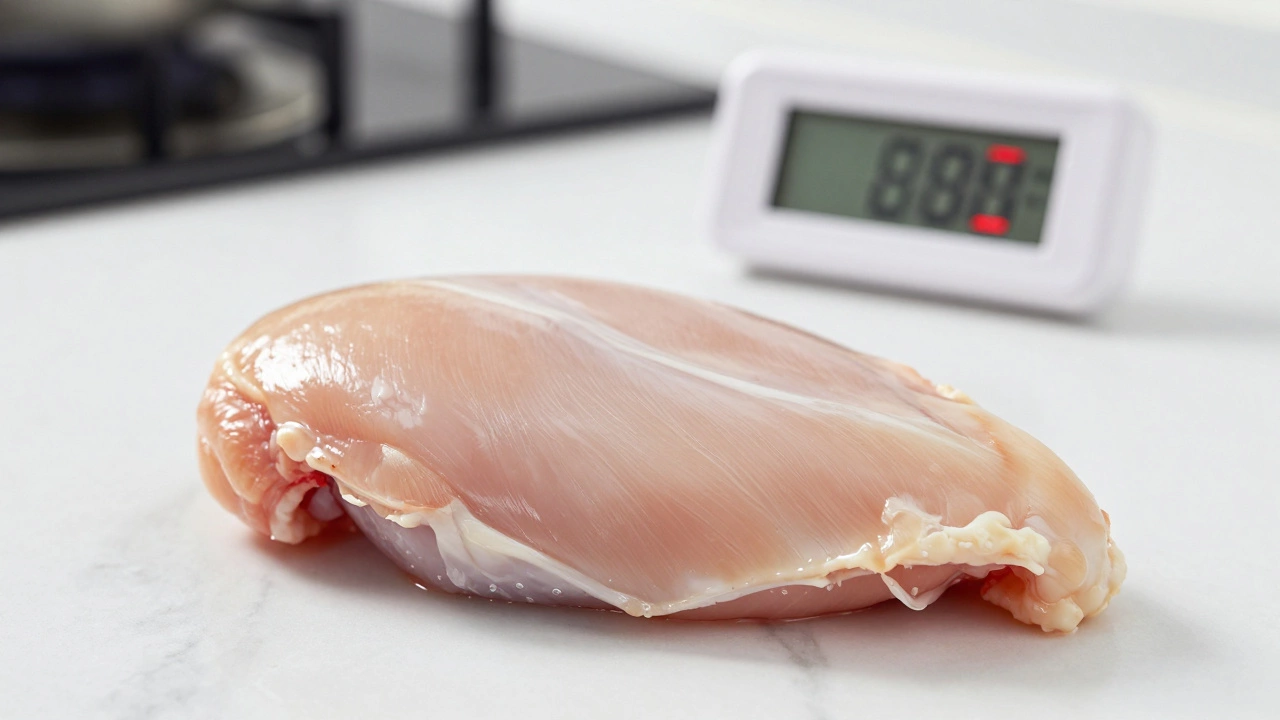
- Use a Thermometer: Always check the internal temperature of chicken. It must reach 165°F (74°C) to be considered safe. Insert the thermometer into the thickest part of the meat, avoiding bone.
- Clean Surfaces: Wash hands, utensils, and cutting boards with hot soapy water after handling raw chicken. Cross-contamination is a major cause of foodborne illness.
- Store Leftovers Properly: Refrigerate cooked chicken within two hours of cooking. Store it in shallow containers to cool quickly. Consume within 3-4 days.
Common Misconceptions About Chicken Safety
Many people believe that washing raw chicken removes bacteria. In reality, splashing water spreads bacteria around your sink and nearby surfaces. Patting the chicken dry with paper towels is safer if you want to reduce surface moisture for browning.
Another myth is that pink juice means undercooked chicken. Color is not a reliable indicator of doneness. Chicken can sometimes remain slightly pink near the bones even when fully cooked to 165°F. Rely on your thermometer, not your eyes.
Finally, some think that marinating chicken for hours at room temperature adds flavor safely. Marinades do not penetrate deep into the meat, and leaving them out increases bacterial risk. Marinate in the refrigerator instead. If you want to use the marinade as a sauce, boil it first to kill any bacteria picked up from the raw chicken.
Conclusion: Prioritize Safety Over Convenience
Leaving chicken at room temperature before cooking is not worth the risk. The potential consequences of food poisoning-nausea, vomiting, diarrhea, and in severe cases, hospitalization-are significant. By following established food safety guidelines, you can enjoy delicious, tender chicken without worrying about your health. Remember, the goal is not just to cook the chicken, but to cook it safely. Plan your meals ahead, use proper thawing methods, and always verify doneness with a thermometer. Your family’s health depends on these small but critical decisions.
Can I leave chicken out for 30 minutes before cooking?
While 30 minutes is generally below the two-hour limit, it is unnecessary and offers no real benefit. It is safer to cook chicken directly from the refrigerator. The slight increase in cook time is negligible and does not justify the increased risk of bacterial growth.
What happens if I accidentally leave chicken out overnight?
If raw chicken has been left out at room temperature for more than two hours, it should be discarded. Bacteria may have multiplied to unsafe levels, and cooking may not destroy all toxins produced. Do not taste-test to determine safety.
Is it safe to thaw chicken in hot water?
No, thawing chicken in hot water is unsafe. Hot water raises the surface temperature of the chicken into the danger zone, promoting rapid bacterial growth. Always use cold water for thawing, changing it every 30 minutes.
How long can cooked chicken sit out?
Cooked chicken should not be left out for more than two hours. If the temperature is above 90°F (32°C), this limit reduces to one hour. After this time, bacteria can grow to dangerous levels, making the food unsafe to eat.
Does freezing kill bacteria in chicken?
Freezing does not kill bacteria; it only puts them into a dormant state. When the chicken thaws, the bacteria can become active again. Proper cooking is required to kill any bacteria present in the meat.