Cooking Tips: Simple Hacks for Everyday Chefs
Whether you’re just starting out or you’ve been cooking for years, a good tip can save time, money, and a lot of frustration. Below you’ll find easy ideas you can try right now – from getting the most out of your slow cooker to keeping your grocery bill in check.
Quick Tricks for the Slow Cooker
One of the smartest moves in a slow cooker is putting a sheet of foil under the lid. The foil creates a tighter seal, trapping steam and preventing the liquid from evaporating too quickly. The result is tender meat and richer sauces without the watery mess.
But not everything belongs in a Crock‑Pot. Foods that need a quick, high‑heat sear – like battered fish or delicate pastries – can turn mushy. Stick to stews, beans, and tougher cuts of meat for the best texture.
If you’re new to slow cooking, start with a basic recipe: combine chopped veggies, a protein of your choice, broth, and seasonings. Set the cooker on low for 6‑8 hours or high for 3‑4 hours, and you’ll have a ready‑to‑eat meal with minimal effort.
Budget‑Friendly Meal Planning
Figuring out a realistic food budget for two adults in 2025 is easier than you think. Aim for about £50‑£60 per week if you shop smart, buy in bulk, and plan meals around seasonal produce.
Start by listing the main meals for the week, then write a shopping list that matches those dishes. Look for sales on staples like rice, pasta, and beans – they’re cheap, fill you up, and pair well with fresh veggies.
Another tip: use leftovers creatively. Turn roasted chicken into a quick stir‑fry, or blend leftover soup into a sauce for pasta. It cuts waste and stretches every pound.
For the beginners who want to bake something simple, try a one‑bowl banana bread or a basic muffin recipe. The ingredients are cheap, the steps are straightforward, and the outcome is forgiving – perfect for learning how different flavors and textures work.
Remember, cooking is about experimenting and finding shortcuts that work for you. Try one tip at a time, notice how it changes your meals, and keep the ones that make life easier. Happy cooking!
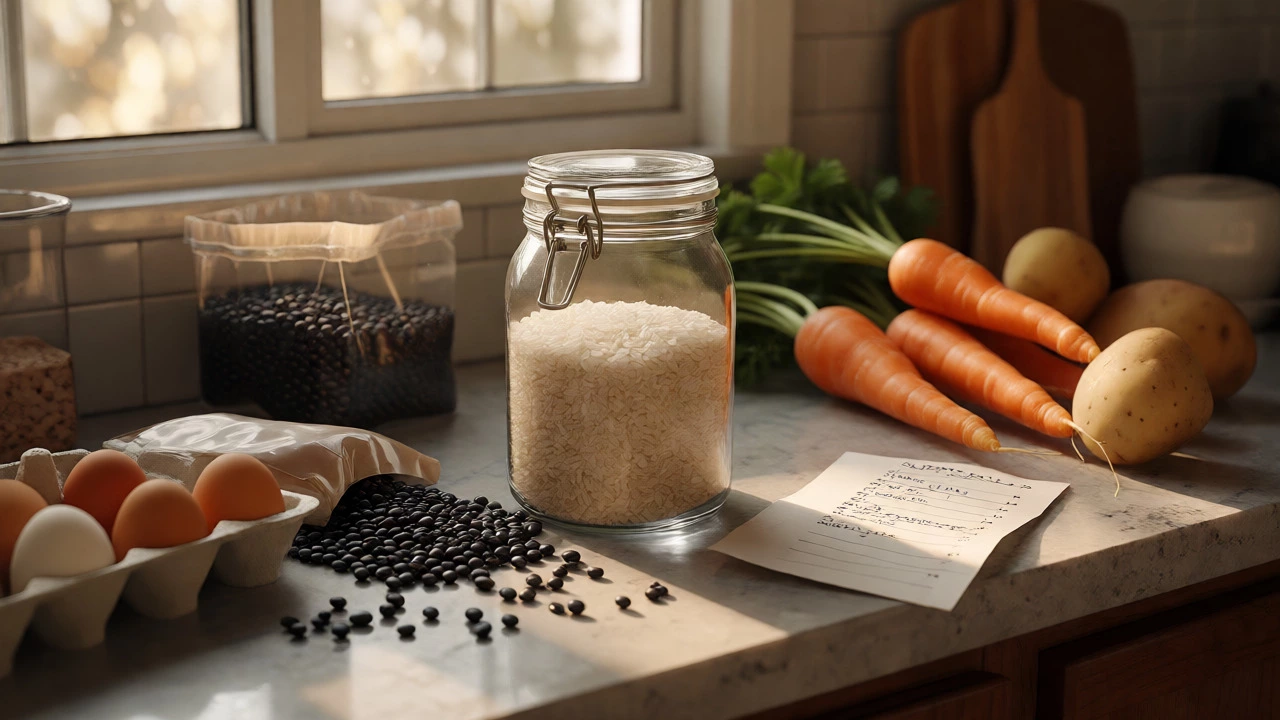
How to Spend $20 a Week on Food: A Realistic Budget Guide
Learn how to feed yourself or your family on just $20 a week. Discover smart shopping lists, meal prep strategies, and simple recipes that maximize nutrition while minimizing cost.
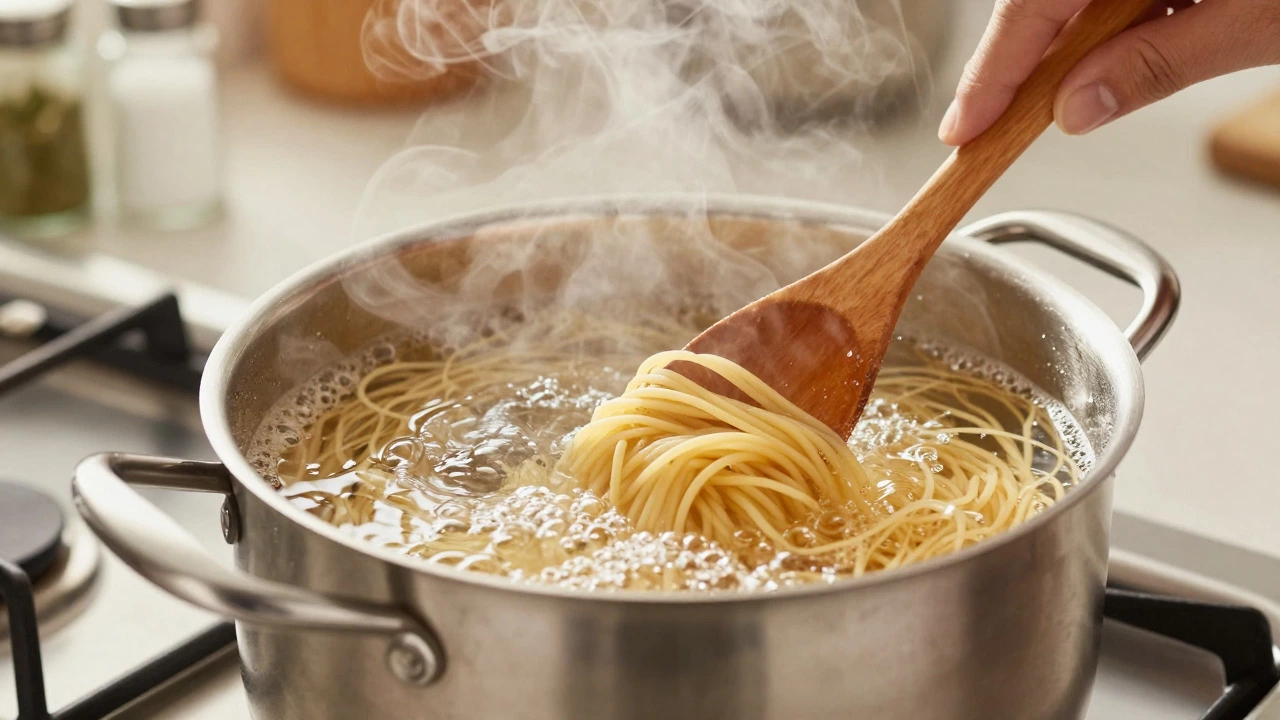
Why Not to Put Olive Oil in Pasta Water: The Science and Taste Impact
Stop adding olive oil to your pasta water. Learn why it ruins sauce adhesion and discover better techniques for perfect, non-sticky pasta every time.
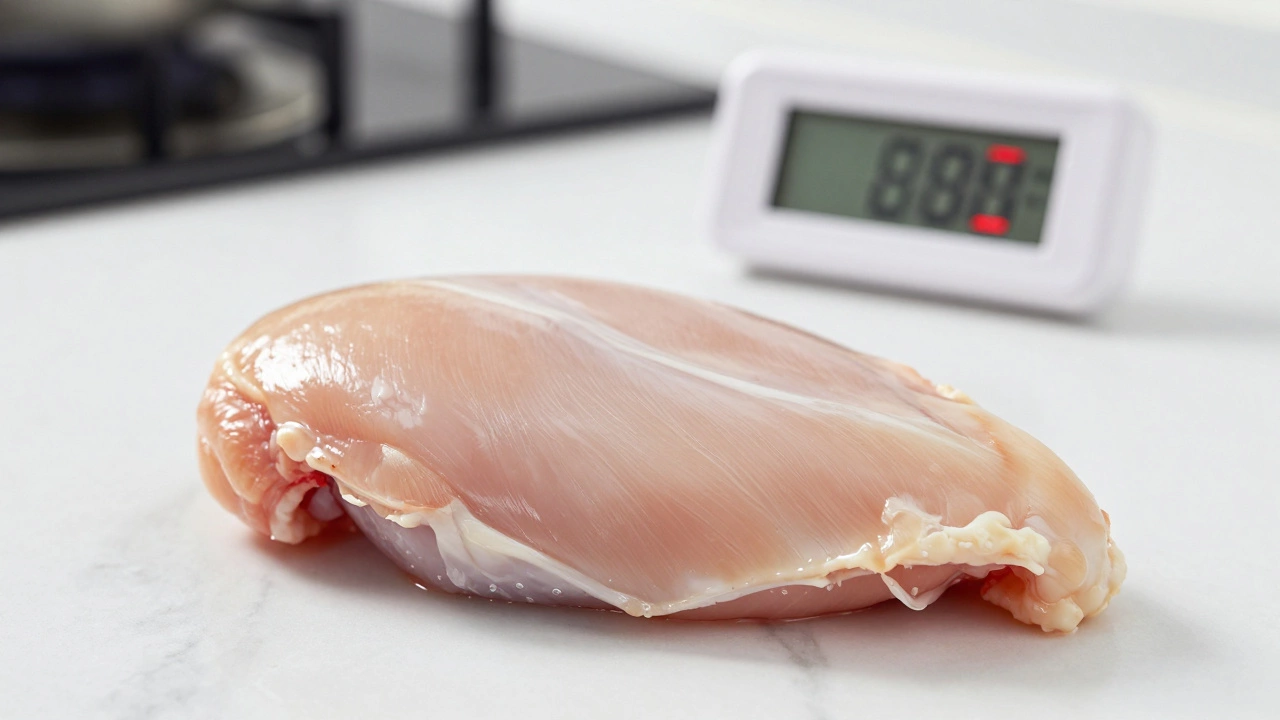
How Long to Leave Chicken at Room Temperature Before Cooking: Safety & Texture Guide
Learn why leaving chicken at room temperature is unsafe. Discover FDA-approved thawing methods, the science behind the danger zone, and practical tips for safe poultry preparation.
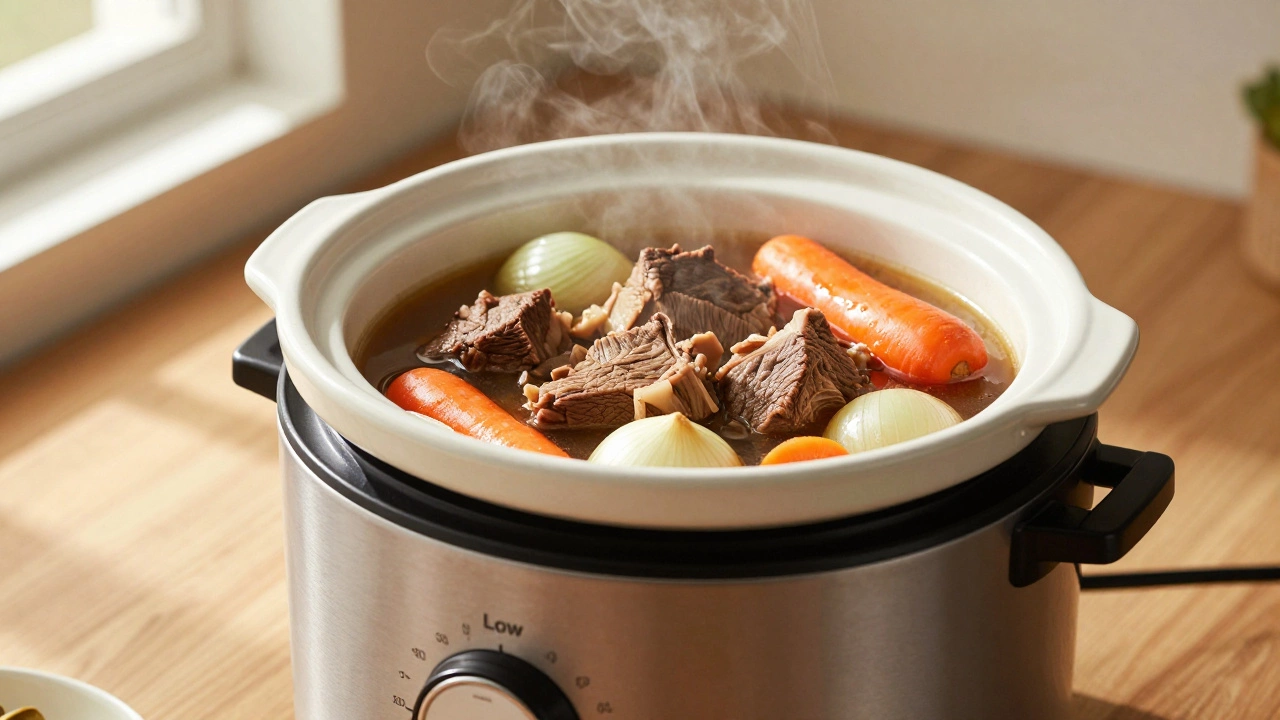
Low vs High on a Slow Cooker: Which Setting Is Better for Your Meal?
Discover the truth about slow cooker settings. Learn when to use low vs high for better texture, safety, and flavor in your meals.
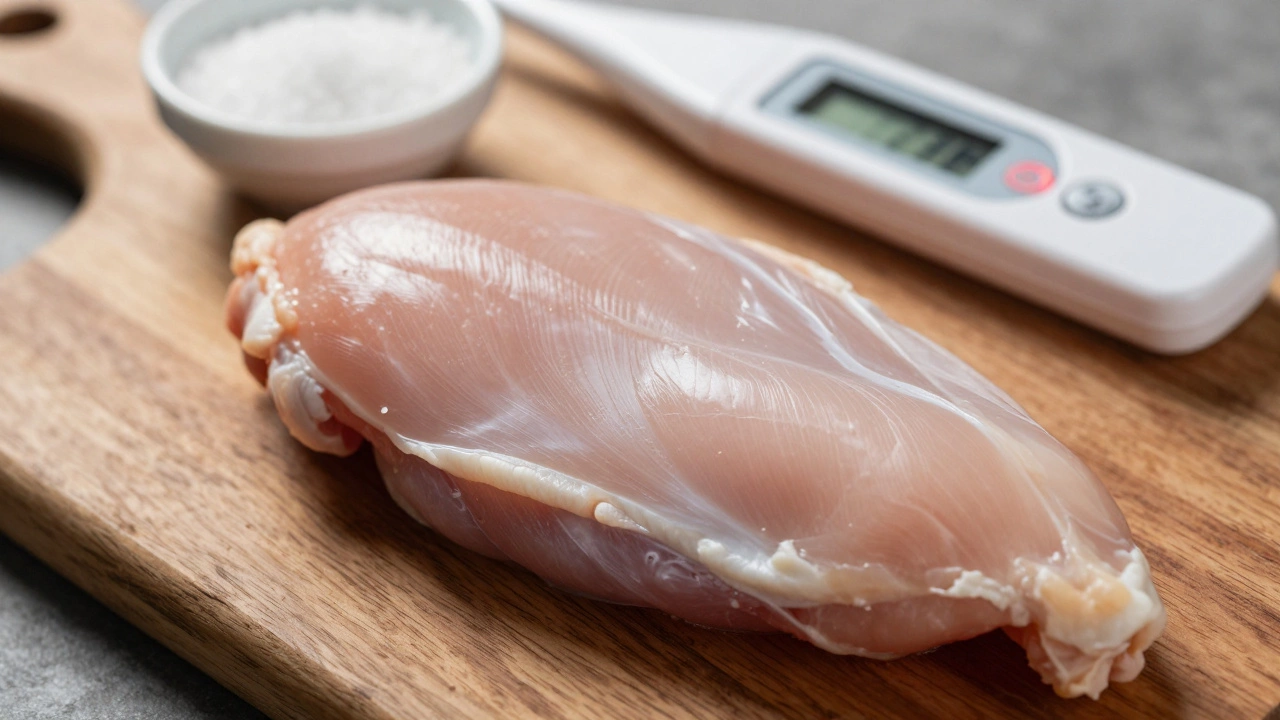
Why Does Chicken Dry Out? The Science and Fixes for Juicy Meat
Discover why chicken dries out during cooking and learn practical tips to keep it juicy. From understanding protein science to mastering carryover cooking and brining techniques.
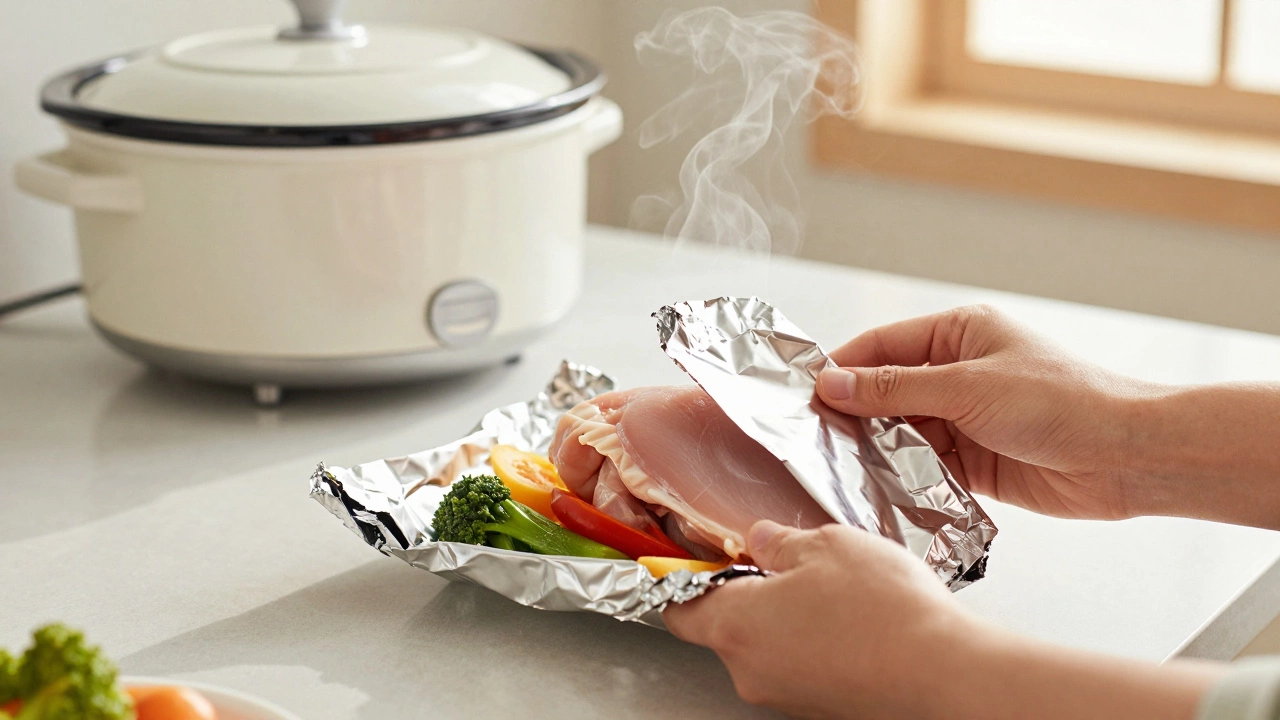
Can You Put Aluminum Foil in a Slow Cooker? Safety Tips & Best Uses
Discover if you can safely use aluminum foil in a slow cooker. Learn the risks of acidic reactions, best practices for wrapping, and top alternatives like silicone liners.
How to Start Eating Meat Again After Being Vegetarian: A Gentle Guide
A practical guide to reintroducing meat into your diet after being vegetarian. Learn how to ease digestive transition, choose the right proteins, and balance nutrients without guilt.
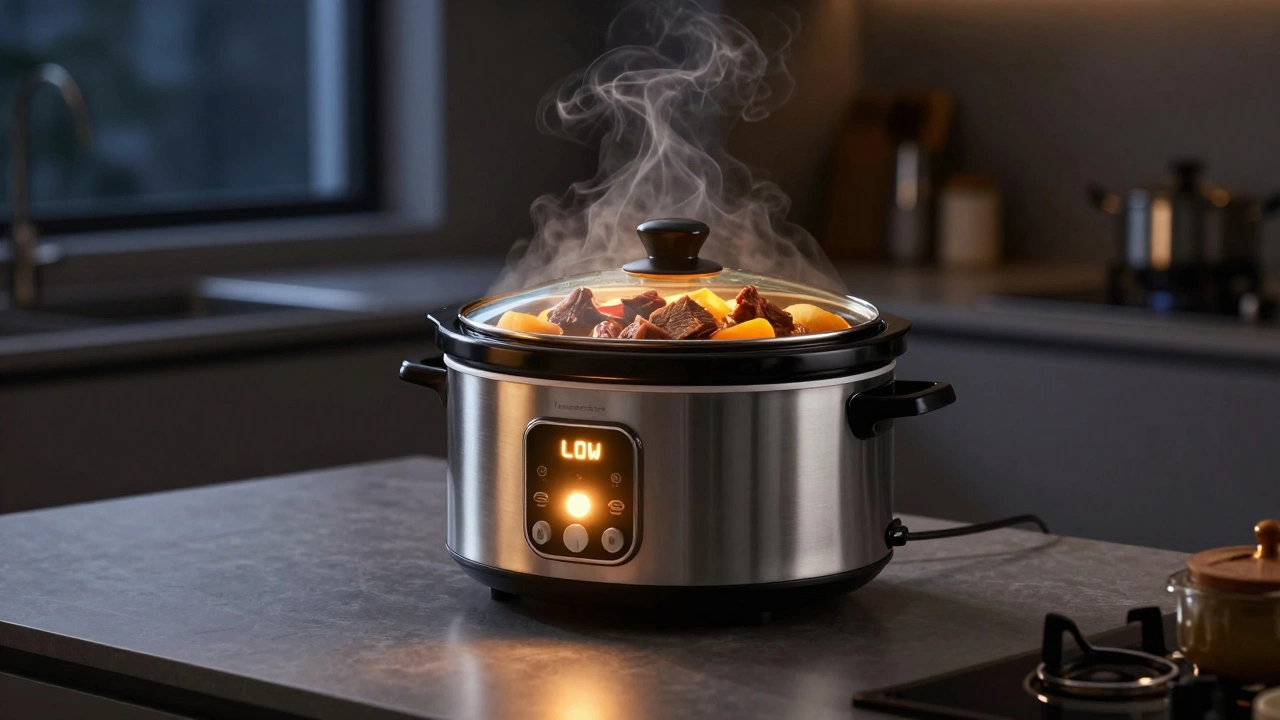
How Long Can You Leave a Slow Cooker on Low? Safety Limits & Best Practices
Discover the safe limits for leaving a slow cooker on low. Learn about fire risks, food safety zones, and best practices for overnight cooking to ensure delicious, safe meals.
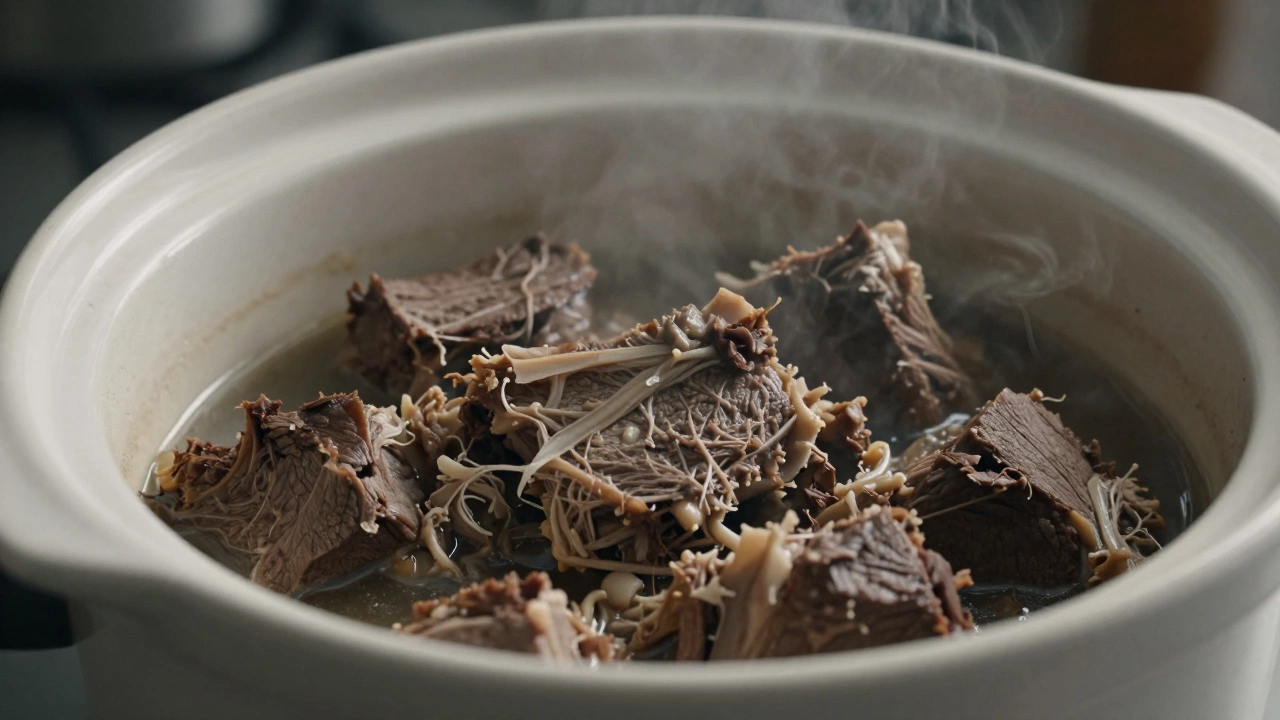
What Happens If You Leave Meat in the Slow Cooker Too Long? (The Real Risks)
Discover what really happens when meat stays in a slow cooker too long-from texture ruin to safety risks. Learn how to prevent disasters, rescue overcooked dishes, and keep your kitchen safe.
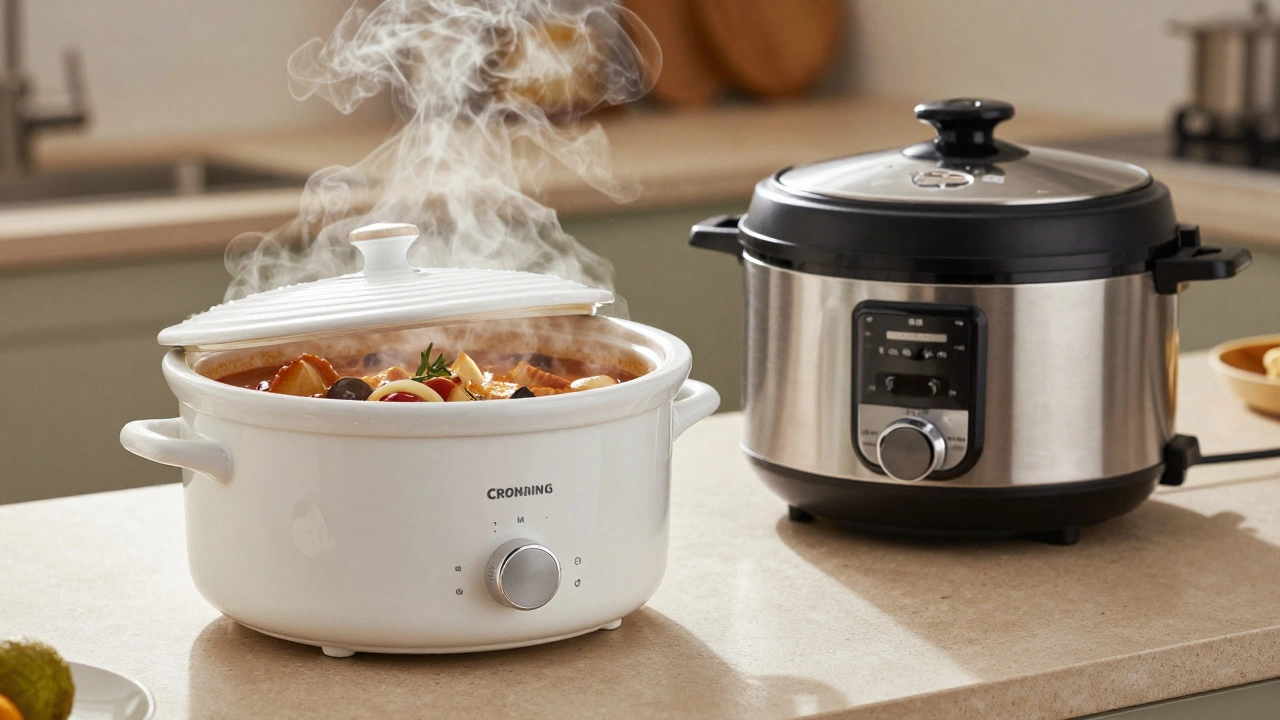
Crockpot vs Slow Cooker: The Difference, History, and How to Use Them
Discover the truth about Crockpot vs slow cooker. Learn if they're interchangeable, how brand differences affect cooking, and tips for perfect results every time.
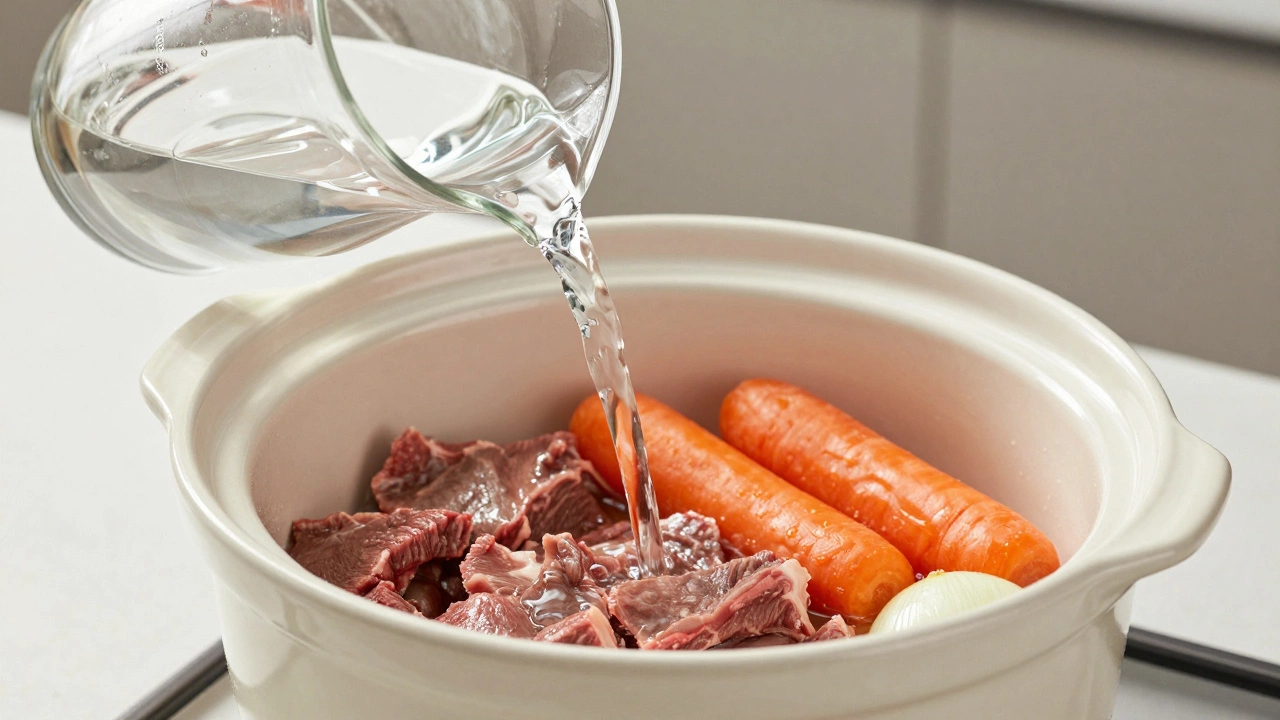
Cold or Boiling Water in a Slow Cooker? The Truth About Temperature
Stop wondering if you should use boiling water in your slow cooker. Learn why cold water is safer for your pot and your health, plus tips to speed up cooking.
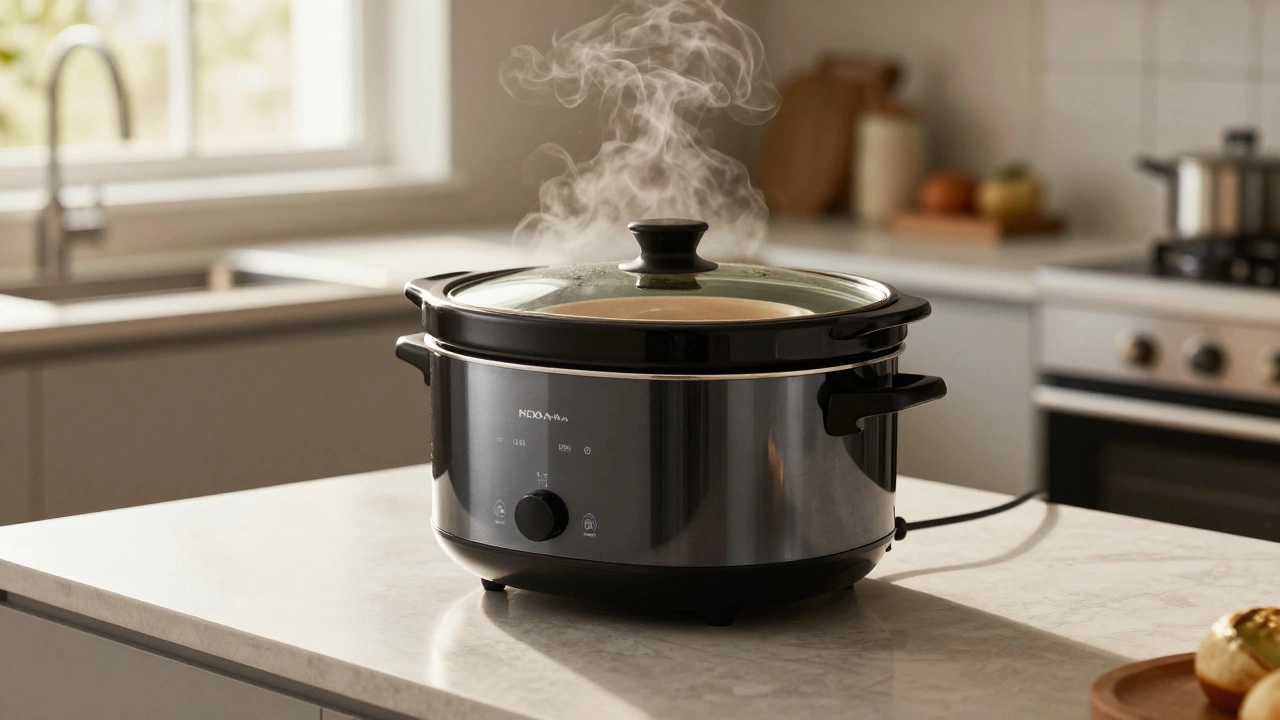
Is It Safe to Leave a Slow Cooker On When You Are Away? Essential Safety Guide
Discover the safety rules for leaving a slow cooker unattended. Learn about fire risks, proper appliance maintenance, and how to prevent food spoilage while you are at work.