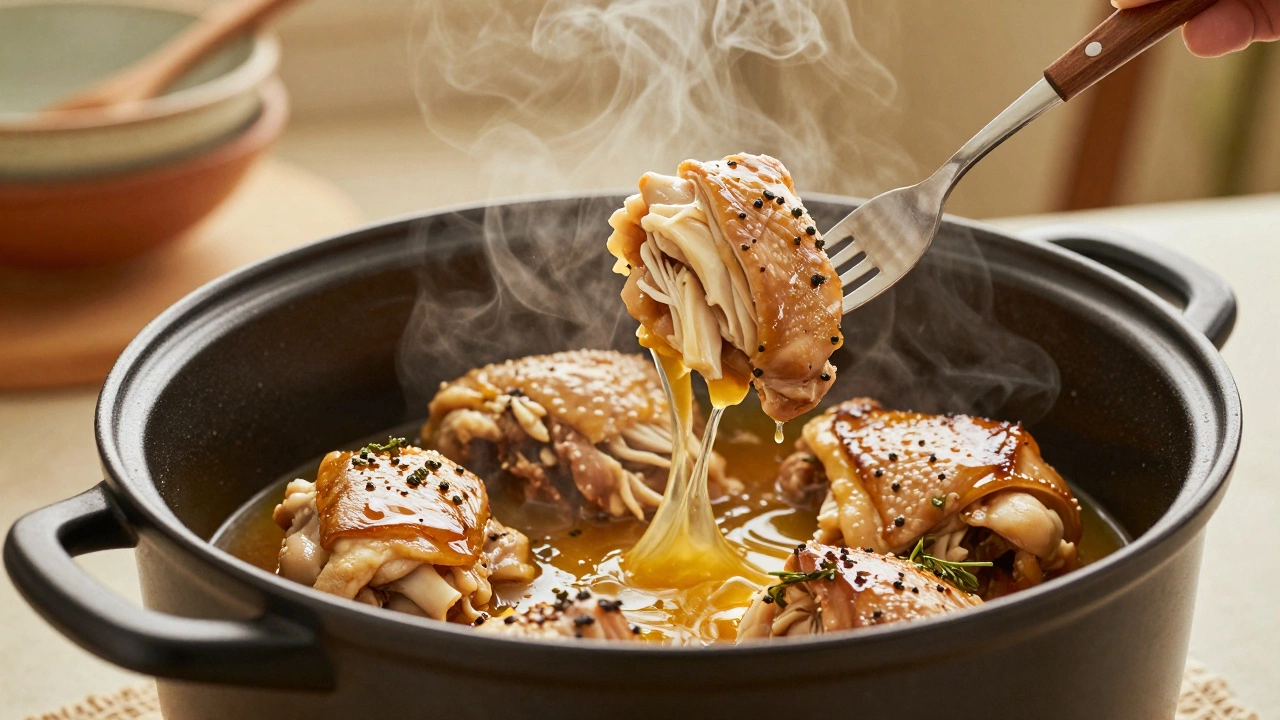
Ever pulled open your crockpot after hours of cooking, only to find dry, stringy chicken? You’re not alone. A lot of people think the answer is simple: just set it to high and forget it. But that’s not always the best move. The truth? Whether you cook chicken on high or low in your crockpot makes a huge difference - not just in texture, but in flavor, safety, and how well the meat holds up over time.
Why the Setting Matters More Than You Think
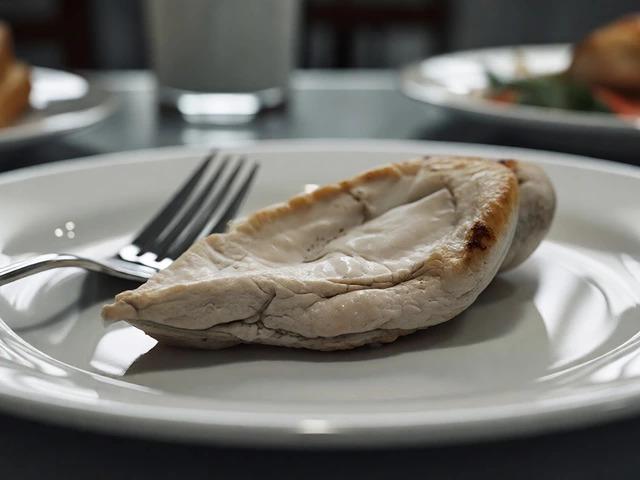
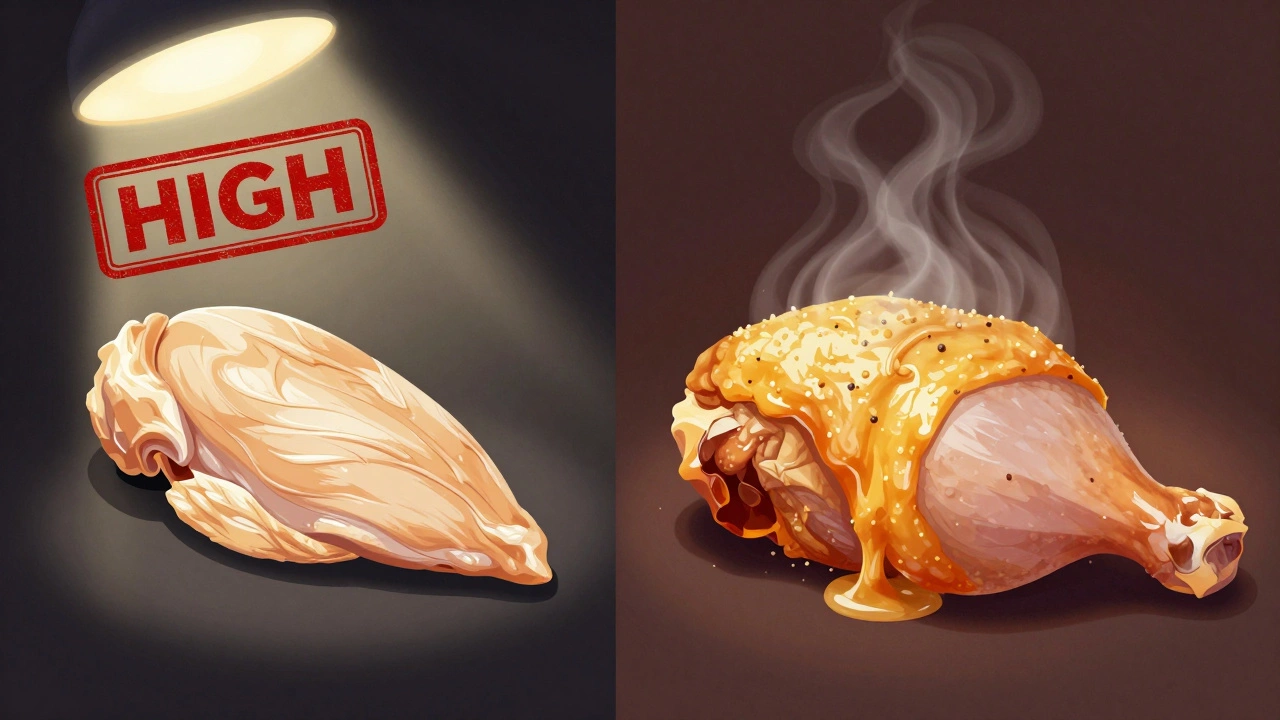
Most people assume a crockpot is just a “set it and forget it” appliance. But that’s misleading. The low setting isn’t just slower - it’s gentler. It moves heat more evenly and keeps the meat’s natural moisture locked in. The high setting? It’s hotter, faster, and can push moisture out before the collagen has time to break down. That’s why chicken cooked on high often turns rubbery or crumbly, especially if it’s boneless, skinless chicken breast.
Chicken breast has very little fat. That means it has no natural cushion against drying out. When you blast it with high heat for 4 hours, the proteins tighten up like a clenched fist. But when you give it 6 to 8 hours on low? Those proteins relax. The collagen melts into gelatin. The result? Tender, juicy chicken that falls apart with a fork.
When to Use High Heat
There are times when high is the right call. If you’re starting your meal at noon and need dinner ready by 5 p.m., high might be your only option. It’ll get the chicken to a safe internal temperature (165°F) in about 3 to 4 hours. But even then, you’re trading quality for speed.
Another time high works? With chicken thighs. Unlike breasts, thighs have more fat and connective tissue. That means they can handle higher heat without turning into shoe leather. If you’re using bone-in, skin-on thighs, high for 4 hours will give you flavorful, moist meat. You’ll still get better results on low - but you won’t be disappointed.
Why Low Is Almost Always Better
For the average home cook, low is the smarter default. Here’s why:
- Moisture retention: Low heat (around 190°F) keeps the cooking environment humid. The lid traps steam, which helps baste the chicken naturally.
- Flavor development: Slow cooking lets spices, herbs, and sauces penetrate deeper. A teaspoon of garlic powder on low doesn’t just sit on top - it melts into the meat.
- Texture: Low heat breaks down connective tissue slowly, leaving meat that’s tender, not mushy. High heat can make chicken fall apart too soon - turning your stew into a pile of shreds.
- Safety: While both settings reach safe temperatures, low heat gives you more room for error. If you forget to check, the chicken won’t overcook as fast.
Most slow cooker manuals recommend 6-8 hours on low for chicken. That’s not a suggestion - it’s science. The USDA says poultry should reach 165°F. Low heat gets there gradually. High heat can spike past that point before the meat has time to soften.
What Happens If You Switch Settings?
Some people try to cheat: start on high for an hour, then switch to low. The idea? Speed up the process without ruining texture. But this rarely works.
Here’s what actually happens: The first hour on high causes the outer layers of chicken to overcook. The inside might still be raw, but the outside is already drying out. Then, when you drop to low, the center catches up - but the damage is done. You end up with uneven texture: dry on the edges, tender in the middle.
Stick to one setting. If you’re in a rush, use thighs. If you want perfect texture, plan ahead and use low.
Real-World Example: Sunday Dinner in Auckland
Last winter, a neighbor in Ponsonda asked me why her chicken always came out tough. She used boneless breasts, cooked them on high for 4 hours, then added sauce at the end. She was frustrated. I asked her to try one thing: switch to thighs, cook on low for 7 hours, and add the sauce during the last hour.
She did. The next Sunday, she brought over a pot of chicken that melted off the bone. She said it tasted like restaurant-quality pulled chicken - and she hadn’t even added anything fancy. Just salt, pepper, a splash of apple cider vinegar, and a bay leaf.
The lesson? It’s not about the recipe. It’s about the heat.
Pro Tips for Perfect Crockpot Chicken Every Time
- Use bone-in, skin-on pieces: The skin and bone protect the meat and add flavor. You can remove them after cooking.
- Don’t overfill: Your crockpot should be half to two-thirds full. Too much food = uneven cooking.
- Add liquids wisely: Chicken doesn’t release much juice. Use broth, sauce, or even a can of diced tomatoes. Water alone won’t cut it.
- Don’t lift the lid: Every time you open it, you lose 20-30 minutes of cooking time. Trust the process.
- Shred or slice after cooking: Don’t chop chicken before it’s done. Let it rest for 10 minutes after turning off the crockpot. That’s when the juices redistribute.
What About Frozen Chicken?
Can you put frozen chicken in the crockpot? Yes - but only on low. The USDA warns that frozen meat on high can sit in the danger zone (40°F-140°F) too long, increasing bacteria risk. On low, the heat rises slowly enough to keep things safe.
Just add 1-2 extra hours to your cook time. And if you’re using frozen chicken breasts, consider cutting them into chunks. That way, they thaw and cook more evenly.
Final Verdict
If you want juicy, flavorful chicken that falls apart nicely - cook it on low. Always. Even if it takes longer. The extra time isn’t wasted. It’s what turns good chicken into great chicken.
High heat has its place - like when you’re in a bind or using chicken thighs. But for most people, most of the time, low is the answer. It’s not just a setting. It’s a method. And once you try it, you’ll wonder why you ever used high at all.
Can I cook chicken on high for less time?
Yes, but only if you’re using chicken thighs or drumsticks. Boneless, skinless chicken breasts will dry out on high in under 4 hours. If you must use high, check the internal temperature at 3 hours. It should hit 165°F. But even then, the texture won’t be as tender as low heat.
How long does chicken take to cook on low?
Boneless chicken breasts take 6-7 hours on low. Bone-in pieces like thighs or drumsticks take 7-8 hours. Always check the internal temperature - it should reach 165°F. Don’t rely on time alone.
Should I brown chicken before putting it in the crockpot?
It’s not required, but it helps. Browning adds color and deepens flavor through the Maillard reaction. If you’re short on time, skip it. If you want richer taste, take 5 minutes to sear the chicken in a pan before adding it to the crockpot.
Can I leave chicken in the crockpot overnight?
Yes - but only if the crockpot is on warm after cooking. Once the chicken reaches 165°F, you can switch to the warm setting for up to 4 hours. Leaving it on high or low overnight can overcook it. Never leave it unattended for more than 12 hours total.
Is it safe to cook chicken on low if it’s frozen?
Yes, it’s safe - as long as you use the low setting. The USDA says frozen poultry can go straight into a slow cooker on low, with an extra 1-2 hours added to the cook time. Never use high heat with frozen chicken. It increases the risk of bacterial growth during thawing.