Pasta Topping Selector
Select what you have on hand to get personalized pasta combinations that turn plain pasta into a complete meal in minutes.
Your Ingredients
Your Meal Combos
Plain cooked pasta isn’t a meal. It’s a blank canvas. And if you’re staring at a bowl of boiled noodles wondering what to do next, you’re not alone. A lot of people think pasta needs a heavy sauce to be worth eating-but that’s not true. You don’t need cream, butter, or a 10-ingredient marinara to make it delicious. Sometimes, all it takes is a few smart additions to turn plain pasta into something satisfying, flavorful, and totally worth your time.
Start with the basics: salted water and good olive oil
Before you even think about toppings, make sure your pasta is cooked right. Use plenty of salt in the boiling water-about 1 tablespoon per 4 cups of water. It’s the only chance you get to season the pasta itself. Under-salted pasta tastes flat, no matter what you add on top.
After draining, toss the hot pasta with a splash of good olive oil. Not to keep it from sticking-that’s a myth. Do it to help the next ingredients cling better. A tablespoon of extra virgin olive oil adds richness and a subtle fruity note that lifts everything else.
Garlic and chili flakes: the 2-minute flavor boost
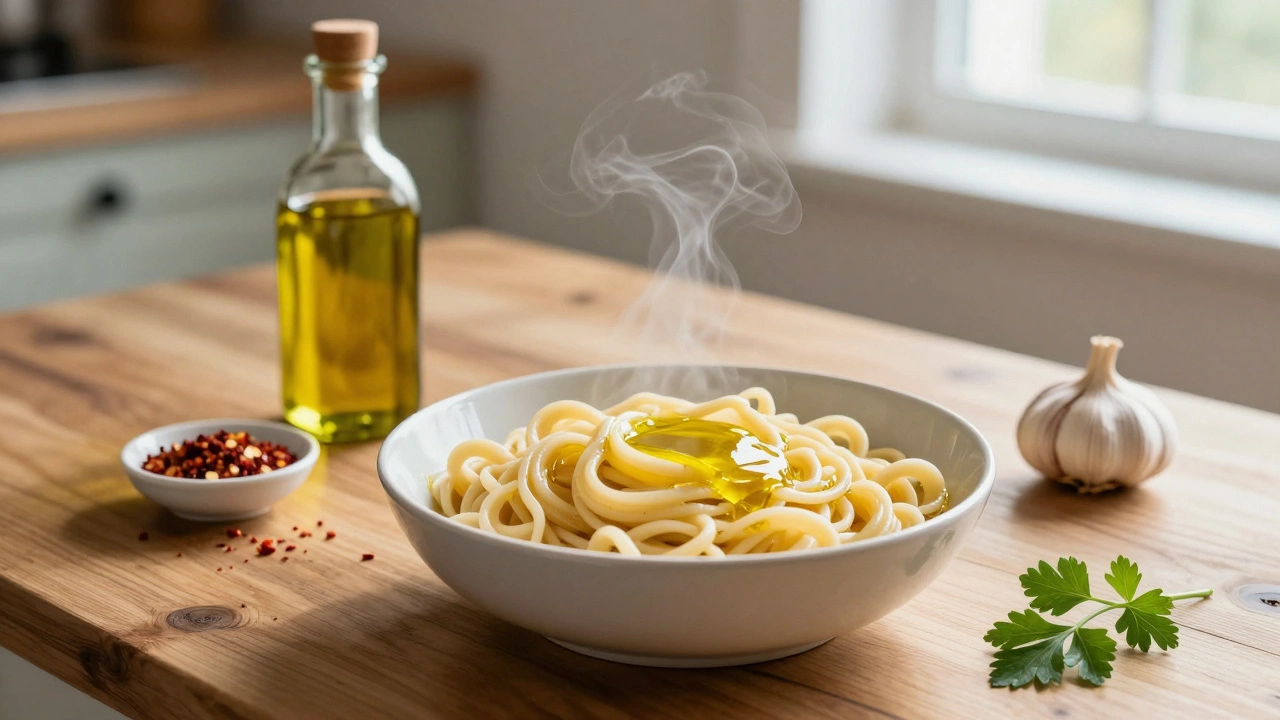
Heat a little olive oil in the same pot you cooked the pasta in. Add 2-3 minced garlic cloves and a pinch of red chili flakes. Cook for 30 seconds, just until the garlic smells sweet and the oil turns golden. Don’t let it brown-that makes it bitter.
Drop the drained pasta back in, toss it well, and you’ve got garlic oil pasta. It’s the Italian classic aglio e olio. Add a handful of chopped parsley and a squeeze of lemon juice at the end, and it becomes something bright and alive. This takes less than five minutes and costs less than $1.
Cheese isn’t just for sauce
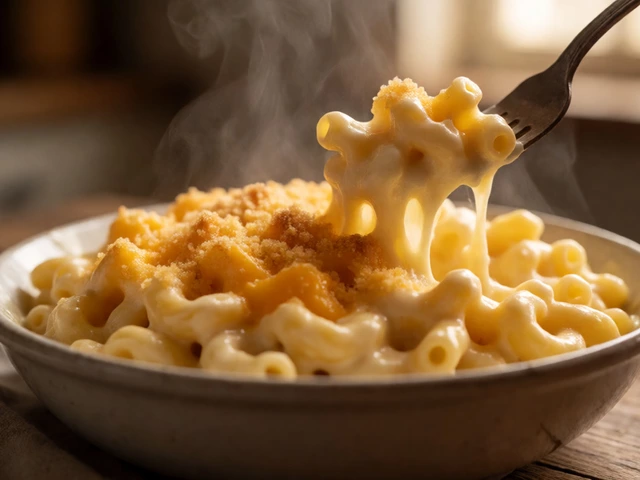
You don’t need to melt cheese into a sauce. Grated Parmesan, Pecorino, or even a sharp cheddar can be your best friend. Sprinkle it over hot pasta right after draining. The residual heat melts it slightly, turning it into a creamy, salty coating.
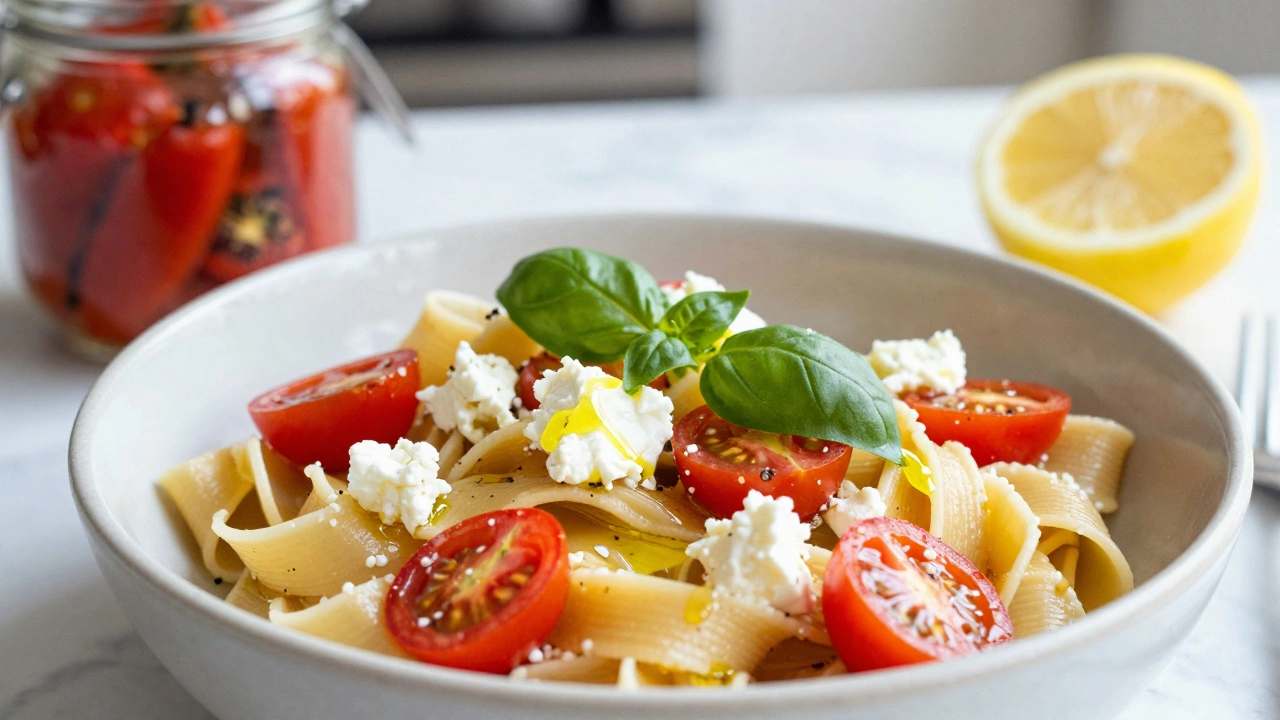
Try adding a spoonful of ricotta dolloped on top. It’s mild, cool, and adds texture. Or crumble feta over spaghetti with cherry tomatoes and olives. The saltiness cuts through the starch and makes each bite pop.
Vegetables don’t need to be sautéed
Raw or lightly blanched veggies work just as well as cooked ones. Thinly sliced raw zucchini or cucumber adds crunch. Baby spinach wilts perfectly when stirred into hot pasta. A handful of arugula tossed in at the end gives peppery bite.
Cherry tomatoes? Halve them and let them sit in the warm pasta for a minute-they burst and release their juice, creating a natural, fresh sauce. Roasted red peppers from a jar? Slice them up and toss them in. No cooking required.
Protein on a budget
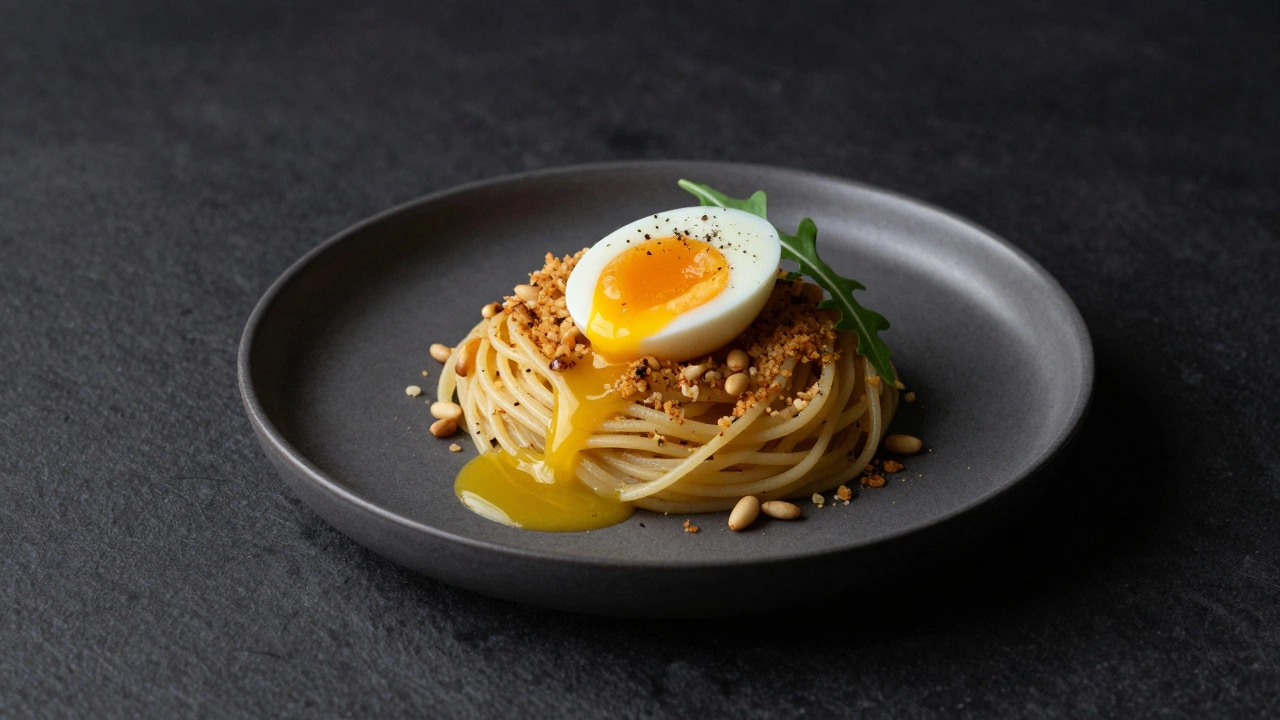
Meat isn’t necessary. Canned tuna, drained and flaked, mixes beautifully with pasta, capers, and a squeeze of lemon. Leftover grilled chicken? Shred it and stir it in. Hard-boiled eggs? Slice them and lay them on top. The yolk melts slightly and acts like a sauce.
Even canned beans work. White beans like cannellini or navy beans add creaminess and protein. Rinse them well, toss them in, and you’ve got fiber, texture, and staying power. A can of beans costs less than $1 and lasts for months in your pantry.
Crunch matters
Soft pasta needs contrast. Toasted breadcrumbs are the secret weapon. Heat a tablespoon of olive oil in a small pan, add a handful of plain panko or regular breadcrumbs, and cook until golden. Sprinkle them on top. They add texture and soak up any leftover oil.
Crushed nuts work too-pine nuts, almonds, or walnuts. Toast them lightly and sprinkle them over pasta with peas and mint. It sounds unusual, but it’s a classic in parts of Italy. Even a few crushed potato chips on top can give you that salty, crunchy hit you didn’t know you needed.
Acid is the game-changer
Plain pasta tastes dull without acid. Lemon juice, vinegar, or even a splash of pickle brine wakes it up. A squeeze of lemon over garlic oil pasta makes it taste like summer. A teaspoon of balsamic vinegar over roasted veggies and pasta adds depth.
Don’t be afraid to use it. Start with half a teaspoon, taste, then add more. Acid doesn’t overpower-it balances. It’s what turns a bowl of noodles into something you’ll want to lick clean.
Herbs: fresh, not dried
Dried basil or oregano won’t cut it here. Fresh herbs make the difference. Basil, parsley, chives, dill, cilantro-any of them work. Tear them by hand instead of chopping. It releases more flavor and keeps them from turning brown too fast.
Add them at the very end. Heat kills their brightness. A handful stirred in just before serving makes the dish smell like a kitchen in Rome or a garden in spring.
Leftovers? Don’t toss them
That half jar of pesto? Mix a spoonful into plain pasta. A few spoonfuls of leftover salsa? Toss it in with black beans and corn. Even a dollop of hummus can be stirred in with a splash of water to create a creamy, garlicky base.
Leftover roasted vegetables? Toss them in. Cold rice? Add it. You’re not making a recipe-you’re making a meal from what you have. That’s how real cooking works.
What not to do
Don’t drown the pasta. A little sauce is good. A lot just makes it soggy. Don’t add too much oil-it’ll slide off the noodles. Don’t skip the salt. And don’t wait until the end to season. Taste as you go.
Also, avoid pre-made pasta sauces unless you’re adding your own twist. Most are too sweet, too thick, or too salty. They mask the pasta, not enhance it.
Five quick combos to try tonight
- Garlic oil + chili flakes + parsley + lemon - Simple, spicy, bright.
- Butter + Parmesan + black pepper - Italian burro e parmigiano. Comfort in three ingredients.
- Cherry tomatoes + basil + olive oil + feta - No cooking needed. Just toss.
- Canned tuna + capers + red onion + lemon - Quick protein boost with ocean flavor.
- Roasted veggies + ricotta + thyme - Use last night’s roasted carrots and zucchini.
Why this works
Plain pasta is the perfect base because it’s neutral, absorbs flavor, and holds texture. It doesn’t compete. It listens. Add something salty, something acidic, something crunchy, and something fresh-and you’ve got balance. That’s the secret to every great dish, whether it’s from a five-star kitchen or a kitchen in Auckland after a long day.
You don’t need fancy ingredients. You don’t need hours. You just need to know what works together. And now you do.
Can I add peanut butter to plain pasta?
Yes, but it’s not traditional. A small spoonful of natural peanut butter mixed with a splash of soy sauce, sesame oil, and a squeeze of lime creates a Thai-inspired noodle dish. It’s rich, savory, and surprisingly good. Just don’t use sweetened peanut butter-it’ll make the pasta taste like candy.
What if I don’t have olive oil?
Use any neutral oil you have-canola, vegetable, or even melted butter. Butter adds richness, while neutral oils let other flavors shine. You can also skip oil entirely and rely on cheese, butter, or the natural oils from ingredients like canned tuna or roasted vegetables.
Can I use frozen vegetables?
Absolutely. Frozen peas, corn, or spinach work great. Just add them to the hot pasta right after draining. The heat will thaw and warm them without making them mushy. No need to cook them separately.
How do I make pasta feel more filling?
Add protein and fiber. Beans, lentils, eggs, tuna, or even leftover cooked chicken make it a full meal. Stir in a handful of cooked quinoa or brown rice for extra bulk. A side of simple greens or a slice of crusty bread rounds it out.
Is plain pasta with butter and cheese healthy?
It’s not a salad, but it’s not junk either. Butter and cheese add fat and flavor, but in small amounts, they’re part of a balanced diet. Use whole grain pasta for more fiber, and add vegetables to increase nutrients. Portion size matters-stick to about 1 cup cooked pasta per person.