
Healthy Dessert Calorie & Nutrient Calculator
Select a dessert option below to see its nutritional breakdown. Compare these against your daily calorie budget to make smarter sweet choices.
Dessert Name
You’re three weeks into your new eating plan. You’ve swapped white rice for cauliflower, said yes to the salad bar, and you’re feeling great-until 8 PM hits. That’s when the craving kicks in. It’s not just hunger; it’s a deep, psychological need for something sweet. Most people think this means giving up dessert entirely if they want to lose weight. But that’s a myth. You don’t have to suffer through dry chicken and steamed broccoli forever. The secret isn't deprivation; it's substitution. You just need to know what is a healthy dessert for weight loss so you can satisfy your sweet tooth without blowing your daily calorie budget.
The Math Behind Sweet Cravings
Weight loss comes down to energy balance. If you eat more calories than you burn, you store the excess as fat. A typical slice of cheesecake can pack 400-500 calories. That’s a whole meal’s worth of fuel for many people, with very little nutritional value. In contrast, a well-designed healthy dessert might clock in at 100-150 calories but still deliver that dopamine hit you’re looking for. The key difference isn't just the calorie count-it's the satiety factor. Sugar spikes your blood glucose, leading to an insulin crash that makes you hungry again an hour later. Fiber and protein keep you full longer. So, when we talk about healthy desserts, we aren't just talking about "less bad" versions of cake. We're talking about foods that actively support your metabolism while tasting indulgent.
| Dessert Type | Approx. Calories | Sugar (g) | Fiber (g) | Protein (g) |
|---|---|---|---|---|
| Traditional Chocolate Cake | 350 | 30 | 1 | 4 |
| Baked Apple with Cinnamon | 95 | 15 | 4 | 0 |
| Greek Yogurt Parfait | 140 | 8 | 3 | 12 |
| Dark Chocolate Avocado Mousse | 160 | 6 | 5 | 2 |
Why Fruit Isn't Just a Snack
People often dismiss fruit because it contains fructose, a type of sugar. But comparing an apple to a candy bar is like comparing a bicycle to a Ferrari-they both move you, but one uses way less fuel and leaves no exhaust fumes. Whole fruits come packaged with fiber, water, and micronutrients. When you eat a Berries bowl, the fiber slows down sugar absorption. This prevents the insulin spike that promotes fat storage. Berries, in particular, are low-glycemic and high in antioxidants. They provide volume, meaning you can eat a large bowl for under 100 calories. Try mixing strawberries, blueberries, and raspberries with a squeeze of lime. It feels refreshing and substantial, not like a meager portion of food.
The Powerhouse: Greek Yogurt
If you only change one thing in your dessert routine, make it switch from regular ice cream to Greek Yogurt. Regular yogurt is often loaded with hidden sugars and has a thin consistency. Greek yogurt is strained, removing much of the whey. This results in a thick, creamy texture that mimics custard or pudding. More importantly, it’s packed with protein. A 170-gram serving can contain 15-20 grams of protein. Protein is the most satiating macronutrient. Eating a protein-rich dessert curbs late-night snacking because your body actually feels fed. Choose plain, non-fat or low-fat varieties to avoid added sugars. Then, add your own sweetness with a teaspoon of honey or vanilla extract. You control the ingredients, and you control the calories.
Chocolate Without the Guilt
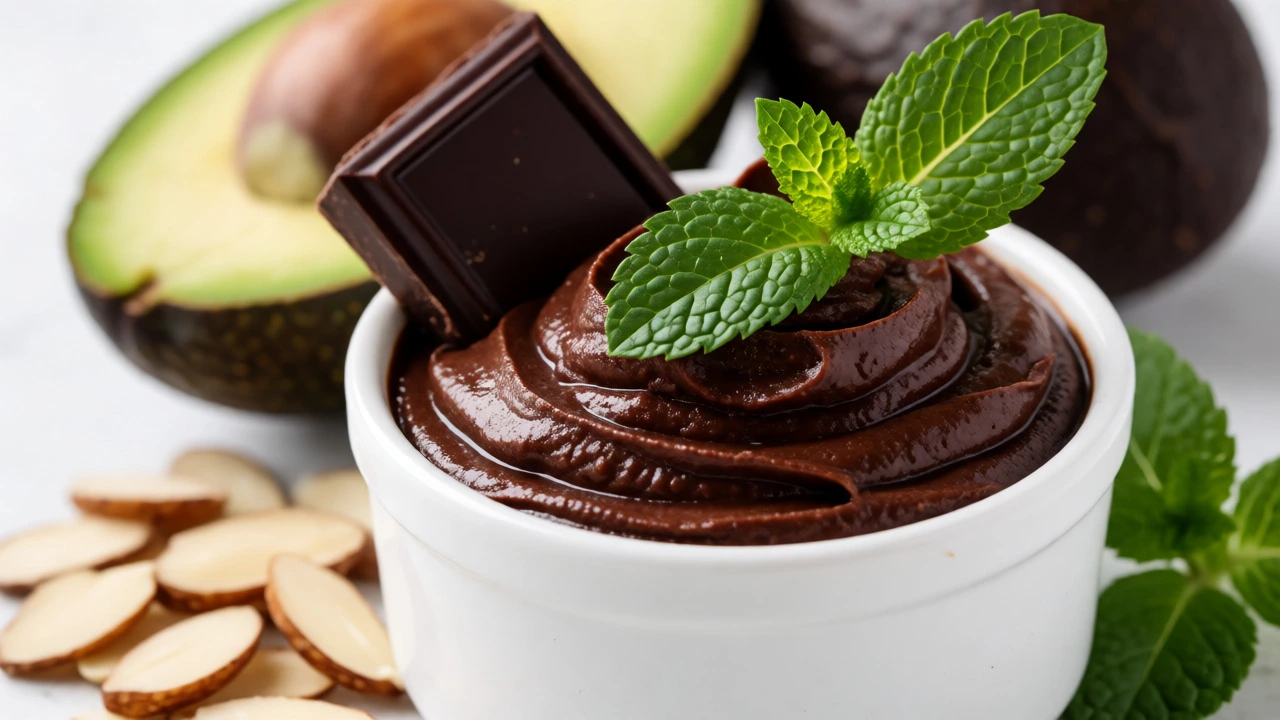
Let’s be real: telling someone to stop eating chocolate is a quick way to make them quit their diet. The solution is quality over quantity. Dark Chocolate (70% cocoa or higher) has less sugar than milk chocolate and offers health benefits linked to improved heart health and brain function. The intense flavor profile means you don’t need to eat a lot to feel satisfied. One or two squares eaten slowly can curb a craving effectively. For a richer experience, try making a mousse using avocado. Yes, avocado. Blending ripe avocado with cocoa powder, a touch of maple syrup, and almond milk creates a velvety texture indistinguishable from heavy cream-based mousses. The healthy fats in avocado keep you full, and the cocoa provides the antioxidant boost.
Smart Baking Swaps
If you love baking, you don’t have to give it up. You just need to upgrade your ingredient list. Here are three easy swaps that drastically cut calories while keeping taste intact:
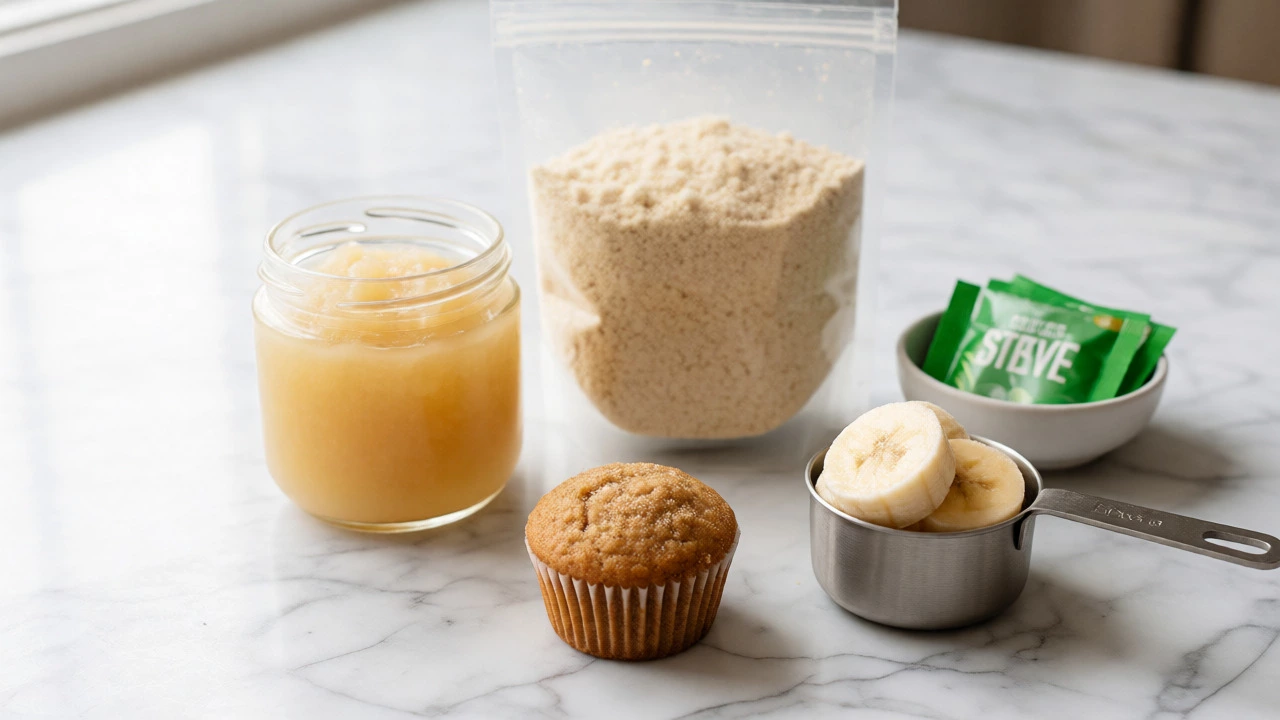
- Swap Butter for Applesauce: Replace half the butter in muffin or brownie recipes with unsweetened applesauce. This cuts saturated fat and adds moisture. Your baked goods will be lighter but still tender.
- Swap White Flour for Almond Flour: Almond flour is lower in carbs and higher in protein and healthy fats. It’s denser, so use about 25% less than you would wheat flour. Note that it burns faster, so lower your oven temperature by 25°F.
- Swap Sugar for Stevia or Monk Fruit: These natural sweeteners have zero calories and don’t raise blood sugar levels. Start by replacing half the sugar in a recipe to get used to the taste difference.
Portion Control is Non-Negotiable
Even healthy food becomes unhealthy if you eat too much of it. Nuts are great, but a handful of almonds is 160 calories, while a cup is nearly 800. The same applies to dark chocolate. Use small plates or ramekins. Visual cues matter. Serving a scoop of frozen banana "nice cream" in a tiny glass bowl feels like a treat; serving it in a large mixing bowl feels like a meal. Pre-portioning your desserts helps prevent mindless eating while watching TV. If you’re buying packaged "diet" bars, check the label. Many are just candy bars in disguise, containing 200+ calories and questionable additives. Homemade or whole-food options are almost always superior.
Practical Recipe Ideas
Here are three simple, no-cook ideas you can make tonight:
- Frozen Banana Pops: Peel a banana, dip it in melted dark chocolate, roll it in crushed walnuts, and freeze on parchment paper. It takes five minutes and tastes like a premium confection.
- Cucumber Mint Sorbet: Blend frozen cucumber chunks with fresh mint, a splash of lime juice, and a drop of stevia. It’s incredibly refreshing and hydrating, perfect for warm evenings.
- Chia Seed Pudding: Mix 2 tablespoons of chia seeds with ½ cup of almond milk and a dash of vanilla. Let it sit in the fridge overnight. Top with sliced kiwi or mango before eating. The seeds expand to create a tapioca-like texture rich in omega-3s.
Next Steps
Start small. Don’t overhaul your entire dessert repertoire overnight. Pick one craving you have regularly-maybe it’s evening ice cream-and replace it with Greek yogurt berries. Stick with it for a week. Notice how you feel. Do you have more energy? Less bloating? Once you master one swap, try another. Remember, weight loss isn't about perfection; it's about consistency. By choosing nutrient-dense sweets, you’re training your palate to appreciate natural flavors rather than artificial sweetness. Over time, you’ll find that highly processed sugary treats start to taste overly cloying, making healthy choices easier and more enjoyable.
Can I eat fruit while losing weight?
Yes, absolutely. Whole fruits are high in fiber and water, which help you feel full. While they contain natural sugars, the fiber slows digestion, preventing sharp blood sugar spikes. Stick to whole fruits rather than juices, which lack fiber and concentrate sugar.
Is dark chocolate really good for weight loss?
In moderation, yes. Dark chocolate (70%+ cocoa) has less sugar and more antioxidants than milk chocolate. Its strong flavor can satisfy cravings with smaller portions. However, it is calorie-dense, so limit intake to 1-2 ounces per day.
Are artificial sweeteners safe for weight loss?
Most studies show they are safe and can help reduce calorie intake. Some research suggests they might trigger sweet cravings in certain individuals, leading to overeating later. Monitor your own response. Natural alternatives like stevia or monk fruit are popular options.
How many calories should a healthy dessert have?
Aim for 100-200 calories. This range allows for satisfaction without significantly impacting your daily caloric deficit. Ensure those calories come from nutrient-rich sources like protein, healthy fats, or fiber rather than empty sugars.
What is the best dessert for keto diets?
Options include coconut whipped cream with berries, almond flour cookies, or fat bombs made with coconut oil and cocoa. Avoid high-carb fruits like bananas and focus on low-carb berries and high-fat ingredients.