Vegetarian Butter Compatibility Checker
Select your diet type and click "Check Compatibility" to see what you can eat.
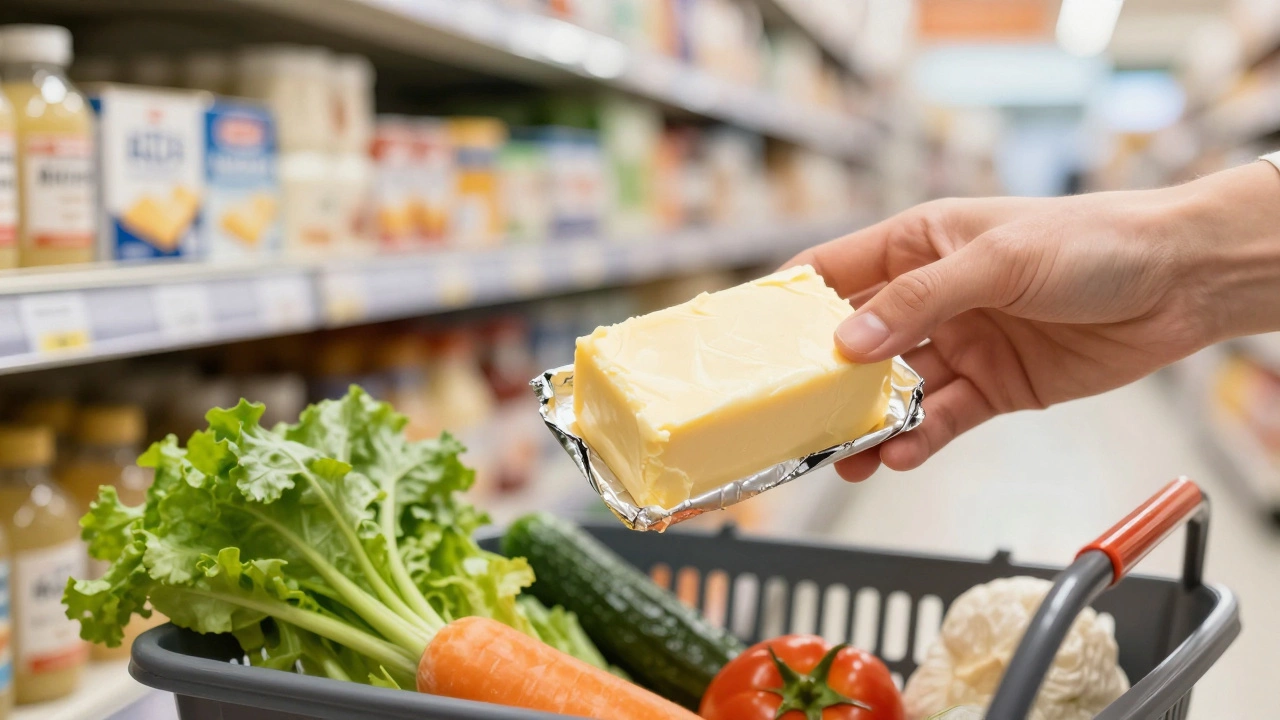
You are standing in the grocery aisle, holding a stick of salted butter. You glance at your shopping list, then back at the package. A question pops into your head that has confused plenty of new plant-based eaters: can vegetarians eat butter? It seems like such a simple yes-or-no question, but the answer actually depends entirely on how you define your own dietary boundaries.
The short answer is yes, most vegetarians do eat butter. However, not all vegetarians follow the same rules. To navigate this without offending friends or confusing yourself, you need to understand the different types of vegetarianism and where dairy fits into the picture.
What Is a Vegetarian, Exactly?
When people say they are "vegetarian," they usually mean they don't eat meat, poultry, or fish. But that definition leaves a lot of room for interpretation regarding other animal products. There isn't one single global rulebook for vegetarianism. Instead, there are several distinct styles, each with its own set of allowances and restrictions.
Understanding these differences is key. If you assume everyone who avoids steak also avoids cheese, you might be surprised. Conversely, if you think all vegetarians eat eggs, you could cause a problem at dinner. Let's break down the main categories so you know exactly what you're dealing with.
Lacto-Ovo Vegetarians
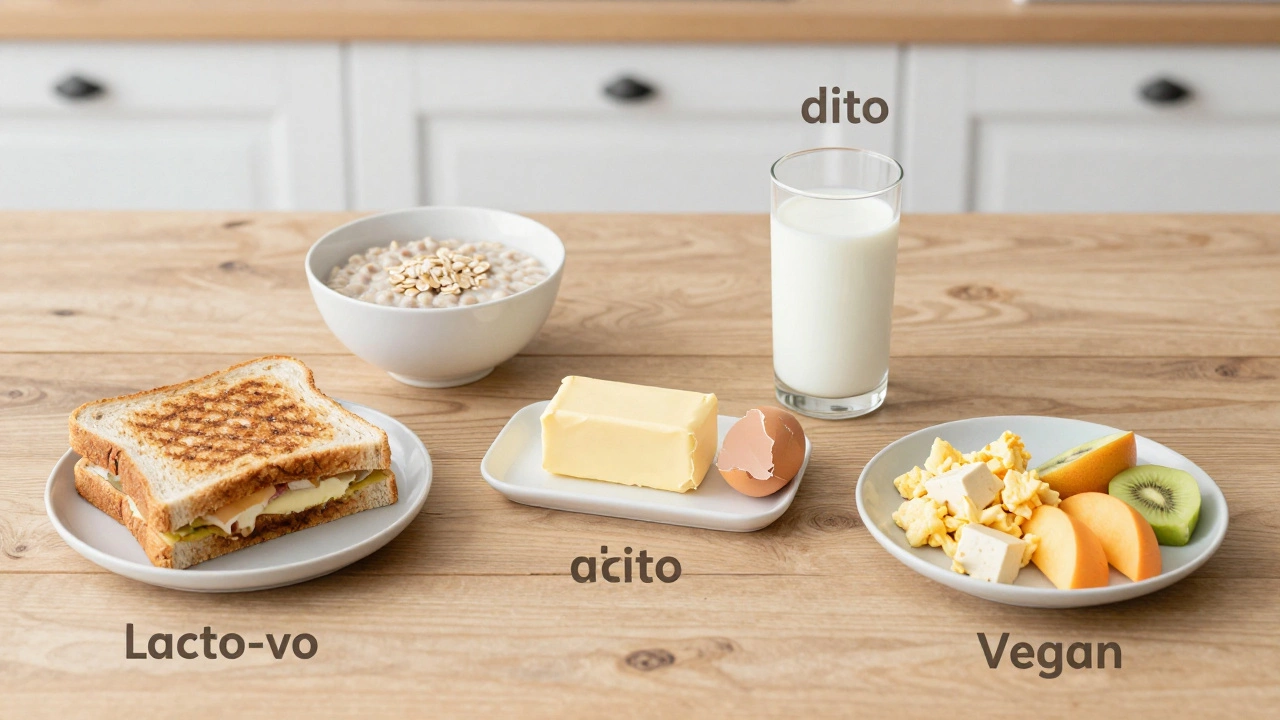
This is the most common form of vegetarianism, especially in Western countries. Lacto-ovo vegetarians avoid meat, fish, and poultry, but they do consume dairy products and eggs. For them, butter is completely fine. In fact, it’s a staple. They use it for baking, sautéing vegetables, and spreading on toast just like non-vegetarians do.
If you hear someone say they are vegetarian and they order a grilled cheese sandwich, they are likely a lacto-ovo vegetarian. This group makes up the majority of people who identify as vegetarian in places like the United States, Canada, and Australia.
Lacto-Vegetarians
Lacto-vegetarians take it a step further by excluding eggs from their diet. They still eat dairy, though. So, can lacto-vegetarians eat butter? Yes. Since butter is made from milk cream, it falls squarely within their allowed foods. They might skip the cake that uses egg whites as a binder, but they will happily enjoy a pat of butter on their cornbread.
This style is often seen in certain cultural or religious traditions, such as some branches of Hinduism, where eggs are avoided due to their potential for life, but milk products are considered pure and nourishing.
Ovo-Vegetarians
Ovo-vegetarians are the flip side of the lacto-vegetarian coin. They eat eggs but avoid all dairy products. This is less common in Western diets but exists. For an ovo-vegetarian, butter is off the table. They would use oils, margarine, or plant-based spreads instead. If you are cooking for an ovo-vegetarian, check the label carefully-many baked goods contain hidden butter or whey.
Vegans (Often Confused with Vegetarians)
Here is where the confusion really starts. Vegans are not technically vegetarians in the strictest sense, but many people lump them together because both groups avoid meat. Vegans exclude all animal products. That means no meat, no fish, no eggs, and no dairy. Can vegans eat butter? Absolutely not. Regular butter is a dairy product, derived from cow’s milk. Vegans seek out plant-based alternatives like olive oil, coconut oil, or commercial vegan butters made from oils and gums.
Mislabeling vegan dishes as "vegetarian" happens frequently in restaurants. Always double-check. A dish labeled "vegetarian" might contain butter, while a "vegan" dish will never contain it.
Why Do Some Vegetarians Avoid Butter?
If most vegetarians eat butter, why do some avoid it? The reasons vary widely and often come down to personal ethics, health concerns, or environmental impact.
Ethical Concerns: Some vegetarians choose to avoid dairy because they oppose the industrial dairy industry. They may object to the separation of calves from their mothers, the treatment of cows, or the eventual slaughter of male calves who cannot produce milk. For these individuals, eating butter supports an industry they find unethical, even if it doesn't involve killing animals directly in the way meat production does.
Health Reasons: Butter is high in saturated fat. While recent nutritional science has debated the link between saturated fat and heart disease, many people choose to limit butter for cholesterol management or weight control. Some vegetarians adopt a whole-food, plant-based approach to maximize health benefits, which naturally excludes high-fat dairy products like butter.
Lactose Intolerance: Many people who identify as vegetarian are also lactose intolerant. They might avoid butter not for ethical reasons, but because it causes digestive discomfort. This is a practical constraint rather than a philosophical one.
The Hidden Complexity of Butter
Even if you are a lacto-ovo vegetarian who eats dairy, there is one specific type of butter you should be aware of: clarified butter or ghee. Traditional ghee is often filtered to remove milk solids, making it more shelf-stable and flavorful. However, some commercial butters and ghees use enzymes from animal sources in their processing. For example, rennet (an enzyme used in cheese-making) can sometimes be sourced from animal stomachs. While rare in butter production compared to cheese, it is worth checking labels if you are strictly avoiding all animal-derived processing aids.
Additionally, some butters are cross-contaminated with other allergens or processed in facilities that handle meat products. While this doesn't make the butter "meat," it might concern those with severe allergies or strict ethical standards.
Better Alternatives for Every Type of Vegetarian
If you decide to skip butter, or if you are catering to a mixed group of diners, there are plenty of excellent alternatives. These substitutes work well in cooking and baking, providing flavor and texture without the dairy.
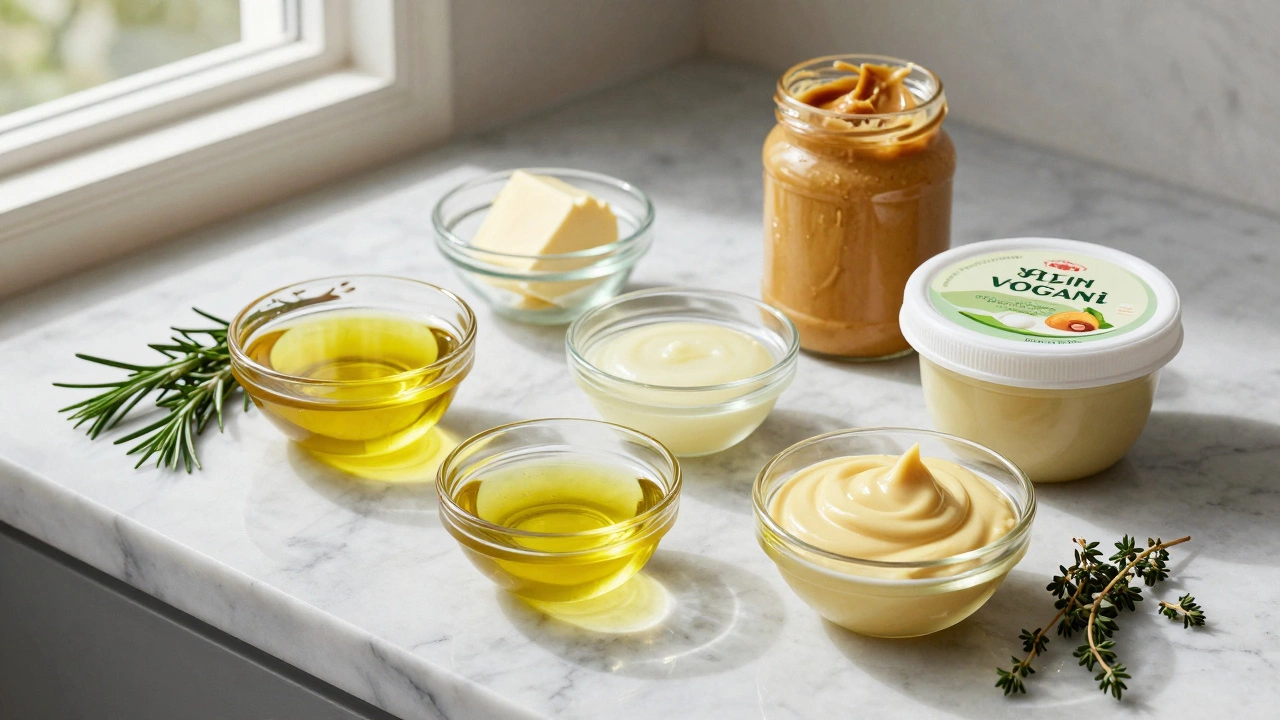
- Olive Oil: Great for sautéing, roasting, and dressings. Extra virgin olive oil adds a fruity, peppery note to dishes.
- Coconut Oil: Solid at room temperature, making it a good substitute for butter in baking. It adds a slight coconut flavor, which works well in sweet recipes.
- Avocado Oil: Has a high smoke point, perfect for frying and searing. It has a neutral taste, so it won’t alter the flavor of your food.
- Vegan Butter Spreads: Brands like Miyoko’s Creamery, Earth Balance, and Flora offer plant-based butters made from oils, nuts, and starches. They mimic the taste and texture of dairy butter closely.
- Nut Butters: Almond butter or cashew butter can add richness to sauces and desserts, though they have a distinct nutty flavor.
When substituting butter in baking, keep in mind that fats affect texture. Coconut oil is solid like butter, so it works well in cookies. Liquid oils like olive oil work better in cakes and muffins. Vegan butters are designed to behave like dairy butter, so they are usually a 1:1 replacement.
Navigating Social Situations and Restaurants
Eating out as a vegetarian can be tricky when it comes to butter. Many restaurant dishes use butter for basting, finishing, or as a base for sauces. A "vegetarian pasta" might be tossed in garlic butter. A "grilled vegetable platter" could be brushed with herb butter.
To avoid surprises, always ask your server how dishes are prepared. Specify whether you avoid all dairy or just meat. If you are lacto-ovo, you can enjoy most vegetarian dishes. If you are vegan or lactose-intolerant, request that your food be cooked with oil instead of butter. Most chefs are happy to accommodate this request if asked politely before ordering.
At home, consider keeping both dairy butter and a plant-based alternative in your pantry. This way, you can cater to different guests without needing to make two separate meals. Use dairy butter for your family members who eat it, and plant-based options for those who don’t.
Frequently Asked Questions
Is butter considered meat?
No, butter is not considered meat. Meat refers to the flesh of animals, including muscle tissue and organs. Butter is a dairy product made from churning cream, which is separated from milk. Therefore, it does not fall under the category of meat, poultry, or fish.
Can I eat butter if I am trying to lose weight?
Butter is calorie-dense, with about 100 calories per tablespoon. While it can fit into a weight-loss plan if consumed in moderation, it is high in saturated fat. Many nutritionists recommend limiting butter intake and opting for healthier fats like olive oil or avocado oil to support heart health and manage calorie counts.
What is the difference between butter and ghee?
Ghee is clarified butter, meaning the milk solids and water have been removed. This gives ghee a higher smoke point and longer shelf life. Because the milk solids are removed, ghee is often tolerated by people with mild lactose intolerance, though it is still a dairy product and not suitable for vegans.
Are all vegetarians lacto-ovo?
No, not all vegetarians are lacto-ovo. While lacto-ovo is the most common type, there are also lacto-vegetarians (who eat dairy but not eggs), ovo-vegetarians (who eat eggs but not dairy), and flexitarians (who mostly eat vegetarian but occasionally consume meat). It is always best to ask individuals about their specific preferences.
Can I use margarine instead of butter?
Yes, margarine can be used as a substitute for butter, but check the ingredients. Traditional margarine was made from hydrogenated oils, which contained trans fats. Modern margarines are often made from plant oils and are suitable for vegetarians and vegans. However, some margarines still contain dairy derivatives, so read the label carefully.