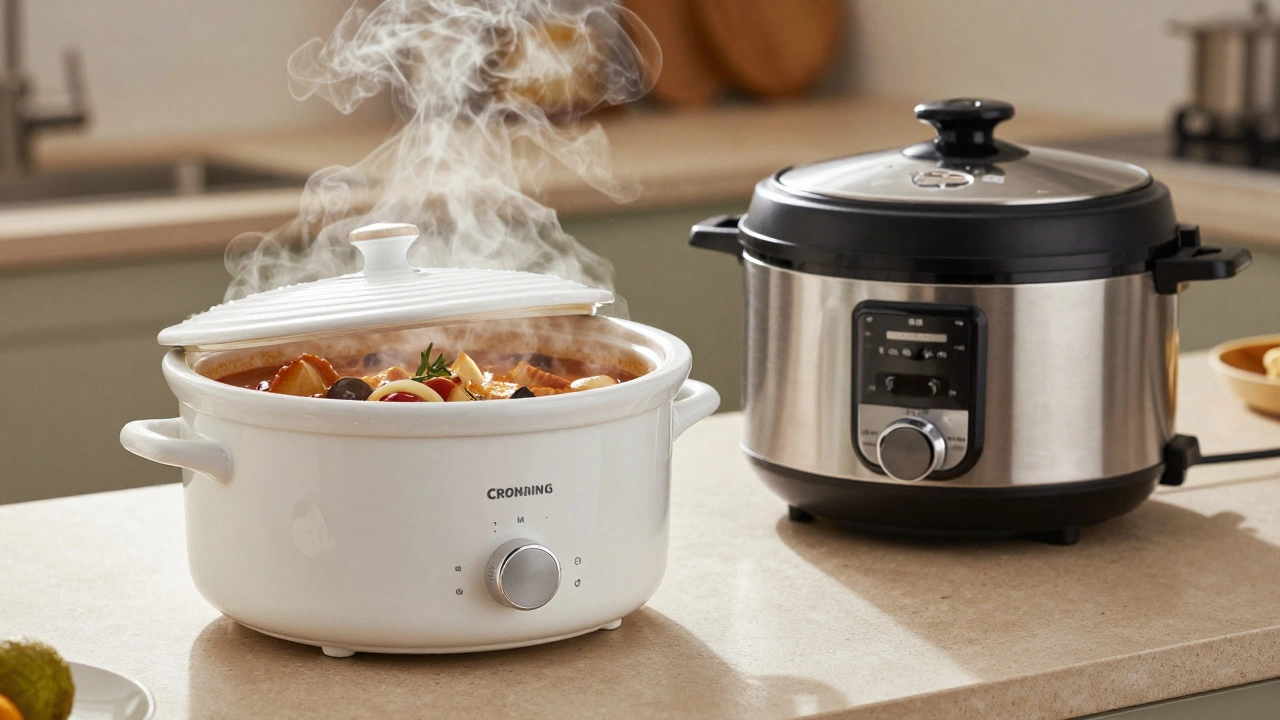
You stand in the kitchen aisle, staring at a box labeled "Slow Cooker" while your neighbor casually refers to their appliance as a "Crockpot." You’ve heard them used interchangeably for years. But here is the question that keeps popping up: Can I use a Crockpot instead of a slow cooker? The short answer is yes. In fact, you probably already are. But there is a nuance here that goes beyond just branding. Understanding this distinction helps you navigate recipes, buy the right accessories, and troubleshoot when your pot roast turns out mushy.
The Brand Name That Became a Generic Term
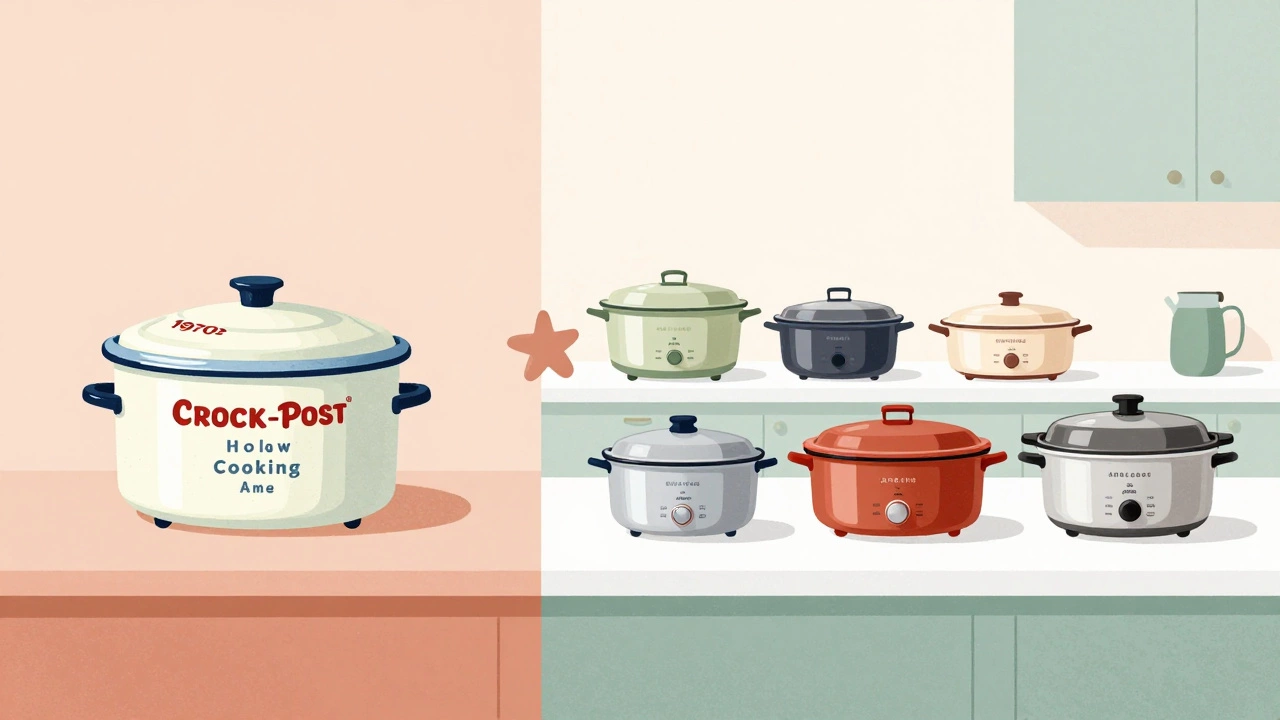
To understand why these terms get mixed up, we have to look at history. Crock-Pot is a specific brand of slow cooker invented by Irving Naxon in 1971. Before Crock-Pot existed, people didn’t really have a name for the device. When Rival Companies launched it, they patented the design and the name. It became so popular that "Crock-Pot" became what linguists call a genericized trademark-like Kleenex for tissues or Xerox for photocopies.
This means that technically, every Crock-Pot is a slow cooker, but not every slow cooker is a Crock-Pot. Other brands like Instant Pot, Hamilton Beach, Ninja Foodi, and Black+Decker make slow cookers too. If you buy a generic "slow cooker" from a big-box store, it functions exactly the same way as a branded Crock-Pot. The heating element sits around the base, the lid traps steam, and low heat over time breaks down tough cuts of meat. The mechanics haven’t changed much since the 1970s.
Do They Cook Differently?
If you swap a Crock-Pot manual for a recipe written for a generic slow cooker, will it fail? Almost never. The core technology is identical across all major brands. However, there are subtle differences in how different manufacturers calibrate their temperature settings. This is where things can get tricky if you follow a recipe blindly.
- Temperature Variance: Some studies suggest that "Low" on one brand might actually be 10-15 degrees Fahrenheit higher than "Low" on another. A Crock-Pot’s "Low" setting typically maintains around 200°F (93°C), while some cheaper generic models might fluctuate more widely.
- Lid Fit: Crock-Pots often have heavy glass lids with tight seals. Generic brands sometimes use lighter plastic or thinner glass. A loose lid lets moisture escape, which concentrates flavors but can dry out lean meats like chicken breast.
- Insert Material: Most modern slow cookers, including Crock-Pots, use stoneware inserts coated in enamel. Older models or budget alternatives might use unglazed ceramic or metal. Metal conducts heat faster, potentially changing cooking times slightly.
In practice, these differences rarely ruin a dish. They might change whether your chili is thick and rich or thin and soupy. If you’re new to slow cooking, treat the first few attempts as experiments. Taste before serving. Adjust liquid amounts based on how much evaporation you see.
Why Recipes Say "Crockpot" Instead of "Slow Cooker"
You’ll notice many blogs and cookbooks still say "Crockpot recipes." This isn’t because they’re sponsored by Rival Companies. It’s habit. For decades, Crock-Pot was the only game in town. Authors wrote recipes assuming everyone had that specific brand. Now, even if you own an Instant Pot Duo or a Ninja Creami, you can still follow those recipes.
When adapting old Crock-Pot recipes for other brands, keep these tips in mind:
- Check the Wattage: Higher wattage means faster heating. A 300-watt Crock-Pot heats slower than a 400-watt generic model. If your new cooker has higher wattage, reduce cooking time by 15-30 minutes.
- Monitor Liquid Levels: If your new lid doesn’t seal as tightly, add an extra ¼ cup of broth or water to prevent burning.
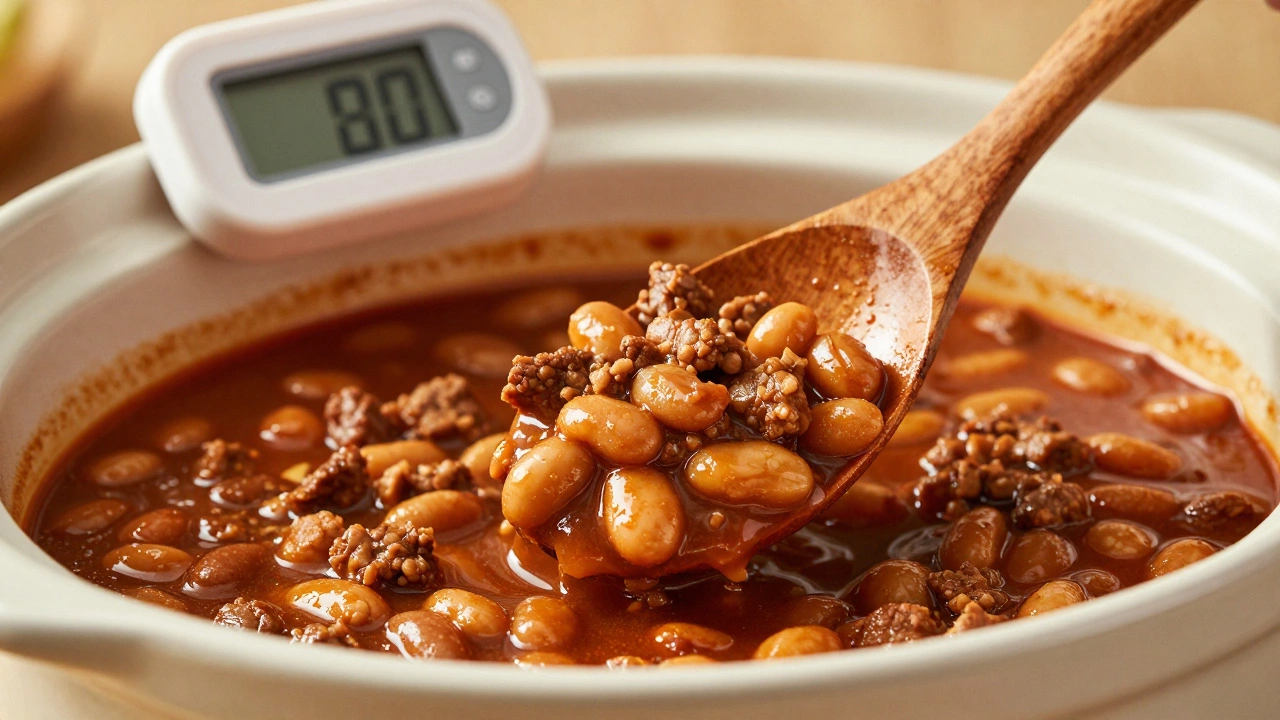
- Use a Thermometer: For meats, don’t rely solely on time. Insert a digital thermometer into the thickest part. Pork shoulder should reach 195°F (90°C) for shredding; chicken breasts should hit 165°F (74°C).
Common Mistakes When Switching Brands
I’ve seen people struggle when switching from a Crock-Pot to a multi-cooker like the Instant Pot. Here’s the key difference: traditional slow cookers maintain a steady, low heat. Multi-cookers often cycle heat on and off to save energy, which can affect texture. If you’re using a programmable multi-cooker in "Slow Cook" mode, check if it has a "More," "Less," or "Normal" setting. Set it to "More" to mimic the consistent heat of a dedicated Crock-Pot.
Another pitfall is overcrowding. A 6-quart Crock-Pot holds less usable volume than a 6-quart generic slow cooker due to shape differences. Always fill your pot between half and two-thirds full. Too little food leads to uneven heating; too much prevents proper circulation.
Choosing the Right Appliance for Your Needs
If you’re buying your first slow cooker, do you need a Crock-Pot specifically? Not necessarily. Consider these factors:
| Brand | Avg Price (USD) | Key Feature | Best For |
|---|---|---|---|
| Crock-Pot | $30-$80 | Dedicated slow cooking | Purists who want simplicity |
| Instant Pot | $80-$150 | Multi-function (pressure + slow) | Kitchen space savers |
| Ninja Foodi | $150-$250 | Pressure + Air Fry | Those wanting crispy textures |
| Hamilton Beach | $20-$50 | Budget-friendly | Students or occasional users |
If you only slow cook once a month, a basic Hamilton Beach works fine. If you meal prep weekly, invest in a reliable Crock-Pot or Instant Pot. The build quality matters more than the brand name.
Troubleshooting Common Issues
Even with the best appliance, things go wrong. Here’s how to fix them:
- Mushy Vegetables: Add veggies in the last hour. Carrots and potatoes take longer; broccoli and spinach cook fast. Don’t dump everything in at the start.
- Dry Meat: Lean meats like chicken breast or pork loin lose moisture quickly. Marinate them first or choose tougher cuts like chuck roast or lamb shanks.
- Burnt Bottom: Stir ingredients before adding to the pot. Avoid thick sauces like tomato paste or honey at the bottom. Mix them into liquids first.
- Too Watery: Remove the lid for the last 30 minutes. Or, simmer uncovered on "High" for 15 minutes to reduce sauce.
Final Thoughts on Interchangeability
So, can you use a Crock-Pot instead of a slow cooker? Absolutely. Can you use any slow cooker instead of a Crock-Pot? Also yes. The difference is mostly semantic. Focus on learning how heat, time, and moisture interact in your specific appliance. Once you understand that, brand names stop mattering. You’ll know whether to cook on Low for 8 hours or High for 4, regardless of the logo on the front.
Is Crock-Pot better than other slow cookers?
Not necessarily. Crock-Pot is a trusted brand with consistent performance, but competitors like Instant Pot and Ninja offer more features. For pure slow cooking, they perform similarly. Choose based on budget and desired features.
Can I use an Instant Pot as a slow cooker?
Yes, but set it to "More" mode for consistent heat. Instant Pots cycle heat to save energy, which can lead to uneven cooking if not adjusted. Dedicated slow cookers provide steadier temperatures.
Why does my slow cooker food taste bland?
Slow cooking mutes flavors. Season generously before starting. Use umami-rich ingredients like soy sauce, Worcestershire, or mushrooms. Add fresh herbs in the last 30 minutes for brightness.
How long can I leave food in a slow cooker after cooking?
Keep food on "Warm" for up to 2 hours. Beyond that, bacteria can grow. Transfer leftovers to shallow containers and refrigerate within 2 hours of finishing cooking.
Can I put frozen meat directly in a slow cooker?
It’s not recommended. Frozen meat stays in the danger zone (40°F-140°F) too long, allowing bacterial growth. Thaw meat in the fridge overnight before slow cooking for safety and even results.