Breakfast Battle Calculator
Answer the questions below to see which breakfast option aligns best with your current health priorities.
Your Health Profile
Select your preferences and click Calculate to see which breakfast wins for you.
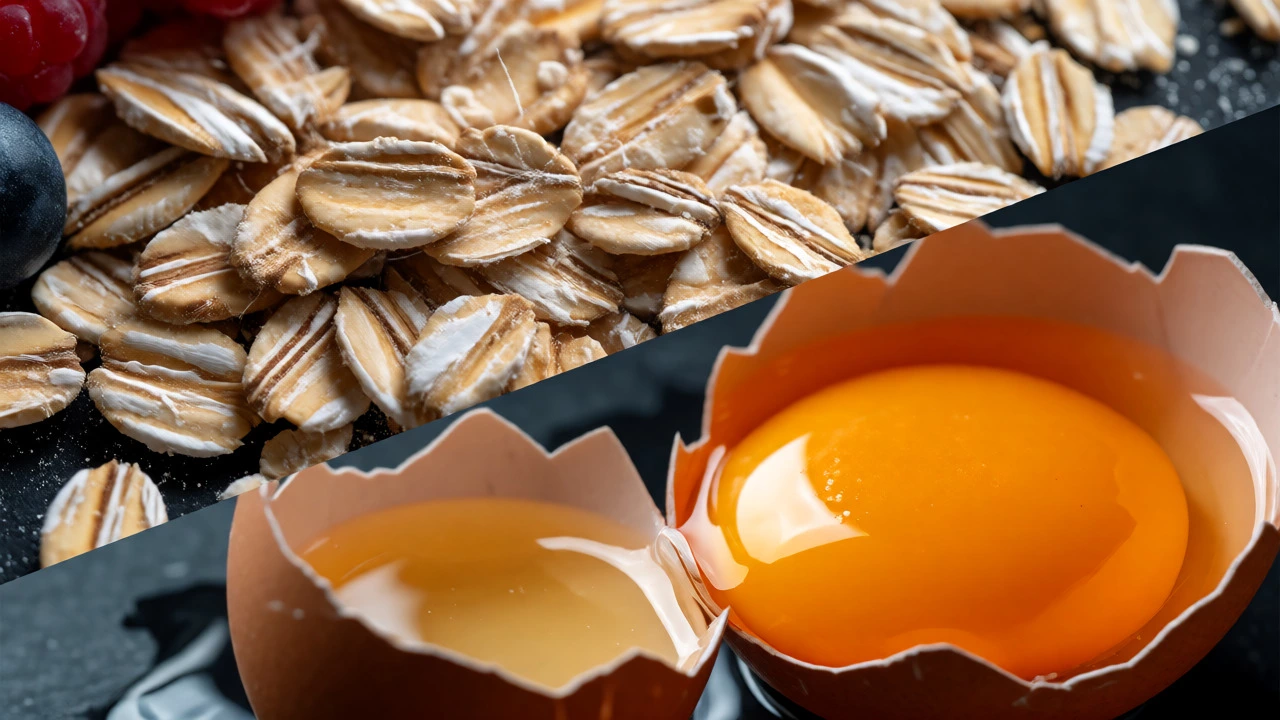
You’re standing in the kitchen at 7 AM, staring into the fridge and the pantry, trying to decide what will keep you full until lunch without making you crash at 10 AM. It’s the classic morning dilemma: eggs or oatmeal? Both are staples of a healthy diet, both are cheap, and both are incredibly versatile. But if you had to pick just one for long-term health benefits, which one wins? The answer isn’t black and white-it depends entirely on your body’s specific needs, your activity level, and what you’re trying to achieve with your diet.
| Nutrient | One Large Egg (Boiled) | Half Cup Dry Rolled Oats |
|---|---|---|
| Calories | ~72 kcal | ~150 kcal |
| Protein | 6.3 g | 5.2 g |
| Carbohydrates | 0.4 g | 27 g |
| Fiber | 0 g | 4 g |
| Saturated Fat | 1.6 g | 0.3 g |
| Cholesterol | 186 mg | 0 mg |
The Case for Eggs: Protein Powerhouse
Eggs are often called nature’s multivitamin, and for good reason. They contain almost every nutrient you need, in bioavailable forms that your body can actually use. When you eat an egg, you aren’t just getting protein; you’re getting choline, which is critical for brain health, and vitamin D, which most of us are deficient in, especially here in Auckland where winters can be gloomy. The protein in eggs has a high biological value, meaning your body absorbs and utilizes it efficiently for muscle repair and satiety.
But let’s address the elephant in the room: cholesterol. For decades, people feared egg yolks because they raise LDL cholesterol levels in some individuals. However, recent research suggests that for the majority of people, dietary cholesterol has a minimal impact on blood cholesterol compared to saturated and trans fats. If you don’t have familial hypercholesterolemia or existing heart disease, eating up to three eggs a day is generally considered safe and beneficial. The key is preparation. Poached or boiled eggs are far healthier than eggs fried in excessive butter or oil, which adds unnecessary saturated fat.
The Case for Oatmeal: Fiber and Heart Health
Oatmeal operates on a different playing field. It’s not about immediate protein spikes; it’s about sustained energy and gut health. The star ingredient here is beta-glucan, a type of soluble fiber found in oats. Beta-glucan is scientifically proven to lower LDL (bad) cholesterol by binding to bile acids in the gut and removing them from the body. This mechanism makes oatmeal a top choice for anyone looking to improve their cardiovascular profile naturally.
Moreover, oats provide a steady release of glucose into the bloodstream. Unlike sugary cereals that give you a quick spike followed by a crash, the complex carbohydrates in steel-cut or rolled oats provide fuel that lasts. This makes oatmeal an excellent pre-workout meal for endurance athletes who need glycogen stores. However, instant packets are often loaded with added sugars and preservatives, stripping away much of the benefit. Stick to plain oats and add your own toppings to control the sugar intake.
Blood Sugar Response: Who Wins?
If you struggle with insulin resistance or type 2 diabetes, this battle is crucial. Eggs have a negligible effect on blood sugar because they contain virtually no carbohydrates. Eating two eggs keeps your glucose levels stable, preventing the post-meal slump that leads to snacking later. Oatmeal, while healthy, does raise blood sugar. The extent depends on the type of oat. Steel-cut oats have a lower Glycemic Index (GI) than instant oats, but they still trigger an insulin response. Pairing oatmeal with a source of fat or protein, like nuts or Greek yogurt, can blunt this spike significantly.
Weight Loss and Satiety Factors
When it comes to weight management, volume and hunger hormones play big roles. Eggs stimulate the release of peptide YY, a hormone that reduces appetite. Studies show that people who eat eggs for breakfast consume fewer calories over the next 36 hours compared to those who eat bagels. On the flip side, the high fiber content in oatmeal physically fills the stomach, triggering stretch receptors that signal fullness to the brain. If you tend to snack on carbs throughout the day, oatmeal might curb those cravings better. If you find yourself hungry an hour after eating, eggs are likely the superior choice due to their high protein density.
How to Make Them Work Together
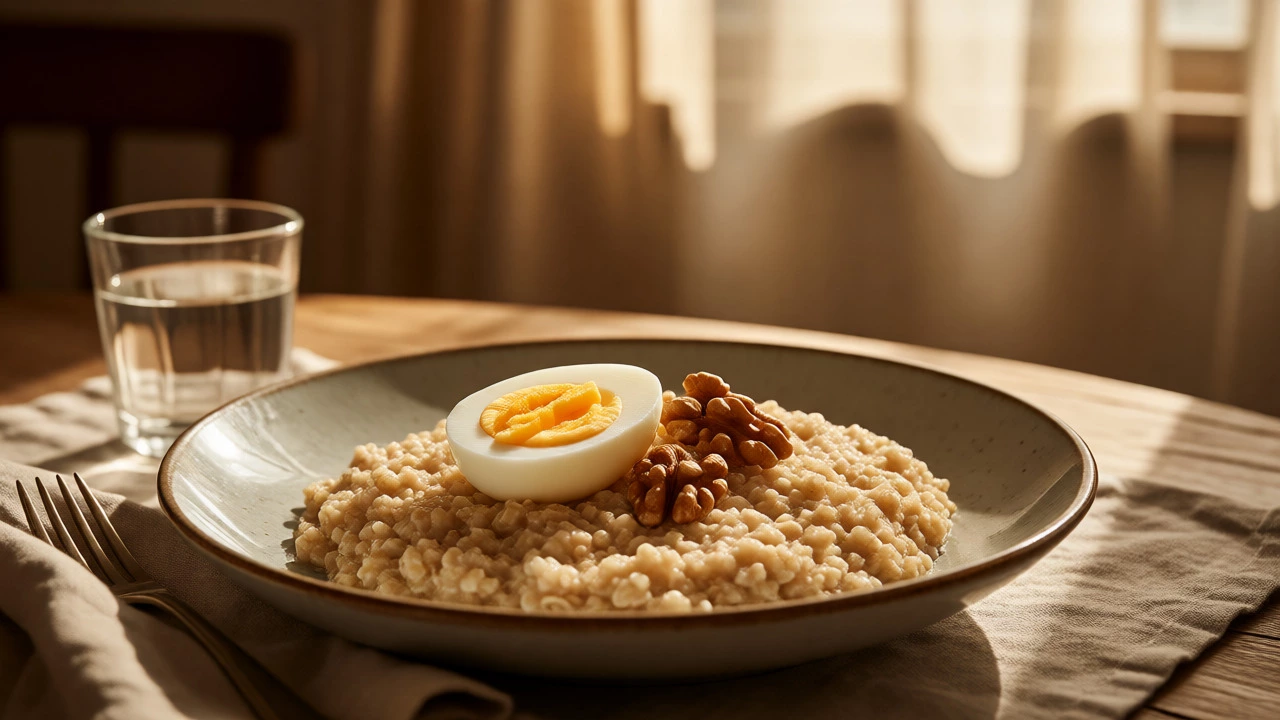
Why choose one when you can optimize both? Many health experts argue that the best approach isn't exclusion but combination. Adding an egg to your bowl of oatmeal boosts the protein content without altering the flavor profile too drastically. Alternatively, having scrambled eggs on the side of a small portion of oats creates a balanced meal with slow-burning carbs and fast-acting protein. This hybrid approach covers all bases: heart health, muscle maintenance, and stable energy levels.
Practical Tips for Your Kitchen
- Choose the right oats: Avoid "instant" varieties. Buy large tubs of rolled or steel-cut oats. You can cook them in the microwave in 90 seconds if you soak them overnight.
- Upgrade your eggs: Look for free-range or pasture-raised eggs. These often have higher levels of Omega-3 fatty acids and vitamins A and E compared to conventional battery-farmed eggs.
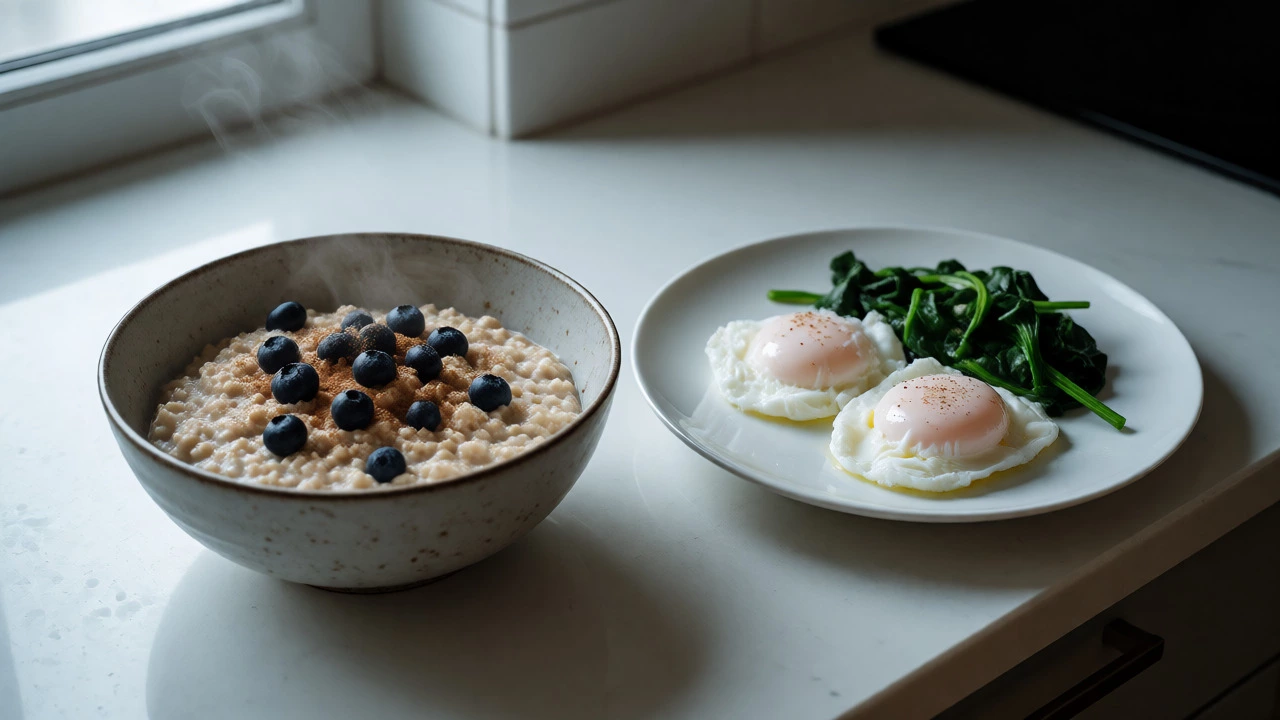
- Watch the toppings: Oatmeal becomes a dessert if you pile on brown sugar and maple syrup. Use berries, cinnamon, or a teaspoon of honey instead. For eggs, skip the bacon and try sautéed spinach or mushrooms.
- Preparation matters: Boiling eggs preserves nutrients better than frying. Steaming or simmering oats preserves more beta-glucan than boiling them dry.
Is it okay to eat eggs every day?
For most healthy adults, yes. Current guidelines suggest that consuming up to one or two eggs per day does not increase the risk of heart disease for the general population. However, individuals with diabetes or specific lipid disorders should consult their doctor for personalized advice.
Which is better for lowering cholesterol, eggs or oatmeal?
Oatmeal is generally better for actively lowering LDL cholesterol due to its high beta-glucan content. While eggs contain dietary cholesterol, they do not necessarily raise blood cholesterol levels in everyone. Oats have a direct mechanical action in the gut that helps remove cholesterol.
Can I lose weight eating oatmeal?
Yes, but only if you watch portion sizes and toppings. Oatmeal is calorie-dense when dry. A standard serving is half a cup of dry oats. Adding too much sugar or nut butter can quickly turn a 150-calorie meal into a 500-calorie one, hindering weight loss efforts.
Are eggs suitable for vegetarians?
Yes, eggs are suitable for lacto-ovo vegetarians, who consume dairy and eggs but avoid meat. They are not suitable for vegans unless replaced with plant-based alternatives. In New Zealand, many vegetarians rely on eggs as a primary protein source.
What is the healthiest way to prepare oatmeal?
The healthiest method is using plain steel-cut or rolled oats cooked with water or unsweetened milk. Avoid adding refined sugars. Enhance flavor with natural ingredients like fresh fruit, nuts, seeds, or spices such as cinnamon and ginger.