Chicken Brine & Prep Calculator
Recommended Plan
Select your options and click Calculate to see the perfect brining strategy.
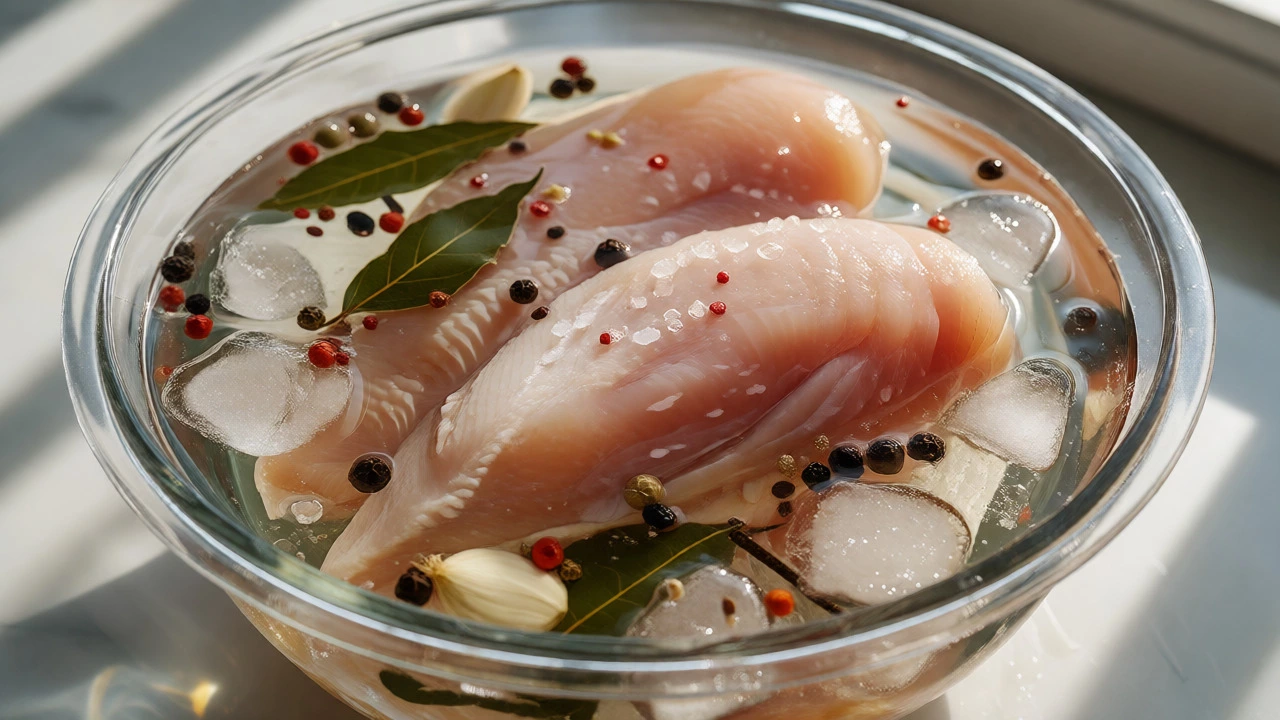
You've probably seen it on TV or read it in a blog: soak your chicken in water before you cook it. Some people swear by it. Others think it's a waste of time and just makes the meat soggy. So, what is actually happening when you put chicken in a water bath? Is it cleaning the bird? Is it tenderizing the meat? Or is it just kitchen folklore?
The answer depends entirely on what kind of "water" you're using and how long you let it sit there. There are two very different reasons to submerge chicken in liquid: brining for flavor and moisture, and rinsing for cleanliness (which is mostly unnecessary). If you mix these up, you might end up with bland, dry breast meat or worse, spread bacteria around your sink.
The Science of Juicy Meat: It’s About Osmosis
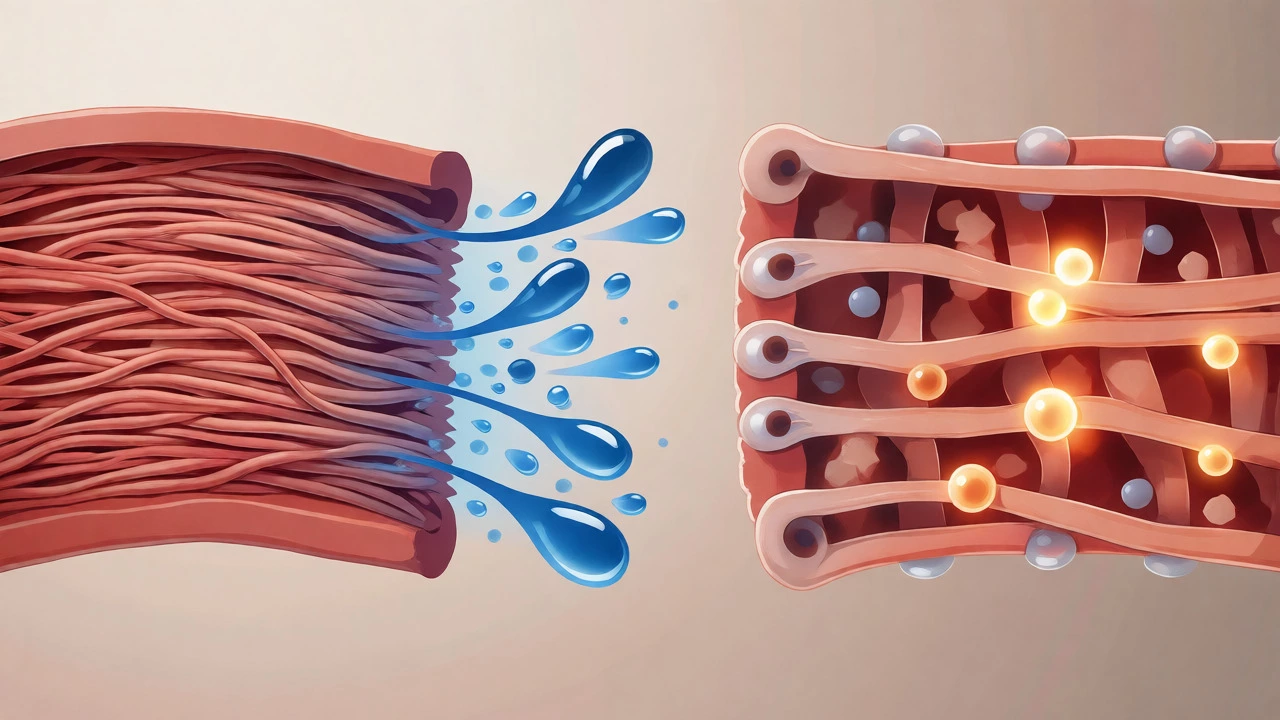
Let’s get the boring part out of the way because it explains everything. When you cook chicken, the heat causes muscle fibers to contract. As they squeeze together, they push out internal juices. That’s why overcooked chicken feels like chewing on a rubber band. The goal of soaking-or more accurately, brining-is to prevent this juice loss.
Brining is a process where you soak meat in a solution of salt and water. Here is the simple physics behind it: Salt disrupts the protein structure of the meat. It unfolds the protein strands slightly, creating space between them. Through a process called osmosis, the salty water moves into the cells of the chicken to balance the concentration. But here’s the trick: once those proteins are unfolded, they can’t re-bond as tightly when heated. This means the chicken holds onto more water during the cooking process.
Think of it like a sponge. A dry sponge shrinks when you wring it out. A soaked, heavy sponge stays bulky even if you press on it. By brining your chicken, you’re pre-loading the meat with moisture that won’t evaporate or leak out as easily in the pan.
Wet Brine vs. Dry Brine: Which Water Method Wins?
When people ask about putting chicken in water, they usually mean wet brining. But chefs often prefer dry brining, which uses no added water but still relies on the same scientific principles. Let’s break down the difference so you don’t ruin your dinner.
| Method | Ingredients | Time Required | Best For | Texture Result |
|---|---|---|---|---|
| Wet Brine | Water + Salt (+ Sugar/Spices) | 30 mins to 4 hours | Breasts, thin cuts | Very juicy, slightly softer texture |
| Dry Brine | Salt only (no water) | 1 hour to 24 hours | Whole birds, thighs | Juicy interior, crispy skin |
| Rinsing | Cold tap water | < 1 minute | Removing bone fragments | No change in moisture/flavor |
Wet brining is great for lean cuts like chicken breasts because they dry out fast. You need that extra buffer of moisture. However, wet brining can make the skin rubbery if you don’t pat it dry thoroughly before cooking. Dry brining draws moisture out initially, dissolves the salt, and then reabsorbs it back into the meat along with the dissolved proteins. It concentrates flavor better than wet brining because you aren’t diluting the meat’s natural taste with plain water.
Is Rinsing Chicken Actually Necessary?
This is the most common point of confusion. Many home cooks rinse raw chicken under the faucet because they were taught it removes slime or blood. Modern food safety guidelines, including those from the USDA, state that rinsing raw poultry does not significantly reduce bacterial load. In fact, it increases the risk of cross-contamination.
When you splash water on raw chicken, microscopic droplets containing Salmonella or Campylobacter can travel up to three feet away. These germs land on your countertops, your clean dishes, and your clothes. The heat of cooking kills these bacteria anyway. Rinsing doesn’t kill them; it just spreads them around your kitchen.
So, should you ever put chicken in water? Only if you are trying to remove visible bone shards from a butchered bird. Even then, do it gently in a bowl of cold water rather than under a running tap, and sanitize the area afterward. Do not rely on water to "clean" the meat. Cook it properly instead.
How to Wet Brine Chicken Correctly
If you decide to use the water method for juiciness, precision matters. Too much salt and your chicken tastes like seawater. Too little time and it does nothing. Here is a foolproof ratio for a basic wet brine.
- The Ratio: Use 1 cup of kosher salt per gallon of water. If you use table salt, cut the amount in half because the grains are smaller and pack tighter.
- The Temperature: Always use ice-cold water. Never brine chicken at room temperature, as this encourages bacterial growth.
- The Time: For individual breasts, 30 minutes to 1 hour is enough. For a whole bird, go for 4 to 6 hours. Do not exceed 24 hours, or the meat will become mushy.
- The Rinse: After brining, rinse the chicken briefly to remove surface salt, then pat it completely dry with paper towels. Moisture is the enemy of browning.
Adding sugar (like brown sugar or honey) to the brine helps with caramelization later. Adding aromatics like garlic, peppercorns, or bay leaves infuses subtle flavor throughout the meat, not just on the surface.
What Happens If You Skip the Water Step?
If you skip brining, your chicken isn’t doomed. It just requires more careful cooking. Without the protective layer of absorbed salt-water, the proteins will tighten aggressively as soon as they hit high heat. To compensate, you need to control the temperature precisely.
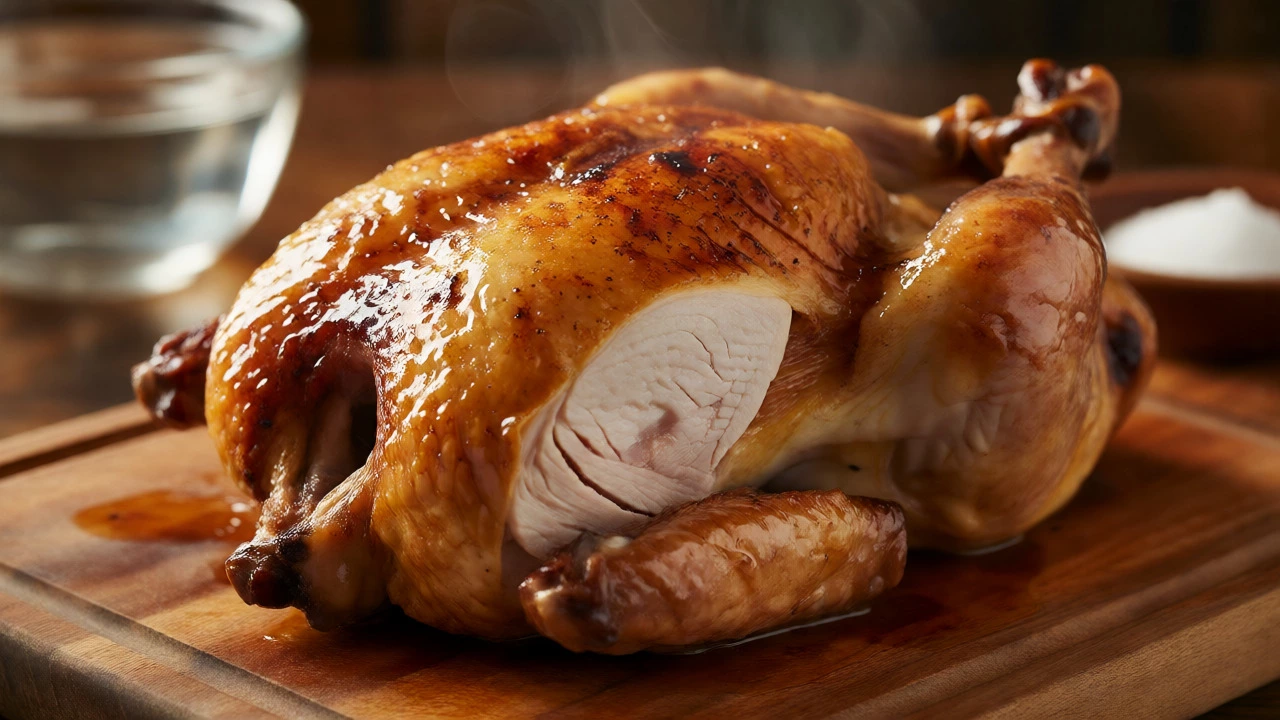
Use a meat thermometer. Pull the chicken off the heat when it hits 155°F (68°C) internally. The residual heat will carry it to the safe 165°F (74°C) while it rests. If you wait until it hits 165°F in the pan, you’ve already lost too much juice. Skipping the water step puts the burden of moisture retention on your timing skills rather than chemistry.
Troubleshooting Common Kitchen Disasters
Even with good intentions, things go wrong. Here is how to fix the most common issues related to soaking chicken.
The Problem: My chicken is too salty.
This happens if you brined for too long or used the wrong salt type. Next time, reduce the brining time. If it’s already cooked and salty, serve it with unsalted sides like rice or potatoes to balance the meal.
The Problem: The skin is pale and soft.
You didn’t dry the chicken after brining. Water creates steam, and steam prevents browning. Pat the skin aggressively with paper towels before it hits the pan or oven. Let it air-dry in the fridge uncovered for an hour if you have time.
The Problem: The texture feels weird or mushy.
You over-brined it. The proteins broke down too much. For future batches, stick to the minimum recommended times. Thin cuts need less time than thick ones.
Frequently Asked Questions
Does soaking chicken in water remove salmonella?
No, it does not. While washing may remove some surface bacteria, it cannot eliminate all pathogens like Salmonella or Campylobacter. More importantly, rinsing spreads these bacteria around your sink and kitchen via splashing. Cooking chicken to an internal temperature of 165°F (74°C) is the only reliable way to kill these germs.
Can I use vinegar or lemon juice in the water?
Yes, acidic marinades can help tenderize meat by breaking down connective tissue. However, acids work differently than salt brines. They tend to make the outer layer of the meat opaque and chalky if left too long. If you use acid, limit the soak time to 30-60 minutes for small pieces. Salt brines are generally safer for maintaining a pleasant texture.
Should I brine frozen chicken?
It is best to thaw chicken completely before brining. If you try to brine frozen chicken, the outside will absorb too much salt while the inside remains frozen and unseasoned. Thaw in the refrigerator first, then place it in the brine. This ensures even distribution of flavor and moisture.
Why does my brined chicken look pink?
Nitrites in curing salts or certain feed additives can cause a pink hue in cooked chicken, even when fully cooked. Additionally, young chickens often have porous bones that allow marrow pigments to seep into the surrounding meat. If the internal temperature has reached 165°F (74°C), the chicken is safe to eat regardless of color.
Is dry brining better than wet brining?
For most home cooks, dry brining is easier and produces better skin texture. It requires no mixing of solutions and less cleanup. Wet brining is superior for extremely lean cuts like breast meat that are prone to drying out quickly. Choose based on the cut of chicken and whether you prioritize crispy skin (dry) or maximum juiciness (wet).