Fat-Burning Food Optimizer
Select items from the categories below to construct a meal that maximizes the Thermic Effect of Food (TEF) and satiety. Watch how your choices impact your metabolic score.
1. Choose Your Protein High TEF
2. Add Volume & Fiber Stabilize Blood Sugar
3. Metabolism Boosters & Healthy Fats Satiety & Oxidation
Select foods to see analysis
Your Plate:
You've probably heard the myth that certain foods act like magic pills for your waistline. You eat a grapefruit, and suddenly those stubborn love handles vanish. The reality is less magical but way more useful: while no single food melts fat on its own, specific ingredients can tweak how your body processes energy, keeps you full longer, and stabilizes blood sugar. If you're looking to shed a few kilos or just feel lighter, knowing what foods help burn fat is about optimizing your biology, not chasing miracles.
The Thermic Effect of Food: Why It Matters
Before we list items, let's talk about why some foods are better than others at supporting fat loss. It comes down to something called the Thermic Effect of Food (TEF). This is the energy your body spends digesting, absorbing, and storing nutrients. Protein has the highest TEF-your body uses about 20-30% of protein calories just to process it. Carbs use 5-10%, and fats use only 0-3%. So, if you want your metabolism to work harder during digestion, prioritize high-protein options. This isn't just theory; it's basic biochemistry that impacts your daily calorie balance significantly.
Protein Powerhouses That Keep You Satisfied
Hunger is the enemy of any fat-loss plan. If you're starving, you'll snack on junk. High-protein foods combat this by triggering satiety hormones like peptide YY and GLP-1. They also preserve muscle mass, which is crucial because muscle tissue burns more calories at rest than fat tissue does.
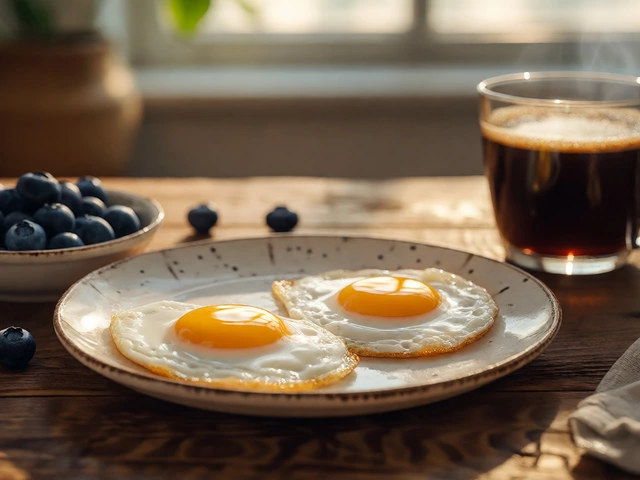
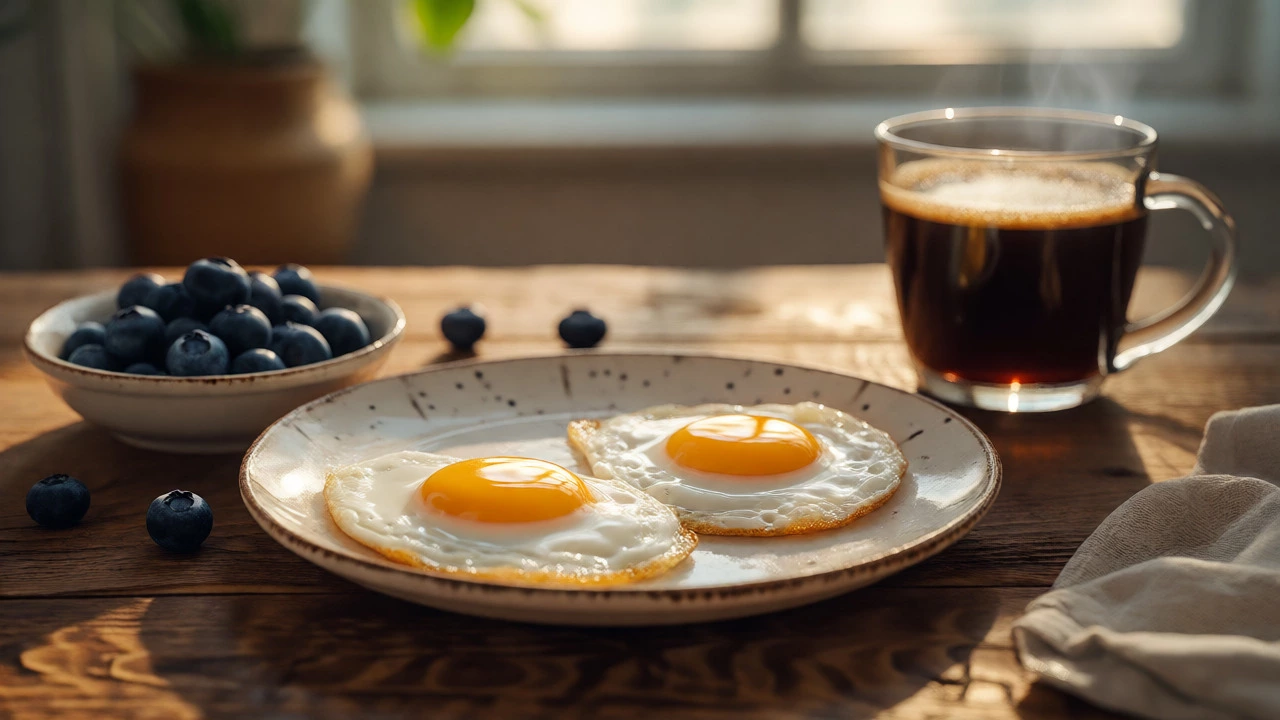
Eggs are arguably the most versatile tool in your kitchen. Eggs are a nutrient-dense source of high-quality protein and healthy fats. Studies consistently show that people who eat eggs for breakfast report feeling fuller throughout the day compared to those who eat bagels. One large egg contains about 6 grams of protein and essential choline, which supports liver function-a key player in metabolizing fat.
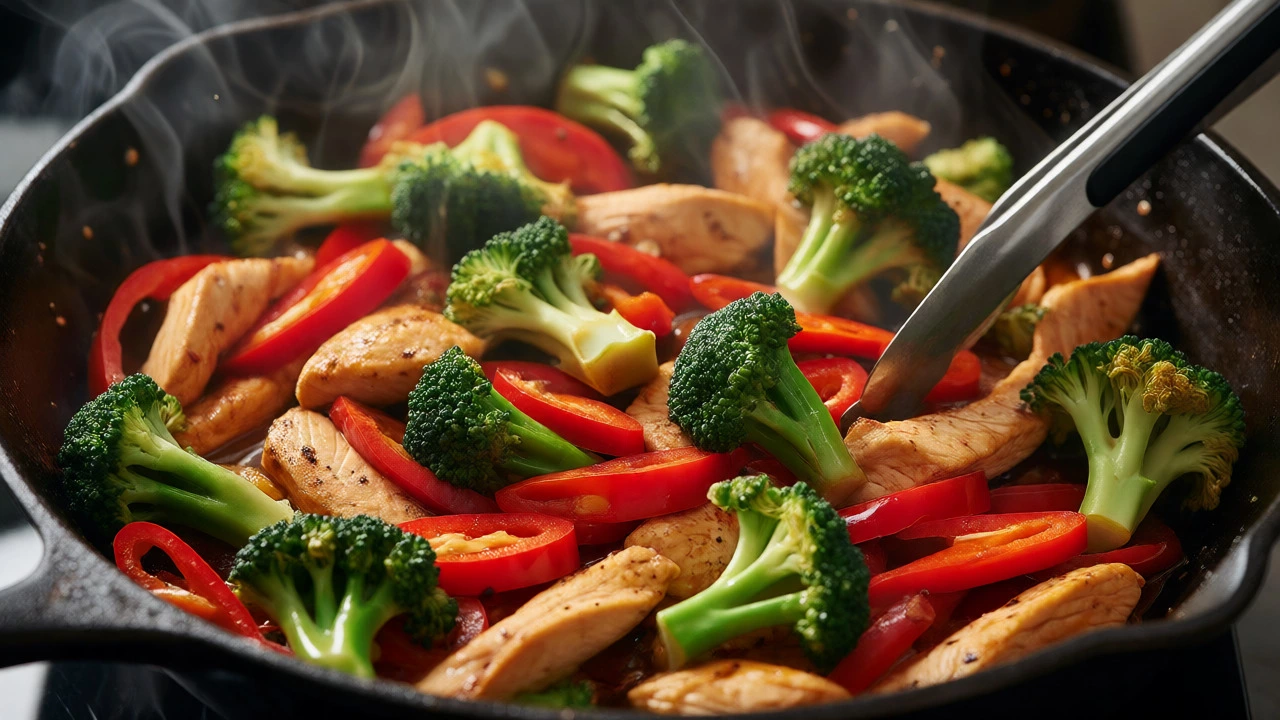
Don't overlook lean meats either. Chicken breast, turkey, and white fish like cod provide massive amounts of protein with minimal fat. For plant-based eaters, tofu and tempeh are excellent alternatives. Tempeh, specifically, offers probiotics from fermentation, which may improve gut health. Emerging research suggests a healthy gut microbiome plays a role in weight regulation, making fermented soy products a double win.
Spicy Ingredients That Ignite Metabolism
If you like heat, you have an ally. Capsaicin, the compound that makes chili peppers hot, triggers a slight increase in metabolic rate and promotes fat oxidation. It’s not enough to transform your body overnight, but over weeks and months, these small bumps add up.
Cayenne Pepper is a prime example. Cayenne pepper contains capsaicin, a bioactive compound known for its thermogenic properties. Adding half a teaspoon to your morning smoothie or lunch salad can slightly raise your core temperature, forcing your body to expend more energy to cool down. Similarly, ginger has been shown to enhance thermogenesis and reduce inflammation, which often accompanies excess weight.
Black coffee deserves a spot here too. Caffeine stimulates the central nervous system and increases adrenaline levels, preparing your body for physical activity. It also helps mobilize fatty acids from fat tissues, making them available for energy production. Just skip the sugary syrups; black coffee or green tea without milk is where the real benefits lie.
Fiber-Rich Vegetables for Volume Eating
Vegetables are low in calories but high in volume thanks to water and fiber content. This allows you to eat larger portions without blowing your calorie budget. More importantly, soluble fiber forms a gel-like substance in your gut, slowing digestion and preventing blood sugar spikes. When blood sugar stays stable, insulin levels remain low, and your body is less likely to store incoming energy as fat.
- Leafy Greens: Spinach, kale, and Swiss chard are packed with vitamins and antioxidants. They’re incredibly low in calories, so you can pile them onto plates freely.
- Cruciferous Vegetables: Broccoli, cauliflower, and Brussels sprouts contain compounds like sulforaphane, which may support detoxification pathways in the liver.
- Zucchini: With fewer carbs than most vegetables, zucchini is great for bulking up meals. Try spiralizing it into "noodles" to replace pasta.
Healthy Fats That Prevent Crashes
Diet culture spent decades fearing fat, but avoiding it completely often leads to intense cravings later. Healthy fats slow gastric emptying, keeping you satisfied for hours. They also aid in the absorption of fat-soluble vitamins (A, D, E, K).
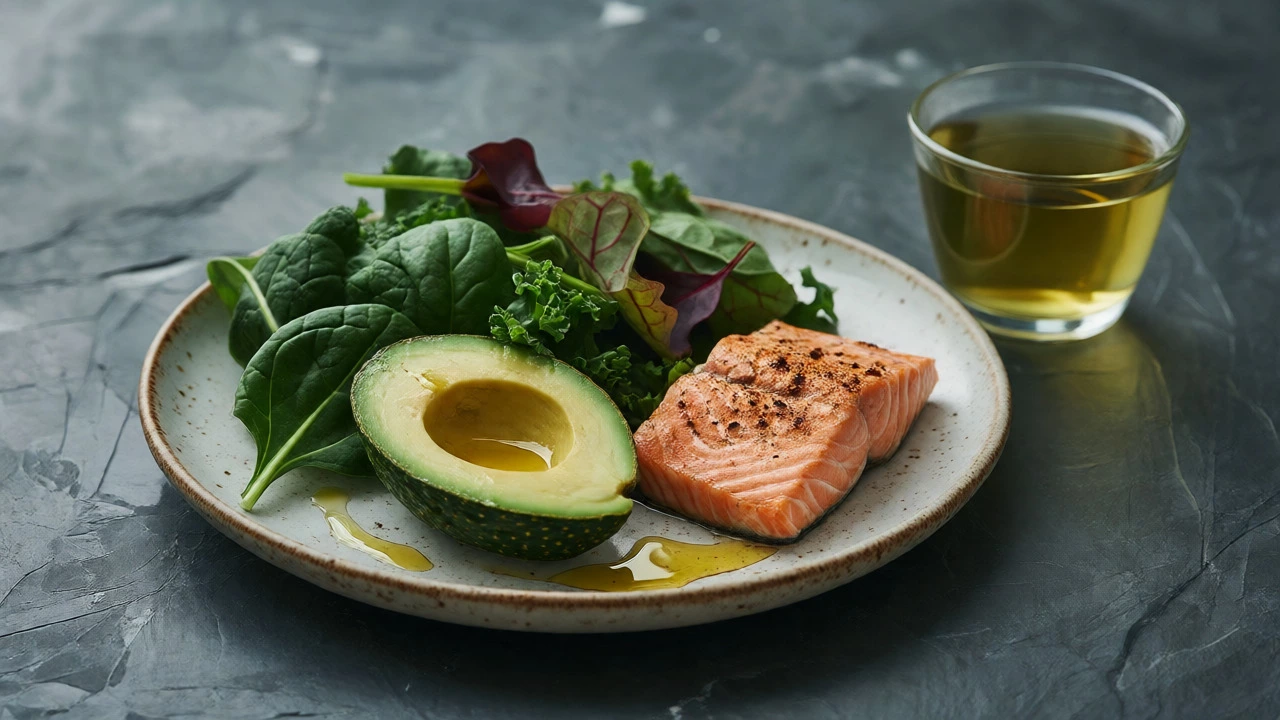
Avocados are rich in monounsaturated fats and fiber. Avocados provide creamy texture and heart-healthy fats that promote satiety and stabilize blood sugar levels. Half an avocado provides about 7 grams of fiber, which is a significant chunk of your daily recommended intake. Pairing avocado with carb-heavy foods like toast can blunt the glucose response, preventing the mid-morning crash that leads to snacking.
Olive oil is another staple. Extra virgin olive oil contains oleocanthal, an anti-inflammatory compound similar to ibuprofen. Chronic inflammation is linked to obesity and metabolic dysfunction, so using olive oil generously in salads and cooking is a smart long-term strategy. Nuts like almonds and walnuts are also beneficial, but watch portion sizes-they’re calorie-dense. A small handful (about 28 grams) is sufficient to get the benefits without overshooting calories.
Comparison: Top Fat-Burning Candidates
To make this practical, let’s compare how different categories stack up against common fat-loss goals.
| Food Category | Primary Benefit | Best Time to Eat | Preparation Tip |
|---|---|---|---|
| Lean Proteins (Chicken, Fish) | High TEF, muscle preservation | Lunch & Dinner | Grill or bake to avoid added oils |
| Spices (Chili, Ginger) | Slight metabolic boost, appetite suppression | Any meal | Add fresh or dried to savory dishes |
| Cruciferous Veggies (Broccoli) | Low calorie density, high fiber | Lunch & Dinner | Steam lightly to retain nutrients |
| Healthy Fats (Avocado) | Satiety, blood sugar control | Breakfast & Snacks | Mash on whole grain or add to salads |
| Beverages (Green Tea) | Catechins for fat oxidation | Morning & Pre-workout | Brew fresh, avoid adding sugar |
Pitfalls to Avoid
It’s easy to fall into traps when focusing on "fat-burning" foods. First, don’t ignore total calorie intake. Eating too many avocados or nuts will still lead to weight gain if you exceed your energy needs. Second, beware of processed versions. Chili sauce often contains hidden sugars, and flavored yogurts are frequently loaded with additives. Stick to whole, minimally processed ingredients whenever possible.
Also, remember that sleep and stress management matter as much as diet. Lack of sleep raises cortisol, which encourages fat storage around the abdomen. No amount of cayenne pepper will counteract chronic sleep deprivation. Pair your dietary changes with consistent rest and movement for the best results.
Next Steps: Building Your Plate
Start simple. Next time you cook dinner, ask yourself: Where is my protein? Where is my fiber? Can I add a spice for flavor without calories? Swap your side rice for roasted broccoli. Add a pinch of red pepper flakes to your tomato sauce. Drink green tea instead of soda. These small shifts accumulate into significant lifestyle changes.
Do spicy foods really burn fat?
Yes, but modestly. Capsaicin in spicy foods can increase your metabolic rate by 4-5% for a short period after eating. While this isn't a massive effect, regular consumption can contribute to a slight caloric deficit over time. It also tends to reduce appetite, leading to lower overall calorie intake.
Is drinking cold water helpful for fat loss?
Drinking water before meals can help reduce calorie intake by promoting fullness. Cold water may cause a tiny, temporary increase in calorie burning as your body works to warm it to body temperature, but the effect is minimal compared to dietary choices. Staying hydrated is crucial for optimal metabolism regardless of temperature.
Can I eat fruit while trying to lose fat?
Absolutely. Whole fruits contain fiber, which slows sugar absorption. Berries, apples, and citrus fruits are particularly good choices due to their high fiber and antioxidant content. Avoid fruit juices, which lack fiber and deliver concentrated sugar quickly.
Does coconut oil burn belly fat?
Coconut oil contains medium-chain triglycerides (MCTs), which are metabolized differently than long-chain fats. Some studies suggest MCTs may increase energy expenditure and reduce appetite, but evidence is mixed. Coconut oil is still calorie-dense, so use it sparingly rather than as a primary fat source.
How much protein should I eat to burn fat?
For fat loss, aim for 1.2 to 1.6 grams of protein per kilogram of body weight. This range supports muscle maintenance and maximizes the thermic effect of food. Distribute protein evenly across meals to keep hunger in check throughout the day.