Vegan Staple Builder & Nutrient Checker
Select ingredients below to build a sample plate. The calculator estimates total protein and fiber based on standard serving sizes mentioned in the article.
Choose Your Staples:
You walk into a supermarket aisle labeled "Plant-Based" and feel that familiar wave of confusion. There are jars of cashew cheese next to tubs of oat milk, blocks of tofu beside packages of seitan, and shelves stacked with lentils you aren't sure how to cook without turning them into mush. It’s overwhelming. But here is the secret most new vegans miss: you don't need fifty different ingredients to eat well. You need about ten reliable ones.
Whether you are transitioning from an omnivore diet, trying to reduce your carbon footprint, or just looking for cheaper grocery options, knowing which popular vegan foods actually deliver on taste and nutrition saves time and money. We aren’t talking about obscure superfoods that cost a fortune. We are talking about the workhorses of the plant-based kitchen-the items that show up in almost every successful recipe because they work.
The Protein Powerhouses That Actually Taste Good
Let’s address the elephant in the room: protein anxiety. People worry they won’t get enough, but plants are surprisingly dense in this macronutrient if you know where to look. The most popular vegan foods for protein aren't always the fancy ones; they are often the humble legumes sitting in the canned goods section.
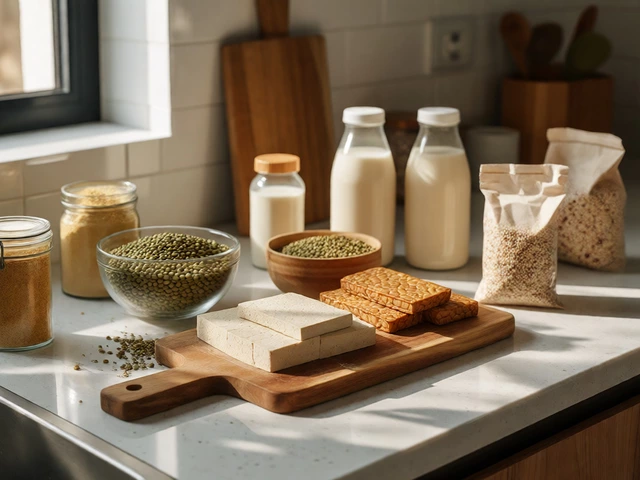
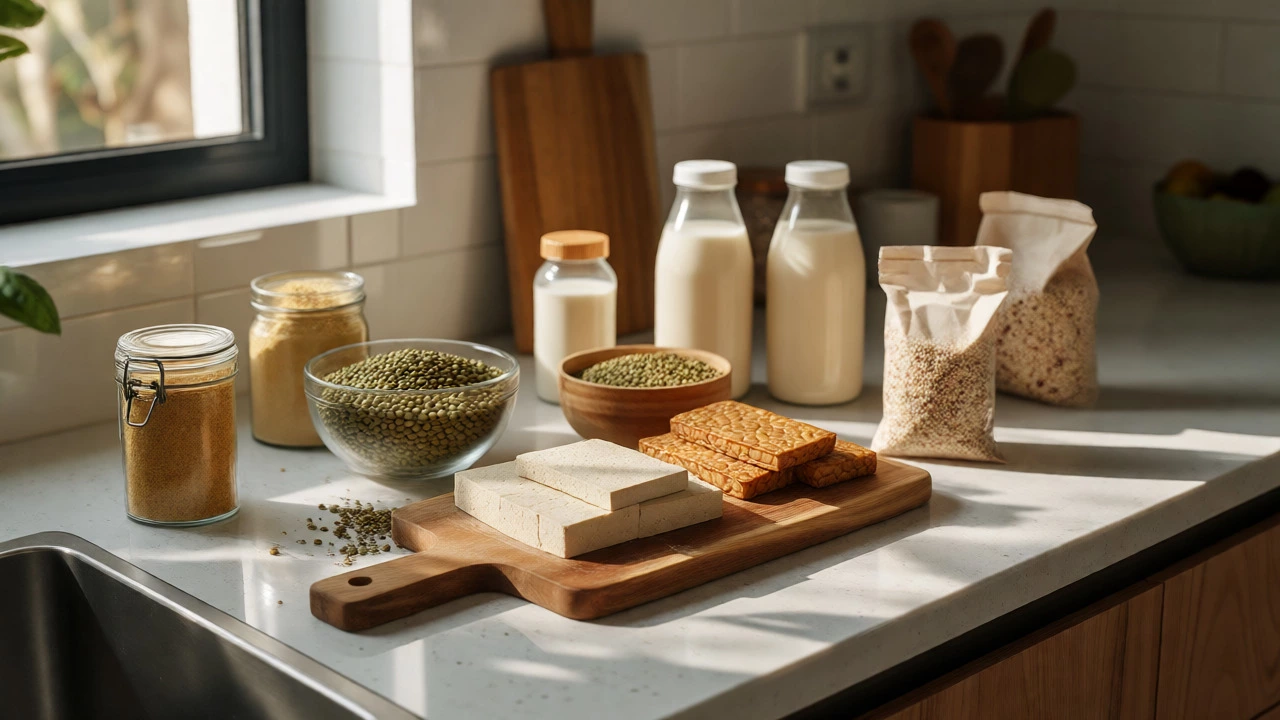
Lentils are arguably the MVP of the vegan pantry. They cook in twenty minutes, require no soaking, and absorb flavors like a sponge. Whether you use red lentils for a creamy dal or brown lentils for a hearty bolognese, they provide roughly 18 grams of protein per cooked cup. Unlike beans, which can be finicky about texture, lentils break down beautifully, making them perfect for thickening soups or binding burger patties.
Then there is Tofu. Many people hate it because they buy silken tofu and try to fry it like steak, resulting in a sad, soggy cube. Extra-firm tofu, pressed properly and marinated, is a blank canvas. It takes on whatever flavor you throw at it-soy sauce, smoked paprika, maple syrup. When baked or air-fried, it develops a crispy exterior that mimics the satisfaction of fried chicken. A standard block offers about 10-15 grams of complete protein, meaning it contains all nine essential amino acids.
For those who want something less processed than tofu, Tempeh is the answer. Made from fermented soybeans, it has a nutty, earthy flavor and a firm texture that holds up in stir-fries and sandwiches. Because it is fermented, it also supports gut health, a bonus many other protein sources lack. It’s denser than tofu, so you use less volume for the same satiety.
Dairy Alternatives That Don't Feel Like Compromise
Milk is easy to swap. Cheese is hard. Yogurt is tricky. The market has flooded with options, but only a few stand the test of daily consumption. The goal isn't to mimic dairy exactly, but to find alternatives that complement your food rather than fight against it.
Oat Milk has taken over coffee shops globally, and for good reason. Its natural sweetness and creamy mouthfeel make it ideal for lattes and baking. Unlike almond milk, which is mostly water and thin, oat milk has a viscosity that coats the tongue, providing that satisfying "heavy" feeling associated with whole milk. It froths well, too, which is crucial for anyone missing their morning cappuccino.
When it comes to cheese, Nutritional Yeast is the unsung hero. It’s not a cheese substitute in the traditional sense-you don’t melt it-but it provides that umami, cheesy, savory depth to sauces, popcorn, and pasta dishes. Sprinkled on roasted vegetables, it adds a layer of complexity that salt alone cannot achieve. It’s also frequently fortified with B12, a nutrient vegans must monitor closely.
For yogurt, Coconut Yogurt remains a top choice due to its richness. Full-fat coconut yogurt is thick, tangy, and luxurious. While some brands add thickeners like tapioca starch, the base ingredient provides healthy fats that keep you full longer than low-fat fruit yogurts. Just check the label for added sugars, as coconut’s natural sweetness is often amplified artificially.
Grains and Starches for Sustained Energy
Vegans often rely heavily on carbohydrates, but not all carbs are created equal. The most popular vegan foods in this category offer fiber and slow-release energy, preventing the afternoon slump that plagues many people after a heavy lunch.
Quinoa gets a lot of hype, but it earns its place. It is one of the few plant sources that is a complete protein, containing all essential amino acids. This makes it an excellent base for grain bowls, especially when paired with roasted veggies and tahini dressing. It cooks quickly (about 15 minutes) and has a slightly nutty flavor that pairs well with both sweet and savory ingredients.
Don’t sleep on Sweet Potatoes. They are cheap, shelf-stable, and incredibly versatile. Roasted cubes become a side dish; mashed sweet potatoes become a base for tacos or a filling for enchiladas. Their high beta-carotene content supports eye health and immunity, while their natural sweetness satisfies dessert cravings without refined sugar. In Auckland, where we have access to fresh produce year-round, sweet potatoes are a staple because they store well and are affordable.
Brown Rice remains a global staple for a reason. It is gluten-free, budget-friendly, and pairs with almost any cuisine. While white rice is quicker, brown rice retains the bran and germ, offering more fiber and nutrients. For batch cooking, it is unbeatable. Cook a big pot on Sunday, portion it out, and you have a neutral base for stir-fries, curries, or Buddha bowls throughout the week.
Fats and Flavor Builders
Plants can sometimes taste dry or flat if you don’t incorporate sufficient healthy fats. Fats carry flavor and help absorb fat-soluble vitamins like A, D, E, and K. These popular vegan foods ensure your meals feel indulgent rather than restrictive.
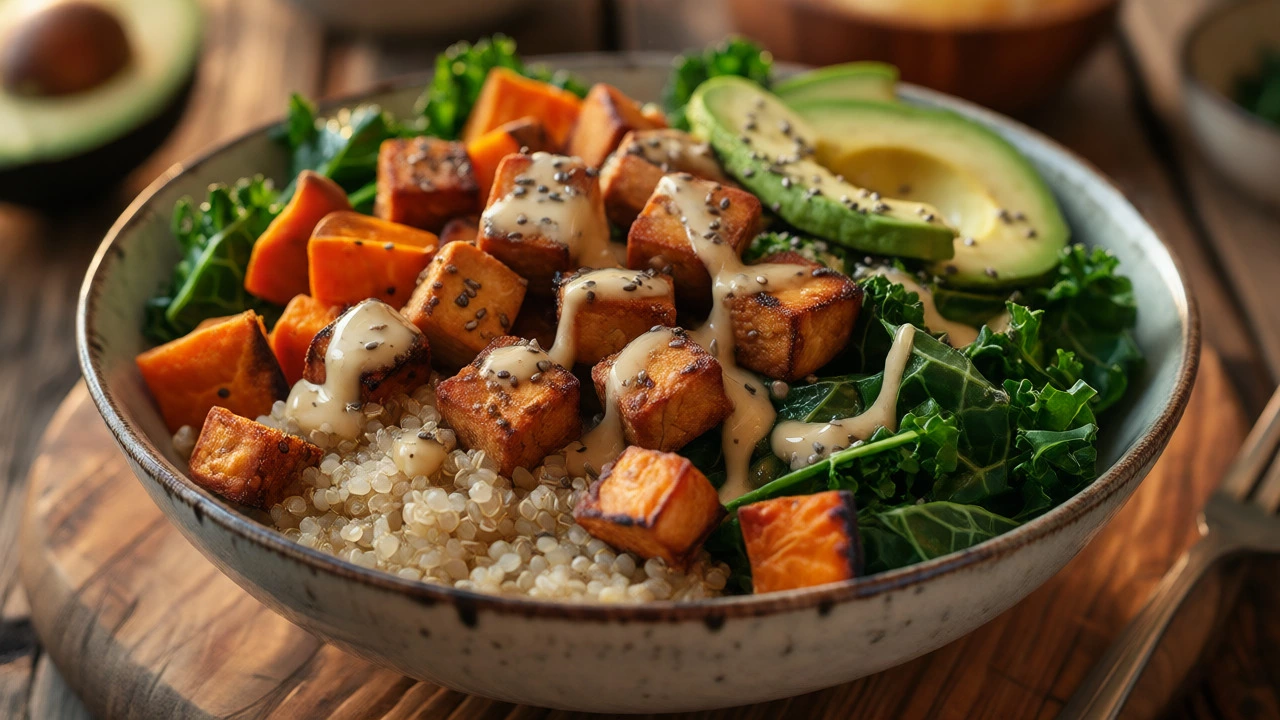
Avocados are controversial due to their environmental impact, but they remain wildly popular for a reason. They provide creaminess without dairy. Blended into smoothies, they add thickness; sliced on toast, they add richness. Avocado oil also has a high smoke point, making it suitable for high-heat cooking unlike extra virgin olive oil, which can burn easily.
Nuts and Seeds like walnuts, almonds, chia seeds, and flaxseeds are powerhouses. Chia seeds, when soaked, form a gel that acts as an egg replacer in baking. One tablespoon of chia mixed with three tablespoons of water replaces one egg in muffins or pancakes. Walnuts add crunch to salads and omega-3 fatty acids to your diet. Flaxseeds, when ground, offer similar benefits and can be sprinkled on oatmeal for a nutrient boost.
| Food Item | Primary Benefit | Protein (per serving) | Best Use Case |
|---|---|---|---|
| Lentils | High Fiber & Iron | ~18g / cup | Soups, Curries, Bolognese |
| Tofu (Extra Firm) | Complete Protein | ~10-15g / block | Stir-fries, Grilling, Scrambles |
| Quinoa | Complete Protein & Gluten-Free | ~8g / cup | Salads, Bowls, Side Dish |
| Chickpeas | Versatility & Creaminess | ~15g / cup | Hummus, Roasting, Falafel |
| Oat Milk | Creaminess & Sweetness | ~3g / cup | Coffee, Cereal, Baking |
Vegetables That Do More Than Just Garnish
Some vegetables are just sides. Others are stars. Knowing which ones can anchor a meal changes how you plan dinners.
Cauliflower has seen a massive resurgence, largely because it can mimic textures we crave. Riced cauliflower serves as a low-carb rice alternative. Roasted florets become "wings" when coated in buffalo sauce. Ground cauliflower turns into pizza crust. Its mild flavor allows it to adopt strong spices, making it a chameleon in the kitchen.
Eggplant is another textural wonder. When grilled or roasted, it becomes creamy and rich, absorbing marinades deeply. Baba ganoush, made from roasted eggplant, is a classic dip that showcases its ability to replace dairy-heavy spreads. Eggplant parmesan, using vegan mozzarella and breadcrumbs, proves that comfort food doesn't require animal products.
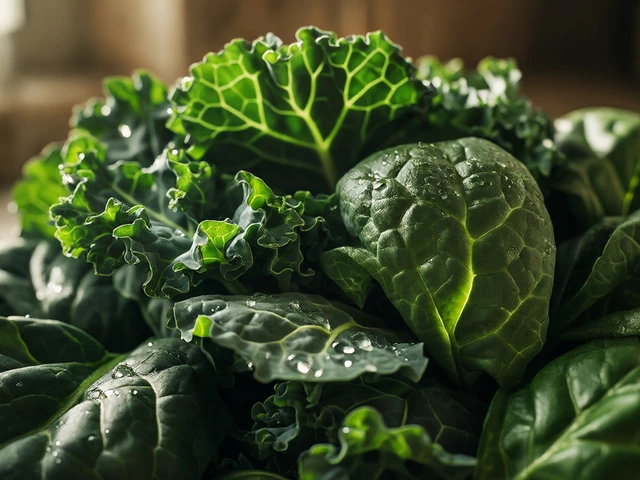
Kale is tough. Literally. If you treat it like spinach, you’ll end up chewing on leather. Massage kale with a little olive oil and lemon juice before eating it raw to break down the fibers. Or, bake it into chips for a crunchy snack. Its high vitamin K content supports bone health, which is vital for vegans who may not consume dairy calcium sources.
How to Build a Balanced Plate Using These Foods
Knowing the list is half the battle. Putting it together is the other half. A common mistake is relying too heavily on processed mock meats. While convenient, they are often high in sodium and saturated fats. Instead, aim for a plate built around whole foods.
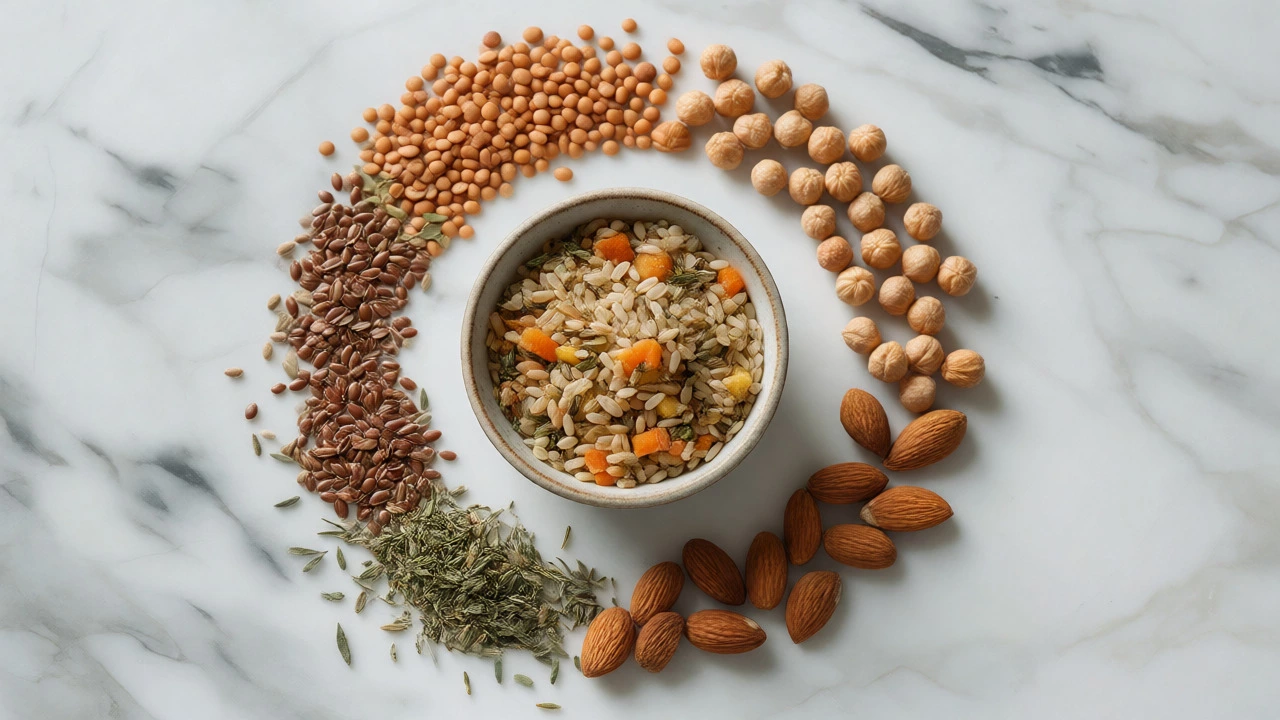
Start with a grain base (quinoa or brown rice). Add a protein source (lentils, tofu, or chickpeas). Include a healthy fat (avocado, nuts, or seeds). Fill the rest with colorful vegetables (roasted carrots, steamed broccoli, fresh greens). Season generously with herbs, spices, and acidic elements like lemon or vinegar.
For example, a simple Tuesday night dinner could be a bowl of quinoa topped with pan-fried tofu, roasted sweet potatoes, and a drizzle of tahini-lemon dressing. It takes twenty minutes, costs under five dollars, and keeps you full for hours. No mystery ingredients, no expensive specialty items.
Another quick option: Lentil soup. Sauté onions, garlic, and carrots. Add dried lentils, vegetable broth, cumin, and turmeric. Simmer until soft. Serve with crusty bread. Done. It’s warming, nutritious, and uses pantry staples you likely already own.
Pitfalls to Avoid When Shopping for Vegan Foods
Just because it says "vegan" on the package doesn't mean it’s healthy. Many vegan snacks are loaded with refined sugars and oils. Read labels. Look for short ingredient lists. If you can’t pronounce half the items, put it back.
Also, watch out for hidden non-vegan additives. Some breads contain milk powder or honey. Some wines and beers use isinglass (fish bladder) for clarification. Checking these details ensures your diet aligns with your ethics.
Finally, don’t neglect B12. It’s not naturally present in plant foods. Most vegans need a supplement or fortified foods like nutritional yeast and plant milks. Ignoring this can lead to fatigue and neurological issues over time.
What is the easiest vegan protein to cook?
Lentils are generally considered the easiest because they require no soaking and cook in under 20 minutes. Tofu is also simple if you buy pre-pressed extra-firm varieties, which save you the step of pressing out water.
Which plant milk tastes most like cow's milk?
Oat milk is widely regarded as the closest match in terms of creaminess and neutrality. Soy milk is also a strong contender, offering a higher protein content and a slightly bean-like aftertaste that some prefer.
Are frozen vegetables okay for vegans?
Absolutely. Frozen vegetables are picked at peak ripeness and flash-frozen, often retaining more nutrients than fresh produce that has sat in transit for days. They are also cheaper and reduce food waste.
How do I get enough iron on a vegan diet?
Focus on lentils, spinach, tofu, and pumpkin seeds. Pair these with vitamin C-rich foods like bell peppers, citrus fruits, or tomatoes to significantly enhance iron absorption.
Is nutritional yeast necessary?
It is not strictly necessary, but it is highly recommended for its B12 content (if fortified) and its ability to add a savory, umami flavor to dishes without using salt or MSG.