Gluten Exposure Recovery Planner
Accidentally ate gluten? Use this planner to understand your immediate next steps and estimated recovery timeline based on your condition.
Assess Your Situation
🚨 Immediate Actions (Next 24 Hours)
🥗 What to Eat & Avoid
| Eat These | Avoid These |
|---|---|
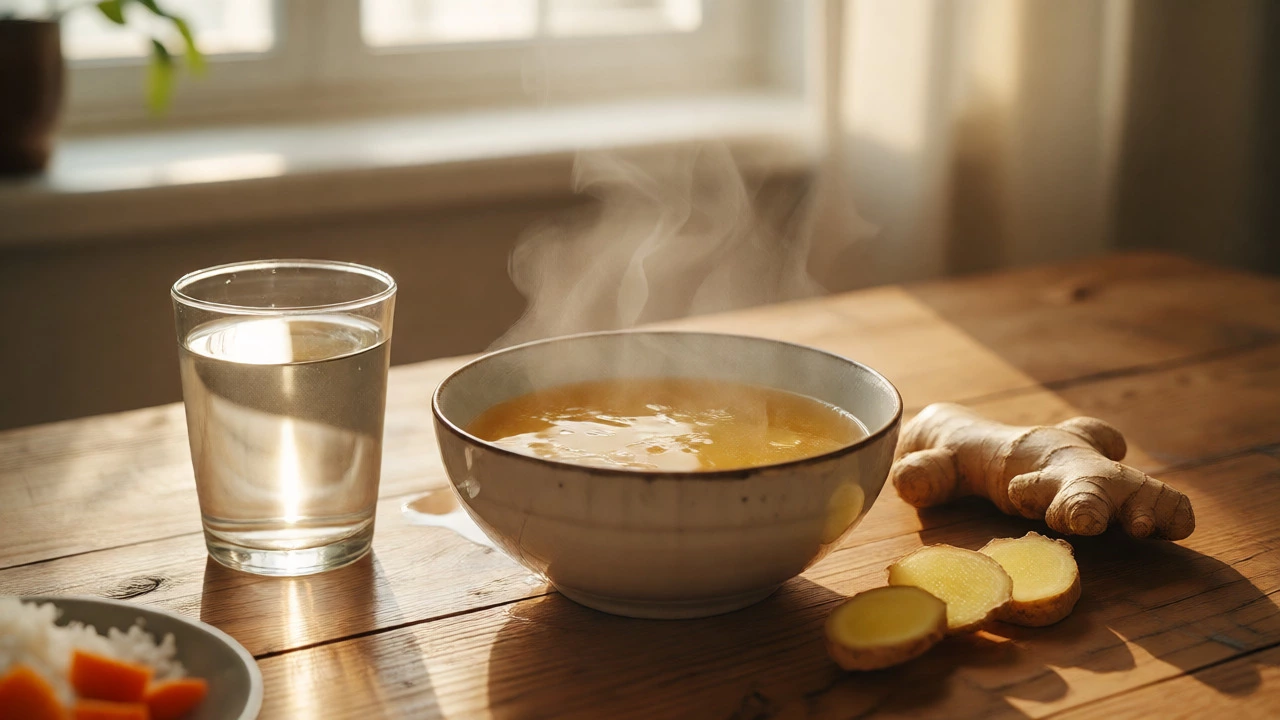
| Bone broth, White rice, Bananas, Boiled Chicken, Ginger Tea | Alcohol, Coffee, Sugar, Raw Veggies, Fried Foods, Dairy (if sensitive) |
⏳ Estimated Recovery Timeline
You ate a slice of pizza that looked innocent enough, or maybe you grabbed a sandwich from a place you thought was safe. Now, three hours later, your stomach is doing somersaults, your head feels like it’s wrapped in cotton wool, and you’re wondering: how do you flush gluten out of your body?
Here’s the hard truth: there is no magic pill, no special tea, and no quick-fix supplement that will instantly scrub gluten from your system. Once you’ve eaten gluten-containing wheat, barley, or rye, those proteins are already digesting. But while you can’t reverse time, you can significantly speed up your recovery and minimize the damage. The goal isn’t just to get the gluten out; it’s to calm the inflammation it triggers and help your gut lining heal.
Understanding What Happens When You Eat Gluten
To fix the problem, you have to understand the mechanism. For people with Celiac Disease, eating gluten isn’t just an upset stomach-it’s an autoimmune reaction. Your immune system attacks the villi in your small intestine, flattening them and preventing nutrient absorption. For those with Non-Celiac Gluten Sensitivity, the symptoms are similar but less destructive to tissue, though still miserable.
The "flush" people talk about is actually two separate processes: 1. Digestion and Elimination: Moving the food through your GI tract. 2. Inflammation Reduction: Calming the immune response triggered by the gluten peptides.
If you ignore the inflammation part, you might feel better once the bloating stops, but your gut could still be healing for weeks. So, let’s look at what actually helps both processes.
Hydration Is Your First Line of Defense
It sounds basic, but water is the most effective tool you have. Gluten consumption often leads to dehydration because of diarrhea or vomiting, which many people experience during a flare-up. Even if you don’t have those extreme symptoms, inflammation causes fluid retention in tissues, leaving your cells dehydrated.
What to drink:
- Plain Water: Aim for at least 2-3 liters over the next 24 hours. This helps move waste through your intestines.
- Electrolyte Drinks: If you’ve had diarrhea, plain water isn’t enough. You need sodium, potassium, and magnesium. Coconut water is a great natural option, or you can use a low-sugar electrolyte powder.
- Ginger Tea: Ginger has proven anti-inflammatory properties. It also speeds up gastric emptying, meaning food moves through your stomach faster, reducing that heavy, nauseous feeling.
Avoid alcohol and sugary sodas. Alcohol irritates the gut lining further, and sugar feeds bad bacteria that thrive when your microbiome is disrupted by gluten exposure.
Foods That Help Heal and Protect the Gut
You might think fasting is the answer. While giving your digestion a break can help, starving yourself can stress your body. Instead, focus on foods that are easy to digest and actively support gut repair.
| Category | Eat These (Gentle & Healing) | Avoid These (Irritating) |
|---|---|---|
| Proteins | Bone broth, boiled chicken, steamed fish, eggs | Fried meats, processed deli meats, breaded items |
| Carbs | White rice, cooked carrots, sweet potatoes, bananas | Whole grains, legumes, raw vegetables, high-fiber fruits |
| Fats | Olive oil, avocado, ghee | Seed oils, margarine, deep-fried snacks |
| Fluids | Water, herbal tea, bone broth | Alcohol, coffee, soda, fruit juice |
Bone Broth deserves special mention. It contains collagen and amino acids like glycine and proline, which are building blocks for the intestinal wall. Studies suggest these compounds can help seal a "leaky gut," a condition where tight junctions between intestinal cells become permeable, allowing toxins into the bloodstream. Drinking warm bone broth soothes the stomach and provides nutrients without requiring much digestive effort.
Rice is another hero. White rice is hypoallergenic and extremely easy to digest. Unlike brown rice, which has fiber that can irritate an inflamed bowel, white rice provides energy without the bulk. Pair it with steamed carrots for beta-carotene, which supports mucosal health.
The Role of Probiotics and Enzymes
When gluten hits your system, it disrupts your gut microbiome. Beneficial bacteria decrease, and inflammatory markers rise. Reintroducing good bacteria can help restore balance, but timing matters.
Don’t take a massive probiotic capsule immediately after eating gluten. Your gut is already sensitive. Wait until the acute symptoms subside-usually 24 to 48 hours-and then introduce a gentle probiotic. Look for strains like Lactobacillus rhamnosus or Bifidobacterium lactis, which have been shown to reduce gastrointestinal distress in sensitive individuals.
Some people swear by DPP-IV enzymes. These are supplements designed to break down gluten proteins. However, here’s the catch: they work best if taken with the meal that contains gluten. Taking them after the fact is largely ineffective because the protein has already moved past the point where the enzyme can act efficiently. Think of DPP-IV as insurance, not a cure.
Movement and Stress Management
Your gut and brain are connected via the vagus nerve. Stress slows digestion, while movement speeds it up. If you’re lying in bed worrying about your symptoms, you’re likely making the bloating worse.
Try gentle movement. A 15-minute walk outside can stimulate peristalsis-the wave-like muscle contractions that move food through your digestive tract. Yoga poses like "Wind-Relieving Pose" (Apanasana) can physically massage the intestines and help release trapped gas.
Deep breathing exercises also activate the parasympathetic nervous system, which is responsible for "rest and digest." Four seconds in, seven seconds hold, eight seconds out. Do this five times. It signals your body that it’s safe to process food, potentially easing cramping.

How Long Does It Actually Take?
This is the question everyone asks, and the answer varies wildly based on individual biology.
- Symptom Relief: For mild sensitivities, you might feel normal within 24-48 hours if you hydrate and eat bland foods.
- Intestinal Healing: For Celiac patients, the villi can take anywhere from 6 months to 2 years to fully regenerate after accidental exposure.
- Systemic Inflammation: Joint pain and brain fog may linger for a week or more, even after the stomach settles.
Be patient. Pushing yourself too hard too soon can trigger a second wave of symptoms. Listen to your body. If you’re tired, rest. If you’re hungry, eat simple, clean foods.
Preventing Future Accidents
Flushing gluten out is reactive. Preventing it is proactive. Most accidental exposures happen due to cross-contamination or hidden ingredients.
Check labels for sneaky sources of gluten: soy sauce (often contains wheat), malt vinegar, salad dressings, and processed meats. In New Zealand and Australia, labeling laws are strict, but "may contain traces" warnings are common in shared manufacturing facilities.
Keep a "safe snack" kit in your bag. Nut packets, gluten-free crackers, or fresh fruit can save you from grabbing a convenience store sandwich when hunger strikes. Remember, one bite of regular bread can set back your progress by days. Treat every meal as a potential risk until you know the source completely.
Does drinking lemon water help flush gluten?
Lemon water itself doesn't neutralize gluten, but it promotes hydration and stimulates digestion. The acidity can help some people feel less bloated, and staying hydrated is crucial for moving waste through the intestines. Just ensure the water isn't too cold, as ice-cold drinks can sometimes slow digestion in sensitive individuals.
Can I take activated charcoal to absorb gluten?
Activated charcoal binds to substances in the gut, but its effectiveness against gluten specifically is limited. Gluten proteins are large molecules, and charcoal works better on smaller toxins or gases. It might help with general bloating or gas associated with a flare-up, but it won't prevent the immune reaction in Celiac disease. Use it cautiously, as it can also absorb medications and nutrients.
Why do I still feel sick days after eating gluten?
This is due to the inflammatory response. Even after the gluten is physically gone from your digestive tract, your immune system remains active, causing swelling and irritation in the gut lining. This inflammation takes time to subside. Additionally, your gut microbiome may be temporarily imbalanced, leading to continued digestive discomfort until healthy bacteria repopulate.
Is fasting helpful for flushing out gluten?
Short-term fasting (12-24 hours) can give your digestive system a rest, which may alleviate immediate symptoms like nausea or severe bloating. However, prolonged fasting isn't recommended because your gut lining needs nutrients to heal. Focus on easily digestible foods like bone broth and rice rather than complete starvation.
Do Epsom salt baths help remove gluten?
Epsom salt baths do not remove gluten from your body, as gluten is digested internally. However, soaking in Epsom salts (magnesium sulfate) can help relax muscles, reduce joint pain, and promote relaxation, which indirectly aids the body's stress-reduction mechanisms. Magnesium absorption through the skin is debated, but the relaxation benefit is real.