Japanese Dinner Planner & Time Estimator
30 min | ~$4.50
25 min | ~$3.80
20 min | ~$4.20
10 min | ~$1.50
10 min | ~$2.00
0 min | ~$1.00
5 min | ~$2.50
Your Meal Plan Summary
Forget the elaborate kaiseki banquets you see in travel magazines. For most families in Tokyo, Osaka, or rural Hokkaido, Japanese dinner is about balance, speed, and comfort. It’s not a performance; it’s fuel. If you’re looking to replicate that authentic feel at home, especially with a focus on chicken a versatile protein central to many modern Japanese home meals due to its affordability and ease of preparation, you need to understand the rhythm of the evening.
The core problem isn’t finding exotic ingredients-it’s understanding the structure. A typical Japanese dinner isn’t just “one big dish.” It’s a symphony of small plates. This approach, rooted in the concept of *shokuji* (meal), ensures you get a wide range of nutrients without feeling overly stuffed. The result? You eat less, feel fuller, and digest better. Let’s break down exactly what lands on the table and how you can adapt it using chicken as your primary protein.
The Anatomy of a Standard Japanese Evening Meal
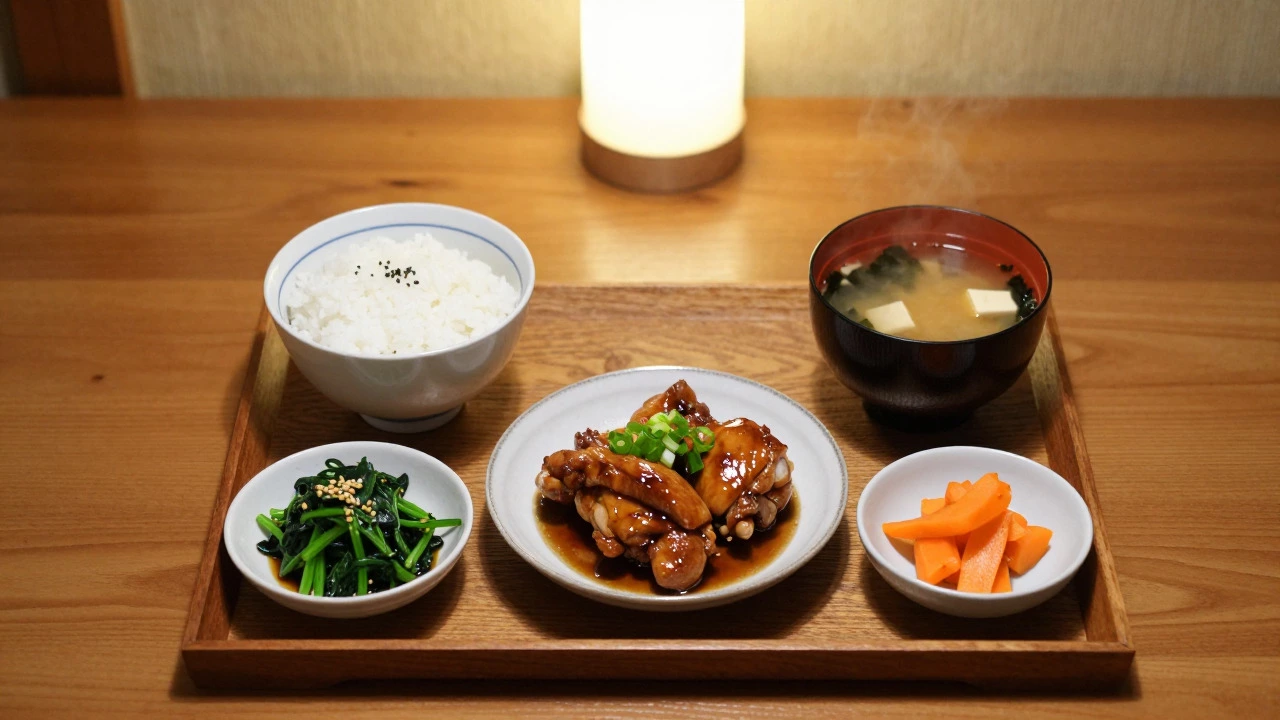
When you walk into a Japanese home during dinnertime, you’ll rarely see a single plate. Instead, you’ll see a tray or multiple small bowls. This follows the traditional *ichiju-sansai* pattern: one soup, three side dishes. While modern life has simplified this slightly, the logic remains intact.
- Rice: Steamed white rice is the non-negotiable base. It’s usually short-grain, sticky, and served hot in a bowl.
- Miso Soup: A warm broth made from fermented soybean paste (*miso*), dashi (fish stock), tofu, and wakame seaweed. It’s salty, savory, and hydrating.
- Main Protein: This is where chicken often shines. Think grilled, simmered, or fried pieces.
- Pickles (Tsukemono): Small portions of pickled vegetables like daikon radish or cucumber. They cut through the richness of the main dish.
- Sides (Okazu): Seasonal vegetables, often blanched, stir-fried, or simmered in soy sauce and mirin.
This structure serves a specific purpose: variety. By eating small portions of different foods, you avoid the monotony of a single large entrée. It also allows for textural contrast-the softness of rice, the crispness of pickles, the warmth of soup, and the chewiness of meat.
Why Chicken Is the Go-To Protein for Busy Families
In the past, beef was the premium choice, but today, chicken is the workhorse of Japanese home cooking. Why? It’s cheap, widely available, and cooks fast. For parents juggling school runs and part-time jobs, chicken offers a perfect balance of flavor and convenience.
You don’t need complex cuts. Thighs are preferred over breasts because they stay juicy even if slightly overcooked. Wings are popular for their high flavor-to-effort ratio. Here are three classic ways Japanese households prepare chicken for dinner:
- Niimono (Simmered Dishes): Chicken thighs simmered slowly with ginger, garlic, soy sauce, sake, and mirin. The result is tender, glossy meat that soaks up the sweet-savory sauce. It pairs perfectly with plain rice.
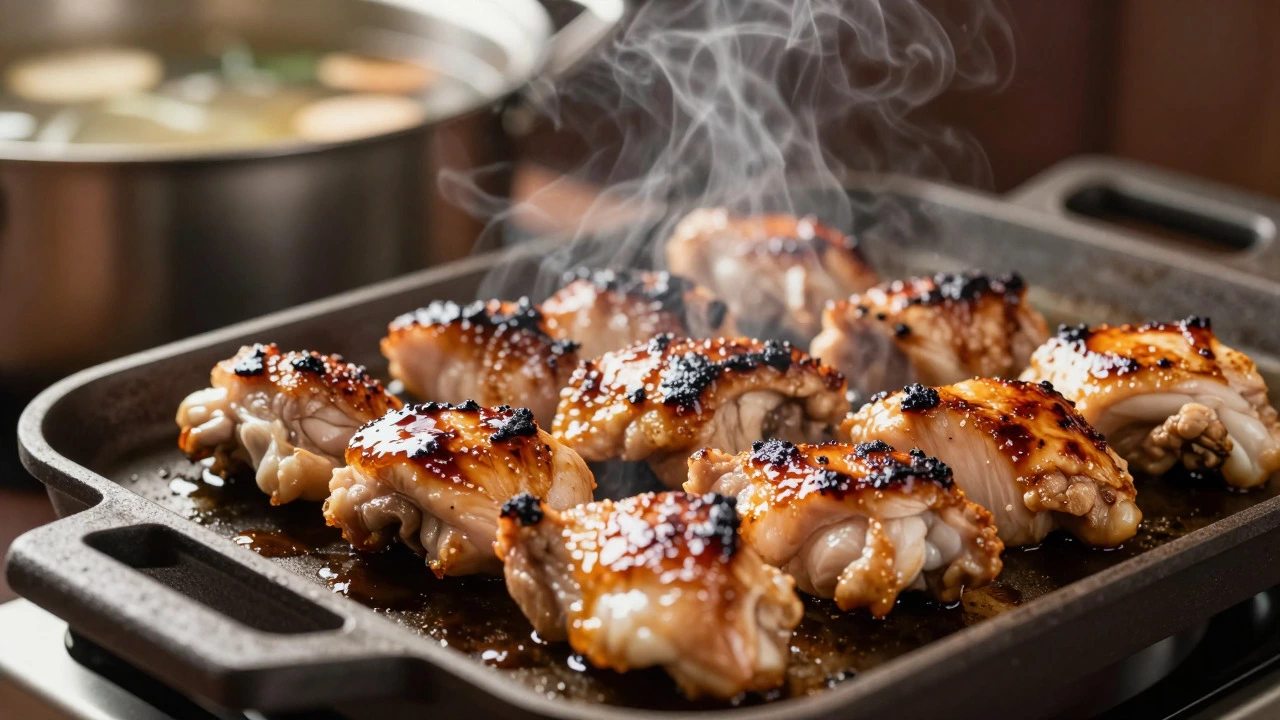
- Yakitori-Style Grilling: Cubes of chicken marinated in tare (soy-based glaze) and grilled until charred. At home, this might be done on a stovetop grill pan. It’s smoky, intense, and requires minimal cleanup compared to a full barbecue.
- Torigaraage (Fried Chicken): Bites of chicken coated in potato starch (not flour) and deep-fried. Potato starch creates a lighter, crispier crust that doesn’t get soggy quickly. It’s often served with lemon wedges and a simple dipping sauce.
Notice the common thread: simplicity. There are no heavy batters, no complicated reductions. The flavor comes from the quality of the base sauces-soy, mirin, sake-and the freshness of aromatics like ginger and scallions.
Beyond the Main Dish: The Supporting Cast
A dinner centered on chicken would feel incomplete without the supporting elements. These sides aren’t just fillers; they’re functional components that reset your palate between bites.
Miso Soup a staple Japanese soup made with miso paste, dashi, tofu, and seaweed, providing umami depth and hydration is the first thing poured. It’s light enough to drink but rich enough to satisfy. Most families make a batch of dashi (stock) on weekends, which keeps the soup-making process under five minutes.
Then there’s the vegetable component. In Japan, seasonality dictates the menu. In summer, you’ll see edamame, zucchini, and green beans. In winter, root vegetables like burdock and lotus root take center stage. For a quick weeknight version, try blanching broccoli or spinach and drizzling it with sesame oil and a splash of soy sauce. It takes ten minutes and adds crucial fiber and color to the plate.
Don’t skip the pickles. A small dish of *tsukemono* (pickled vegetables) acts as a digestive aid. The acidity cuts through the saltiness of the miso and the richness of the chicken. If you don’t have time to pickle something yourself, store-bought pickled radish (*takuan*) is an excellent substitute.
Building a Balanced Plate: A Practical Guide
How do you actually assemble this? Here is a step-by-step framework for creating a balanced Japanese-style dinner with chicken.
| Component | Example Item | Preparation Time | Key Flavor Profile |
|---|---|---|---|
| Starch Base | Steamed Short-Grain Rice | 45 mins (or instant) | Neutral, Sweet |
| Protein | Simmered Chicken Thighs | 30 mins | Savory, Sweet, Umami |
| Soup | Tofu Miso Soup | 10 mins | Salty, Earthy |
| Vegetable Side | Sesame-Glazed Spinach | 10 mins | Nutty, Fresh |
| Pickle | Pickled Daikon Radish | Store-bought | Acidic, Crisp |
Start by starting the rice, as it takes the longest. While it steams, prep your chicken. If you choose the simmered method, brown the chicken lightly in a pot, then add water, soy sauce, sake, mirin, and sliced ginger. Simmer on low heat for 20-25 minutes. Meanwhile, chop your tofu and seaweed for the soup. Once the chicken is nearly done, bring a small pot of dashi to a boil, turn off the heat, and whisk in the miso paste. Add the tofu and seaweed. Finally, blanch your greens and toss them with sesame oil.
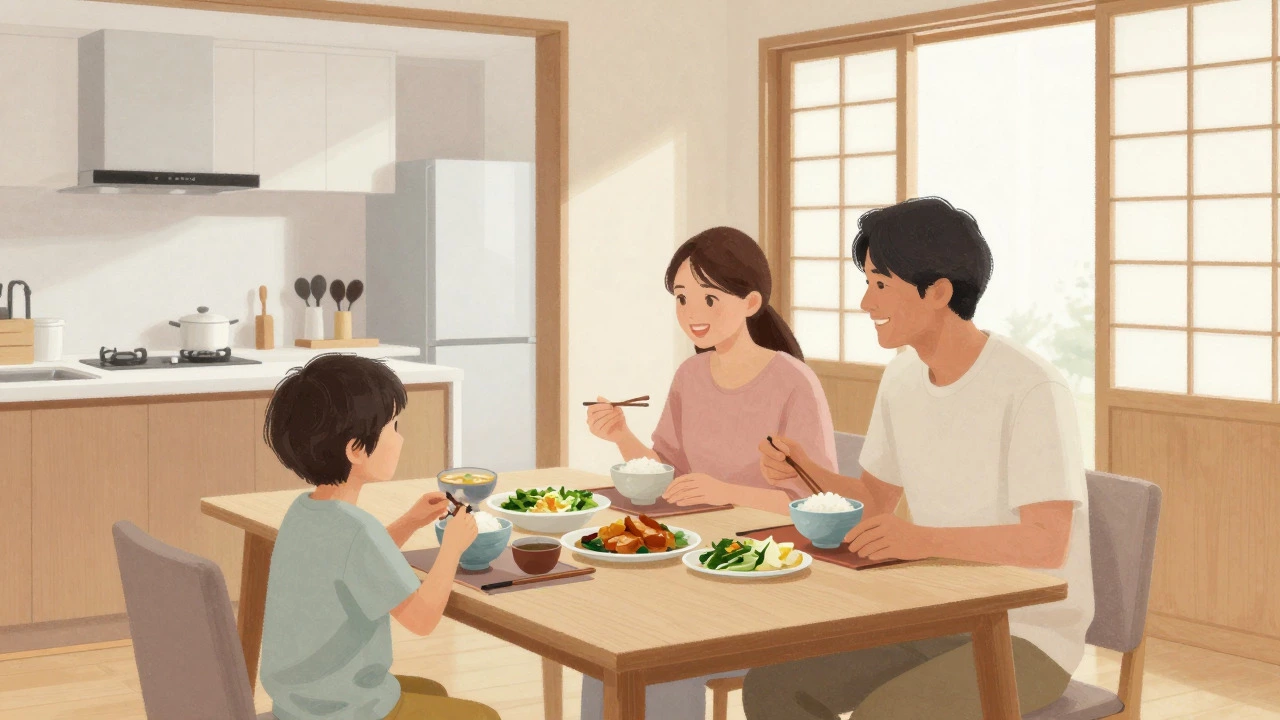
Plate everything together. The visual appeal matters here. Use separate bowls for the rice and soup, and smaller plates for the chicken and sides. This separation encourages mindful eating and makes the meal look more abundant than it actually is.
Common Mistakes to Avoid
Many people trying to cook Japanese food at home fall into a few traps. First, they overcook the chicken. Because Japanese cooking relies on gentle simmering or quick grilling, chicken breast can dry out easily. Stick to thighs or cook breasts in short bursts. Second, they ignore the seasoning balance. Japanese cuisine is built on the interplay of sweet, salty, sour, and bitter. If your chicken dish is only salty, it will taste flat. Always include a touch of sweetness (mirin or sugar) and an acid (vinegar or citrus) to brighten the profile. Third, they treat it as a Western meal. Don’t serve a giant slab of meat with mashed potatoes. Embrace the multi-dish format. Even if you’re eating alone, set out three or four small bowls. It changes the psychological experience of the meal from “fueling” to “dining.”
Adapting for Modern Lifestyles
Not everyone has time to make dashi from scratch or pickle radishes daily. That’s okay. Modern Japanese home cooking is flexible. You can use instant dashi powder for the soup. You can buy pre-cooked chicken and reheat it in a teriyaki glaze. You can swap fresh greens for frozen edamame. The key is maintaining the *structure*. As long as you have a carb, a protein, a soup, and a vegetable, you’re hitting the mark. This flexibility is why these meals remain popular-they’re adaptable to whatever ingredients you have on hand.
Frequently Asked Questions
Do Japanese people always eat rice for dinner?
Mostly, yes. Rice is considered the foundation of a proper meal. However, noodles like udon or soba are sometimes substituted for lunch or light dinners. For a standard family dinner, rice is still the default choice.
Is Japanese dinner healthy?
Generally, yes. The emphasis on vegetables, lean proteins like fish and chicken, and fermented foods like miso supports gut health and nutrient density. Portion sizes are typically smaller than in Western diets, which helps with weight management.
Can I use chicken breast instead of thighs?
Yes, but be careful. Breast meat is leaner and dries out faster. If using breast, cook it quickly over higher heat or ensure it stays moist in a simmering liquid. Thighs are more forgiving and flavorful for beginners.
What is the difference between Japanese and Western dinner styles?
Western dinners often center around a large main course with sides. Japanese dinners emphasize variety and balance across multiple small dishes. The focus is on harmony of flavors and textures rather than quantity of a single item.
How much does a home-cooked Japanese dinner cost?
It depends on location and ingredient choices, but generally, it is affordable. Chicken, rice, tofu, and seasonal vegetables are budget-friendly staples. A family-sized dinner can often be prepared for less than $10-$15 per person in many regions.