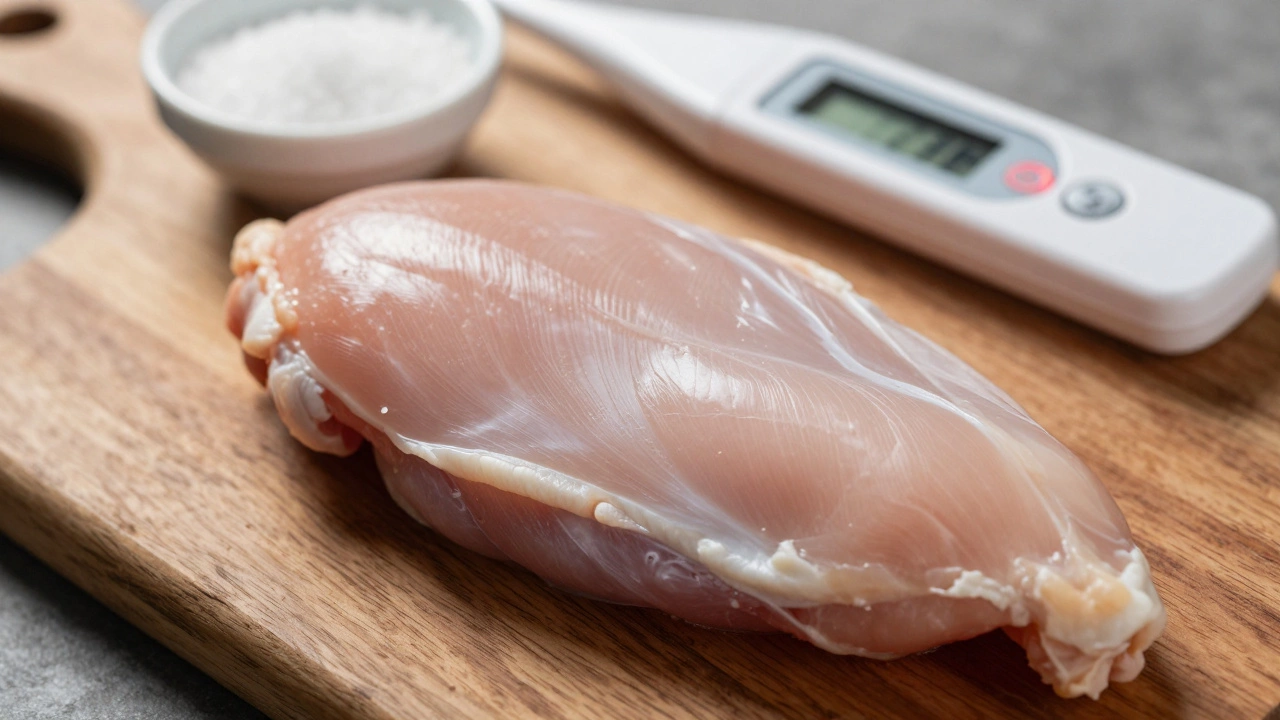
Perfect Chicken Temperature Calculator
Current Internal Temp
Temperature Guide & Safety Zone
Action Required
Adjust temperature to see recommendations.
| Metric | Value |
|---|---|
| Ideal Pull Temp | -- |
| Carryover Rise | -- |
| Rest Time | -- |
| Final Projected Temp | -- |
There is nothing worse than biting into a piece of roast chicken or a pan-seared breast only to find it tough, stringy, and completely devoid of moisture. You followed the recipe. You used fresh ingredients. So why did it turn out like leather? It isn't bad luck, and it usually isn't the quality of the bird. In most cases, dry chicken is a physics problem, not a culinary failure.
The culprit is almost always heat management. Chicken breast, in particular, is lean muscle with very little fat to protect it from high temperatures. When you cook it past its safe internal temperature, the proteins tighten up and squeeze out every drop of water they are holding. Once that water leaves the meat, it’s gone forever. You can’t sauce your way back to juiciness if the structure has already collapsed.
The Protein Squeeze: What Actually Happens Inside
To fix the problem, we have to understand what is happening on a molecular level. Chicken meat is made mostly of water and protein. Think of proteins as long chains folded into tight balls. When you apply heat, these balls start to unravel and bond together, forming a mesh. This process is called denaturation.
As the temperature rises, this mesh gets tighter. At around 140°F (60°C) is the point where chicken proteins begin to contract significantly, the mesh starts squeezing out the water trapped inside. By the time you hit 165°F (74°C) is the USDA recommended safe temperature for cooked poultry, the contraction is intense. If you keep heating it past that point, even by just a few degrees, the meat becomes dense and dry because there is simply no room left for moisture.
This is why dark meat (thighs and legs) stays juicy longer than white meat (breasts). Dark meat has more connective tissue and fat. That collagen breaks down into gelatin at higher temperatures, keeping the meat moist. Breast meat lacks this buffer, making it incredibly unforgiving.
The Carryover Cooking Trap
One of the biggest mistakes home cooks make is pulling the chicken off the heat exactly when the thermometer reads 165°F. Here is the reality: cooking doesn't stop the second you turn off the oven or remove the pan from the stove. Heat continues to travel from the hotter outer layers of the meat toward the cooler center. This is known as carryover cooking.
For a large roast chicken, the internal temperature can rise by 10°F to 15°F while resting. For thinner cuts like breasts, it might rise by 5°F. If you pull your chicken at 165°F, it will likely end up at 175°F or higher by the time you slice it. That extra ten degrees is often enough to turn a tender bite into a dry one.
The solution is simple but counterintuitive: undercook it slightly. Pull your chicken from the heat source when it reaches about 155°F to 160°F (68°C - 71°C) is the ideal target temperature before resting to account for carryover cooking. Let it rest for at least five to ten minutes. During this time, the juices redistribute, and the temperature safely climbs to the required 165°F without overcooking the fibers.
| Cut Type | Pull Temp (°F) | Rest Time | Final Temp (°F) |
|---|---|---|---|
| Chicken Breast | 155-160 | 5-10 mins | 165+ |
| Thighs/Legs | 170-175 | 5 mins | 175-180 |
| Whole Bird | 160 (Thickest part) | 15-20 mins | 165+ |
Brining: The Moisture Insurance Policy
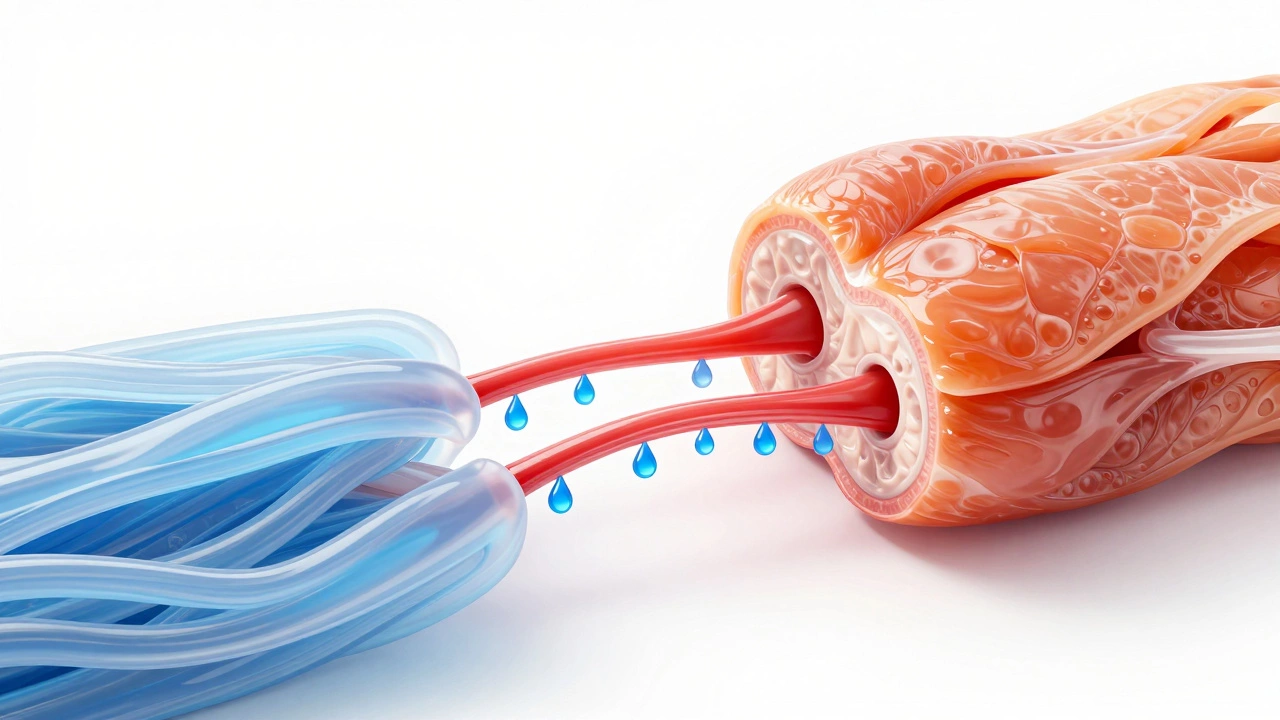
If you want an extra layer of protection against dryness, look into brining. Brining isn't just about adding salt; it's about changing how the meat holds water. There are two main ways to do this: wet brining and dry brining.
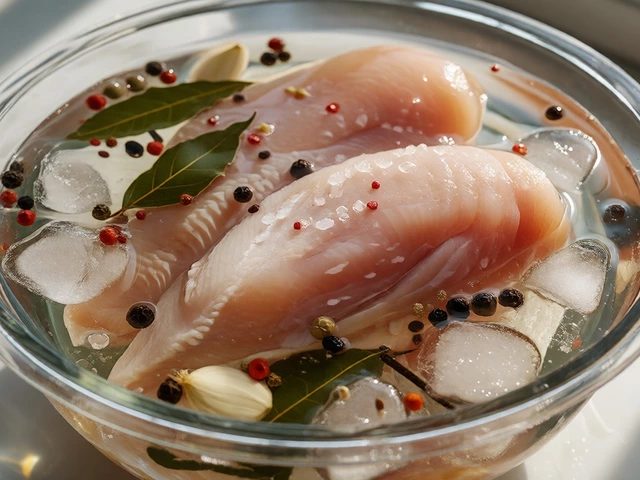
Wet Brining is soaking chicken in a saltwater solution for several hours. The salt penetrates the muscle fibers, breaking down some of the protein structures and allowing them to absorb and retain more water during cooking. A standard ratio is one cup of salt per gallon of water. Soak bone-in breasts for four to six hours, or smaller pieces for thirty minutes to an hour.
Dry Brining is rubbing salt directly onto the chicken and letting it sit uncovered in the fridge. This method draws moisture out initially, which then dissolves the salt and gets reabsorbed along with the seasoning. It also helps dry out the skin, leading to better crisping. Dry brining is often preferred by chefs because it requires less cleanup and doesn't dilute the flavor of the meat.
Technique Matters: Pan-Searing vs. Roasting
How you cook the chicken plays a huge role in its final texture. High heat is great for flavor (thanks to the Maillard reaction), but it is dangerous for the interior of lean meats.
When pan-searing breasts, avoid cranking the burner to maximum. Medium-high heat is plenty. Cook the chicken covered for the first half of the time to trap steam and cook the inside gently, then uncover to crisp the skin. Alternatively, try the "reverse sear" method: bake the chicken at a lower temperature (325°F) until it hits 150°F, then finish it quickly in a hot skillet to brown the outside. This gives you precise control over the internal doneness.
For roasting whole birds, spatchcocking (removing the backbone and flattening the bird) ensures even cooking. Without this step, the breast dries out waiting for the thick thighs to reach a safe temperature. Flattening the bird exposes more surface area to the heat, allowing everything to cook evenly.
Common Mistakes to Avoid
- Ignoring Thickness: A thick-cut breast takes much longer to cook than a thin one. Pound thicker breasts to an even thickness so they cook uniformly.
- Slicing Too Soon: Cutting into chicken immediately releases all the accumulated juices onto the cutting board. Always let it rest.
- Overcrowding the Pan: If you crowd chicken pieces in a skillet, they steam instead of sear. Steaming creates a soggy exterior and uneven cooking. Give each piece space.
- Using Old Thermometers: Analog thermometers can be slow and inaccurate. Invest in a good instant-read digital thermometer. It’s the single best tool for preventing dry chicken.
What If It’s Already Dry?
Sometimes, despite your best efforts, the chicken comes out dry. Don’t throw it away. You can salvage it by changing the format. Shred the meat and mix it with a generous amount of sauce, gravy, or soup. In dishes like chicken salad, tacos, or casseroles, the texture matters less because the moisture comes from other ingredients. Turning a mistake into a meal is a key skill in any kitchen.
Does marinating prevent chicken from drying out?
Not really. Most marinades, especially those based on oil and acid, only penetrate the surface of the meat. They add flavor but do not significantly increase moisture retention inside the muscle fibers. Salt-based brines are far more effective for keeping chicken juicy than acidic marinades.
Is it safe to eat chicken at 155°F?
According to modern food safety science, yes, if held at that temperature for a specific time. However, for home cooks, aiming for 165°F is the safest guideline. To avoid dryness, pull the chicken at 155-160°F and let carryover cooking bring it to 165°F during resting. This achieves safety without overcooking.
Why does my chicken breast taste rubbery?
Rubbery texture is a sign of overcooked proteins. When chicken is heated too high or for too long, the proteins contract tightly and squeeze out moisture, resulting in a tough, chewy consistency. Using a thermometer and lowering the cooking temperature can prevent this.
Can I use baking soda to keep chicken moist?
Yes, a technique called velveting uses baking soda to raise the pH of the meat, which prevents proteins from bonding too tightly. This is common in Chinese cuisine for stir-fries. Use a small amount (half a teaspoon per pound) and rinse the chicken thoroughly after 15-20 minutes to avoid a soapy taste.
Should I cook chicken straight from the fridge?
It is generally better to let chicken sit at room temperature for 15-30 minutes before cooking. Cold chicken placed in a hot pan or oven causes the temperature to drop rapidly, leading to uneven cooking. The outside may burn while the inside remains cold, forcing you to cook it longer overall, which increases the risk of drying out.