American Meat Consumption Comparator
According to USDA data, chicken is the most consumed protein source in the United States. Use this tool to visualize the gap between chicken and other popular meats.
Why the Gap?
Chicken consumption has steadily increased since the 1980s due to three main factors:
- Cost: Lower production costs make it cheaper than beef or pork.
- Versatility: It adapts to keto, paleo, and global cuisines easily.
- Convenience: Fast cooking times suit busy modern lifestyles.
You might guess it’s pizza. Or maybe a cheeseburger. Perhaps even a plate of spaghetti with meatballs. But if you look at the cold, hard numbers from the USDA and major market research firms, there is one undisputed king on the American dinner table: chicken. It isn’t just popular; it is the most consumed protein source in the United States, beating out beef, pork, and turkey by a wide margin. If you’re wondering what people are actually eating when they sit down to eat in the US, the answer is almost always poultry.
This dominance isn’t an accident or a fleeting trend. It’s the result of decades of agricultural shifts, changing health perceptions, and culinary versatility. While global cuisines have exploded in popularity-think sushi burritos, tacos al pastor, or Korean fried chicken-the base ingredient remains overwhelmingly chicken. Understanding why this bird holds such a massive share of the American palate requires looking beyond just taste. We need to examine cost, convenience, and how modern cooking methods have made chicken the ultimate blank canvas for home cooks and restaurant chefs alike.
The Numbers Behind the Bird
Let’s get specific about the data. According to recent reports from the National Chicken Council and the USDA Economic Research Service, the average American consumes roughly 100 pounds of broiler chicken per year. That number has been climbing steadily since the 1980s. In contrast, beef consumption hovers around 57-60 pounds per person annually, and pork sits somewhere in between. This gap is significant. It means that for every two burgers you eat, you’re likely consuming three or four servings of chicken.
Why the disparity? Part of it is economics. Broiler chickens grow faster and require less feed per pound of meat produced than cattle or pigs. This efficiency translates to lower shelf prices, making chicken the go-to protein for budget-conscious families. But price alone doesn’t explain its ubiquity. You can find cheap cuts of other meats, yet chicken retains its crown. The real driver is adaptability. Chicken fits into keto diets, paleo plans, low-carb lifestyles, and traditional comfort food menus without breaking a sweat.
| Meat Type | Pounds Per Person/Year | Trend Direction |
|---|---|---|
| Broiler Chicken | ~100 lbs | Increasing |
| Beef | ~58 lbs | Stable/Slight Decline |
| Pork | ~55 lbs | Stable |
| Turkey | ~14 lbs | Seasonal Spikes |
Why Chicken Won the Dinner Table
If you ask a home cook why they chose chicken for Tuesday night dinner, they’ll probably say it was easy. And they’d be right. Chicken breasts, thighs, and wings are fast-cooking proteins. A boneless skinless breast takes minutes to sauté. Thighs roast quickly and stay moist. Wings fry up in no time. Compare that to a brisket, which needs hours of slow cooking, or a steak that demands precise temperature control to avoid being tough. For busy working parents trying to get a meal on the table in under 30 minutes, chicken is the logical choice.
Then there’s the health halo effect. For years, dietary guidelines encouraged reducing saturated fat intake. Red meat, particularly fatty cuts of beef and pork, became associated with higher cholesterol risks. Chicken, especially white meat, was marketed as the lean alternative. Even though nutritional science has evolved-and we now know that moderate red meat consumption isn’t the demon it was once portrayed to be-the habit stuck. People still reach for chicken when they want to feel like they’re making a "healthy" choice. It’s a mental shortcut that marketers and nutritionists helped build over generations.
Furthermore, chicken lacks strong flavor profiles that clash with other ingredients. Beef tastes like beef. Lamb tastes like lamb. Chicken tastes mostly like whatever you season it with. This neutrality makes it the perfect vehicle for international flavors. Want Indian curry? Use chicken. Want Thai stir-fry? Add chicken. Need a Mexican taco filling? Chicken works. This chameleon-like quality allows chicken to dominate fusion cuisines and ethnic restaurants across the country, further cementing its place in daily life.
The Rise of Processed and Ready-to-Eat Chicken
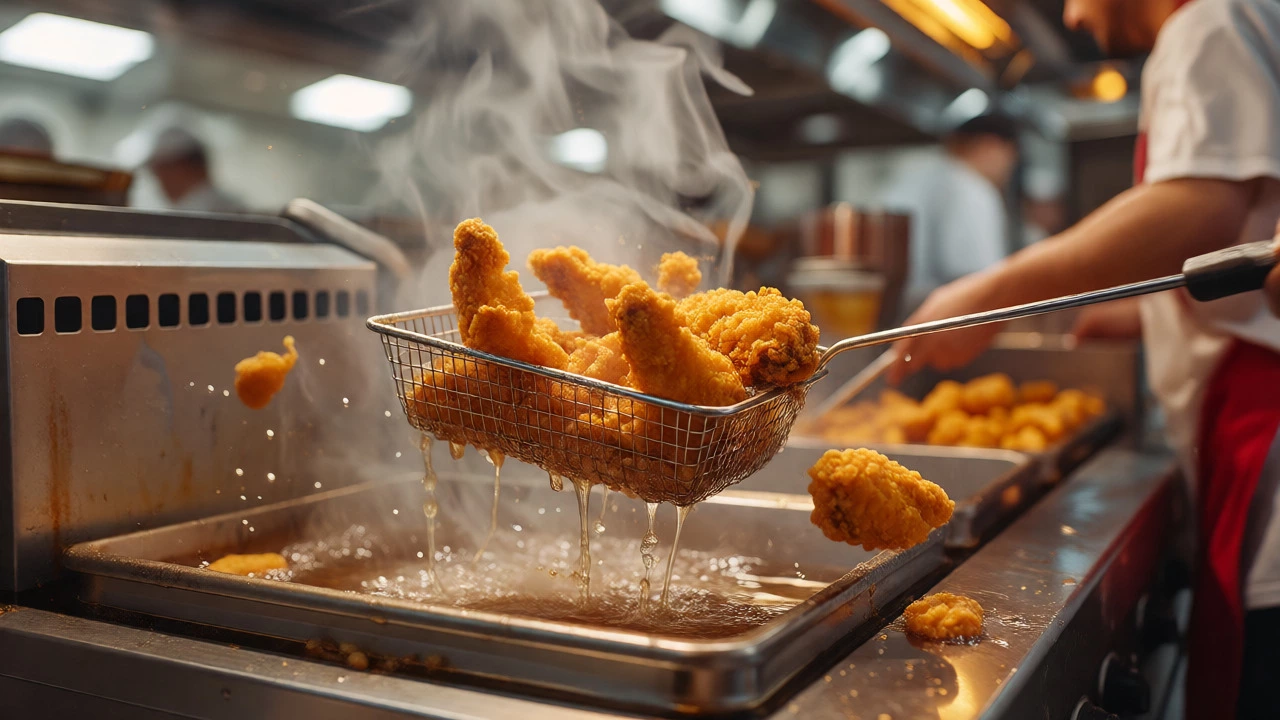
It’s not just whole birds sitting in refrigerators. A huge portion of that 100-pound annual consumption comes from processed forms. Think nuggets, tenders, pre-marinated strips, and rotisserie chickens. The rotisserie chicken aisle in supermarkets is a testament to this demand. Walk into any grocery store in the US after 5 PM, and you’ll see shelves nearly empty of hot, ready-to-eat birds. They sell out because they solve a specific problem: hunger plus zero prep time.
Fast food chains also play a massive role here. McDonald’s, Chick-fil-A, KFC, Popeyes, and Wingstop have built empires on chicken. Chick-fil-A, despite closing on Sundays, consistently ranks among the top revenue-generating fast-food chains in the US, largely due to its chicken sandwich focus. These brands normalize chicken consumption at every age group. Kids grow up eating nuggets; teens crave spicy sandwiches; adults grab salads topped with grilled chicken. The pipeline from childhood preference to adult habit is seamless.
Convenience stores and gas stations also stock chicken-based snacks, from jerky to sandwich wraps. This accessibility ensures that chicken isn’t just a dinner option but a snack, a lunch, and a late-night craving solution. When a product is available everywhere, at every hour, and in every format, consumption naturally rises.
Regional Variations and Cultural Influences
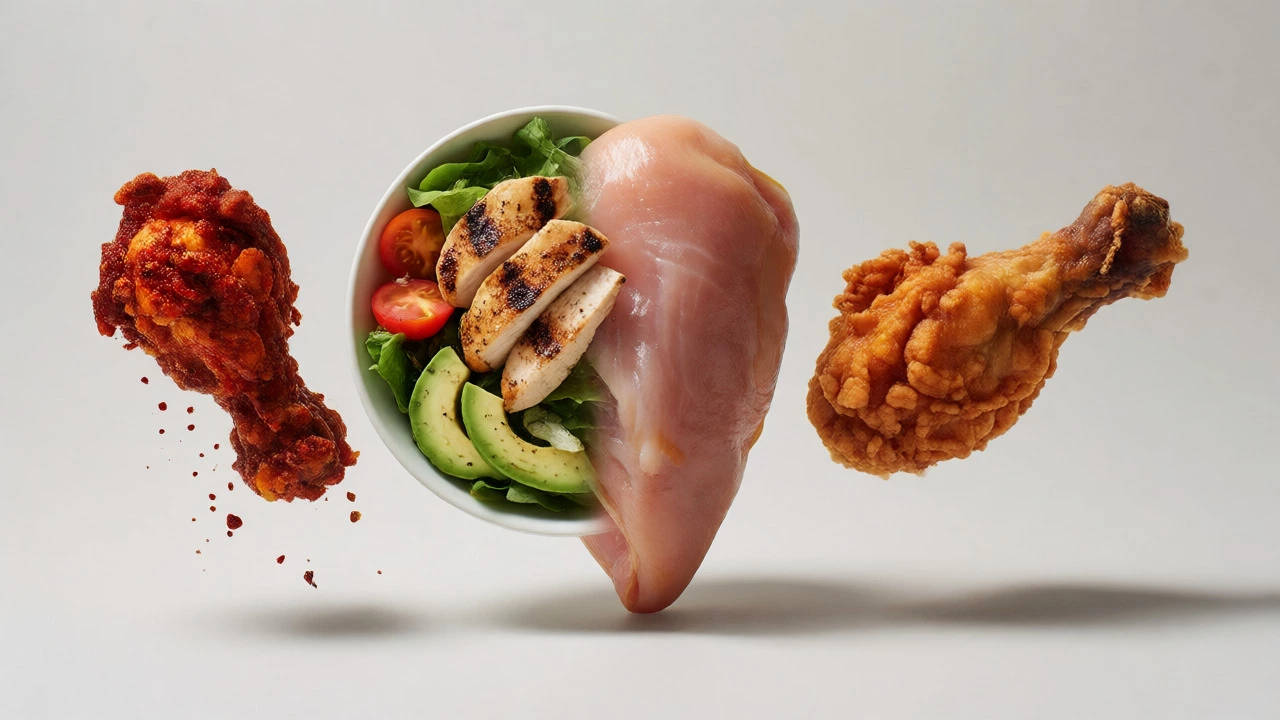
While chicken is national champion, regional preferences add nuance. In the South, fried chicken is more than food; it’s heritage. Southern-style fried chicken, often brined and seasoned with specific spice blends, holds cultural significance that goes beyond calories. Meanwhile, in California and coastal cities, grilled chicken salads and avocado-chicken bowls reflect health-focused trends. In Texas, chicken fajitas compete fiercely with beef fajitas, showing how adaptable the protein is within Tex-Mex cuisine.
Immigration patterns have also influenced how Americans eat chicken. As populations from Asia, Latin America, and Africa have grown, so have their cooking styles. General Tso’s chicken, teriyaki chicken, and peri-peri chicken have moved from niche ethnic dishes to mainstream menu items. This cross-pollination keeps chicken interesting. If everyone ate plain boiled chicken breast every day, fatigue would set in. But because Americans constantly reinvent how they prepare it, boredom rarely sets in.
Cooking Tips to Maximize Your Chicken Experience
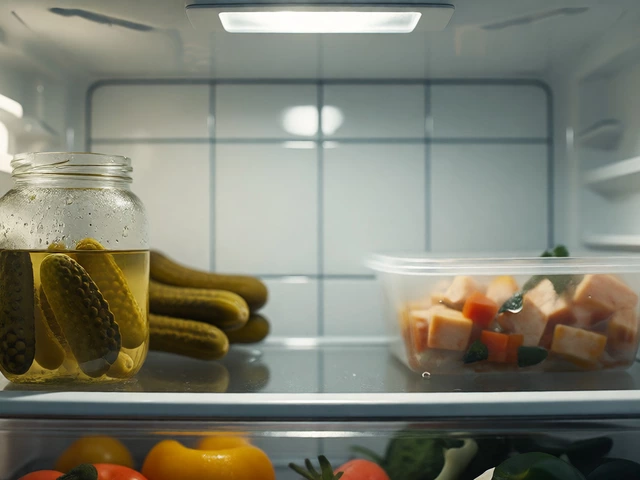
Since chicken is likely already in your fridge, let’s make sure you’re cooking it well. Many people complain that chicken is dry or bland, but that’s usually user error, not ingredient fault. Here are some practical tips to elevate your chicken recipes:
- Brine your breasts: Soak boneless, skinless breasts in a saltwater solution for 30 minutes before cooking. This breaks down muscle fibers slightly, helping them retain moisture during heat exposure.
- Don’t skip the thighs: Dark meat (thighs and legs) contains more connective tissue and fat, making it far more forgiving than breast meat. If you burn it slightly, it’s still juicy. Breasts turn rubbery instantly if overcooked.
- Use a meat thermometer: Guesswork leads to dryness. Pull chicken off the heat at 160°F (71°C). Carryover cooking will bring it to the safe 165°F (74°C) while resting. Taking it off at 165°F often results in overcooking.
- Rest the meat: Let cooked chicken sit for 5-10 minutes before slicing. This allows juices to redistribute throughout the meat rather than spilling onto your cutting board.
By treating chicken with respect, you unlock flavors that justify its popularity. It’s not just filler; it’s a versatile, high-quality protein that rewards good technique.
The Future of Chicken Consumption
Will chicken remain the top dog? Likely, yes. Plant-based alternatives are growing, but they haven’t displaced animal protein significantly. Lab-grown meat is still expensive and limited in availability. Chicken remains affordable, scalable, and culturally entrenched. However, sustainability concerns are rising. Consumers are increasingly asking about antibiotic use, living conditions, and environmental impact. Brands that offer organic, free-range, or pasture-raised options are seeing growth, suggesting that while volume may stabilize, premiumization is underway.
For now, if you walk into an American home during dinner hour, count the plates. Chances are high that the main event involves poultry. Whether it’s a crispy wing, a creamy pasta toss, or a simple roasted thigh, chicken is the silent majority of the American diet.
Is chicken really the most eaten food in America?
Yes, in terms of protein sources, chicken is the most consumed meat in the United States. While vegetables like potatoes and grains like wheat are consumed in large quantities by weight, chicken leads all individual animal proteins by a significant margin, with approximately 100 pounds consumed per capita annually.
Why do Americans eat more chicken than beef?
Several factors drive this preference: lower cost per pound, perceived health benefits (leaner protein), faster cooking times, and greater versatility in various cuisines. Additionally, aggressive marketing by the poultry industry and the rise of convenient processed chicken products have solidified its position.
What is the most popular way Americans cook chicken?
Frying (including deep-fried and pan-seared) and roasting/baking are the most common methods. Grilled chicken is also extremely popular, especially during warmer months. Fast food formats like nuggets and sandwiches account for a large portion of total consumption.
Does chicken consumption vary by region in the US?
Yes, preparation styles vary. The South favors fried chicken, the Southwest incorporates it into Mexican-inspired dishes like fajitas, and coastal areas often prefer grilled or salad-topped preparations. However, chicken is consumed heavily in all regions.
Are plant-based chicken alternatives replacing real chicken?
Not yet. While sales of plant-based meats have increased, they represent a small fraction of total meat consumption. Real chicken remains dominant due to price, taste familiarity, and widespread availability. Plant-based options are currently viewed more as supplements or occasional substitutes rather than full replacements.