The "Too Tired to Cook" Meal Generator
Staring into the fridge with zero energy? Select what you have, and we'll tell you exactly what to make.
Select Ingredients
Choose options on the left to generate a recommendation.
- Select ingredients to see why.
Ever stood in your kitchen at 7 PM, staring into the fridge with that hollow feeling in your stomach and a brain that has completely shut down? You’re tired. You’ve had a long day. The last thing you want to do is chop vegetables, manage three different pans, or read a recipe that looks like it was written by a chemistry professor. In those moments, you aren’t looking for gourmet cuisine. You are looking for the absolute easiest food to make.
The answer isn’t just “microwave noodles.” While instant ramen gets the job done, it often leaves you feeling unsatisfied and hungry an hour later. True ease in cooking comes from a balance of minimal ingredients, zero fancy techniques, and maximum flavor payoff. When we talk about the easiest food to make, we are talking about dishes that require less than five minutes of prep time, use fewer than six ingredients, and result in a meal that feels warm, comforting, and genuinely good.
This guide breaks down the specific categories of food that fit this criteria, why they work so well for busy people, and exactly how to execute them without failing. We will look at sandwiches, sheet pan meals, and stovetop wonders that redefine what "simple" means in the kitchen.
The Anatomy of Easy Cooking
Before diving into specific recipes, it helps to understand what makes a dish truly easy. It’s not just about speed; it’s about cognitive load. If a recipe requires you to remember to stir every thirty seconds while simultaneously checking the oven temperature, it’s not easy-it’s stressful. The easiest foods share three common traits: they rely on forgiving ingredients, they minimize cleanup, and they use pantry staples you likely already own.
Consider the concept of Sheet Pan Dinners, which involve tossing protein and vegetables on a single baking tray. This method eliminates the need for multiple pots and pans. The heat of the oven does all the heavy lifting, rendering the food tender and flavorful without constant attention. Similarly, Sandwiches are the ultimate low-effort vehicle for flavor. They require no heat source if you prefer cold, or just a minute in a toaster oven if you want warmth. By focusing on these structural simplicity principles, you can turn almost any ingredient into an easy meal.
The Sandwich: King of Quick Meals
If there is a crown jewel among easy foods, it belongs to the sandwich. Specifically, the grilled cheese or the turkey melt. Why? Because bread is forgiving. You can’t really burn a slice of sourdough if you’re watching it for two minutes. You can’t over-season a layer of cheddar cheese. It is practically impossible to fail here.
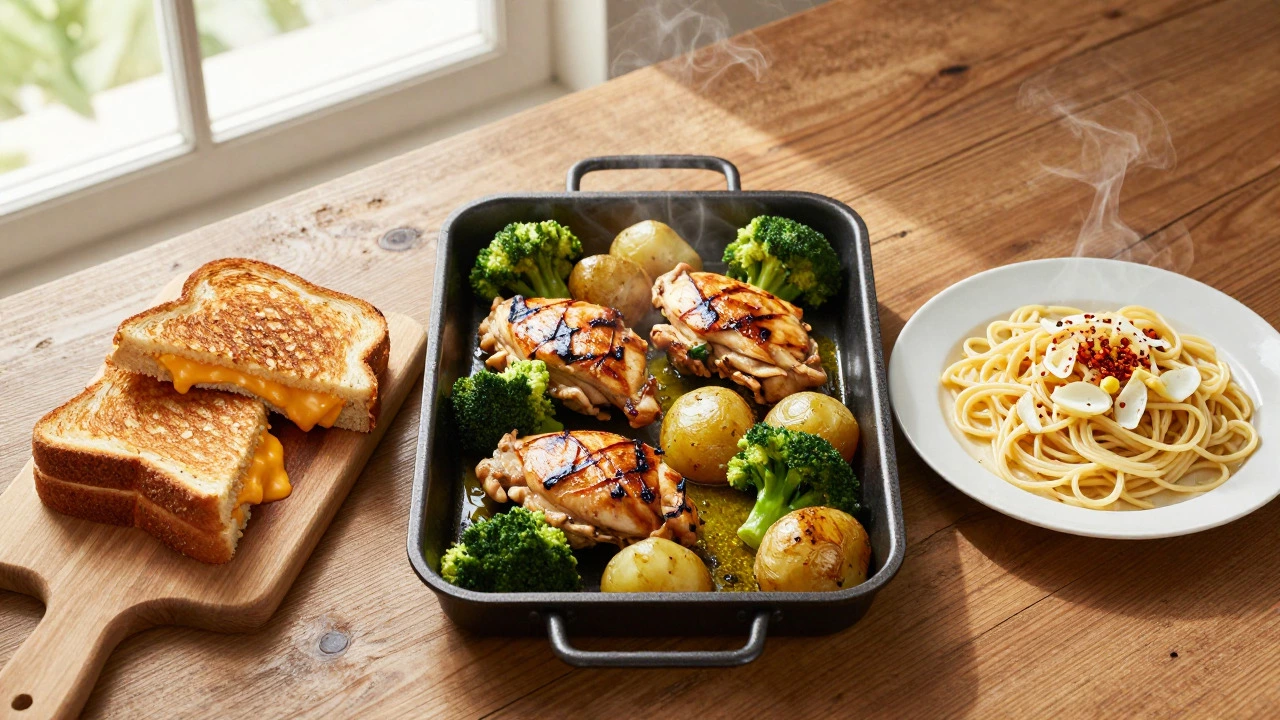
To elevate a basic grilled cheese from "sad lunch" to "comfort food masterpiece," you don’t need complex skills. You need better ingredients. Swap white bread for thick-cut sourdough or rye. Use high-quality sharp cheddar or gruyere instead of processed slices. Add a thin layer of Dijon mustard to the inside of the bread before adding the cheese. This adds a tangy depth that cuts through the richness of the dairy. Cook it slowly in butter over medium-low heat. Slow cooking ensures the cheese melts fully before the bread burns-a common mistake for beginners rushing the process.
For a slightly more substantial option, try a tuna salad wrap. Canned tuna is shelf-stable, cheap, and requires zero prep other than draining the liquid. Mix it with mayonnaise, a dash of lemon juice, and some relish or diced celery. Spread it onto a tortilla, add lettuce, and roll it up. Total time: three minutes. Cleanup: one bowl. This fits the definition of easy perfectly while providing protein and fiber to keep you full until breakfast.
One-Pan Wonders: Sheet Pan Chicken and Veggies
When you crave something hot and hearty but still want to avoid scrubbing pots, sheet pan dinners are your best friend. The beauty of this method lies in its hands-off nature. You spend ten minutes chopping and seasoning, then walk away for twenty-five minutes. The oven handles the rest.
A classic combination is chicken thighs, broccoli florets, and baby potatoes. Chicken thighs are more forgiving than breasts because they have higher fat content, meaning they stay juicy even if you accidentally cook them a minute too long. Toss everything in olive oil, salt, pepper, and garlic powder. Spread it out on a parchment-lined baking sheet. Bake at 400°F (200°C) for 25-30 minutes. That’s it.
Why does this work? The fats from the chicken baste the vegetables as they roast, creating a cohesive flavor profile without needing a separate sauce. Using parchment paper means you don’t even have to scrub the pan afterward. Just peel off the paper and toss it. For vegetarians, swap the chicken for chickpeas or firm tofu cubes. The same principle applies: high heat, single vessel, minimal effort.
| Meal Type | Prep Time | Cook Time | Cleanup Level | Best For |
|---|---|---|---|---|
| Grilled Cheese | 2 mins | 5 mins | Low (1 pan) | Kids, late-night cravings |
| Sheet Pan Chicken | 10 mins | 25 mins | Very Low (parchment) | Family dinners, meal prep |
| Stovetop Pasta | 5 mins | 15 mins | Medium (pot + colander) | Quick carb satisfaction |
| Tuna Wrap | 3 mins | 0 mins | Minimal (1 bowl) | Lunch on the go |
Stovetop Pasta: The Aglio e Olio Method
Pasta is often dismissed as unhealthy or bland, but only if you boil it and top it with ketchup. The easiest way to make pasta taste restaurant-quality is the Italian classic Aglio e Olio. This translates to "garlic and oil." It sounds too simple to be true, but it is a staple in homes across Italy for a reason.
Start by boiling water for spaghetti or linguine. While the water heats, slice four cloves of garlic thinly. Heat half a cup of olive oil in a large skillet over medium-low heat. Add the garlic and cook until it turns golden brown-do not let it burn, or it will turn bitter. Once the pasta is cooked, reserve a cup of the starchy pasta water, drain the noodles, and toss them into the skillet with the garlic oil. Add a splash of the reserved water, some red pepper flakes, and fresh parsley if you have it. Stir vigorously.
The starch in the water emulsifies with the oil, creating a creamy sauce without any cream or cheese. This dish costs pennies per serving, takes fifteen minutes total, and uses ingredients that last for weeks in your pantry. It proves that easy doesn’t mean boring. It means smart.
Breakfast for Dinner: The Scrambled Egg Hack
Let’s be honest: eggs are the most versatile ingredient in existence. A plate of scrambled eggs with toast is the epitome of easy comfort food. However, most people ruin their eggs by overcooking them. To make the easiest, fluffiest eggs, follow this rule: low heat and patience.
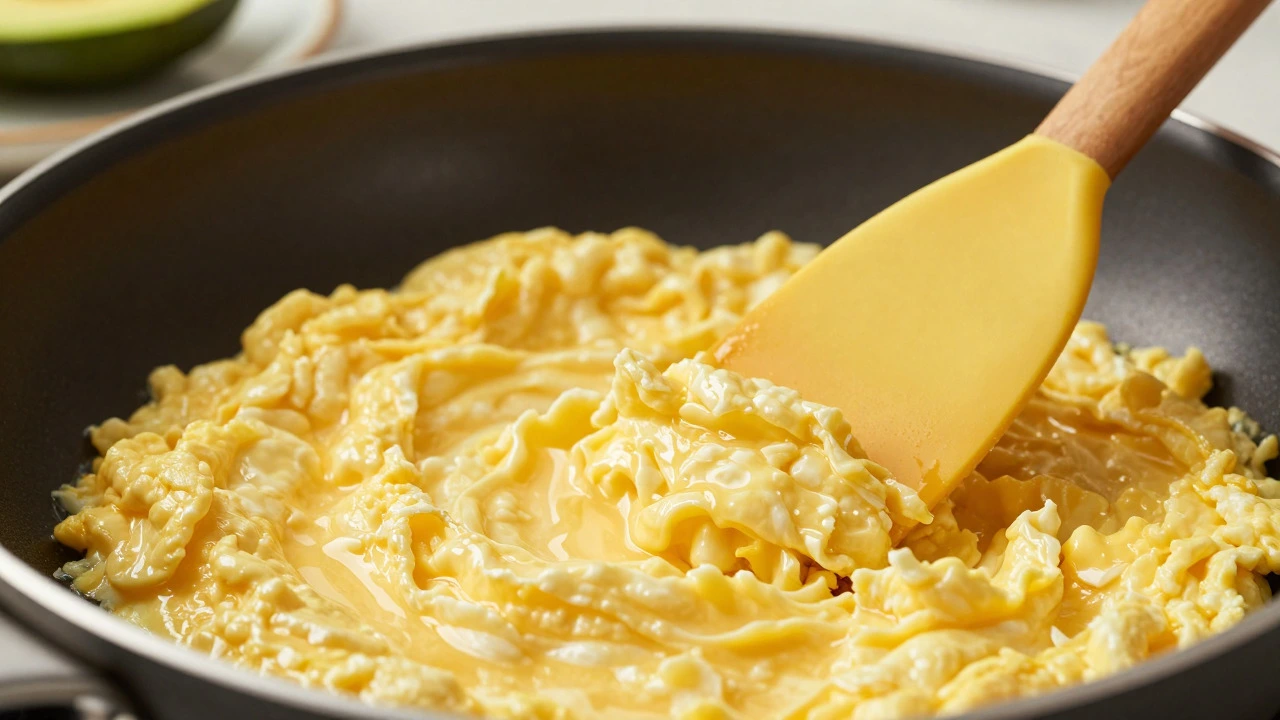
Crack three eggs into a bowl, add a tablespoon of milk or water, and whisk until uniform. Melt a knob of butter in a non-stick pan over low heat. Pour in the eggs. Instead of stirring constantly, wait for the edges to set, then gently push them toward the center with a spatula. Let the uncooked egg flow to the edges. Repeat until the eggs are just set but still glossy. Remove from heat immediately; they will continue to cook from residual heat.
Serve with sliced avocado and a sprinkle of salt. Avocado adds healthy fats and creaminess, making the meal feel luxurious despite its simplicity. This meal is perfect for weekends when you want to sleep in but still eat something nutritious. It’s also incredibly budget-friendly, especially if you buy eggs in bulk.
Snacks That Become Meals: Charcuterie Boards
Sometimes, the easiest food to make is no food at all-in terms of cooking. A charcuterie board is essentially a deconstructed sandwich. It requires zero heat, zero chopping (if you buy pre-sliced meats), and zero timing. All you need is a plate, some crackers, cheese, cured meats, and maybe some fruit or nuts.
This approach works surprisingly well for adults who are too tired to chew through a heavy meal. It allows for grazing, which can be more satisfying than forcing down a hot dish when you’re exhausted. Plus, it’s highly customizable. Have leftover ham? Put it on the board. Out of crackers? Use baguette slices. It reduces food waste because you can use up small remnants of ingredients that would otherwise go bad.
Troubleshooting Your Easy Meals
Even with simple recipes, things can go wrong. Here are a few common pitfalls and how to fix them:
- Burnt Garlic: If your garlic oil turns black, discard it. Burnt garlic tastes bitter and can upset your stomach. Start over with fresh garlic and lower heat next time.
- Dry Chicken: If your sheet pan chicken comes out dry, you likely overcooked it or used breast meat instead of thighs. Thighs are more forgiving. Next time, check for doneness at 20 minutes rather than waiting for the full 30.
- Soggy Sandwiches: If your tuna wrap falls apart, you probably added too much mayo or didn’t seal the tortilla properly. Press the edges firmly and consider wrapping it in foil for extra stability.
Remember, the goal of easy cooking is not perfection. It’s sustenance with minimal stress. If your grilled cheese is slightly unevenly browned, it still tastes amazing. If your pasta is a bit al dente, it’s still delicious. Embrace the imperfections of home cooking.
Building Your Easy Meal Arsenal
To make these meals truly effortless, you need to maintain a "base stock" of ingredients. These are items that never spoil quickly and form the foundation of almost every easy recipe discussed here. Keep these in your kitchen at all times:
- Olive Oil: Essential for sautéing, roasting, and dressing.
- Garlic Powder & Fresh Garlic: Flavor base for savory dishes.
- Pasta: Long-lasting carb source.
- Canned Beans/Tuna: Protein that requires no cooking.
- Bread/Tortillas: The vehicle for sandwiches and wraps.
- Butter: Adds richness to eggs and toast.
By keeping these staples stocked, you eliminate the decision fatigue of grocery shopping. You know you can always make a meal, regardless of what else is in your fridge. This psychological safety net is crucial for maintaining a healthy diet during busy periods.
What is the absolute fastest meal to make?
The fastest meal is a peanut butter and banana sandwich or a tuna wrap. Both take under three minutes and require no cooking. If you need hot food, a microwave mug mac-and-cheese using instant oats and powdered cheese is a viable hack, though a grilled cheese on a toaster oven is faster and tastier.
Can I make easy meals vegetarian?
Absolutely. Sheet pan dinners work great with chickpeas, sweet potatoes, and broccoli. Scrambled eggs are naturally vegetarian. You can also swap tuna for canned white beans in wraps or salads. Vegetarian easy meals are often cheaper and easier since plant proteins usually require less precise cooking times than meat.
How do I keep easy meals from getting boring?
Variety comes from condiments and spices, not complex cooking methods. Rotate your sauces: try pesto on pasta, sriracha in your tuna salad, or hot honey on your grilled cheese. Changing the spice profile keeps the same basic structure exciting without adding effort.
Is eating easy food unhealthy?
Not necessarily. Many easy meals like sheet pan veggies, egg scrambles, and tuna wraps are nutrient-dense. The key is avoiding processed convenience foods like frozen pizzas or boxed mac-and-cheese. Focus on whole ingredients prepared simply. Ease does not equal junk food.
What equipment do I need for easy cooking?
You only need a few basics: a large skillet, a baking sheet, a knife, a cutting board, and a pot for boiling water. Non-stick surfaces help reduce cleanup. Parchment paper is a game-changer for minimizing scrubbing after roasting.