Chicken Dish Popularity Quiz
Think you know which chicken dish rules the world? Test your knowledge against the facts from our global taste test article.
Which metric defines Fried Chicken as the top contender?
Quiz Complete!
Here is a quick recap of the key takeaways from the article:
- Fried Chicken: Wins on volume and brand recognition (KFC, etc.).
- Tikka Masala: The "most loved" in the West, invented in the UK.
- Roast Chicken: The home cooking staple due to simplicity and health perception.
- Korean FC: Rising star with double-frying and bold sauces.
- Why Chicken?: Cost-effective, versatile, and fits Halal/Kosher diets.
You might think you know the answer. Maybe it’s Fried Chicken from the American South, or perhaps Kung Pao Chicken from Sichuan. But if you ask a random person on the street in London, Mumbai, or Auckland, the answers will vary wildly. Here is the surprising truth: there isn’t just one single "winner" that dominates every corner of the globe. Instead, popularity depends entirely on how you define "popular." Are we talking about sales volume? Cultural impact? Or sheer variety of preparation?
As someone who has spent years testing recipes and observing food trends here in New Zealand and abroad, I’ve noticed that chicken is the ultimate culinary chameleon. It adapts to almost any cuisine, budget, and cooking skill level. To figure out which dish truly holds the crown, we need to look at three different metrics: global consumption data, cultural ubiquity, and restaurant prevalence. Let’s break down the contenders.
The Heavyweight Champion: Fried Chicken
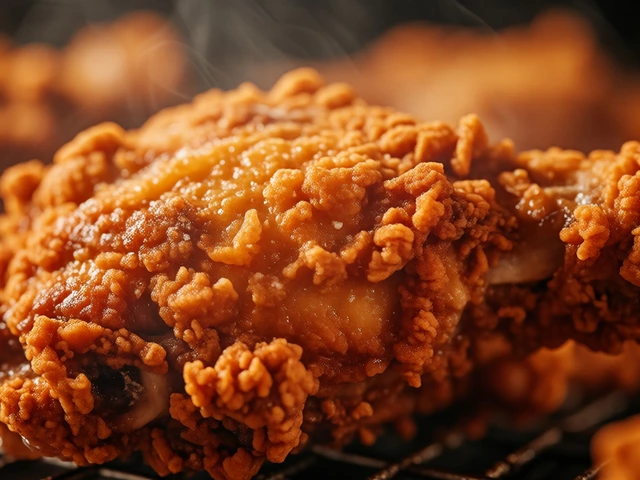
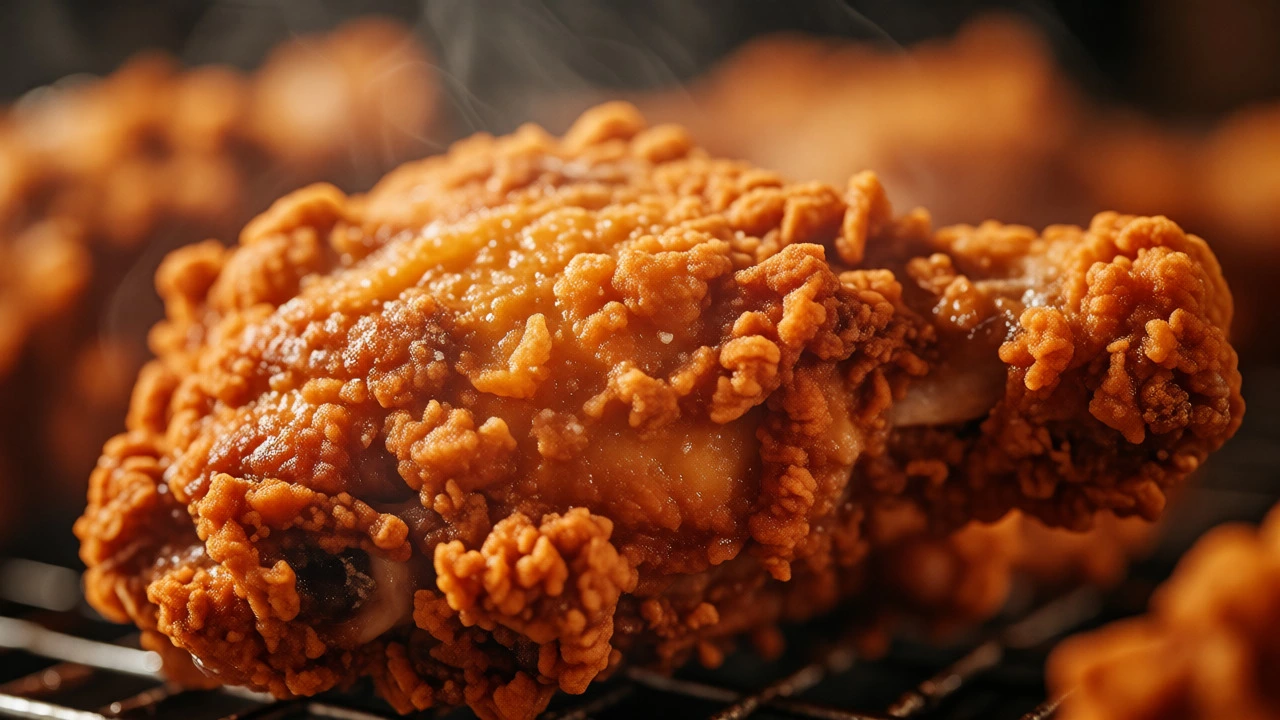
If we go by pure volume and brand recognition, Fried Chicken is hard to beat. It is arguably the most recognizable chicken preparation on Earth. Why? Because it works everywhere. From KFC outlets in rural China to high-end gastropubs in Brooklyn, fried chicken is ubiquitous. The appeal is simple: crispy skin, juicy meat, and immediate gratification.
But "fried chicken" isn't just one dish. It’s a category. In Japan, you have Karaage, which uses soy sauce and ginger for a savory, umami-rich bite. In Korea, Yangnyeom Chicken adds a sticky, spicy-sweet glaze. In the US, Southern-style buttermilk brining creates a thick, craggy crust. Despite these differences, they all share the same core DNA. If you count every variation of battered or breaded deep-fried chicken, this method likely tops the list for total servings consumed globally.
The Cultural Icon: Chicken Tikka Masala
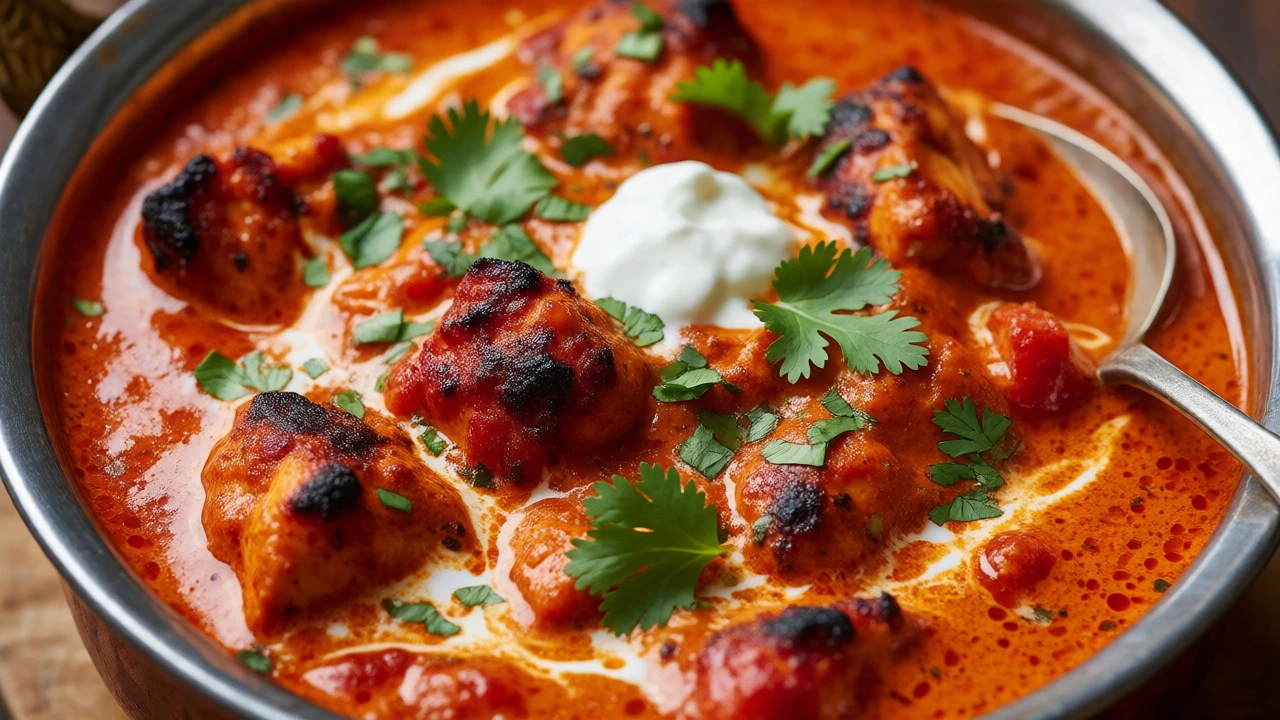
Now, let’s shift gears to flavor complexity. If popularity means "love," then Chicken Tikka Masala has a strong claim to the throne. Often called Britain’s national dish, its story is fascinating. It originated in the UK, created by South Asian chefs adapting traditional Indian tandoori recipes to suit British palates. Today, it’s not just eaten in London; it’s a staple in Canada, Australia, and increasingly in the US.
Why does it work so well? It balances heat with creaminess. The yogurt marinade tenderizes the meat, while the tomato-based gravy provides acidity and sweetness. It’s approachable for people who find straight Indian curries too spicy, yet complex enough for foodies. If you walk into any major city center in the Western world, you’ll find dozens of restaurants serving it. Its adaptability makes it a top contender for the title of "most loved" rather than just "most sold."
The Everyday Hero: Roast Chicken
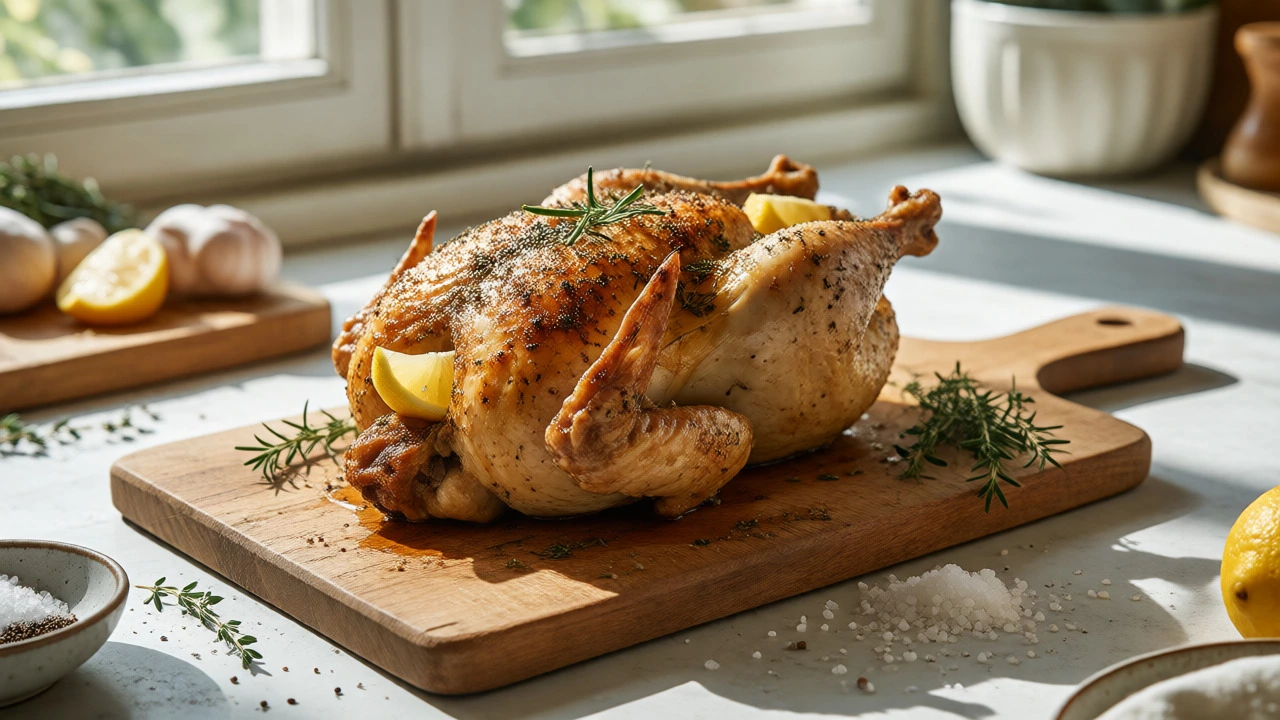
We can’t ignore the humble roast chicken. While it doesn’t have the flashy branding of KFC or the exotic allure of Tikka Masala, it is the backbone of home cooking across Europe, North America, and Oceania. In France, Poulet Rôti is a Sunday ritual. In the US, Thanksgiving centers around roasted poultry. In New Zealand, where I live, buying a hot roast chicken from the supermarket deli counter is a weekly norm for many families.
Roast chicken wins on simplicity and health perception. It requires minimal ingredients-salt, pepper, maybe some herbs-and basic equipment. You don’t need a deep fryer or a spice cabinet full of turmeric and cumin. This accessibility drives its massive daily consumption numbers. When you factor in homemade meals versus restaurant dining, roast chicken likely edges out others in household frequency.
The Rising Star: Korean Fried Chicken
Food trends move fast. Ten years ago, Korean Fried Chicken (KFC, confusingly sharing initials with Kentucky) was niche. Today, it’s exploding globally. Unlike American fried chicken, Korean versions are often double-fried for extra crunch and coated in sauces like gochujang (red chili paste) or garlic-soy. It’s typically served boneless, making it easier to eat socially.
This dish appeals to younger demographics who prioritize bold flavors and social media-worthy aesthetics. It’s less about tradition and more about innovation. While its total volume hasn’t caught up to traditional fried chicken yet, its growth rate suggests it could redefine what "popular" looks like in the next decade.
Comparing the Contenders
To help you decide which "popular" definition matters most to you, let’s look at how these dishes stack up against each other.
| Dish | Primary Appeal | Global Reach | Home Cooking Frequency | Restaurant Prevalence |
|---|---|---|---|---|
| Fried Chicken | Crispy texture, convenience | Extremely High (every continent) | Moderate (requires frying setup) | Very High (fast food & casual) |
| Chicken Tikka Masala | Complex flavor, creamy comfort | High (UK, Commonwealth, West) | Low-Moderate (complex prep) | High (curry houses) |
| Roast Chicken | Simplicity, health, tradition | High (Western nations) | Very High (weekly staple) | Moderate (delis, pubs) |
| Korean Fried Chicken | Bold sauce, social eating | Growing Rapidly (urban centers) | Low (specialized technique) | Rising (trend-focused spots) |
Why Chicken Rules the World
You might wonder why chicken specifically became the world’s favorite protein over beef or pork. There are practical reasons beyond taste. First, cost. Chicken is generally cheaper to produce and buy. Second, religious dietary laws. Halal and Kosher restrictions limit pork and certain beef preparations in large parts of the Middle East, Asia, and among Jewish communities worldwide. Chicken fits neatly into both categories when prepared correctly.
Third, versatility. You can grill, boil, steam, fry, bake, or stew chicken. It absorbs flavors better than most meats, allowing it to become Italian (Cacciatore), Mexican (Pollo Tacos), Thai (Green Curry), or American (Buffalo Wings). This chameleon quality ensures that no matter where you travel, you’ll find a chicken dish that feels familiar yet local.
How to Choose Your Next Chicken Dinner
So, what should you cook tonight? If you want crowd-pleasing comfort with minimal effort, stick with roast chicken. Add lemon and rosemary for freshness. If you’re craving something indulgent and textural, try air-frying wings or thighs for a healthier take on fried chicken. For a flavor adventure without needing a degree in spice blending, make a simplified Chicken Tikka Masala using store-bought paste as a base, then enhance it with fresh ginger and cilantro.
Remember, the "most popular" dish is ultimately the one that brings your family to the table. Whether it’s a greasy bucket of wings or a elegant herb-roasted bird, chicken remains the universal language of dinner.
What is the number one selling chicken dish globally?
If measured by sales volume and brand presence, Fried Chicken is the clear leader. Chains like KFC and Popeyes operate in over 100 countries, making their specific preparations the most commonly purchased chicken meals worldwide.
Is Chicken Tikka Masala actually Indian?
Not exactly. While inspired by Indian tandoori chicken, Chicken Tikka Masala was invented in the United Kingdom, likely in Glasgow or Birmingham, during the 1970s. It was created to cater to British tastes by adding a creamy tomato sauce to dry tandoori pieces.
Why is chicken so popular compared to beef or pork?
Three main factors drive chicken's popularity: lower cost, shorter cooking times, and compatibility with major religious dietary laws (Halal and Kosher). Additionally, its mild flavor profile allows it to adapt to virtually any global cuisine, from Asian stir-fries to European roasts.
What is the healthiest way to prepare popular chicken dishes?
Roasting or grilling without added sugars or heavy breading is the healthiest option. For fried chicken lovers, using an air fryer significantly reduces oil content while maintaining crispiness. Avoiding sugary glazes like those in some BBQ or Korean styles also helps keep calorie counts lower.
Which country eats the most chicken per capita?
The United States consistently ranks among the highest consumers of chicken per capita, followed closely by Brazil and Israel. However, consumption patterns vary by region, with higher intake in urban areas where fast-food access is greater.