
Daily Health Builder
Select the foods you plan to eat today to see how they contribute to your overall health goals.
Spinach
Leafy Green Powerhouse
Yogurt
Gut Guardian
Oats
Metabolic Stabilizer
No foods selected yet. Click on the cards above to build your daily health profile.
Tip: Consistency is key! Aim to include all three foods in your weekly routine.
You’ve probably heard the advice a thousand times: eat your vegetables. But let’s be real-telling someone to "eat healthy" is like telling them to "be happy." It’s vague, it’s overwhelming, and frankly, it doesn’t help you decide what to put on your plate at 6 PM when you’re tired and hungry. The problem isn’t that we don’t know health matters; it’s that modern life makes consistent healthy eating incredibly hard. We are bombarded with conflicting information, expensive supplements, and complex diets that require more time than we actually have.
What if you could simplify it? What if there were just three specific foods that, when eaten daily, could do the heavy lifting for your energy levels, digestion, and long-term disease prevention? This isn’t about following a strict regimen or buying obscure ingredients from a specialty store. It’s about adding powerhouses to your routine that are accessible, affordable, and genuinely delicious. Let’s look at three foods that consistently rank high in nutritional science and practical application, and why they deserve a permanent spot on your dinner table.
The Leafy Green Powerhouse: Spinach
When people think of leafy greens, kale often gets the spotlight because of its trendy reputation. But spinach is a nutrient-dense leafy green vegetable that offers superior versatility and a milder flavor profile compared to many other greens. Unlike kale, which can be tough and bitter, spinach wilts quickly and blends seamlessly into almost any dish. If you hate the texture of raw salads, spinach is your best friend because it disappears into smoothies, sauces, and soups without altering the taste significantly.
Why should this be food number one? It’s all about the micronutrient density. A single cup of raw spinach contains less than 10 calories but delivers over 100% of your daily recommended intake of Vitamin K, which is crucial for blood clotting and bone health. It also provides significant amounts of Vitamin A for eye health and folate, a B vitamin essential for cell function and tissue growth. For women of childbearing age, folate is non-negotiable for preventing neural tube defects.
Beyond vitamins, spinach is rich in antioxidants like lutein and zeaxanthin. These compounds accumulate in the retina of your eye, filtering harmful blue light and potentially reducing the risk of macular degeneration. In an era where we stare at screens for eight hours a day, this is a tangible benefit you can feel. Plus, spinach is high in nitrates, which your body converts into nitric oxide. Nitric oxide helps relax blood vessels, improving blood flow and lowering blood pressure. Studies published in journals like the American Heart Association’s *Hypertension* have shown that dietary nitrates can lead to measurable improvements in cardiovascular health within weeks.
| Nutrient | Amount | % Daily Value (DV) |
|---|---|---|
| Vitamin K | 145 mcg | 181% |
| Vitamin A | 281 mcg RAE | 31% |
| Folate | 58 mcg | 15% |
| Magnesium | 24 mg | 6% |
| Iron | 0.8 mg | 4% |
Pro Tip: Pair spinach with a source of fat, like olive oil or avocado. Vitamins A and K are fat-soluble, meaning your body needs dietary fat to absorb them properly. Eating plain boiled spinach might leave you missing out on up to 50% of these nutrients.
The Gut Guardian: Fermented Yogurt
If spinach handles your cellular health, yogurt is a fermented dairy product containing live bacterial cultures that support gut microbiome diversity and digestive efficiency. But not all yogurt is created equal. You need to look for the phrase "live and active cultures" on the label. Standard, heat-treated yogurts sold in plastic tubs often have their beneficial bacteria killed off during processing, turning them into little more than flavored protein snacks.
Your gut is often called the "second brain," and for good reason. Up to 90% of your serotonin, a neurotransmitter that regulates mood, is produced in the gastrointestinal tract. When your gut flora is imbalanced-a condition known as dysbiosis-you may experience bloating, irregular bowel movements, fatigue, and even anxiety. Regular consumption of probiotic-rich yogurt introduces beneficial strains like Lactobacillus and Bifidobacterium back into your system. These microbes help break down food, synthesize vitamins like B12 and K2, and train your immune system to distinguish between harmless substances and actual threats.
A study in the journal *Cell Host & Microbe* highlighted how personalized responses to fermented foods vary, but generally, a daily serving correlates with lower markers of inflammation. Chronic low-grade inflammation is a root cause of many modern diseases, including type 2 diabetes and heart disease. By feeding your gut good bacteria, you’re essentially putting out fires before they start.
Choose plain, full-fat Greek yogurt if you want to stay satiated longer. The higher protein content slows gastric emptying, keeping you full between meals. Avoid those pre-flavored versions loaded with sugar; a typical vanilla yogurt cup can contain 20 grams of added sugar, which counteracts the anti-inflammatory benefits. Instead, sweeten it naturally with berries or a drizzle of honey. If you’re lactose intolerant, kefir is an excellent alternative. It’s thinner than yogurt but contains even more diverse microbial strains and is easier to digest due to the fermentation process breaking down most of the lactose.

The Metabolic Stabilizer: Oats
Carbohydrates get a bad rap, often blamed for weight gain and energy crashes. But the issue usually isn’t carbs themselves-it’s refined carbs. Enter oats, a whole grain cereal rich in beta-glucan fiber that regulates blood sugar and lowers cholesterol levels. Oats are one of the few grains that offer a complete package of soluble and insoluble fiber, making them a metabolic stabilizer rather than a spike-inducer.
The magic ingredient in oats is beta-glucan, a type of soluble fiber. When you eat oatmeal, this fiber forms a gel-like substance in your gut. This gel slows down the absorption of glucose into your bloodstream, preventing the sharp insulin spikes that lead to energy crashes and hunger pangs two hours later. For anyone managing prediabetes or struggling with afternoon slumps, swapping white toast for steel-cut oats can be a game-changer.
Furthermore, beta-glucan binds to bile acids in the intestine. Your body uses cholesterol to make bile acids. When those acids are excreted along with the bound fiber, your liver has to pull more cholesterol from your blood to produce new bile. The result? Lower LDL (bad) cholesterol levels. The FDA allows health claims linking oat beta-glucan to reduced heart disease risk, and multiple meta-analyses confirm that consuming 3 grams of beta-glucan per day (about 1.5 cups of cooked oatmeal) can reduce LDL cholesterol by 5-10% in just six weeks.
Oats are also incredibly filling. Because they expand in volume when cooked and slow digestion, they curb appetite effectively. This makes them a powerful tool for weight management without the misery of calorie counting. Plus, they are gluten-free in their natural state (though cross-contamination can occur, so buy certified GF oats if you have celiac disease). They are cheap, shelf-stable, and cook in minutes.
| Feature | White Toast | Steel-Cut Oats |
|---|---|---|
| Glycemic Index | High (70+) | Low-Medium (50-55) |
| Fiber Content | ~1g per slice | ~4g per cup |
| Satiety Duration | Short (1-2 hours) | Long (3-4 hours) |
| Cholesterol Impact | Neutral | Lowers LDL |
How to Combine Them Into a Daily Routine
Eating these three foods separately is fine, but combining them creates a synergistic effect. Here is a simple framework to integrate them into your day without feeling like you’re on a restrictive diet.
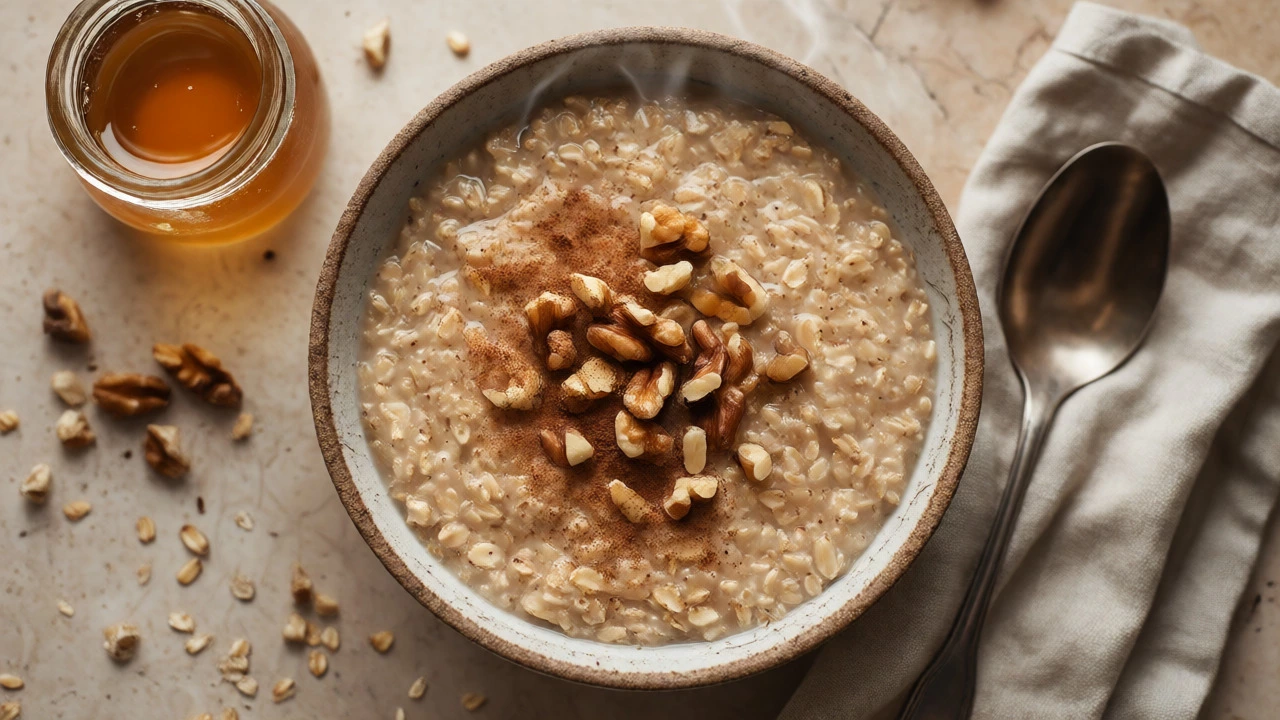
- Morning: The Oat Base. Start with a bowl of steel-cut or rolled oats. Top them with fresh berries (for extra antioxidants) and a dollop of Greek yogurt. The yogurt adds creaminess and probiotics, while the oats provide the sustained energy release. Add a sprinkle of chia seeds or walnuts for omega-3 fatty acids.
- Lunch/Dinner: The Spinach Integration. Don’t force yourself to eat a giant salad. Add a handful of spinach to your scrambled eggs, blend it into your tomato sauce for pasta, or toss it into stir-fries right at the end of cooking so it wilts slightly but retains nutrients. Aim for at least two servings a day-one raw, one cooked-to maximize nutrient variety.
- Snack: The Probiotic Boost. If you didn’t have yogurt at breakfast, keep a small container of plain yogurt in the fridge for an afternoon snack. Mix it with cinnamon and sliced banana. Cinnamon has been shown to improve insulin sensitivity, complementing the blood-sugar-regulating effects of the oats and yogurt.
This approach covers your bases for fiber, protein, healthy fats, and micronutrients. It’s flexible. You can swap spinach for kale or chard if you prefer, or use kefir instead of yogurt. The key is consistency. Doing this five days a week will yield better results than doing it perfectly once and then quitting.
Pitfalls to Avoid
Even with good intentions, it’s easy to sabotage these healthy choices. Watch out for hidden sugars in your yogurt. Many brands market "light" or "diet" yogurts that are packed with artificial sweeteners or high-fructose corn syrup. Read the ingredient list: it should ideally say milk and live cultures, maybe some fruit puree. Anything else is suspect.
With oats, avoid instant packets. They are often pre-cooked and dried, leading to a higher glycemic index and frequent addition of sodium and sugar. Stick to old-fashioned rolled oats or steel-cut oats. You can cook them in the microwave or on the stove in under ten minutes.
For spinach, beware of overcooking. Boiling spinach until it’s mushy leaches water-soluble vitamins like folate and Vitamin C into the water, which you then drain away. Steaming, sautéing lightly, or eating it raw preserves these nutrients much better. If you must boil it, use minimal water and drink the broth, or incorporate the water into a soup base.
Can I eat too much spinach?
Yes, though it’s difficult for most people. Spinach is high in oxalates, which can contribute to kidney stones in susceptible individuals. If you have a history of calcium-oxalate kidney stones, consult your doctor about limiting high-oxalate foods. Cooking spinach reduces oxalate content by up to 50%, so steaming is safer than eating large amounts raw for these individuals.
Is Greek yogurt better than regular yogurt?
Greek yogurt is strained to remove whey, resulting in a thicker texture and roughly double the protein content of regular yogurt. However, the straining process also removes some calcium and probiotics. Both are healthy options. Choose Greek yogurt if you need high protein for satiety, and regular yogurt if you want higher calcium and a lighter texture. Ensure both have live active cultures.
Do oats raise blood sugar?
Oats have a moderate glycemic index, but their high fiber content, specifically beta-glucan, slows digestion and blunts the blood sugar spike compared to refined carbs like white bread or sugary cereals. Pairing oats with protein (like yogurt) and fat (like nuts) further lowers the glycemic response, making them suitable for most people, including those with insulin resistance, when consumed in appropriate portions.
How much spinach should I eat daily?
Aim for 1-2 cups of raw spinach or 1/2 to 1 cup of cooked spinach per day. This amount provides substantial vitamins and minerals without excessive oxalate intake for most healthy adults. Consistency is more important than hitting a massive quantity all at once.
Are instant oats unhealthy?
Instant oats are still whole grains, but they are processed to cook faster, which breaks down the structure more. This leads to a quicker digestion rate and a higher glycemic impact. Additionally, many instant varieties come with added sugars and salt. Plain rolled or steel-cut oats are superior for blood sugar control and satiety.