Cold Sandwich Builder & Guide
Select the type of sandwich you want to make to see the professional recommendations for bread and assembly.
Ready to build a better lunch?
Select a sandwich style above to see the secret to keeping it fresh!
Quick Takeaways
- Deli-Style: Focused on cured meats and sharp cheeses.
- Salad-Based: Uses creamy binders like mayo or hummus (e.g., chicken or tuna).
- Vegetarian Wraps/Stacks: Rely on fresh produce and spreads for flavor.
- Tea Sandwiches: Small, crustless, and delicately flavored.
- Open-Faced (Smørrebrød): Dense bread topped with layered ingredients.
The Classic Deli Stack
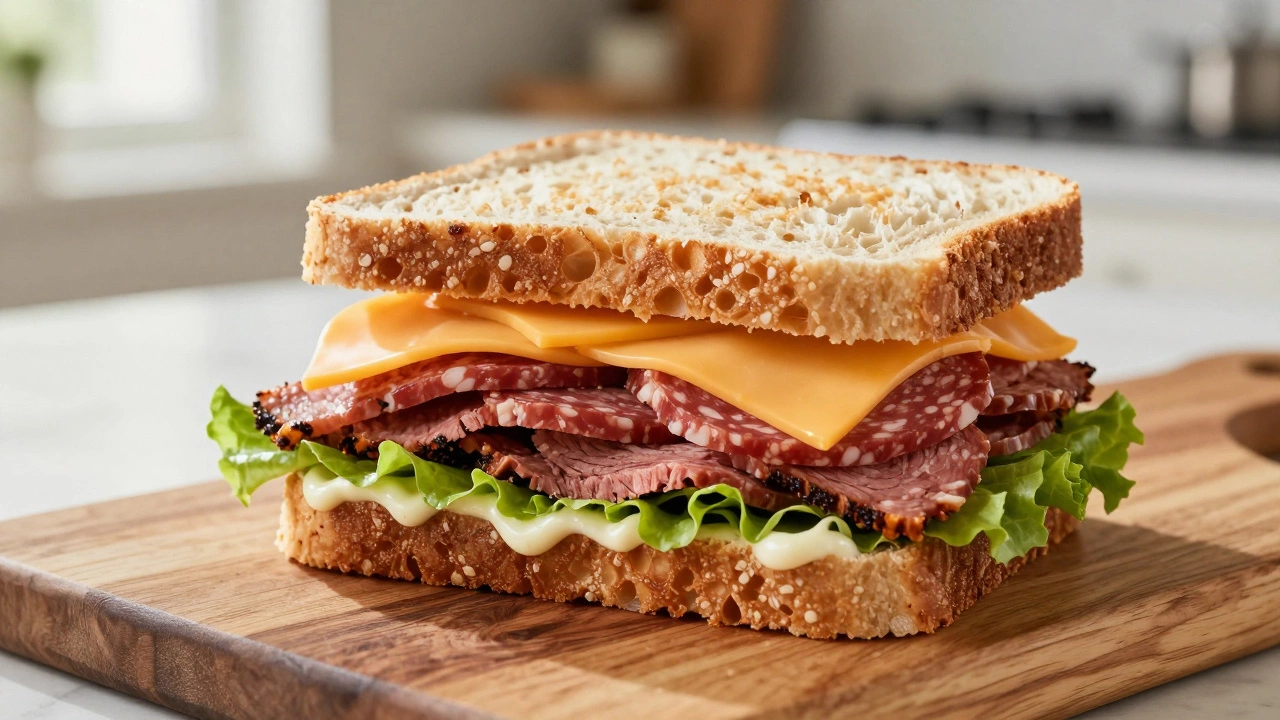
When we talk about cold sandwiches, the deli stack is usually the first thing that comes to mind. Deli Meats is a category of cured or preserved meats designed to be sliced thin and served cold. These include staples like salami, ham, and roast beef.
The key here is the layering. If you put your tomato directly against the bread, you're asking for a soggy sandwich. Instead, use a fat barrier. Spread a layer of mayonnaise or butter from edge to edge. This creates a waterproof seal. Next, fold your meats rather than laying them flat; folding creates air pockets that make the sandwich feel lighter and taste more flavorful. Add a slice of sharp cheddar or provolone to add a salty punch that cuts through the richness of the meat.
Creamy Salad Sandwiches
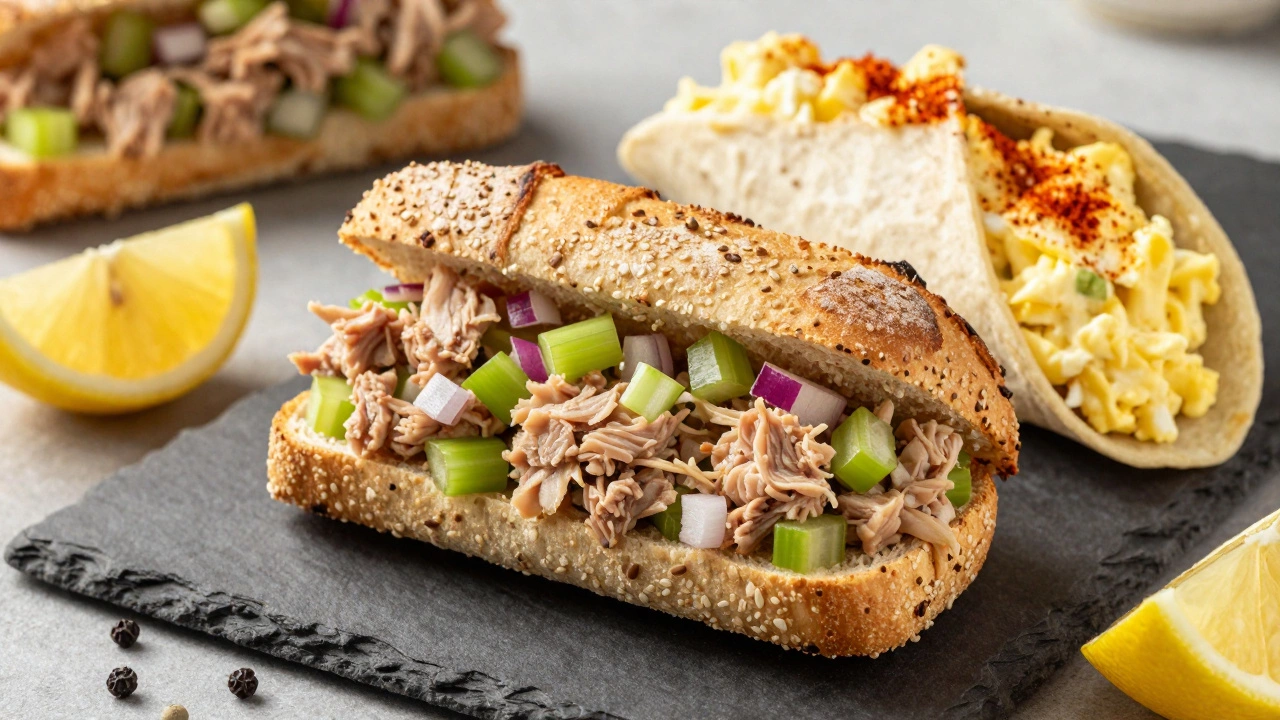
These aren't your typical leaf-of-lettuce salads. We're talking about Bound Salads, which are mixtures of chopped proteins bound together with a thick dressing like mayonnaise, Greek yogurt, or mustard.
The most common versions are Tuna Salad and Egg Salad. To keep these from becoming mushy, use a sturdy bread like a toasted sourdough or a hearty multigrain. A pro tip for tuna salad: add finely diced celery and red onion for a necessary crunch. If you're using egg salad, a pinch of paprika and a squeeze of lemon juice can brighten the heavy flavor of the mayo. These are perfect for those who want a filling lunch that feels more like a meal and less like a snack.
| Type | Best Bread | Moisture Level | Shelf Life (Fridge) |
|---|---|---|---|
| Deli Stack | Rye or Sourdough | Low to Medium | 2-3 Days |
| Bound Salad | Whole Grain or Wrap | High | 1-2 Days |
| Vegetarian | Ciabatta or Whole Wheat | Medium (Veggie juices) | 1 Day |
| Tea Sandwich | White Bread | Low | 1 Day |
| Open-Faced | Dark Rye/Pumpernickel | Low | 1 Day |
Fresh Vegetarian and Plant-Based Options
Vegetarian sandwiches often struggle with "the wilt." When you use raw spinach or cucumbers, they release water over time. To avoid this, look toward Hummus, which is a creamy dip made from cooked, mashed chickpeas blended with tahini, lemon juice, and garlic.
Hummus acts as both a flavor enhancer and a structural adhesive, keeping your vegetables in place. Try a combination of roasted red peppers, sliced avocado, and sprouts. If you want something more substantial, use smoked tofu or grilled halloumi (even when served cold). The trick to a great veggie sandwich is contrasting textures. Pair a creamy avocado with a crisp radish slice or a crunchy seed cracker to keep your taste buds engaged.
The Elegant Tea Sandwich
These are the tiny, crustless wonders usually seen at high-end parties, but they make great light lunches. The focus here is on simplicity and precision. Finger Sandwiches are small, rectangular slices of bread with a single, refined filling.
Classic combinations include cucumber and cream cheese or smoked salmon with a hint of dill. Because these use softer white breads, they aren't meant to last days in a fridge. They are best made fresh. To get that perfect professional look, remove the crusts after the sandwich is assembled. This ensures the edges are clean and the filling is perfectly centered. It's a great way to introduce a variety of flavors without feeling weighed down by a massive meal.
Open-Faced Scandinavian Style
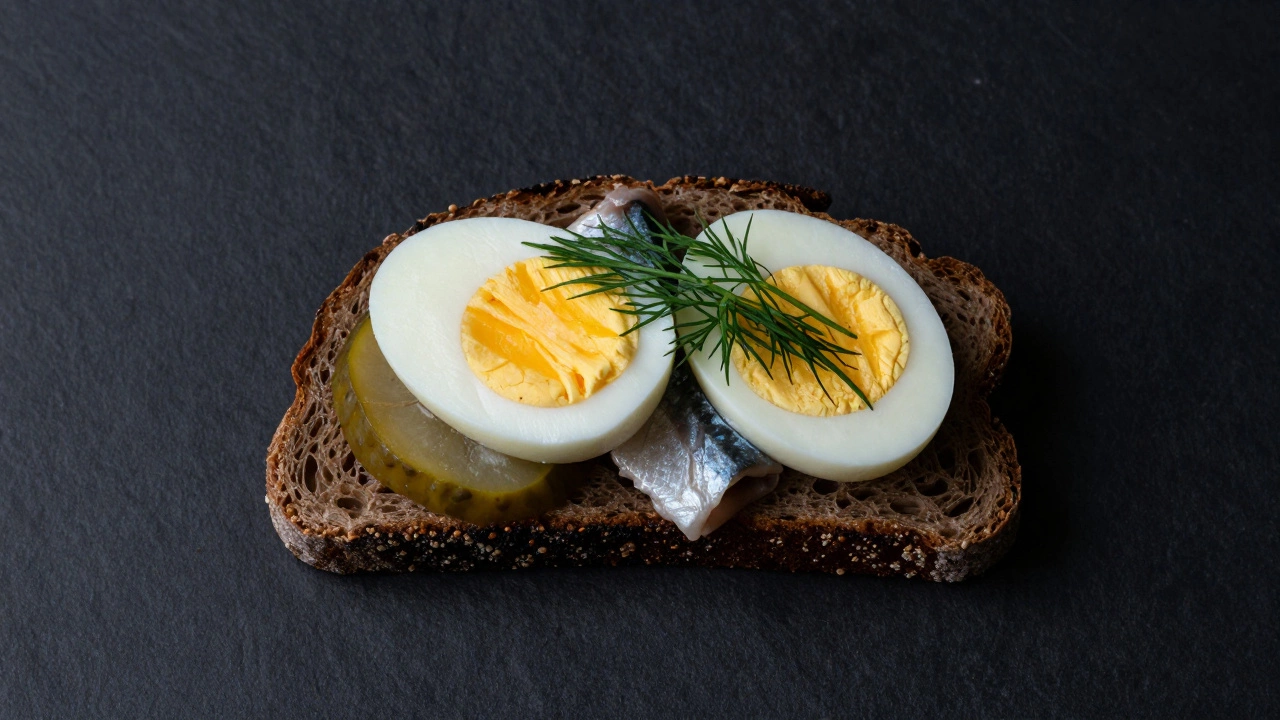
If you're tired of the traditional two-slice sandwich, look at the Smørrebrød, which is a traditional Danish open-faced sandwich consisting of a piece of dense rye bread topped with various toppings.
Unlike other types, there is no top slice of bread. This means you can pile on the toppings without worrying about the sandwich falling apart. Start with a base of butter or cream cheese on a slice of dark rye. Top it with sliced hard-boiled eggs, pickled herring, or roast beef. To make it an actual meal, add a side of small potatoes or a fresh garden salad. This style is all about the visual appeal and the balance of salty, acidic, and creamy flavors in every single bite.
How to Keep Your Sandwiches Fresh
The biggest enemy of the cold sandwich is oxidation and moisture. If you're prepping your lunches for the week, don't assemble them on Sunday. Instead, use the "component method." Keep your sliced meats and cheeses in one container, your washed greens in another, and your spreads in a small jar. Assemble the sandwich right before you leave for work or when you're ready to eat.
If you must assemble them in advance, wrap them tightly in parchment paper first, then put them in a reusable silicone bag or plastic container. The parchment paper absorbs a small amount of excess moisture, preventing the bread from getting that dreaded "clammy" feel. Also, remember that ingredients like avocado will brown. A squeeze of lime juice on the avocado slices can delay this process, keeping your lunch looking green and appetizing.
Which bread is best for cold sandwiches?
It depends on the filling. For wet fillings like tuna or egg salad, use a denser bread like sourdough or whole grain to prevent sogginess. For deli meats, a rye or a baguette works well. For tea sandwiches, a soft white bread is the standard.
How do I stop my sandwich from getting soggy?
The best way is to create a fat barrier. Spread butter, mayo, or hummus on both slices of bread. This blocks the moisture from the meats and vegetables from soaking into the grain. Also, place your lettuce or spinach between the bread and the "wet" ingredients like tomatoes.
Are cold sandwiches healthy?
They can be! To make them healthier, swap white bread for sprouted grain or whole wheat. Use Greek yogurt instead of mayonnaise in salads, and load up on raw vegetables like spinach, cucumbers, and peppers to increase the nutrient density.
Can I freeze cold sandwiches?
Generally, no. Bread often becomes mushy after thawing, and fresh vegetables will lose their texture. If you need to prep ahead, freeze only the bread or the cooked proteins, then assemble fresh with cold vegetables.
What is the difference between a wrap and a sandwich?
The main difference is the bread. A sandwich uses two slices of leavened bread, while a wrap uses a flatbread, tortilla, or lettuce leaf. Wraps are often better for "bound salads" because they hold the filling more securely.
Next Steps for Better Lunches
If you've mastered the five basic types, try experimenting with "fusion" sandwiches. Why not put a Korean-style kimchi slaw on a classic deli roast beef stack? Or try a Mediterranean twist on an open-faced sandwich with feta and olives. The goal is to keep your midday meal exciting so you don't find yourself tempted by expensive and unhealthy takeout options.