Meat Reintroduction Tracker
Your Transition Timeline
Select the phase you are currently in or have completed.Phase 1: Preparation
Get ready to start your journey by preparing your digestive system.
Recommended Foods:
Daily Symptom Check
Check off any symptoms you experienced today.
You’ve been a vegetarian for months, maybe even years. You felt good about your choice, proud of the lifestyle shift. But now, something has changed. Maybe you’re feeling constantly tired, struggling with hair loss, or just craving that savory depth you used to enjoy. Perhaps medical advice flagged low iron or B12 levels. Whatever the reason, the decision to start eating meat again can feel surprisingly complicated. It’s not just about ordering a steak; it’s about navigating your body’s new normal.
Reintroducing animal protein isn’t like hitting a reset button. Your gut microbiome has adapted to a plant-heavy diet. Your enzymes have shifted focus. If you rush in with a heavy ribeye on day one, you might end up with bloating, nausea, or regret. The goal here is to transition smoothly, honoring your past choices while nourishing your current needs. This guide breaks down how to do exactly that-without the digestive drama.
Why People Return to Eating Meat
Before we talk about eating meat again, it helps to understand why people make this switch. It’s rarely a failure of willpower. More often, it’s a response to physiological signals. Plant-based diets are fantastic for heart health and weight management, but they require careful planning to avoid nutrient gaps. Vitamin B12, heme iron, zinc, and complete proteins are harder to optimize without supplementation or meticulous meal prep.
Some people find themselves returning to omnivory after pregnancy, where nutrient demands skyrocket. Others notice cognitive fog or muscle weakness that doesn’t resolve with supplements alone. There’s also the social aspect. Dining out becomes easier when you aren’t restricted by menu limitations. Recognizing your 'why' matters because it dictates how much meat you’ll need. Are you adding it for variety, or are you treating a deficiency? The answer changes your strategy.
Is it bad for my gut if I eat meat after being vegetarian?
It can cause temporary discomfort if done too quickly. Your gut bacteria have shifted toward breaking down fiber and plants. Introducing large amounts of protein and fat suddenly can overwhelm your system, leading to bloating or constipation. Gradual reintroduction allows your microbiome to adapt.
The Digestive Reset: Preparing Your Gut
Your digestive system is dynamic. When you stop eating meat, the bacteria that specialize in breaking down animal proteins decrease in number. Meanwhile, those that ferment fiber increase. This is healthy, but it means your body loses some efficiency at processing meat. If you jump straight into red meat, you might experience what some call "meat sweats" or significant lethargy as your body works overtime to digest it.
To prepare, don’t detox or purge. Instead, support your digestion. Ensure you’re drinking enough water, as protein metabolism requires hydration. Consider incorporating fermented foods like kimchi or yogurt if you tolerate dairy, which help maintain a diverse gut environment. Some people find that taking a digestive enzyme supplement containing protease (which breaks down protein) during the first few weeks helps mitigate bloating. Listen to your body. If you feel heavy after a meal, slow down. This isn’t a race.
Choosing Your First Proteins
Not all meats are created equal when you’re restarting. You want options that are easy to digest and nutrient-dense without being overly fatty or tough. Here’s a logical progression:
- Fish and Shellfish: White fish like cod or tilapia, and shellfish like shrimp, are lean and gentle on the stomach. They provide high-quality protein and omega-3s without the heavy fat load of red meat.
- Poultry: Chicken breast or turkey is a familiar texture for many vegetarians who may have eaten chicken soup or stock before. It’s lean and versatile.
- Eggs: If you were ovo-vegetarian, skip this step. If you were vegan, eggs are an excellent bridge. They contain all essential amino acids and are incredibly bioavailable.
- Lean Red Meat: Ground beef (lean), bison, or venison come later. These are richer in iron and zinc but heavier to digest.
Avoid processed meats like bacon, sausages, and deli slices for the first month. They are high in sodium and preservatives, which can shock your system and mask the true taste of fresh meat. You want to learn what real food tastes like, not salt and smoke.
The Two-Week Reintroduction Plan
Rushing leads to regret. Slowly building tolerance ensures success. Here is a practical timeline to follow:
Days 1-3: The Liquid Phase
Start with bone broth or a clear meat-based soup. Bone broth contains collagen and gelatin, which are soothing to the gut lining. It introduces animal-derived nutrients in a liquid form, requiring minimal enzymatic effort from your stomach. Sip it warm. Notice how you feel two hours later. Any nausea? Any energy boost?
Days 4-7: Soft Proteins
Introduce soft-cooked eggs or small portions of white fish. Aim for 2-3 ounces per meal. Pair these with vegetables you already love. For example, try poached salmon with steamed broccoli. The familiar veggie acts as a comfort anchor, making the new protein less intimidating. Chew thoroughly. Digestion begins in the mouth, and proper chewing reduces the workload on your stomach.
Days 8-14: Solid Meats
Now you can try ground turkey or lean chicken strips. Keep portions moderate. Add these to stir-fries or grain bowls. By now, your body should be producing more protease enzymes. If you still feel bloated, reduce portion sizes and go back to softer proteins for another week. There is no penalty for slowing down.
| Protein Source | Digestibility | Key Nutrients | Best For |
|---|---|---|---|
| Bone Broth | Very High | Collagen, Glycine | Gut healing, initial phase |
| White Fish | High | Iodine, Omega-3s | Easy transition, light meals |
| Eggs | High | B12, Choline | Brain health, versatility |
| Chicken Breast | Medium-High | Selenium, Niacin | Muscle maintenance, daily meals |
| Red Meat | Medium | Heme Iron, Zinc | Energy, blood health |
Nutrient Synergy: Making Meat Work Harder
Eating meat isn’t just about calories; it’s about bioavailability. Heme iron from meat is absorbed much better than non-heme iron from spinach. Vitamin B12 in meat is active and ready to use. To maximize benefits, pair your meat with vitamin C-rich foods. While vitamin C helps plant iron absorption, it also supports overall tissue repair and immune function, which is helpful during dietary transitions.
Don’t neglect your fiber intake. A common mistake when reintroducing meat is cutting back on vegetables because you’re full faster. Meat is satiating. However, your gut still needs prebiotic fibers to feed the beneficial bacteria that remain. Keep eating your beans, lentils, and leafy greens. Think of meat as the complement to your plant base, not the replacement.
Psychological Adjustments
Let’s address the elephant in the room: guilt. Many former vegetarians struggle with ethical dissonance when they start eating animals. You might worry you’re betraying your values. Remember, nutrition is personal. If your health suffers on a strict plant-based diet, adjusting your intake is a responsible act of self-care. You don’t have to become a carnivore. You can aim for a flexitarian approach, where meat is consumed sparingly and mindfully.
Choose quality sources. Support local farmers who practice humane raising methods. This aligns your actions with your ethics. Knowing your chicken was pasture-raised or your beef was grass-fed can ease psychological tension. It transforms the meal from a compromise into a conscious choice.
Common Pitfalls to Avoid
- Overdoing it: Don’t replace every plant meal with meat. Aim for balance. One meat-containing meal a day is plenty for most people starting out.
- Ignoring hydration: Protein increases nitrogen waste, which your kidneys filter. Drink extra water to support kidney function.
- Skipping veggies: As mentioned, fiber is crucial. Without it, you risk constipation, especially since meat lacks fiber entirely.
- Expecting instant results: Energy levels and hair growth take weeks to improve. Be patient with your body’s adaptation process.
Sample Day of Eating
Here’s how a balanced day might look during week two of your transition:
- Breakfast: Scrambled eggs with spinach and mushrooms. Coffee or tea.
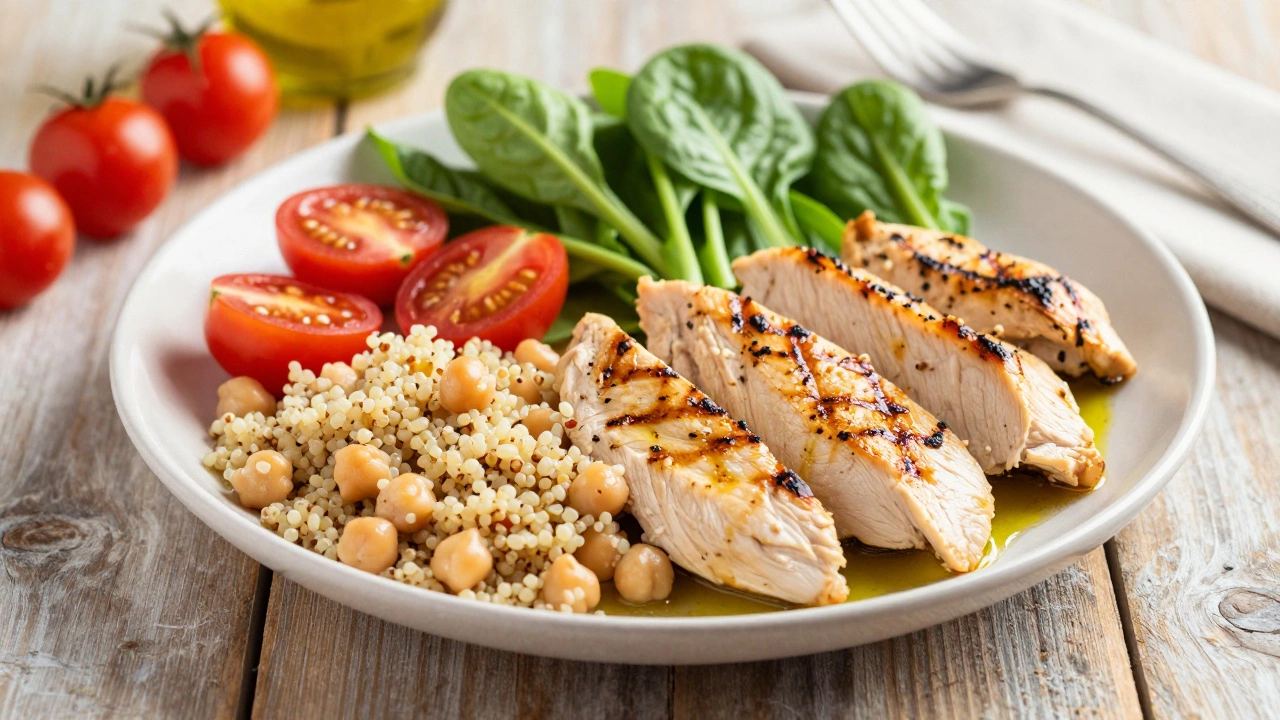
- Lunch: Large salad with chickpeas, quinoa, cherry tomatoes, and a small portion of grilled chicken breast. Olive oil dressing.
- Snack: Apple slices with almond butter.
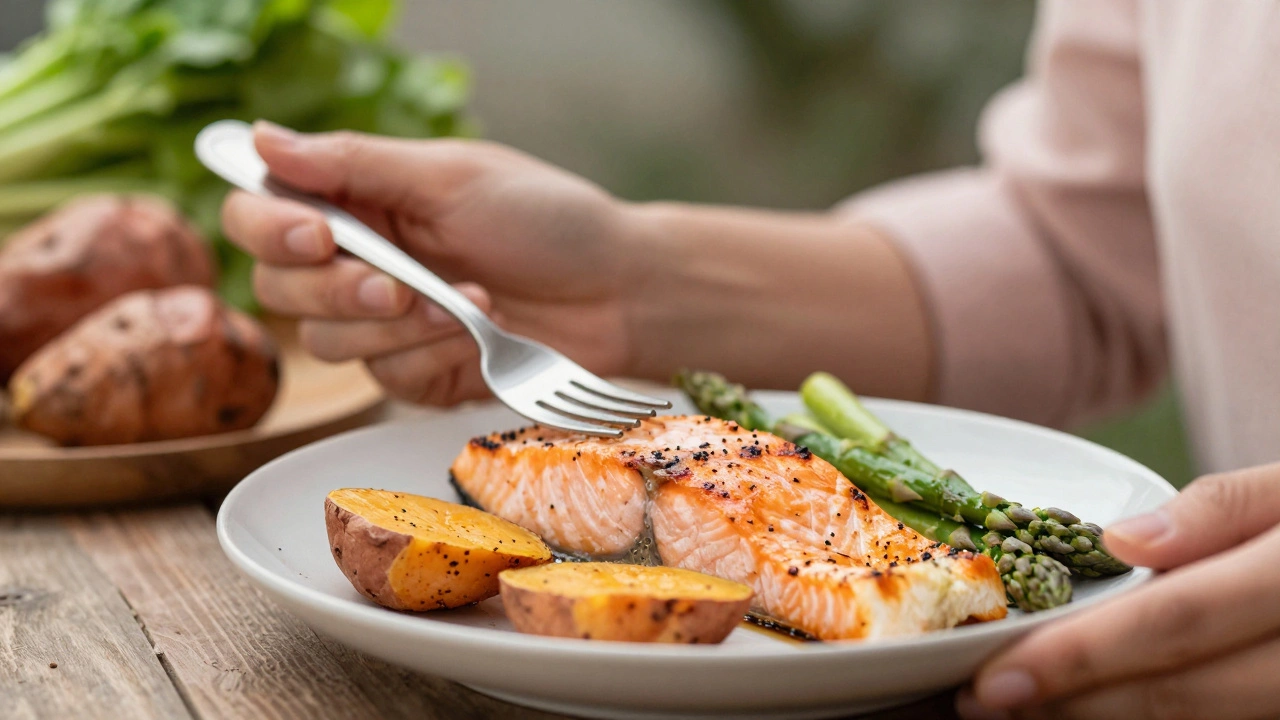
- Dinner: Baked salmon with roasted sweet potatoes and asparagus.
This menu provides variety, ensures adequate protein, maintains fiber intake, and introduces meat gently. It respects your history as a vegetarian while embracing your new nutritional needs.
When to Consult a Professional
If you experience persistent pain, severe bloating, or allergic reactions (rash, itching, swelling), stop immediately and consult a doctor. Some people develop sensitivities to certain proteins over time. Additionally, if you have a history of kidney issues, talk to your healthcare provider before significantly increasing protein intake. Blood tests can confirm if your iron, B12, and vitamin D levels are improving, giving you objective data on whether the transition is working.
Can I still consider myself vegetarian if I eat meat sometimes?
Labels are flexible. Many people identify as flexitarians or ethical omnivores. What matters is that your diet supports your health and values. You define your identity, not a rigid category.
Will I gain weight by eating meat again?
Not necessarily. Weight change depends on total calorie intake. Lean meats are low in calories and high in satiety, which can actually help control appetite. Focus on whole, unprocessed meats and maintain portion control.
How long does it take for my body to adjust?
Most people adapt within 2 to 4 weeks. Initial digestive discomfort usually subsides after the first week as enzyme production increases and gut bacteria rebalance.
Should I take supplements while transitioning?
You may need fewer supplements, such as B12 or iron, once you include meat. However, continue taking them until your next blood test confirms sufficient levels. Don’t stop abruptly without medical advice.
What if I hate the taste of meat?
Taste preferences can redevelop. Start with mild flavors like chicken or fish. Use herbs and spices you already enjoy. It may take several exposures before your palate adjusts to the umami profile of meat.