Many people assume being vegan means eating only plants - and that’s mostly true. But there’s one common food that trips up even seasoned vegans: onions. If you’ve ever been told you can’t eat onions on a vegan diet, you’re not alone. The truth? vegans can eat onions. They’re plant-based, nutrient-rich, and totally allowed. So why does this myth keep coming up?
Onions Are Totally Vegan
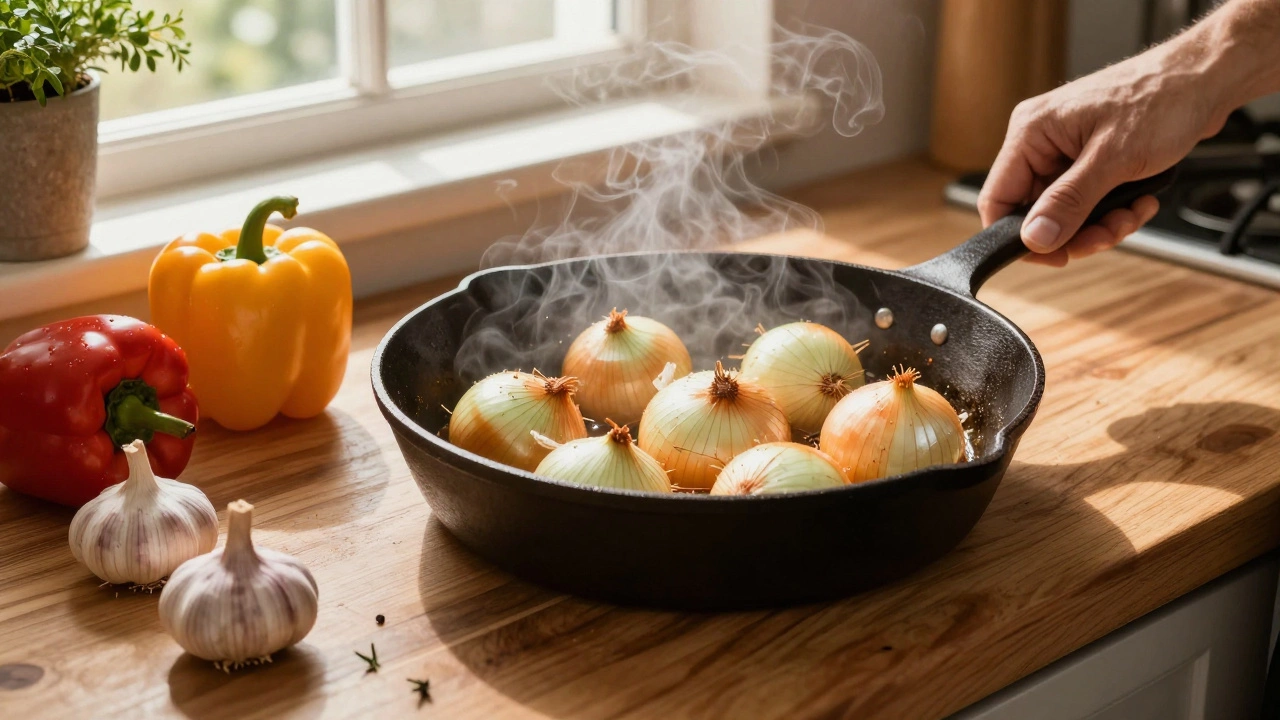
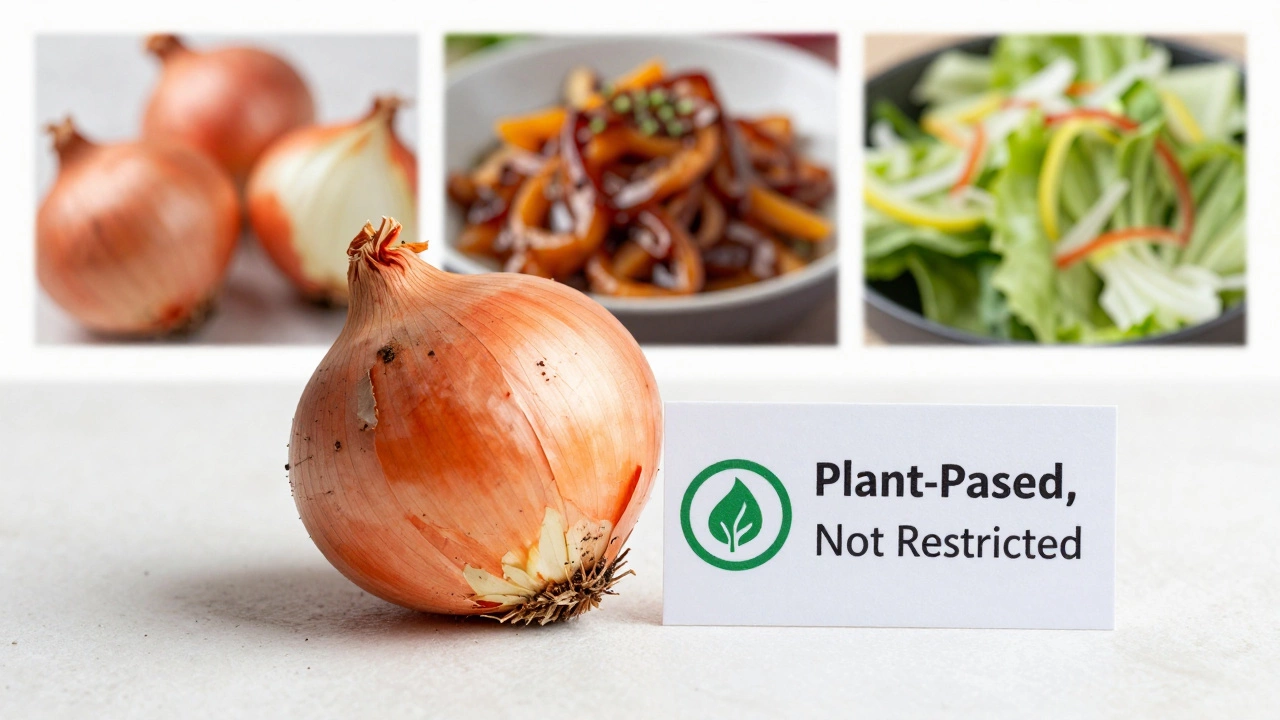
Onions are a root vegetable. They grow underground, absorb sunlight, and get their nutrients from soil and water. No animals are involved. No milk, eggs, honey, or meat. That’s the entire definition of vegan: no animal products, no exploitation. Onions check every box.
Think about it - if onions weren’t vegan, what would be? Garlic? Carrots? Bell peppers? All of those are plants, just like onions. The idea that onions are off-limits doesn’t come from vegan ethics. It comes from confusion, cultural myths, or misinterpretations of other diets.
Where Did This Myth Come From?
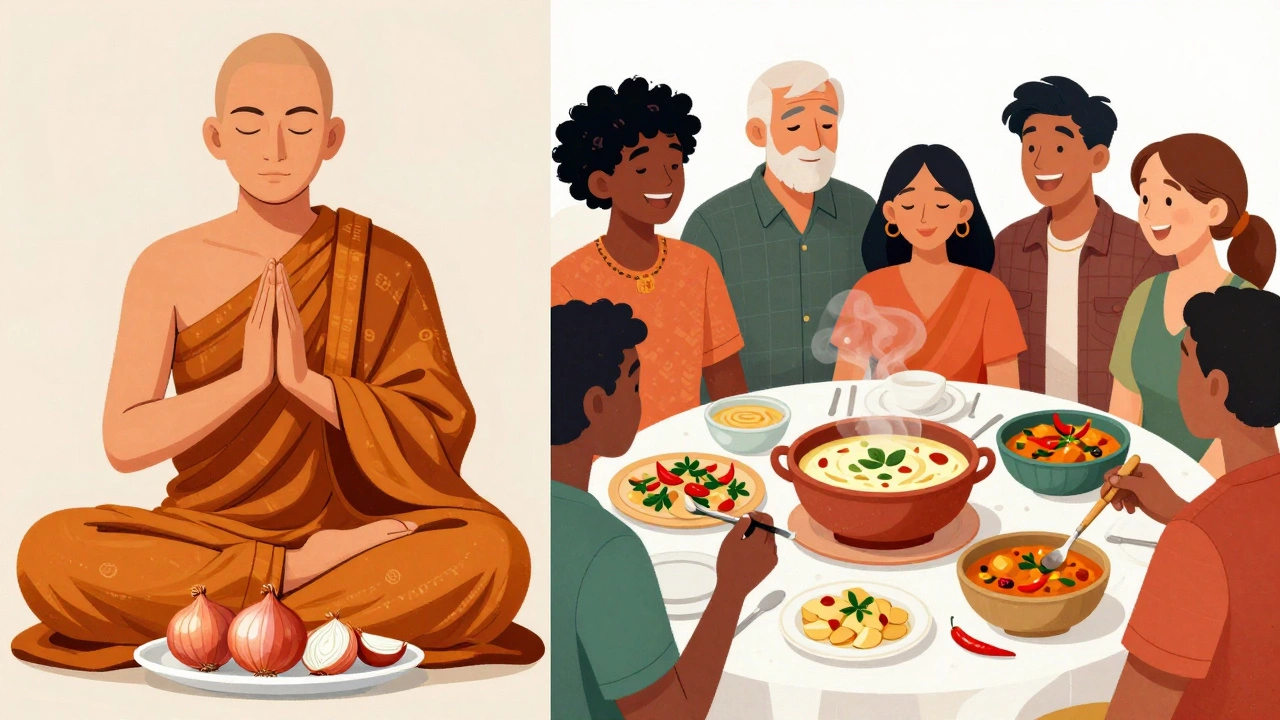
The confusion often traces back to certain spiritual or religious traditions - especially in parts of India. Some followers of Jainism, Ayurveda, or specific Hindu practices avoid onions and garlic because they believe these foods are rajasic - meaning they stimulate passion, aggression, or overstimulation of the mind. This has nothing to do with veganism. It’s about spiritual purity, not animal welfare.
Some people who follow these spiritual paths also identify as vegan. That’s where the mix-up happens. They’re avoiding onions for religious reasons, then assume everyone else should too. But veganism, as defined by the Vegan Society since 1944, is about avoiding animal exploitation. It doesn’t include dietary restrictions based on energy, mood, or spirituality.
If you’re vegan because you care about animals, the environment, or health - onions are perfectly fine. If you’re vegan because you follow a specific spiritual path that avoids alliums, that’s a personal choice. But it’s not veganism.
What About Onion Powder or Extracts?
Some processed foods contain onion powder, onion oil, or dehydrated onion. Are those vegan? Yes. Unless the product is made with animal-derived additives (like lard or gelatin), onion powder is just ground dried onions. No hidden dairy. No animal testing. No cruelty.
Check labels if you’re worried - but don’t assume onion powder is the problem. The real red flags are ingredients like whey, casein, gelatin, or honey. Onion? Not even close.
Why Do Some Vegan Communities Say No to Onions?
You might have seen this on social media or in vegan Facebook groups. Someone posts a recipe with onions and gets comments like, “That’s not real vegan.” Or worse - “Vegans don’t eat onions.”
This isn’t about science. It’s about gatekeeping. Some people create rigid rules to feel more “pure” or “authentic.” They might have had a personal experience - maybe they felt bloated after eating onions, or they were raised in a household that avoided them. They mistake their personal preference for universal truth.
Real veganism is inclusive. It’s about reducing harm. It’s not about policing what someone puts in their stir-fry.
What Do Vegan Organizations Say?
The Vegan Society (UK), PETA, and the American Vegan Society all list onions as vegan. No exceptions. No fine print. The Vegan Society’s official definition says: “Veganism is a way of living which seeks to exclude… all forms of exploitation of, and cruelty to, animals.” Onions don’t exploit animals. They don’t have nervous systems. They don’t feel pain.
Even vegan nutritionists and dietitians - like those from the Academy of Nutrition and Dietetics - include onions as part of a healthy plant-based diet. They’re rich in antioxidants, quercetin, and fiber. They help reduce inflammation. They’re linked to lower risk of heart disease.
Real Vegan Recipes That Use Onions
If you’re still unsure, look at what actual vegan chefs cook. Here are a few classic vegan dishes that rely on onions:
- French onion soup (made with vegetable broth, not beef)
- Chili con carne (vegan version with beans and tomatoes)
- Curry dishes from Thailand or India (using onion, garlic, and coconut milk)
- Stuffed bell peppers with rice and sautéed onions
- Onion rings made with chickpea flour and baked
These aren’t “exceptions.” They’re staples. Millions of vegans eat them daily. If you remove onions from these dishes, you lose flavor, texture, and authenticity.
What About Alliums? Garlic, Leeks, Shallots?
Same answer. Garlic? Vegan. Leeks? Vegan. Shallots? Vegan. Chives? Vegan. All of them are plants. All of them are safe. All of them are delicious.
Some people confuse alliums with mushrooms - which are fungi, not plants - but even mushrooms are vegan. They don’t have nervous systems. They don’t suffer. They’re not animals.
So Why Do People Believe This Myth?
Because misinformation spreads faster than facts. A viral TikTok video says, “Vegans can’t eat onions,” and suddenly it’s gospel. Someone shares it without checking. Another person sees it, believes it, and repeats it. It feels right because it sounds like a rule.
But rules aren’t made up by strangers on the internet. They’re based on evidence. And the evidence? Onions are plant-based. No animals harmed. No ethical conflict. Just a tasty, healthy ingredient.
What Should You Do?
If you’re vegan and you’ve been avoiding onions because someone told you not to - stop. Start using them again. Your meals will taste better. You’ll get more nutrients. And you’ll be following the real definition of veganism.
If someone tells you onions aren’t vegan, calmly explain: “Veganism is about avoiding animal products. Onions are plants. They’re allowed.” You don’t need to argue. Just state the facts.
If you’re new to veganism and confused about what’s allowed - here’s the simple rule: if it grows from the ground, or comes from a plant, it’s vegan. Unless it’s been mixed with honey, dairy, or egg. Everything else? Safe.
Final Thought
Being vegan doesn’t mean eating a boring, restricted diet. It means choosing compassion. Onions don’t hurt anyone. They don’t need to be sacrificed. They don’t need to be feared. They’re just food. Good food.
So go ahead. Sauté them. Roast them. Caramelize them. Eat them raw. They’re not just vegan - they’re a superfood.
Are onions vegan?
Yes, onions are vegan. They are a plant-based vegetable with no animal ingredients or byproducts. Veganism avoids animal exploitation, and onions don’t involve animals in any way. They’re safe to eat on any vegan diet.
Why do some vegans avoid onions?
Some vegans avoid onions due to spiritual or religious beliefs - like those in Jainism or certain Hindu traditions - which consider onions and garlic to be overly stimulating. But this is not part of veganism itself. Veganism is defined by ethics around animal exploitation, not spiritual purity. If someone avoids onions for personal reasons, that’s fine - but it’s not a vegan rule.
Is onion powder vegan?
Yes, onion powder is vegan. It’s made by drying and grinding onions. Unless it’s mixed with non-vegan additives like dairy or gelatin (which is rare), it’s 100% plant-based. Always check labels if you’re unsure, but onion powder itself contains no animal products.
Do vegans eat garlic?
Yes, vegans eat garlic. Like onions, garlic is a plant. It’s not an animal product. It’s commonly used in vegan cooking for flavor. Avoiding garlic is a personal or spiritual choice, not a vegan requirement.
Can I eat onions if I’m vegan for health reasons?
Absolutely. Onions are rich in antioxidants, fiber, and compounds like quercetin that support heart health and reduce inflammation. Many studies link onion consumption to lower risk of chronic diseases. If you’re vegan for health, onions are a smart addition to your diet.