Side Dish Pairing Assistant
Step 1: Choose Your Main Course
Step 2: Recommended Sides
Select a main course and click Get Side Recommendations to see balanced pairings.
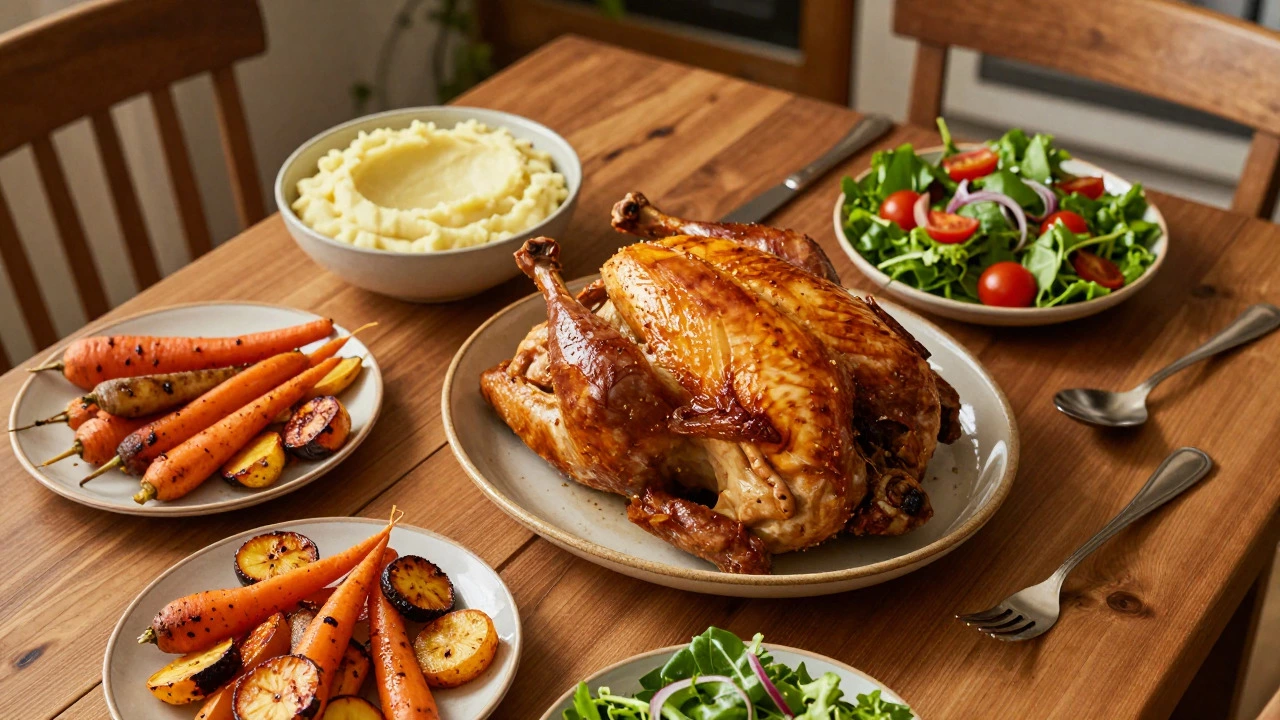
It’s 6:00 PM on a Tuesday. You’ve just pulled a roast chicken out of the oven, but the table feels empty. The main course is ready, but without a side dish is a complementary food served alongside the main course to balance flavors, textures, and nutrition. This simple addition transforms a single protein into a complete, satisfying meal. Whether you’re feeding a family of four or hosting friends, knowing which sides work best can save you from last-minute kitchen stress.
Many people think side dishes are just “extra vegetables,” but they play a crucial role in meal architecture. They provide contrast in texture-crunchy against soft, creamy against crisp-and balance the palate with acidity, sweetness, or saltiness. In this guide, we’ll break down the most common categories of sides, explain why they work, and give you specific examples that are easy to execute at home.
The Four Pillars of a Complete Plate
When building a balanced plate, chefs often rely on four distinct components: starch, vegetable, protein, and fat. Since your main course usually covers the protein and some fat, your side dishes need to fill the gaps. Think of your side selection as solving a puzzle where each piece adds a different sensory experience.
- Starches: These provide energy and heartiness. Common examples include potatoes, rice, pasta, and bread. They act as the canvas for sauces and gravies.
- Vegetables: These add vitamins, fiber, and color. Steamed greens, roasted roots, and fresh salads are staples here.
- Legumes & Grains: Quinoa, lentils, and chickpeas offer plant-based protein and unique earthy flavors that complement meat or fish.
- Dairy & Eggs: Mashed potatoes with butter, mac and cheese, or a simple deviled egg platter add richness and creaminess.
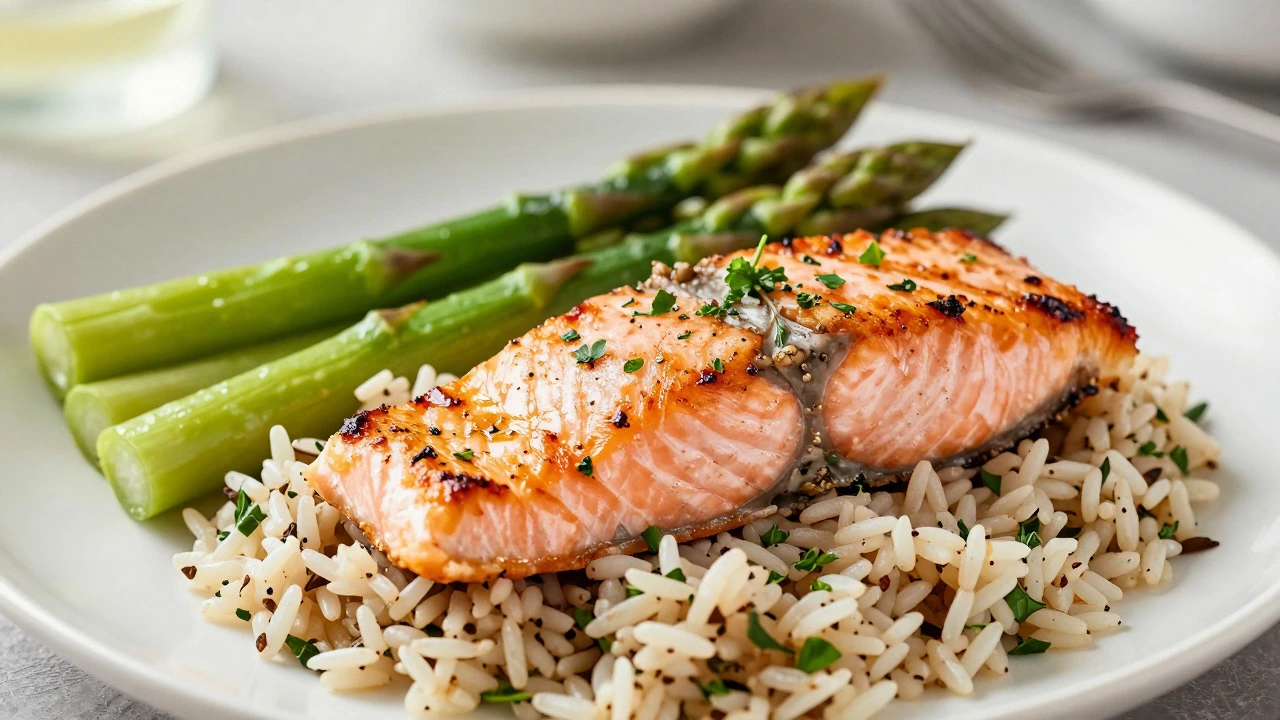
A well-rounded meal typically includes one starch and one vegetable. For instance, if your main is a lean grilled salmon, a starchy side like wild rice pilaf and a light green side like steamed asparagus create a harmonious balance. If your main is heavy, like a beef brisket, you might opt for lighter sides like coleslaw or a crisp garden salad to cut through the richness.
Classic Starch Sides That Never Fail
Potatoes are arguably the most versatile side dish in Western cuisine. Their neutral flavor allows them to absorb almost any seasoning, making them perfect for nearly every type of main course. From fluffy mashed potatoes to crispy roasted wedges, there’s a potato preparation for every occasion.
| Side Dish | Best Paired With | Preparation Time | Key Flavor Profile |
|---|---|---|---|
| Mashed Potatoes | Roast Chicken, Beef Stew | 30 mins | Creamy, Savory |
| Garlic Bread | Pasta, Pizza, Soup | 15 mins | Toasty, Herby |
| Rice Pilaf | Curries, Grilled Fish | 20 mins | Light, Nutty |
| Macaroni and Cheese | Burgers, Roast Pork | 45 mins | Cheesy, Comforting |
Beyond potatoes, grains like couscous and farro have gained popularity due to their quick cooking times and nutty textures. Couscous, for example, only requires hot water and a few minutes to steam, making it an ideal emergency side when guests arrive early. It pairs exceptionally well with Mediterranean dishes like lamb kofta or grilled halloumi.
Vegetable Sides: Beyond the Boil
We all know that boiled broccoli can be boring, but roasting changes everything. High heat caramelizes the natural sugars in vegetables, creating a depth of flavor that boiling simply cannot achieve. Try tossing broccoli florets, cauliflower, or Brussels sprouts in olive oil, salt, and pepper, then roasting them at 220°C (425°F) until the edges are charred and crispy.
Leafy greens like spinach, kale, and chard are another essential category. While often associated with health-conscious eating, they add a vibrant green element to the plate. Sautéing them quickly with garlic and a squeeze of lemon juice keeps them tender and bright. This method works particularly well with rich mains like pork chops or creamy risottos, providing a necessary acidic lift.
Don’t forget about root vegetables. Carrots, parsnips, and beets become incredibly sweet when roasted. A simple honey-glazed carrot recipe involves brushing the carrots with a mixture of honey, mustard, and brown sugar before roasting. This glaze creates a sticky, savory-sweet coating that kids and adults alike tend to enjoy.
Salads and Fresh Elements
Not every meal needs a cooked side. A fresh salad can serve as a palate cleanser, especially after heavier dinners. The key to a good side salad is simplicity. Avoid drowning it in heavy dressings; instead, use a light vinaigrette made from olive oil, vinegar, Dijon mustard, and a pinch of salt.
Classic combinations include:
- Garden Salad: Romaine lettuce, cucumber, cherry tomatoes, and red onion. Perfect with Italian or American mains.
- Caesar Salad: Crisp romaine, croutons, Parmesan, and Caesar dressing. A timeless companion to grilled chicken or steak.
- Quinoa Salad: Cooked quinoa mixed with diced bell peppers, red onion, and feta cheese. This adds a grain component while keeping things fresh.
For those who prefer something slightly more substantial than leafy greens, consider a slaw. Coleslaw, made from shredded cabbage and carrots with a creamy dressing, offers a crunchy texture that contrasts beautifully with soft meats like pulled pork or slow-cooked ribs.
Global Inspirations for Your Table
If you want to step outside the traditional Western framework, look to global cuisines for inspiration. Asian-inspired meals often feature steamed vegetables with soy-ginger sauce or a simple cucumber salad dressed in rice vinegar and sesame oil. These sides are light, refreshing, and cook in under ten minutes.
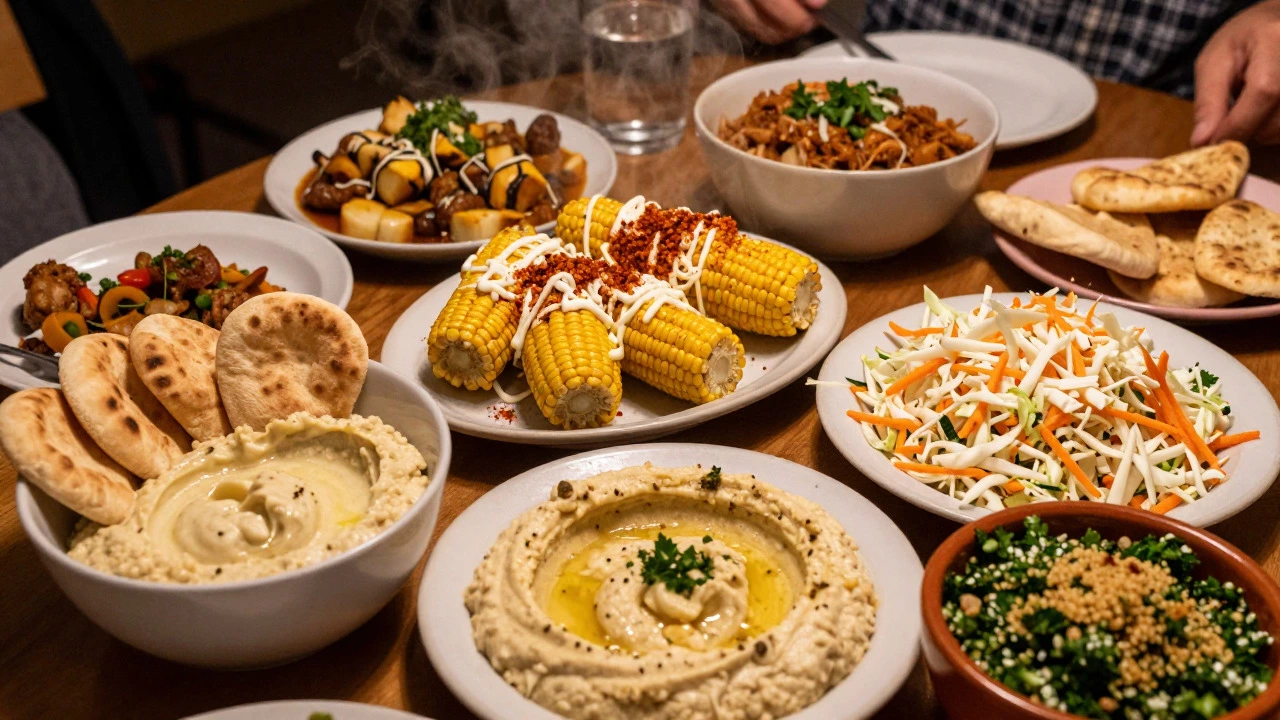
In Latin American cooking, beans and rice are standard companions. Black bean dip or refried beans can accompany tacos or burritos, while a cilantro-lime rice adds freshness to grilled fish. Mexican street corn, elote, is another popular option-grilled corn kernels coated in mayonnaise, cotija cheese, chili powder, and lime juice. It’s messy, delicious, and adds a fun interactive element to the meal.
Middle Eastern dishes frequently include hummus, tabbouleh, or baba ganoush. These dips not only serve as sides but also as appetizers, allowing guests to graze before the main course arrives. Tabbouleh, a parsley-heavy salad with bulgur wheat, tomatoes, and mint, is hydrating and herbaceous, making it an excellent counterpoint to fatty lamb dishes.
Matching Sides to Main Courses
The art of pairing lies in balancing intensity and texture. Here are some practical rules of thumb to help you choose the right side for your specific main dish:
- Lean Meats Need Richness: If you’re serving grilled chicken breast or white fish, pair it with a creamy side like mashed potatoes or a cheesy gratin to add moisture and body.
- Fatty Meats Need Acidity: For ribeye steaks or pork belly, serve a sharp salad, pickled onions, or a tomato-based salsa to cut through the fat.
- Saucy Mains Need Neutrality: If your main has a strong sauce (like a red wine reduction or curry), keep the sides mild. Plain steamed rice or plain mashed potatoes won’t compete with the complex flavors of the main.
- Grilled Items Benefit from Charred Veggies: Grilling imparts a smoky flavor. Echo this by grilling or roasting your vegetables as well. Grilled zucchini, peppers, and onions make a fantastic accompaniment to any grilled meat or fish.
Consider the temperature too. A hot soup paired with warm bread creates a cozy winter meal, while a cold salad with a warm burger provides a refreshing summer contrast. Mixing temperatures can make a meal feel more dynamic and interesting.
Quick and Easy Solutions for Busy Weeknights
Let’s be honest: sometimes you don’t have time to roast a tray of vegetables. That’s okay. There are plenty of no-cook or minimal-cook sides that still taste great. Bagged salad mixes are convenient, but try adding pre-chopped raw veggies like bell peppers or snap peas for extra crunch. Canned beans, rinsed and drained, can be tossed with a little olive oil, cumin, and lemon juice for a surprisingly tasty legume side in under five minutes.
Bagels and loaves of artisan bread are also excellent low-effort sides. Serve them with whipped butter or a flavored spread like pesto or tapenade. This approach works particularly well with soups, stews, and braised meats where dipping is part of the experience.
Finally, don’t underestimate the power of fruit. A simple bowl of sliced apples with cinnamon, or fresh berries with a drizzle of honey, can serve as a light side or dessert hybrid. It adds a burst of natural sweetness that rounds out savory meals without feeling heavy.
Frequently Asked Questions
What is the most universal side dish?
Mashed potatoes are widely considered the most universal side dish in Western cuisine. Their neutral flavor and creamy texture allow them to pair well with almost any main course, from simple grilled chicken to complex beef stews. They are also easy to prepare in large quantities and reheat well for leftovers.
How many side dishes should I serve per person?
Typically, two side dishes are sufficient for a balanced meal: one starch and one vegetable. However, for larger gatherings or potlucks, offering three to four options allows guests to customize their plates according to their preferences and dietary needs.
Can I use frozen vegetables as a side dish?
Yes, frozen vegetables are a convenient and nutritious option. They are usually blanched before freezing, which preserves their nutrients. To improve texture, avoid boiling them; instead, sauté them in a pan with oil and seasonings until heated through and slightly caramelized. This method yields a better result than microwaving or boiling.
What are some gluten-free side dish ideas?
Many traditional sides are naturally gluten-free, including potatoes, rice, corn, and most fresh vegetables. For grain-based sides, quinoa, millet, and buckwheat are excellent alternatives to wheat-based pasta or bread. Always check labels on processed items like breadcrumbs or premixed stuffings to ensure they are certified gluten-free.
How do I make sure my sides don’t overpower the main course?
Keep the seasoning on your sides milder than the main course. If the main dish is heavily spiced or sauced, opt for lightly seasoned sides like plain steamed rice or simply salted roasted potatoes. Let the main course be the star, using the sides primarily to provide texture and nutritional balance rather than competing for attention with intense flavors.