Lunch Alternative Finder
Tell us about your situation to get a personalized recommendation.
Select your options and click "Find My Lunch" to see recommendations.
Staring at a bowl of iceberg lettuce and wondering if you have to eat it again today? You are not alone. The diet culture obsession with salads as the ultimate healthy lunch has left many people feeling restricted, bored, or simply hungry an hour later. If you are tired of raw vegetables, there is a whole world of nutritious, satisfying, and quick lunch options that do not require a single leaf of greens.
The good news is that ditching the salad does not mean giving up on health. It just means expanding your definition of a balanced meal. Whether you are stuck in an office without a microwave, working from home, or just need something warm and comforting, these alternatives provide the protein, fiber, and energy you need without the cold crunch of raw veggies.
Why You Might Be Tired of Salads
Before we jump into the food, let's acknowledge why salads often fail us as a daily lunch staple. For many, they lack staying power. A bowl of mixed greens with light dressing might look impressive, but it rarely provides enough calories or macronutrients to keep you full until dinner. This leads to the dreaded 3 PM slump where you reach for sugary snacks because your blood sugar crashed.
Additionally, the texture of raw vegetables can be unappealing when you are stressed or busy. There is also the issue of preparation time. Washing, chopping, and drying produce takes effort. When you are rushing out the door, a pre-packaged salad often ends up soggy and sad by the time you actually sit down to eat it. Recognizing these pain points helps us choose better alternatives that prioritize satiety and convenience.
The Warm Grain Bowl Strategy
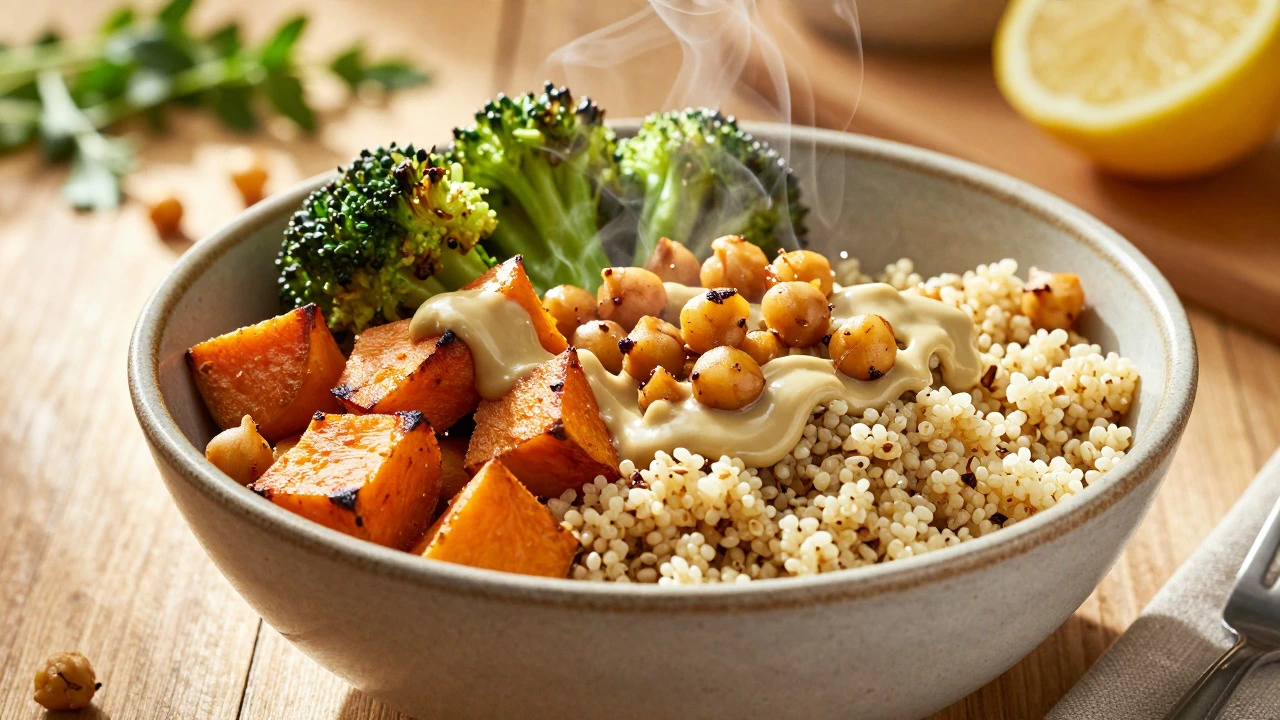
If cold leaves are the enemy, warm grains are your best friend. Grain bowls are incredibly versatile, easy to prepare in batches, and hold up well in the fridge for several days. They offer complex carbohydrates for sustained energy, plus they pair perfectly with proteins and healthy fats.
Start with a base like Quinoa, which is a high-protein seed that cooks in about 15 minutes and offers a complete amino acid profile. Alternatively, use brown rice, farro, or couscous. Top this with roasted chickpeas, grilled chicken, or tofu. Add some cooked vegetables like sweet potatoes, broccoli, or carrots. The key here is temperature contrast; warm grains with room-temperature toppings create a comforting meal that feels substantial. Drizzle with tahini, hummus, or a simple olive oil and lemon juice mixture to tie it all together.
Sandwiches and Wraps Done Right
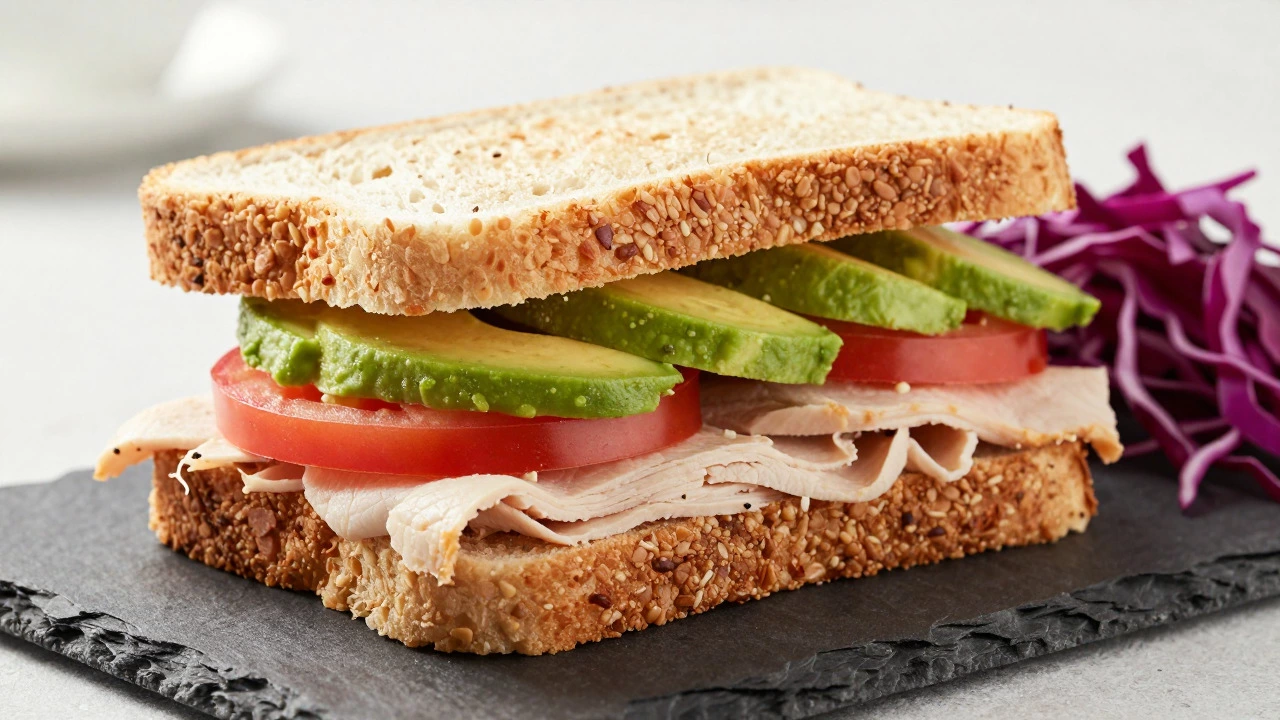
We all grew up eating sandwiches, but most of them are nutritional disappointments filled with processed meats and white bread. To make a sandwich a viable healthy lunch alternative, you need to upgrade the components. Focus on whole-grain bread, wraps made from spinach or whole wheat, or even lettuce wraps if you want to avoid heavy carbs but still skip the traditional salad format.
Filling matters more than the vessel. Instead of bologna, try turkey breast paired with avocado and tomato slices. Avocado adds creaminess and healthy monounsaturated fats that keep you satiated. For a vegetarian option, mash black beans with lime juice and cilantro, then spread it thickly on the bread. Add shredded red cabbage instead of iceberg lettuce for a crunch that doesn't feel like a diet food. These combinations provide a balanced mix of protein, fiber, and fat that stabilizes your energy levels throughout the afternoon.
Soup and Stew Options
When the weather turns cooler, or you just crave something soothing, soup is an excellent lunch choice. Soups are hydrating, nutrient-dense, and easy to portion control. The beauty of soup is that it can be made in large batches on Sunday and stored in individual containers for the week. Think of it as meal prep that tastes better every day as the flavors meld.
Consider a hearty lentil soup packed with iron and fiber, or a chicken and vegetable broth loaded with carrots, celery, and potatoes. If you are vegan, a coconut curry lentil stew offers warmth and depth of flavor without any dairy. The trick is to ensure your soup has enough substance. Clear broths are refreshing but often lack the calories needed for a main meal. Adding beans, grains, or chunks of meat ensures you are getting a complete nutritional profile. Pair a bowl of soup with a piece of crusty whole-grain bread for dipping, and you have a complete, comforting lunch.
| Option | Prep Time | Satiety Level | Best For |
|---|---|---|---|
| Grain Bowls | 20 mins (batch) | High | Meal preppers, high energy needs |
| Upgraded Sandwiches | 5-10 mins | Medium-High | On-the-go, no reheating needed |
| Soups & Stews | 45 mins (batch) | High | Cold weather, comfort seekers |
| Charcuterie Plates | 5 mins | Medium | No-cook days, social lunches |
The Charcuterie Plate Approach
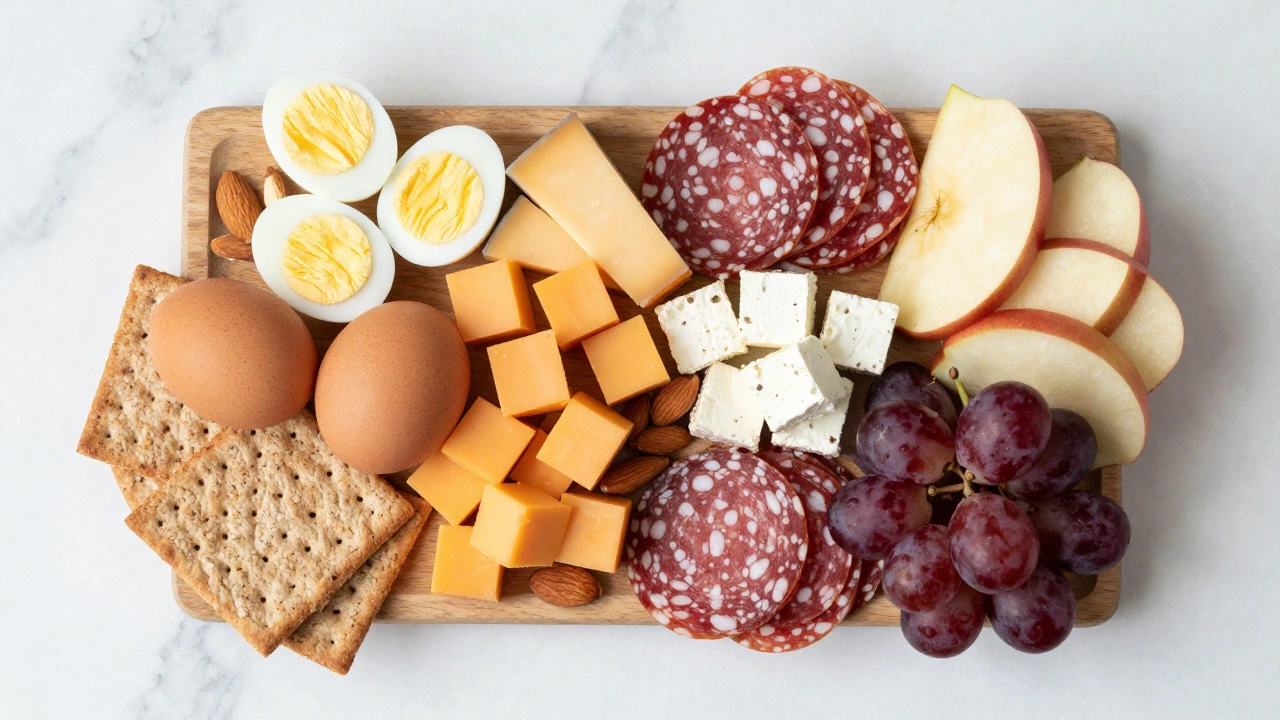
Who says you need to cook to eat well? The charcuterie plate trend has moved beyond fancy parties and into everyday lunchboxes. This approach is perfect for those who hate cooking during the workweek but still want variety and nutrition. It allows you to combine different textures and flavors without heating anything up.
Create a plate with hard-boiled eggs, cubes of cheese (like cheddar or feta), sliced turkey or salami, nuts (almonds or walnuts), and fruit such as apple slices or grapes. Add some whole-grain crackers or pita bread for crunch. This method gives you control over portion sizes and ensures you get a mix of protein, fats, and natural sugars. It is visually appealing, which makes eating feel more enjoyable, and it requires zero cleanup beyond washing a few utensils. Plus, it is easy to adjust based on what you have in your fridge, reducing food waste.
Smoothies and Protein Shakes
For days when chewing feels like too much effort, liquid nutrition can be a lifesaver. Smoothies are not just for breakfast; they make excellent lunches if formulated correctly. The mistake many people make is creating a fruit-heavy drink that spikes blood sugar. Instead, focus on protein and fiber.
Blend a scoop of Protein Powder, which is a concentrated source of amino acids used to support muscle repair and satiety with unsweetened almond milk, a handful of spinach (you won't taste it), half a banana, and a tablespoon of chia seeds or flaxseeds. Add Greek yogurt for creaminess and extra protein. This combination provides a creamy, filling meal that digests easily. It is particularly useful if you have a busy schedule and need to consume your lunch quickly while continuing to work. Just remember to drink slowly to allow your brain to register fullness.
Leftovers Reimagined
One of the easiest ways to avoid salads is to plan your dinners with lunch in mind. Cooking a larger portion of dinner and saving half for the next day is a classic strategy that saves time and money. However, not all leftovers reheat well. Choose dishes that improve with age, such as curries, stews, casseroles, or pasta bakes.
If you are making chicken stir-fry for dinner, double the recipe. The next day, pack the stir-fry in a container. If you have access to a microwave at work, heat it up for a hot, flavorful meal. If not, cold stir-fry can still be tasty, especially with rice noodles or quinoa bases. The key is to include plenty of vegetables and lean proteins in your dinner so that the leftover lunch is naturally balanced. This eliminates the decision fatigue of "what should I eat for lunch?" because the answer is already in your fridge.
Tips for Success Without Salads
Making the switch away from salads requires a shift in mindset. Here are some practical tips to ensure your new lunch routine is sustainable:
- Focus on Protein: Every lunch should have a significant protein source. This could be meat, fish, eggs, tofu, tempeh, legumes, or Greek yogurt. Protein is the most satiating macronutrient and will keep you full longer.
- Don't Fear Healthy Fats: Avocados, nuts, seeds, and olive oil are essential. They add flavor and help absorb fat-soluble vitamins from other foods. A small amount goes a long way in making a meal feel complete.
- Batch Cook Grains and Proteins: Spend one hour on Sunday cooking quinoa, roasting chicken breasts, and hard-boiling eggs. Having these components ready makes assembling a quick lunch take less than five minutes during the week.
- Vary Your Textures: Even without salad, aim for a mix of crunchy, creamy, and chewy elements. Crackers with soft cheese, crunchy nuts with smooth hummus, or tender stew with crispy fried onions add sensory satisfaction that prevents food boredom.
- Listen to Your Body: If you find yourself hungry two hours after lunch, you likely didn't eat enough calories or protein. Adjust your portions accordingly. Healthy eating is not about restriction; it's about fueling your body effectively.
Conclusion
You do not need to force yourself to eat salads if they don't bring you joy or satisfy your hunger. The world of healthy lunch options is vast and varied. By exploring grain bowls, upgraded sandwiches, soups, charcuterie plates, and smoothies, you can create meals that are nutritious, delicious, and convenient. Remember, the best diet is the one you can stick to consistently. So, experiment with these alternatives, find what works for your lifestyle, and enjoy your lunchtime without the stress of raw lettuce.
What are some high-protein lunch options without salads?
Great high-protein alternatives include chicken and quinoa bowls, turkey and avocado wraps, lentil soup with a side of Greek yogurt, and charcuterie plates featuring hard-boiled eggs and cheese. These options provide ample protein to keep you full and energized throughout the afternoon.
Can I lose weight by avoiding salads?
Yes, absolutely. Weight loss depends on maintaining a calorie deficit and eating nutrient-dense foods, not on eating specific types of vegetables. As long as your alternative lunches are balanced with protein, fiber, and healthy fats, and fit within your daily caloric needs, you can successfully manage your weight without salads.
What are some no-cook lunch ideas besides salads?
No-cook options include tuna or chicken salad sandwiches (using mayo or yogurt), bean and corn wraps with salsa, cottage cheese with fruit and nuts, hummus and veggie sticks (carrots, bell peppers), and overnight oats prepared the night before. These require minimal preparation and no heat source.
How can I make my lunches more interesting without using greens?
Focus on global flavors and diverse ingredients. Try adding spices like cumin, paprika, or turmeric to your grain bowls. Use different sauces such as pesto, tzatziki, or peanut sauce. Incorporate unique proteins like smoked salmon, falafel, or tempeh. Variety in flavor profiles keeps meals exciting and prevents palate fatigue.
Are grain bowls healthier than salads?
It depends on the ingredients. Grain bowls often provide more complex carbohydrates and sustained energy due to the presence of grains like quinoa or brown rice. Salads can be very low in calories but may lack satiety. Both can be healthy if they include lean protein, healthy fats, and a variety of vegetables. Grain bowls are generally more filling for most people.