Vegan Pasta Ingredient Checker
Paste the ingredient list from your pasta box or sauce jar below. The tool will scan for common non-vegan additives like eggs, dairy, and L-cysteine.
Result
StatusAnalysis message goes here.
Detected Non-Vegan Ingredients:
What to do?
Advice text goes here.
You pick up a box of spaghetti. It looks innocent enough. But if you are eating a vegan diet, that simple box might be hiding a dealbreaker: eggs or milk powder. The short answer to "do vegans eat pasta" is yes, absolutely. In fact, pasta is a staple in many plant-based diets because it is cheap, filling, and incredibly versatile. However, not all noodles are created equal. Some contain hidden animal ingredients that break the rules of veganism.
Understanding which pastas are safe and how to make them delicious without meat or cheese takes a bit of know-how. You don't need to give up your favorite carb-loaded meals, but you do need to learn how to read labels and swap out ingredients. This guide breaks down exactly what to look for, what to avoid, and how to turn a basic bowl of noodles into a satisfying, fully plant-based meal.
The Egg Factor: Why Not All Pasta Is Vegan
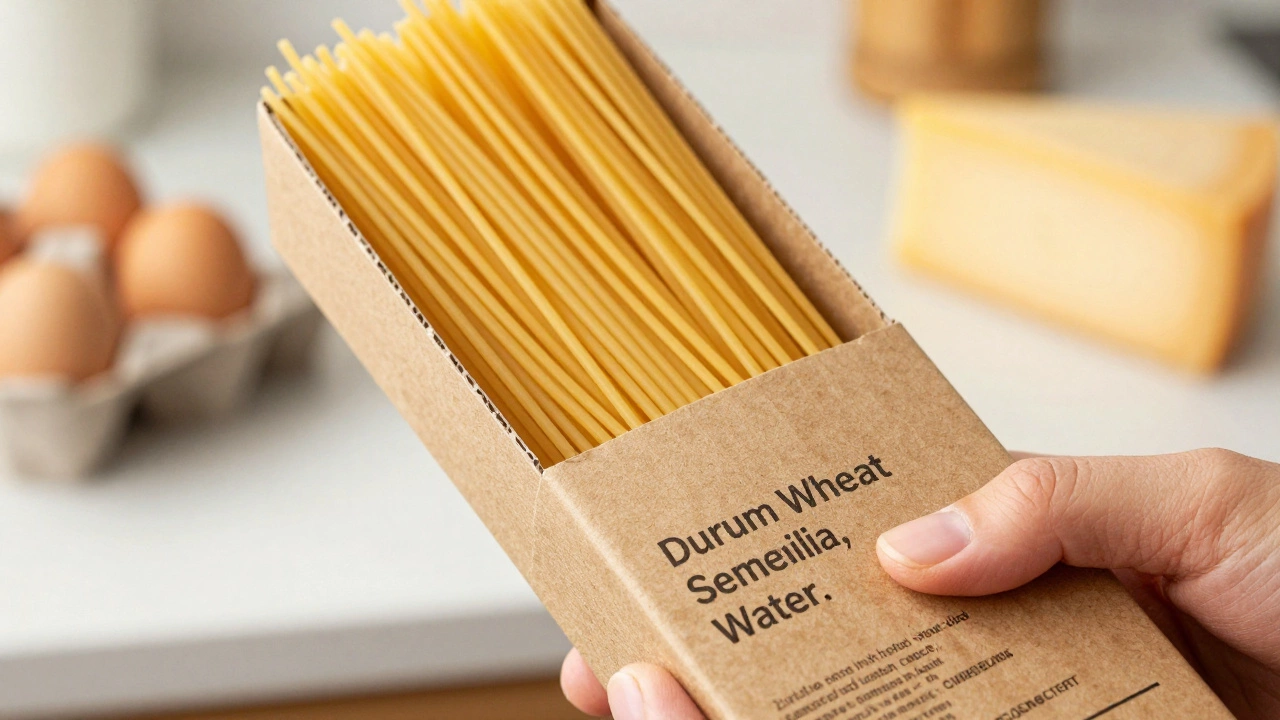
The biggest hurdle for vegans isn't usually the wheat; it's the binding agent. Traditional Italian pasta is split into two main camps: dried pasta and fresh pasta. Most dried pasta found in supermarkets is made from just two ingredients: durum wheat semolina and water. This type is naturally vegan. Brands like Barilla, De Cecco, and store-brand basics usually fall into this category. You can grab these off the shelf with confidence.
Fresh pasta, however, is a different story. Fresh sheets, ravioli, tortellini, and gnocchi often use eggs to keep the dough pliable and tender. If you walk into a deli section or buy pre-packaged fresh noodles, check the label. If you see "egg whites," "whole eggs," or "albumin," put it back. These are animal products, so they are off-limits for a strict vegan diet.
Even some dried specialty shapes can sneak in eggs. Lasagna sheets, for example, sometimes include egg yolks to help them hold together during baking. Always scan the ingredient list on the back of the box. If the only ingredients listed are semolina, water, and maybe spinach or tomato powder for color, you are good to go.
Hidden Dairy in Sauces and Pre-Made Meals
Let's say you bought the right pasta. Now you need a sauce. This is where things get tricky again. Many classic Italian sauces rely heavily on dairy. A traditional Alfredo sauce is basically butter, cream, and Parmesan cheese. Bolognese often includes milk or butter to soften the acidity of the tomatoes. Even marinara can sometimes contain anchovies (fish) or honey, both of which are non-vegan.
Pre-made frozen meals are another minefield. A box of "Vegetable Lasagna" might sound perfect, but it could contain ricotta, mozzarella, and parmesan. Some brands even add whey or casein (milk proteins) to their dry seasoning packets. You have to read every word on the label. Look for phrases like "contains milk" or "processed in a facility with dairy." While cross-contamination doesn't change the ingredient list, some strict vegans avoid products with shared equipment due to ethical concerns about factory farming practices.
To stay safe, stick to homemade sauces or certified vegan brands. Making a quick tomato sauce at home is easy: sauté onions and garlic in olive oil, add canned crushed tomatoes, throw in some dried oregano and basil, and simmer. No dairy, no eggs, just pure flavor.
Gluten-Free and Ancient Grains: Are They Vegan?
If you are avoiding gluten, you might reach for rice noodles, corn pasta, or quinoa blends. Generally, these are vegan-friendly because they don't require eggs to bind. Rice flour and cornstarch create a structure on their own when cooked. However, some gluten-free brands add egg whites to improve texture, so the rule remains the same: check the label.
Ancient grains like farro, spelt, and buckwheat are also popular alternatives. Buckwheat soba noodles are a great option, but be careful-some soba contains wheat flour and sometimes egg. Pure buckwheat soba is vegan, but mixed versions might not be. Farro and spelt are whole grains that are naturally free from animal products, making them excellent high-fiber choices for vegans looking to boost their nutrient intake.
| Pasta Type | Typical Ingredients | Vegan Status |
|---|---|---|
| Dried Spaghetti/Penne | Semolina, Water | Yes (usually) |
| Fresh Fettuccine/Ravioli | Flour, Eggs, Water | No (unless specified) |
| Rice Noodles | Rice Flour, Water | Yes |
| Soba Noodles | Buckwheat, Wheat, Sometimes Egg | Check Label |
| Lasagna Sheets | Semolina, Water, Sometimes Egg | Check Label |
Building a Nutritious Vegan Pasta Bowl
Eating pasta as a vegan doesn't mean you are just dumping sauce on carbs. To make the meal balanced, you need protein, healthy fats, and vegetables. Since you aren't using meat or cheese, you have to get creative with toppings.
Lentils are a powerhouse addition. Brown or green lentils hold their shape well and add a meaty texture to bolognese-style sauces. Chickpeas work great in creamy coconut-curry sauces. For a quick protein boost, stir in a handful of edamame or white beans at the end of cooking.
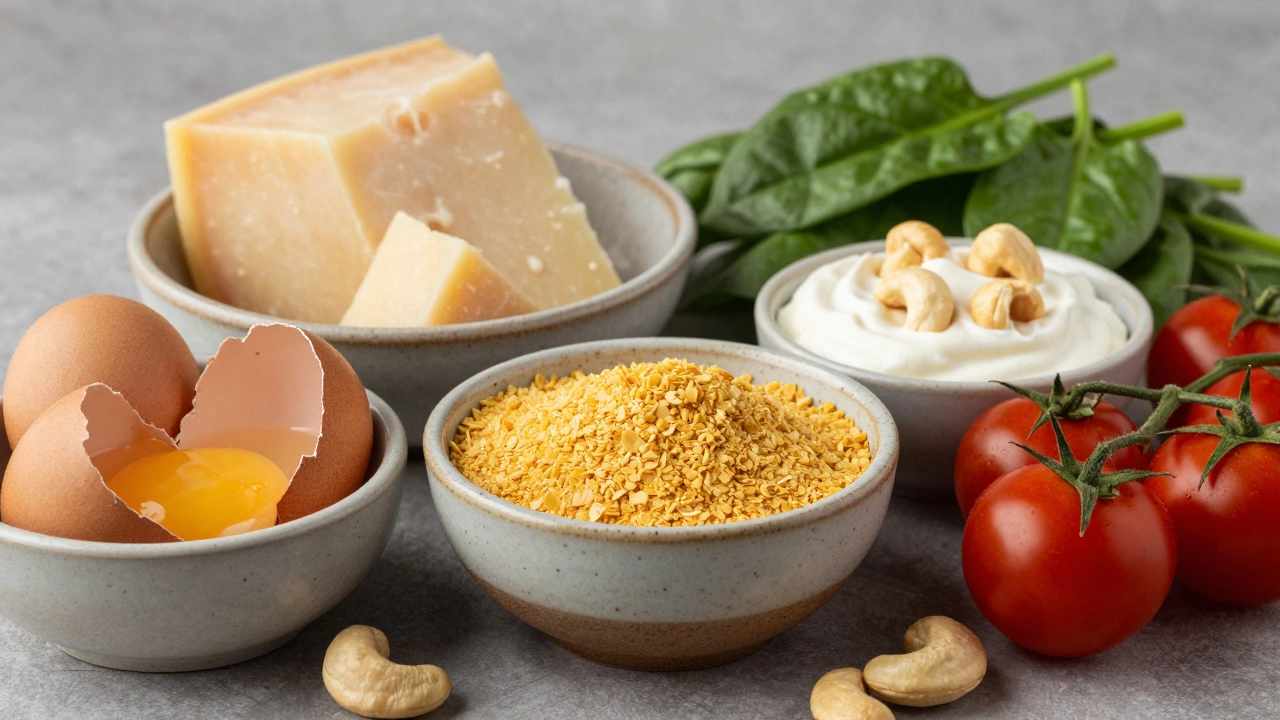
Don't forget the veggies. Sautéed mushrooms, roasted zucchini, kale, spinach, and cherry tomatoes add volume and nutrients. Roasting vegetables brings out their natural sweetness, which pairs beautifully with acidic tomato sauces. If you want a creamy texture without dairy, blend cashews or silken tofu into your sauce. Cashew cream is rich and velvety, while tofu adds protein without altering the flavor too much.
Nutritional yeast is a secret weapon for vegans. It has a cheesy, nutty flavor and is fortified with B12, a vitamin that vegans often need to supplement. Sprinkle it over your finished dish for an instant flavor upgrade that mimics Parmesan cheese.
Simple Vegan Pasta Recipe Ideas
You don't need complicated techniques to make great vegan pasta. Here are three reliable ideas that hit the spot:
- Classic Marinara with Lentils: Cook brown lentils until tender. Sauté garlic and onion in olive oil, add canned crushed tomatoes, and mix in the lentils. Simmer for 10 minutes. Toss with spaghetti and top with fresh basil and nutritional yeast.
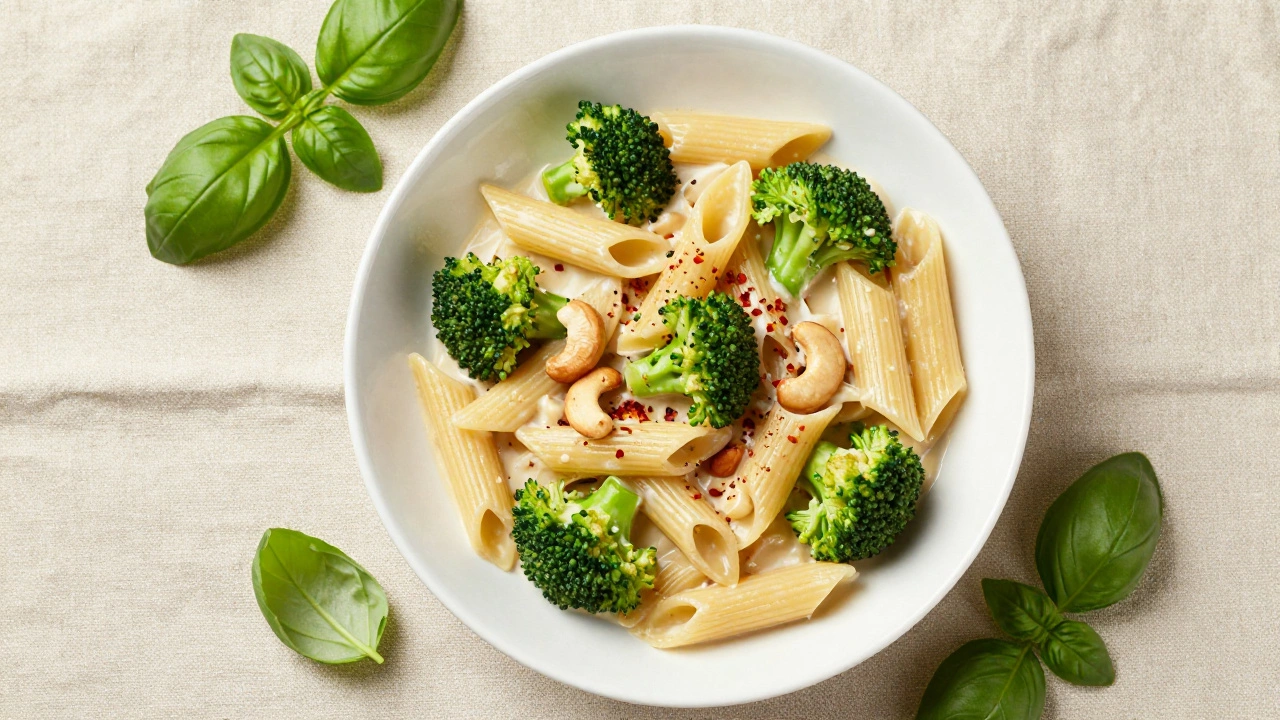
- Creamy Garlic White Sauce: Blend soaked cashews with garlic, lemon juice, nutritional yeast, and a splash of pasta water. Heat gently until smooth. Toss with penne and steamed broccoli. The cashews provide a rich, dairy-free creaminess.
- Aglio e Olio with Chickpeas: Sauté sliced garlic and red pepper flakes in plenty of olive oil. Add drained chickpeas and toss until crispy. Mix with linguine, parsley, and black pepper. Simple, fast, and deeply flavorful.
Reading Labels Like a Pro
As you explore more brands, you will notice that labeling can be confusing. Terms like "natural" or "traditional" don't guarantee vegan status. Here is what to watch for:
- L-Cysteine: This amino acid is sometimes used as a dough conditioner in bread and some pasta products. It can be derived from duck feathers or human hair. If you see L-cysteine, assume it is animal-derived unless labeled otherwise.
- Gelatin: Rare in pasta, but possible in stuffed varieties. Gelatin is made from animal collagen.
- Honey: Some sweet-savory pasta dishes or sauces might use honey. Vegans avoid honey because of bee exploitation.
- Omega-3 Enrichment: Some pastas are fortified with Omega-3s. Check the source. If it says "algae oil," it is vegan. If it says "fish oil," it is not.
When in doubt, look for the "Certified Vegan" logo. Organizations like the Vegan Action group verify that products meet strict standards, including no animal testing and no animal-derived ingredients. This saves you time and worry.
Final Thoughts on Vegan Pasta
So, do vegans eat pasta? Yes, and they love it. The key is awareness. By sticking to dried semolina pasta, checking for hidden eggs in fresh varieties, and crafting your own sauces, you can enjoy endless bowls of comfort food without compromising your values. With a little planning, pasta becomes a canvas for creativity, allowing you to experiment with global flavors, hearty legumes, and vibrant vegetables. Next time you stand in the aisle, take a second to read the label. Your taste buds-and your ethics-will thank you.
Is Barilla pasta vegan?
Most Barilla dried pasta products, such as spaghetti and penne, are vegan. They are made from durum wheat semolina and water. However, always check the specific product label, as some specialty items or fresh pasta lines may contain eggs or dairy.
What can I use instead of Parmesan cheese on vegan pasta?
Nutritional yeast is the most popular substitute, offering a cheesy, nutty flavor. You can also make a vegan Parmesan by blending cashews, nutritional yeast, salt, and garlic powder. Store-bought vegan Parmesan shreds are also widely available.
Are ramen noodles vegan?
The noodles themselves are often vegan, made from wheat flour, salt, water, and alkaline salts. However, the flavor packet usually contains animal derivatives like chicken fat, beef broth, or shrimp powder. To make ramen vegan, skip the packet and use a soy sauce, miso, or vegetable broth base.
Can vegans eat lasagna?
Yes, but you must ensure the noodles are egg-free and the sauce contains no meat or dairy. Use a vegan ricotta alternative (like blended tofu or cashews) and vegan mozzarella. Many stores now sell pre-made vegan lasagna kits.
Is there protein in vegan pasta?
Standard wheat pasta contains some protein (about 7-8 grams per cup), but it is not a complete protein. To make the meal more nutritious, add legumes like lentils, chickpeas, or beans, or use protein-rich ancient grain pastas like those made from chickpea or lentil flour.