Vegan Rice Pairing & Cooking Assistant
Select a rice type below to instantly generate the perfect water ratio, cooking time, and vegan flavor pairings.
White Jasmine
Soft, fragrant, sticky
Brown Basmati
Nutty, fluffy, high fiber
Wild Rice Blend
Chewy, earthy, robust
Short-Grain (Sushi)
Sticky, sweet, clumps
Black Forbidden
Purple hue, berry notes
Red Rice
Hearty, chewy, antioxidant-rich
Cooking Guide
Technical Specs
- Water Ratio -
- Cook Time -
- Best Liquid -
Vegan Flavor Boosters
Perfect Vegan Pairing:
...
Pro Tip:
...
There is a common myth floating around that being vegan means giving up your favorite comfort foods. Some people think you have to sacrifice flavor or texture to stick to a plant-based diet. When it comes to rice, however, the answer is surprisingly simple: vegans eat all kinds of rice. Whether you are craving fluffy white jasmine, nutty brown basmati, or chewy wild rice blends, every variety is naturally plant-based. The real question isn't what type of rice you can eat, but how you cook it to make it delicious without using butter, chicken broth, or other animal products.
Rice is one of the most versatile staples in the global pantry. It serves as the foundation for countless meals, from hearty stir-fries to delicate sushi rolls. For vegans, mastering rice preparation is essential because it often replaces meat or dairy as the primary source of calories and satisfaction in a meal. In this guide, we will break down the different types of rice available, explain which ones offer the best nutrition, and share practical tips on how to cook them perfectly using only plant-based ingredients.
The Short Answer: All Rice Is Vegan
If you are new to plant-based eating, you might worry about hidden animal ingredients in processed foods. With plain rice, you don't need to worry. Rice is a grain harvested from the Oryza sativa plant. In its raw form, it contains no animal derivatives. You can safely buy any bag of long-grain, short-grain, medium-grain, or specialty rice at the grocery store and know it is vegan-friendly.
The complication arises during preparation. Traditional recipes often call for butter to add richness or chicken stock to boost savory depth. As a vegan, you simply swap these out. Use olive oil, coconut oil, or vegetable broth instead. This small adjustment keeps the dish entirely plant-based while maintaining that comforting, home-cooked taste you love.
Top Types of Rice for a Vegan Diet
Not all rice is created equal. Different varieties offer distinct textures, flavors, and nutritional profiles. Choosing the right kind depends on what you are serving it with. Here are the most popular options that fit seamlessly into a vegan lifestyle.
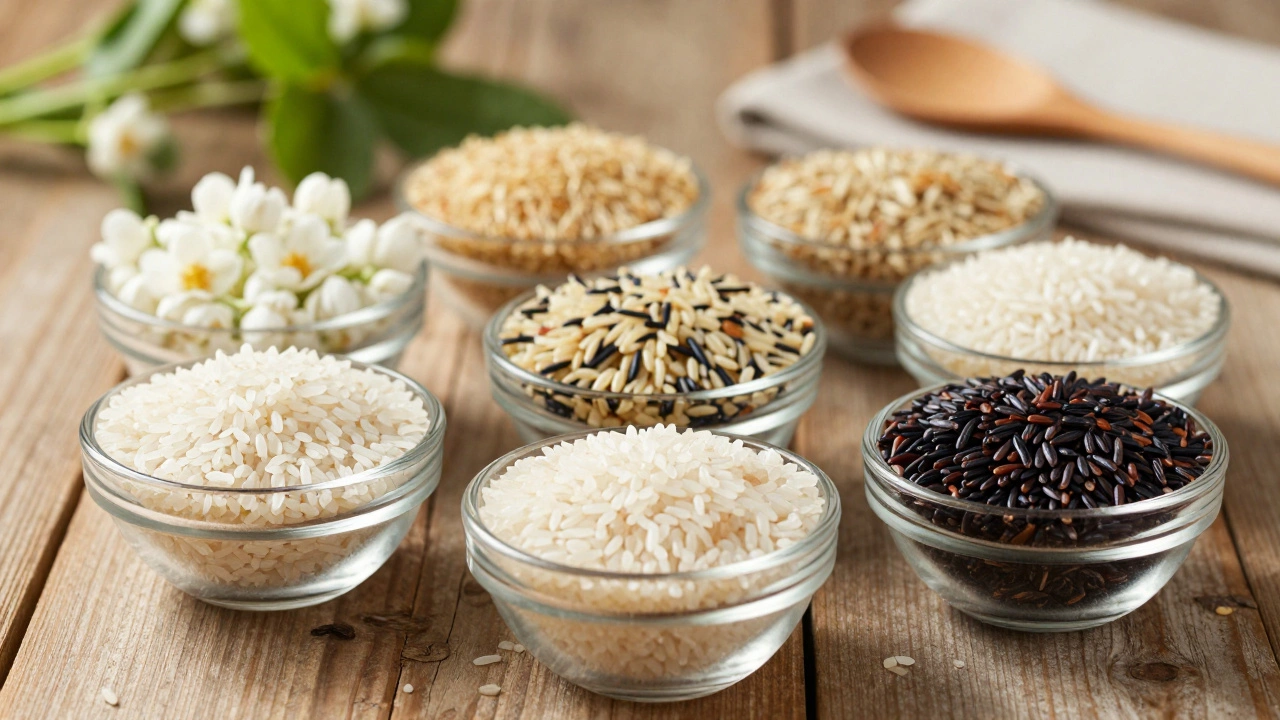
| Rice Type | Texture & Flavor | Best Vegan Uses | Nutritional Highlight |
|---|---|---|---|
| White Jasmine | Fragrant, soft, slightly sticky | Thai curries, stir-fries, fried rice | Quick energy, easy to digest |
| Brown Basmati | Nutty, fluffy, separate grains | Indian dals, Buddha bowls, salads | High fiber, magnesium, antioxidants |
| Wild Rice Blend | Chewy, earthy, robust | Stuffing, pilafs, hearty side dishes | Protein-rich, high in iron |
| Short-Grain (Sushi) | Sticky, sweet, clumps together | Sushi, risotto-style dishes, puddings | Good source of carbohydrates |
| Black Forbidden Rice | Purple hue, chewy, berry-like notes | Desserts, vibrant salads, porridges | Extremely high in anthocyanins (antioxidants) |
White Rice: The Comfort Classic
White rice gets a bad reputation for being "empty" calories, but it has its place. It cooks quickly and has a neutral flavor that absorbs sauces beautifully. If you are making a rich coconut curry or a spicy tofu stir-fry, white jasmine rice acts as the perfect canvas. It is also easier to digest, making it a great option if you are feeling under the weather or need a quick post-workout carb refill.
Brown Rice: The Nutritional Powerhouse
Brown rice retains the bran and germ layers, which means it holds onto more fiber, vitamins, and minerals. It takes longer to cook-usually 40 to 45 minutes-but the payoff is worth it. The nutty flavor pairs exceptionally well with roasted vegetables, lentils, and chickpeas. Many vegans prefer brown rice because it helps keep blood sugar levels stable and keeps you fuller for longer.
Specialty Grains: Wild, Black, and Red Rice
If you want to add visual interest and extra nutrients, try specialty rices. Wild rice is technically a grass seed, not true rice, but it is sold alongside rice and offers a chewy texture with high protein content. Black forbidden rice turns purple when cooked and is packed with antioxidants. These varieties are fantastic for adding color to grain bowls or creating unique side dishes that stand out.
How to Cook Perfect Vegan Rice
Cooking rice vegan-style is less about restriction and more about substitution. The goal is to achieve the same mouthfeel and aroma without animal fats. Here is how to upgrade your basic rice recipe.
1. Swap Butter for Oil
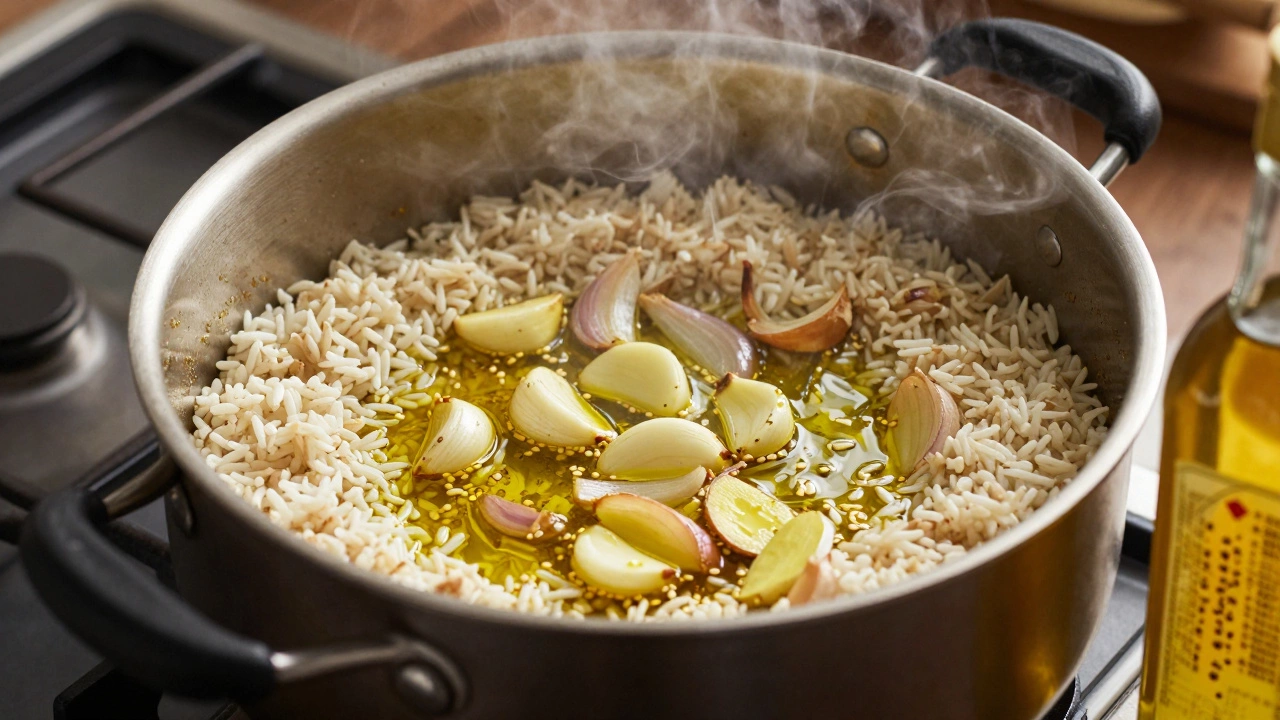
Instead of tossing your rice in butter before cooking, use a neutral oil like avocado or grapeseed, or go for flavor with sesame oil or coconut oil. Toasting the dry rice in oil for two minutes before adding water brings out a deeper, toasted flavor that mimics the richness of butter.
2. Use Vegetable Broth
This is the single biggest game-changer. Instead of plain water, cook your rice in low-sodium vegetable broth. The natural umami from mushrooms, carrots, and celery in the broth infuses every grain with savory depth. If you don't have homemade broth, a high-quality boxed vegetable stock works just fine.
3. Add Aromatics
Sauté minced garlic, ginger, or shallots in your pot before adding the rice and liquid. This technique, often used in Asian cuisine, creates a fragrant base that makes the rice taste complex and intentional rather than bland.
4. Finish with Fresh Herbs
Once the rice is done and fluffed, stir in chopped cilantro, parsley, or green onions. A squeeze of fresh lemon or lime juice adds brightness and cuts through the starchiness, making the dish feel lighter and fresher.
Delicious Vegan Rice Recipe Ideas
Now that you know what rice to buy and how to cook it, let's talk about what to serve with it. Rice is incredibly adaptable and works with almost any plant-based protein.
- Vegan Fried Rice: Use day-old jasmine rice, soy sauce, sesame oil, peas, carrots, corn, and scrambled tofu or tempeh. Stir-fry everything on high heat for a smoky, restaurant-quality meal.
- Lentil and Rice Dal: Combine brown rice with red lentils, turmeric, cumin, and garam masala. Simmer until creamy and top with fresh cilantro and a dollop of cashew cream.
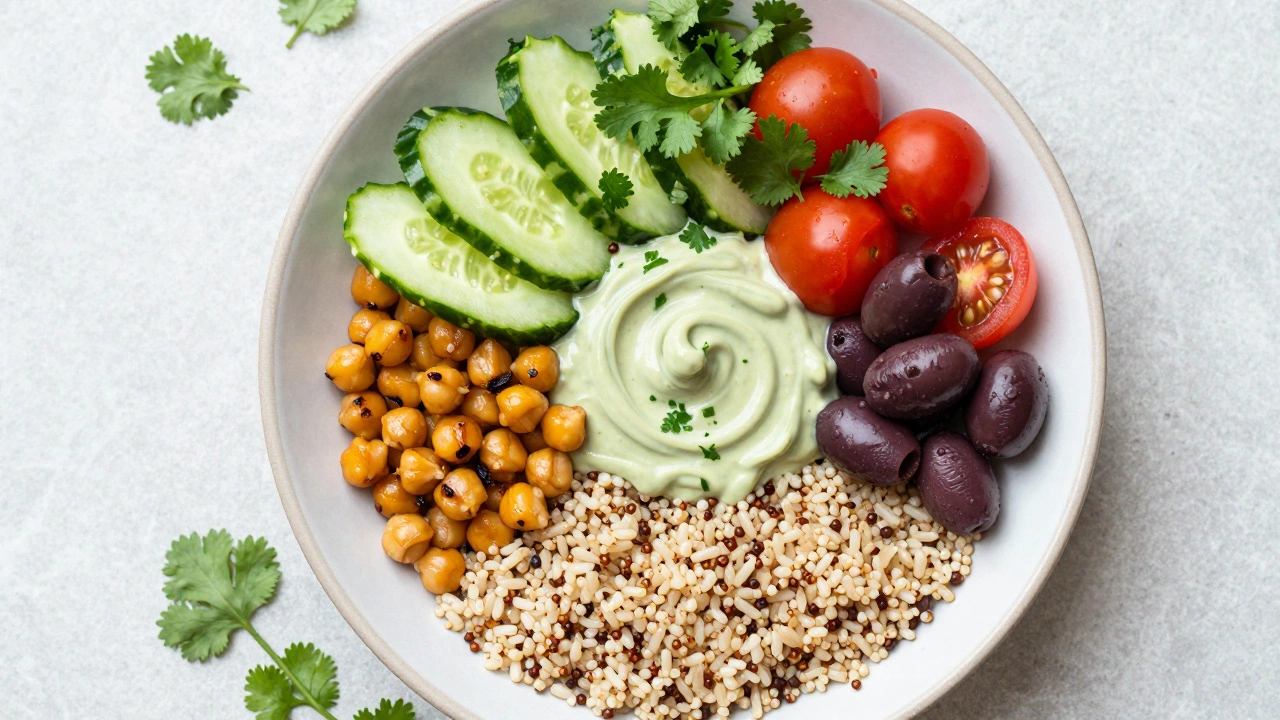
- Mediterranean Grain Bowl: Serve warm quinoa-rice blend with hummus, cucumber, cherry tomatoes, kalamata olives, and a tahini-lemon dressing. It’s a balanced lunch that requires no cooking beyond heating the rice.
- Coconut Curry Rice: Cook jasmine rice in coconut milk instead of water. Serve it alongside chickpea tikka masala or vegetable samosas for a luxurious, creamy experience.
- Rice Pudding: Yes, dessert counts! Make vegan rice pudding by simmering Arborio rice in oat milk with maple syrup, cinnamon, and vanilla extract. Top with fresh berries for a healthy treat.
Nutritional Benefits of Rice for Vegans
Rice plays a crucial role in a well-rounded vegan diet. It provides essential carbohydrates that fuel your body and brain. While rice alone isn't a complete protein, pairing it with legumes like beans, lentils, or chickpeas creates a complete amino acid profile. This combination ensures you get all the building blocks your body needs for muscle repair and immune function.
Brown and wild rices are particularly beneficial because they are whole grains. They contain B vitamins, which help convert food into energy, and minerals like manganese and selenium, which support thyroid health and antioxidant defense. By choosing whole grain varieties more often, you increase your fiber intake, which aids digestion and supports heart health.
Common Mistakes to Avoid
Even experienced cooks make errors when preparing rice. Here are a few pitfalls to watch out for:
- Over-stirring: Resist the urge to stir rice while it cooks. Doing so releases too much starch, resulting in gummy, mushy grains. Let it steam undisturbed.
- Using too much water: Every rice type has a specific water-to-rice ratio. Generally, it's 1:1.5 for white rice and 1:2 for brown rice. Measure carefully to avoid sogginess.
- Skipping the rest: After cooking, let the rice sit covered off the heat for 5 to 10 minutes. This allows the moisture to redistribute evenly, ensuring each grain is fluffy and separate.
- Ignoring salt: Don't forget to season your cooking liquid. Salt enhances the natural flavor of the rice and balances the sweetness of the grains.
Storage and Leftover Tips
Rice is excellent for meal prep. Cook a large batch on Sunday and portion it out for the week. Store cooked rice in an airtight container in the refrigerator for up to four days. If you need to keep it longer, freeze it in flat bags for easy thawing.
When reheating, add a splash of water or broth to the rice before microwaving. This restores moisture and prevents the grains from drying out. Cold rice is also perfect for making fried rice, as the chilled grains hold their shape better during stir-frying.
Is instant rice vegan?
Most plain instant rice is vegan because it is just pre-cooked and dehydrated white rice. However, always check the label for added flavors. Some seasoned packets may contain chicken powder, beef fat, or dairy-derived ingredients like whey or casein. Stick to unseasoned varieties or those explicitly labeled "vegetarian" or "vegan" to be safe.
Can vegans eat sushi rice?
Yes, the rice itself is vegan. Traditional sushi rice is seasoned with rice vinegar, sugar, and salt, all of which are plant-based. Be cautious if buying pre-made sushi rice mixes, as some brands might add bonito flakes (dried fish) for flavor. Making your own sushi rice at home is easy and guarantees it is free from animal products.
Which rice is healthier for weight loss?
Brown rice, wild rice, and black rice are generally better choices for weight management. They have a lower glycemic index and higher fiber content than white rice, which means they digest slower and keep you feeling full longer. This can help prevent overeating later in the day. Portion control remains important regardless of the type you choose.
Is rice gluten-free?
Yes, all pure rice varieties are naturally gluten-free. This makes rice a staple for vegans who also follow a gluten-free diet. Just ensure that the rice hasn't been cross-contaminated during processing if you have celiac disease. Look for certified gluten-free labels on packaged rice products.
How do I make rice taste better without butter?
Cook the rice in vegetable broth instead of water for immediate flavor enhancement. Toast the dry grains in a little olive or coconut oil before adding liquid. Add aromatics like garlic, ginger, or bay leaves to the pot. Finally, finish with fresh herbs, citrus juice, or a drizzle of toasted sesame oil to elevate the dish.
Can I eat rice every day on a vegan diet?
You can, but variety is key for optimal nutrition. Relying solely on white rice may limit your intake of fiber and certain micronutrients. Rotate between different grains like quinoa, barley, farro, and various types of rice to ensure you get a wide range of nutrients. Pairing rice with diverse vegetables and legumes further boosts the nutritional value of your daily meals.