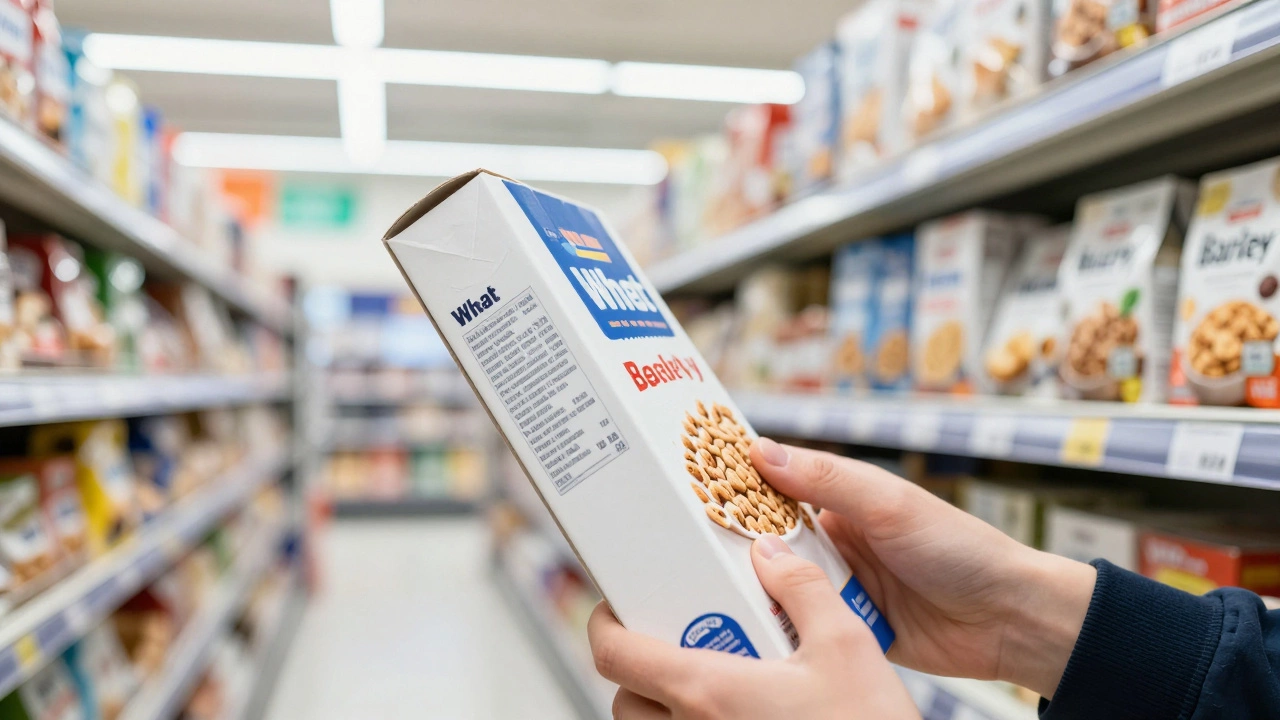
Imagine picking up your favorite breakfast cereal, pouring it into a bowl, and realizing it’s packed with wheat. For millions of people managing celiac disease or non-celiac gluten sensitivity, this isn’t just an inconvenience-it’s a health risk. The gluten-free diet is a dietary regimen that excludes gluten, a protein found in wheat, barley, and rye. It’s not a trend; it’s a medical necessity for many. But here’s the catch: avoiding gluten isn’t as simple as skipping bread. Gluten hides in sauces, seasonings, processed meats, and even some medications. If you’re new to this lifestyle, the grocery aisle can feel like a minefield. You need to know exactly what to put back on the shelf.
The Big Three: Obvious Sources of Gluten
Let’s start with the basics. If you see these three grains on an ingredient list, you walk away. No exceptions. These are the primary carriers of gluten, and they form the backbone of most Western diets, which makes them ubiquitous in processed foods.
- Wheat: This includes all its varieties like spelt, kamut, farro, durum, semolina, and graham. Even "wheat starch" is off-limits unless explicitly labeled gluten-free.
- Barley: Often found in soups, stews, and malt vinegar. Malt flavoring and maltodextrin (derived from barley) are major red flags.
- Rye: Common in traditional breads and some beers. It’s less common than wheat but still dangerous for those with sensitivities.
These grains are often used as thickeners or fillers. A seemingly innocent vegetable soup might use barley to add body. A salad dressing might use wheat flour to stabilize emulsions. Always check the label. If you don’t recognize the grain, assume it contains gluten until proven otherwise.
Hidden Gluten in Processed Foods
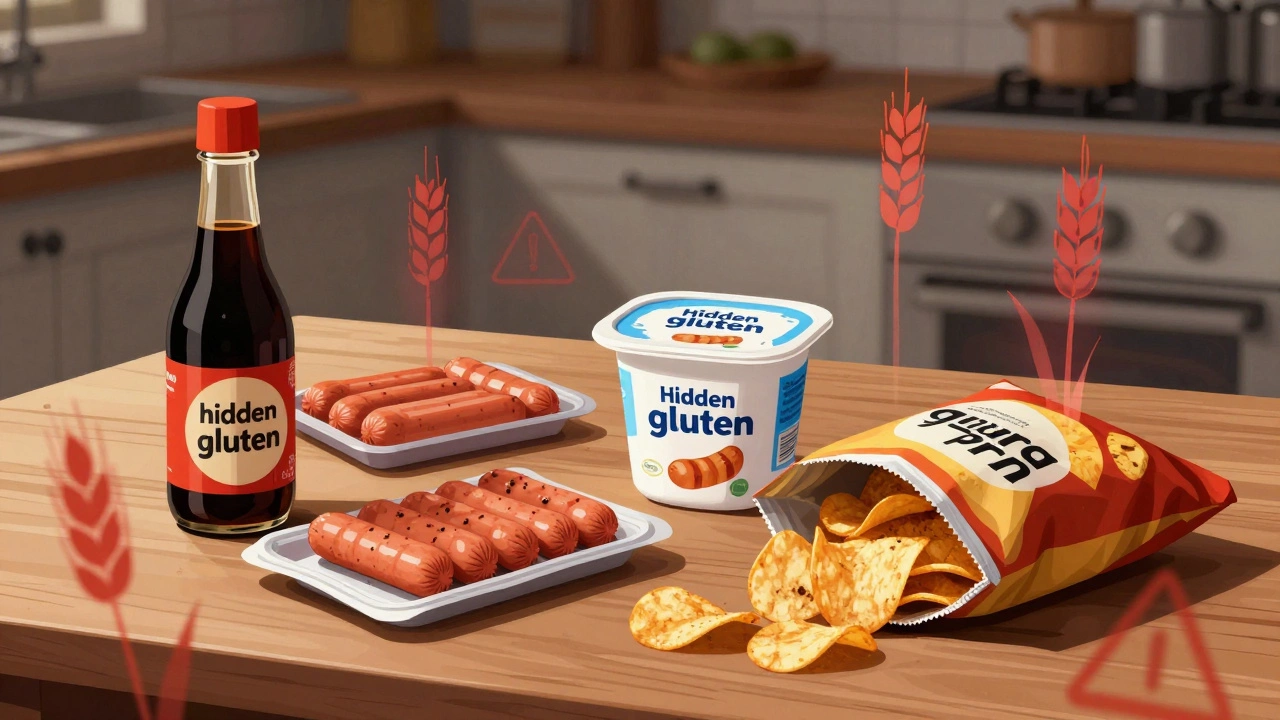
The tricky part isn’t the bread basket; it’s the stuff you don’t expect. Food manufacturers use gluten-containing ingredients for texture, preservation, and cost-saving. Here are the most common culprits lurking in your pantry.
| Food Category | Specific Items to Avoid | Why It Contains Gluten |
|---|---|---|
| Sauces & Condiments | Soy sauce, teriyaki, hoisin, barbecue sauce, ketchup | Wheat is often used as a thickener or fermenting agent. |
| Processed Meats | Hot dogs, sausages, deli meats, meatballs | Bread crumbs or wheat-based binders hold the meat together. |
| Dairy Products | Flavored yogurts, ice cream, milkshakes | Add-ins like cookies, brownie bits, or cookie dough contain wheat. |
| Snacks | Potato chips, pretzels, granola bars, popcorn seasoning | Flavorings often include malt extract or wheat-derived starches. |
| Beverages | Beer, ale, lager, some sodas, flavored waters | Brewed from barley or wheat; flavorings may contain malt. |
Take soy sauce, for example. Traditional soy sauce is brewed with soybeans and wheat. Even if the label says "soybean extract," it might still have wheat. Look for tamari labeled "gluten-free" instead. Similarly, many potato chips are safe, but seasoned varieties often use malt vinegar or natural flavors derived from wheat. Don’t trust the front-of-package claims alone; read the fine print.
Cross-Contamination: The Silent Threat
You can buy gluten-free oats, gluten-free pasta, and gluten-free crackers, but if they’re prepared in a facility that also processes wheat, they might still be unsafe. This is called cross-contamination. For people with celiac disease, even microscopic amounts of gluten-less than the size of a grain of rice-can trigger intestinal damage.
Watch out for these warning labels:
- "May contain traces of wheat"
- "Processed in a facility that also handles barley"
- "Made on shared equipment with rye"
If you see any of these, put the product back. Cross-contamination happens everywhere. At restaurants, fries cooked in the same oil as breaded chicken are contaminated. Toasters shared between gluten-free and regular bread spread crumbs. Even condiment jars become risky when someone dips a wheat cracker into the jelly before you do.
Natural vs. Modified Ingredients
Some ingredients sound safe but aren’t. Natural flavors, for instance, can be derived from wheat. Starch is another wildcard. Corn starch is safe, but "modified food starch" could be corn, tapioca, or wheat. If the source isn’t specified, assume it’s wheat. In the United States and many other countries, labeling laws require manufacturers to specify the source of modified starch if it’s wheat. Still, vigilance is key.
Alcohol presents another challenge. Beer is almost always made from barley or wheat. Wine and distilled spirits like vodka, gin, and whiskey are generally safe because distillation removes gluten proteins. However, beer-style drinks, malt beverages, and some flavored liqueurs retain gluten. Stick to hard cider, wine, or certified gluten-free beers if you want to drink safely.
Safe Alternatives and Substitutions
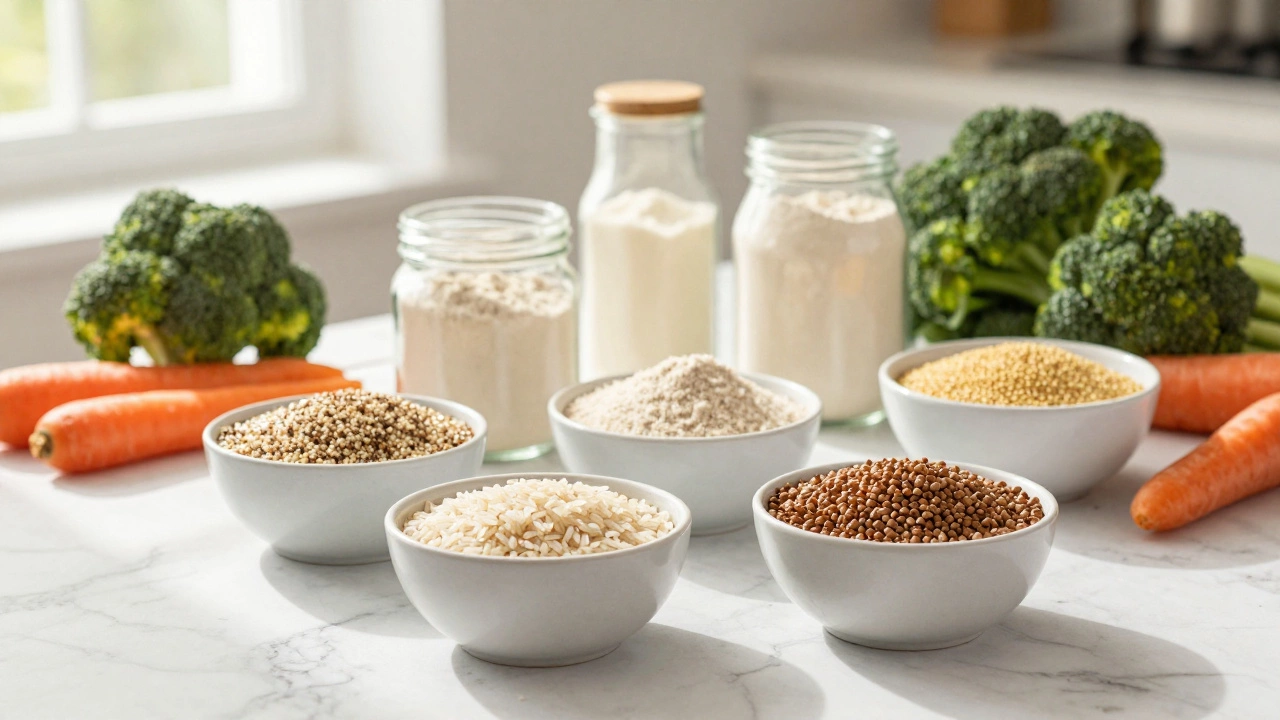
Avoiding gluten doesn’t mean giving up taste or variety. There are plenty of naturally gluten-free grains and flours that work beautifully in cooking. Quinoa, rice, buckwheat, millet, sorghum, and amaranth are excellent staples. For baking, almond flour, coconut flour, oat flour (certified gluten-free), and chickpea flour provide structure and flavor.
When shopping, look for the "Certified Gluten-Free" logo. This means the product has been tested and contains less than 20 parts per million (ppm) of gluten, the threshold considered safe by most health organizations. Brands like Bob’s Red Mill, Schär, and Udi’s offer reliable options. But remember, certification varies by region. Always double-check local standards.
Reading Labels Like a Pro
Label reading becomes second nature over time, but it starts with knowing what to look for. Focus on two sections: the ingredient list and the allergen statement. In many countries, including the US and EU, wheat must be declared as an allergen. Barley and rye might not always be highlighted, so scan the full ingredient list.
Here’s a quick checklist for every package:
- Check for wheat, barley, rye, or their derivatives (spelt, malt, brewer’s yeast).
- Look for hidden names: seitan, couscous, bulgur, matzo meal.
- Verify "natural flavors" and "starch" sources.
- Scan for cross-contamination warnings.
- Prefer products with a gluten-free certification seal.
Don’t rely on memory. Formulas change. A brand that was safe last year might switch suppliers or recipes today. Make label reading a habit, not an afterthought.
Is corn gluten-free?
Yes, pure corn is naturally gluten-free. However, processed corn products like cornflakes or tortillas may be contaminated during manufacturing if produced in facilities that handle wheat. Always choose certified gluten-free corn products to be safe.
Can I eat oats on a gluten-free diet?
Oats themselves are gluten-free, but they are frequently cross-contaminated with wheat, barley, or rye during growing and processing. Only consume oats labeled "certified gluten-free." Some individuals with celiac disease also react to avenin, a protein in oats similar to gluten, so introduce them cautiously.
Are eggs gluten-free?
Plain eggs are naturally gluten-free. However, pre-packaged egg dishes like egg rolls, quiches, or deviled eggs may contain gluten-filled fillings or coatings. Always check labels on prepared egg products.
What about medication and supplements?
Many pills and capsules use gluten as a binder or filler. While the amount is small, it can still affect sensitive individuals. Ask your pharmacist for gluten-free alternatives or look for brands that explicitly state they are gluten-free. Liquid forms or capsule versions are often safer choices.
How long does it take for gluten to leave my system?
For most people, symptoms subside within a few days to a week after accidental ingestion. However, intestinal healing in celiac patients takes months to years of strict adherence. There is no "detox" needed; simply stop consuming gluten and allow your body to recover naturally.