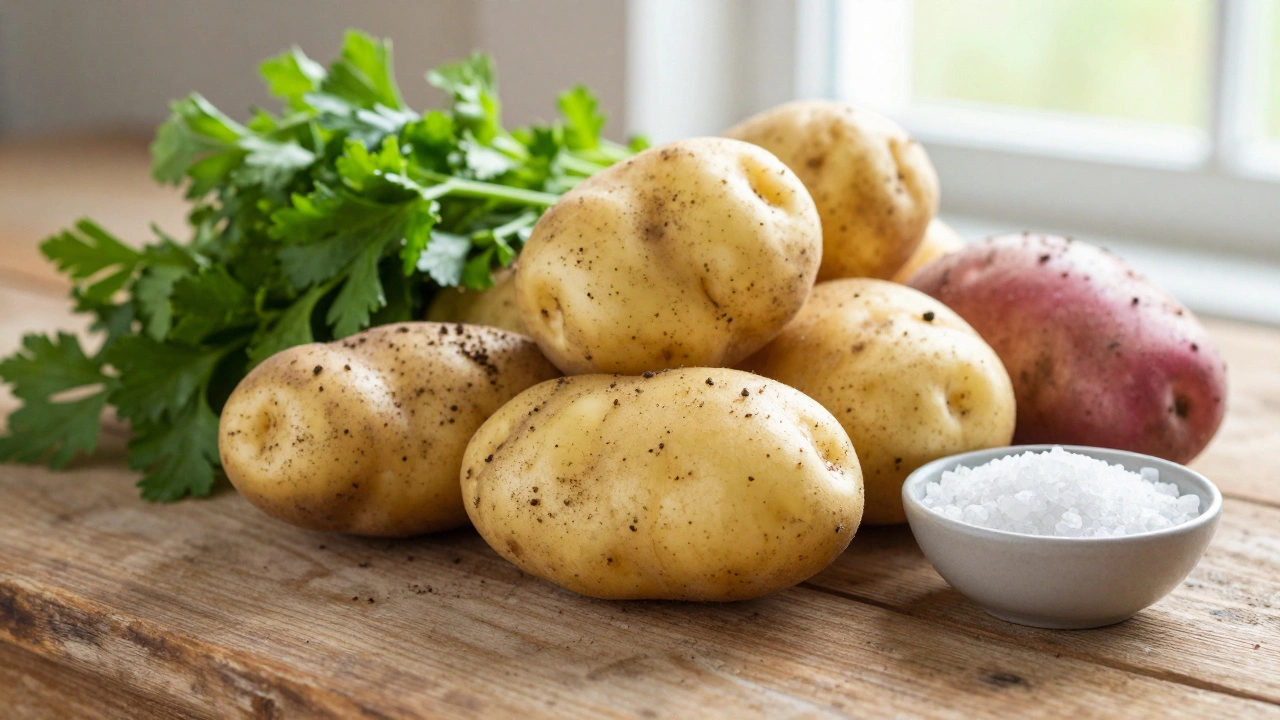
Vegan Potato Checker & Substitution Guide
Not sure if your favorite potato dish is vegan? Select a dish below to see the common animal-based pitfalls and the best plant-based swaps!
Mashed Potatoes
ClassicThe ultimate comfort food, but often rich in dairy.
French Fries
Fast FoodUsually safe, but watch out for the frying oil.
Potato Salad
PicnicCreamy dressings often contain hidden eggs.
Roasted Potatoes
HolidayGreat crunch, but sometimes roasted in animal fats.
Loaded Baked Potato
HeartyPacked with flavor and usually several animal products.
Potato Chips
SnackCheck the labels on those flavored varieties!
Dish Analysis
⚠️ Non-Vegan Pitfalls
🌱 Vegan Substitutions
Quick Takeaways: The Potato Truth
- Vegans eat potatoes because they are plants.
- The "no-potato" myth usually comes from confusion with specific dietary trends like Keto or Paleo.
- The only time a vegan avoids a potato dish is when it contains animal products like butter, cream, or bacon.
- Potatoes provide essential energy and nutrients for a plant-based lifestyle.
The Root of the Confusion
Why on earth would someone think vegans don't eat potatoes? Usually, it's because people lump all "health-conscious" diets into one big bucket. You might be thinking of the Keto Diet, which is a high-fat, low-carbohydrate eating plan that restricts sugars and starches to put the body in ketosis. Since potatoes are packed with starch, they are strictly banned on Keto. Then there is the Paleo Diet, where some followers avoid nightshades (the plant family potatoes belong to) because they believe it reduces inflammation.
Veganism is different. Veganism is a way of living which seeks to exclude-as far as is possible and practicable-all forms of exploitation of animals. It's about the source of the food, not the carbohydrate count. Since a potato grows in the ground and doesn't involve an animal, it's 100% vegan-friendly. If you see someone who is both vegan and avoiding potatoes, they're likely following a secondary health protocol, not a vegan rule.
When Potatoes Stop Being Vegan
While the potato itself is fine, the vegan potato consumption habits of most people involve a lot of caution regarding preparation. This is where the confusion often happens. If you go to a restaurant and order "mashed potatoes," there is a high chance they aren't vegan. Traditional recipes almost always call for butter and milk or cream.
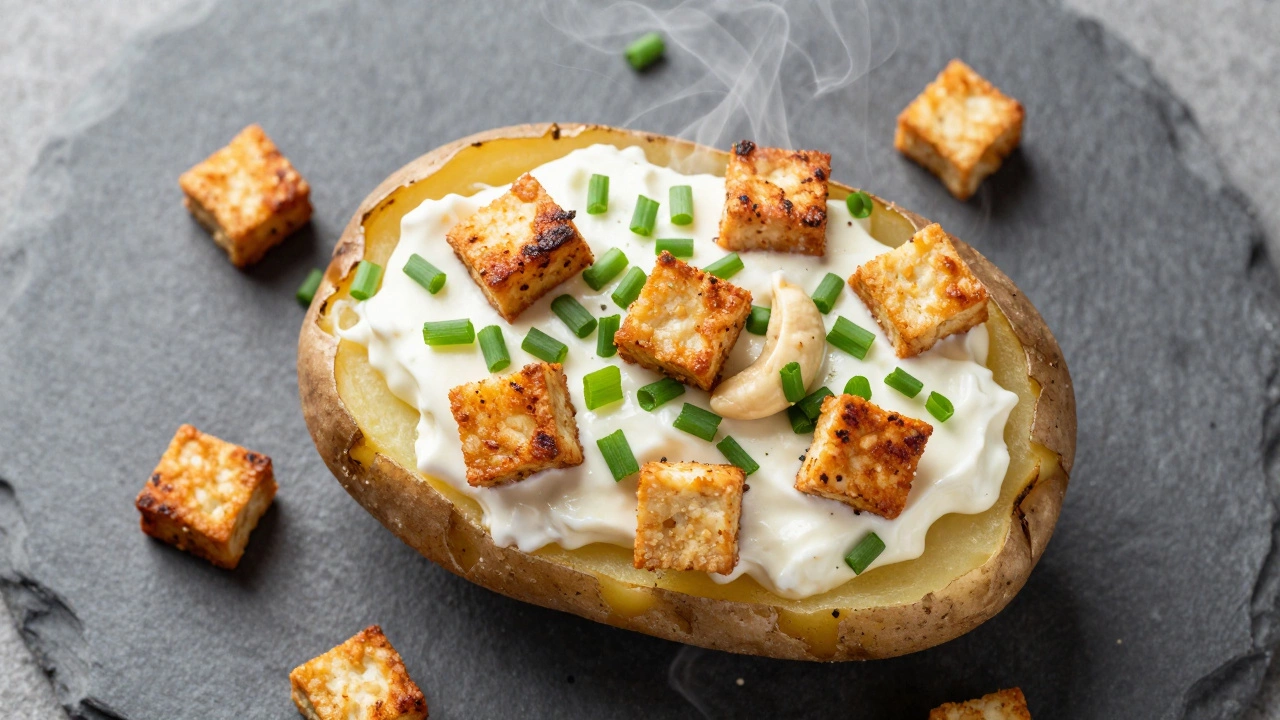
Think about the classic loaded baked potato. It's usually topped with sour cream, shredded cheddar cheese, and crispy bacon bits. None of those are plant-based. A vegan will eat the potato, but they'll swap the dairy for a cashew-based cream or a vegan butter alternative and replace the bacon with smoked tofu or tempeh. It's not the vegetable they're avoiding; it's the animal-derived toppings.
| Dish | Traditional Ingredients (Non-Vegan) | Vegan Substitutions |
|---|---|---|
| Mashed Potatoes | Butter, Whole Milk, Cream | Olive oil, Almond milk, Coconut cream |
| French Fries | Beef tallow (sometimes used in frying) | Vegetable oil, Sunflower oil |
| Potato Salad | Mayonnaise (contains eggs) | Vegan mayo or Tahini-based dressing |
| Roasted Potatoes | Duck fat or Lard | Avocado oil or Vegan butter |
The Nutritional Power of the Potato
For those on a plant-based diet, potatoes are more than just a side dish; they are a nutritional powerhouse. Potatoes are starchy tubers that provide a significant amount of potassium, vitamin C, and B6. When you remove meat and dairy, getting enough calories and satisfying hunger can sometimes be a challenge for beginners. The dense energy found in a potato helps keep you full and energized throughout the day.
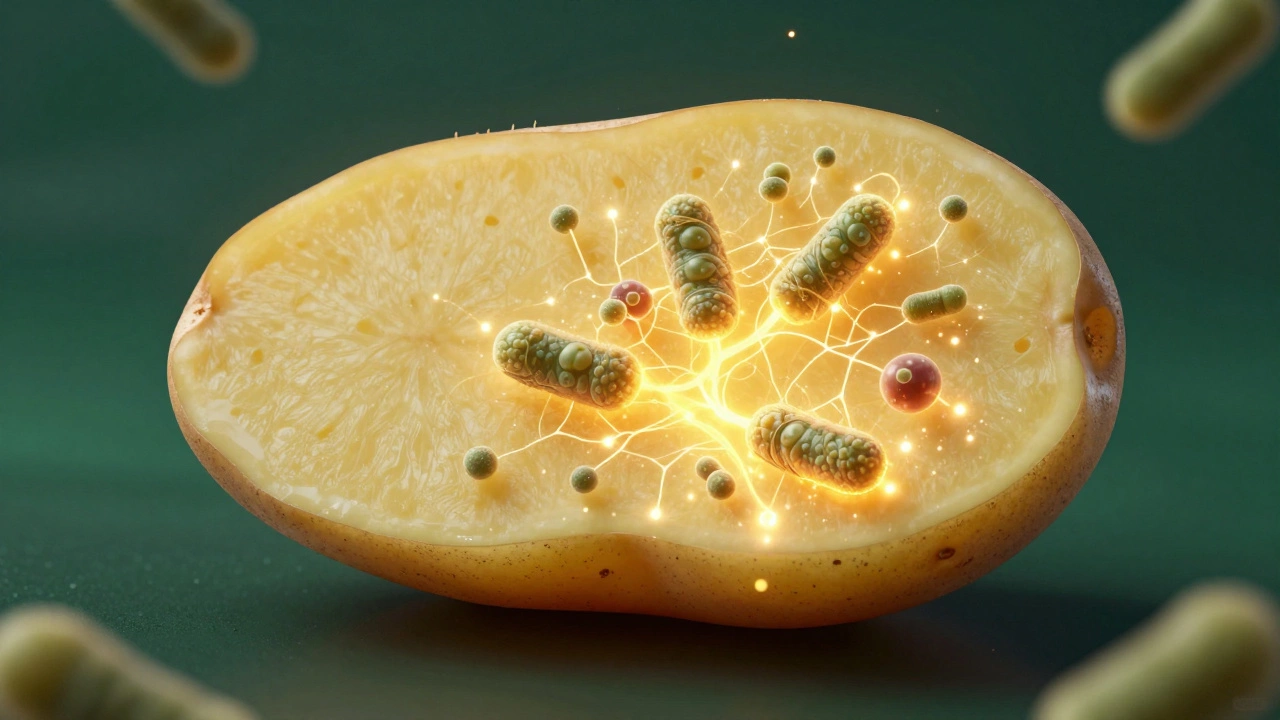
Let's talk about Resistant Starch. This is a type of carbohydrate that isn't digested in the small intestine. Instead, it ferments in the large intestine, feeding the good bacteria in your gut. Interestingly, if you cook potatoes and then let them cool (like in a potato salad), the amount of resistant starch increases. This makes them an incredible tool for gut health and blood sugar management, which is a huge win for anyone focusing on whole-food, plant-based eating.
Dealing with the "Nightshade" Debate
You might hear a few people in the vegan community talk about avoiding Nightshades. This is a family of plants that includes potatoes, tomatoes, peppers, and eggplant. Some people believe these plants contain alkaloids (like solanine in potatoes) that can trigger joint pain or autoimmune flare-ups.
Is this a vegan requirement? Absolutely not. It's a personal health choice. Most vegans eat nightshades without any issues. If someone says, "I'm vegan and I don't eat potatoes," they are probably dealing with a sensitivity or following a specific anti-inflammatory protocol. For 99% of the vegan population, a bag of chips or a roasted potato is perfectly acceptable.
Pro Tips for the Best Vegan Potatoes
If you're looking to upgrade your potato game without using animal products, here are a few tricks that actually work. Forget the bland, watery mashed potatoes; try using a bit of the potato cooking water (the starchy liquid) mixed with a high-quality vegan butter. This creates an emulsion that is creamy and rich.
For those who miss the "tang" of sour cream on a baked potato, try a mixture of thick vegan yogurt and a squeeze of lemon juice. If you're frying, stick to Canola Oil or refined coconut oil for a high smoke point, which ensures your fries get that perfect golden crunch without burning. Just avoid the "hidden" animal fats often found in fast-food fryers, where beef tallow is sometimes mixed in for flavor.
Common Questions About Potatoes and Veganism
Are all types of potatoes vegan?
Yes, every variety of potato-whether it's Russet, Yukon Gold, Red Bliss, or Sweet Potatoes-is naturally vegan. They are plants grown from the earth and contain no animal ingredients.
Can vegans eat potato chips?
Most potato chips are vegan, but you have to check the label. Some flavored chips use whey powder (from milk) or honey. Plain salted chips are almost always safe.
What is a good vegan substitute for butter in mashed potatoes?
Extra virgin olive oil provides a fruity, rich flavor. For a more traditional buttery taste, use a vegan butter stick or a splash of full-fat coconut milk for extreme creaminess.
Do vegans avoid potatoes for ethical reasons?
Are sweet potatoes different from regular potatoes for vegans?
Nutritially, yes, they have more beta-carotene and Vitamin A. But from a vegan perspective, they are the same: both are plant-based and completely acceptable in a vegan diet.
What to Do Next
If you're new to veganism and feeling overwhelmed by what you can and can't eat, start by focusing on "whole foods." When in doubt, if it grew from a seed or a tuber and hasn't been processed with milk or eggs, it's usually fair game. Next time you're at the store, grab a variety of potatoes-purple, gold, and red-and experiment with different roasting oils to see which flavor profile you prefer.
If you're eating out, don't be afraid to ask the server, "Are the potatoes mashed with butter or oil?" Most kitchens are happy to swap butter for olive oil if they know you have a dietary restriction. It's a small tweak that makes a huge difference in making your meal truly plant-based.