Slow Cooker Foil Safety Checker
Select the scenario that best matches what you are planning to cook to see our recommendation.
Acidic Dish
Tomato sauce, vinegar, citrus, wine marinades.Neutral Meat/Veg
Pulled pork, stews, roasts without acid.Easy Cleanup
Lining the pot bottom for messy sauces/glazes.Covering Lid
Wrapping foil over the lid to trap steam.It happens to the best of us. You’re halfway through prepping a big batch of pulled pork or a hearty stew, and you realize you need a way to keep certain ingredients separate or protect delicate items from getting too mushy. Your eyes land on the roll of aluminum foil in the pantry. It’s handy, it’s heat-resistant, and it works everywhere else in your kitchen. But can you actually put aluminum foil in a slow cooker without ruining your appliance or your dinner?
The short answer is yes. You can safely use aluminum foil in a slow cooker for most tasks. However, there are specific rules you need to follow to avoid damaging your pot, altering the taste of your food, or creating a mess that’s impossible to clean. Let’s break down exactly how to do it right, when to skip the foil entirely, and what safer alternatives might work better for your next meal.
Why Use Aluminum Foil in a Slow Cooker?
Before we get into the safety details, it helps to understand why people even bother with foil in a low-and-slow environment. A slow cooker is designed to trap steam and maintain a consistent, gentle temperature. Usually, this is perfect for melting tough cuts of meat or softening vegetables. But sometimes, that moisture is exactly what you want to avoid for specific components.
Foil acts as a barrier. Here are the most common reasons cooks reach for it:
- Preventing Overcooking: If you’re making a chili with beans, but you want to add potatoes later, wrapping the potatoes in foil can help them retain their shape and texture while they cook alongside the liquid-heavy base.
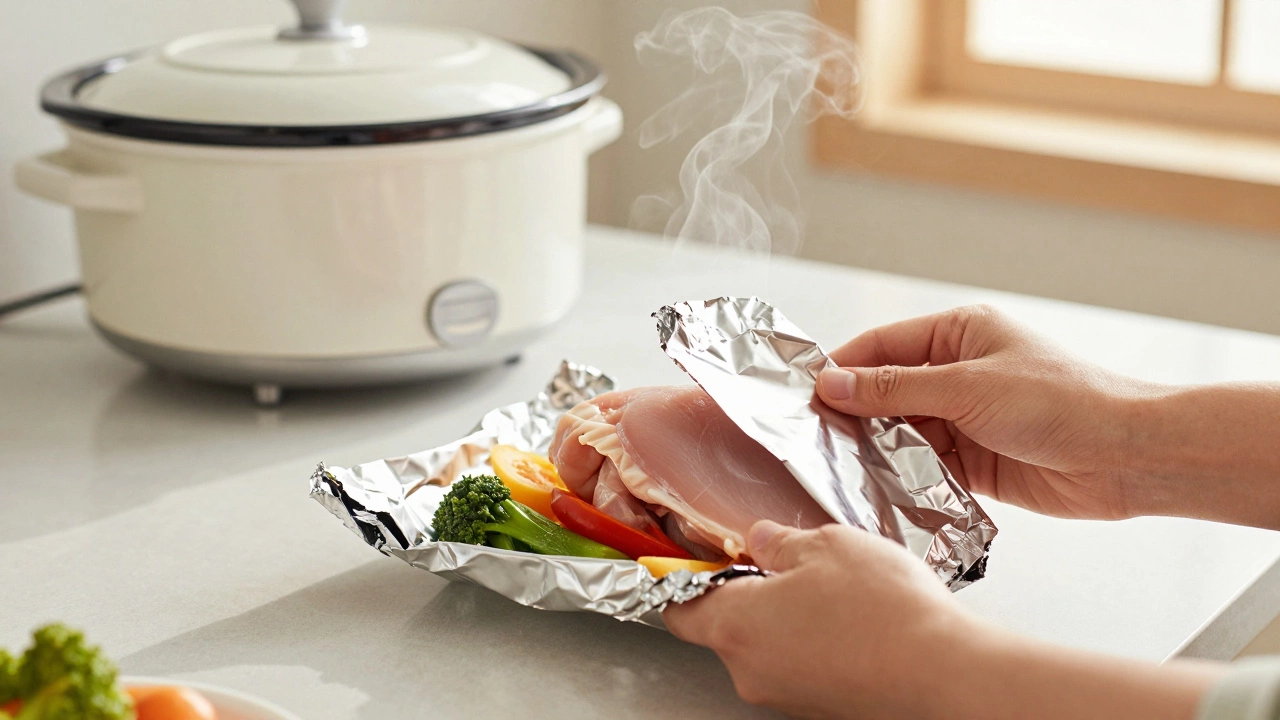
- Separating Flavors: Maybe you’re cooking fish fillets in a tomato-based sauce. The acid in the tomatoes can make the fish flaky and disintegrate. Wrapping the fish in a foil packet keeps it moist and intact until you’re ready to serve.
- Cleaning Convenience: Lining the bottom of the crockpot with foil before dumping in messy ingredients like BBQ sauce or sugary glazes means you only have to toss the foil instead of scrubbing the ceramic insert for twenty minutes.
- Creating Steamer Pockets: You can create little pouches for herbs, spices, or garlic cloves. This infuses the flavor without leaving behind hard bits of skin or stem that you’d have to pick out later.
Safety First: Is It Really Safe?
Aluminum is a metal that conducts heat very well. In an oven or on a grill, this is a feature. In a slow cooker, where the heating element wraps around the outside of a ceramic or stoneware pot, the dynamics change slightly. The primary concern isn’t that the foil will melt-it won’t, unless your slow cooker is broken and running at oven temperatures-but rather how it interacts with the pot and the food chemistry.
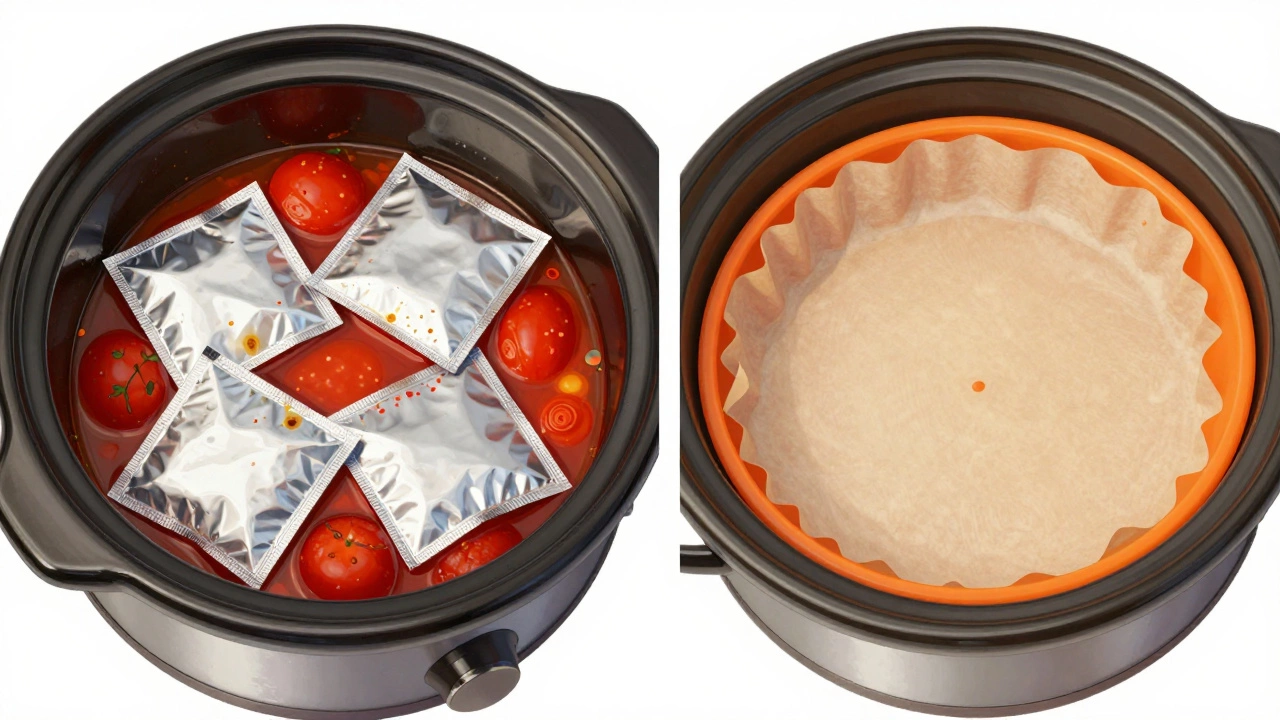
The biggest risk involves acidity. Aluminum reacts with acidic foods like tomatoes, citrus juices, vinegar, and wine. When this reaction happens, tiny amounts of aluminum can leach into your food. While occasional exposure is generally considered safe by health organizations, chronic high intake of aluminum is something many people try to minimize. More immediately, this reaction can give your food a metallic aftertaste and cause the foil itself to pit, darken, or even tear apart during the long cooking process.
If you are cooking a highly acidic dish, such as a marinara sauce or a lemon-herb chicken, it is wise to avoid direct contact between the foil and the food. Instead, use the foil to wrap neutral items, or line the pot with parchment paper if you just want easy cleanup.
How to Use Aluminum Foil Correctly
If you’ve decided to use foil, technique matters. Throwing a loose sheet into the pot can lead to it floating around, absorbing liquid, and sticking to the sides where it’s hard to remove. Follow these steps for the best results:
- Choose Heavy-Duty Foil: Standard foil is thin and prone to tearing when wet or when handling heavy meats. Heavy-duty foil provides a stronger barrier and holds its shape better under prolonged heat.
- Create Secure Packets: If you are wrapping food, fold the edges tightly. Double-wrap if necessary. A secure packet prevents steam from escaping and keeps the contents moist. It also stops the foil from unraveling and contaminating the rest of the stew.
- Avoid Touching the Sides: Try to place foil packets in the center of the pot. If the foil touches the heated ceramic walls directly for hours, it can discolor the pot or leave behind residue that is difficult to scrub off. Submerging the packet in liquid or placing it among other solid ingredients helps insulate it from the pot walls.
- Don’t Cover the Entire Surface: If you are using foil to hold down a lid or cover a portion of the food, ensure it doesn’t block the vent (if your model has one) or prevent steam circulation entirely. Slow cookers rely on trapped steam to cook evenly. Blocking airflow completely can lead to uneven cooking or pressure buildup in sealed models.
When to Skip the Foil Entirely
There are scenarios where aluminum foil is not just unnecessary, but actively problematic. Knowing when to put the roll back in the drawer can save you from a ruined meal.
| Scenario | Why to Avoid | Better Alternative |
|---|---|---|
| Highly Acidic Sauces | Causes metallic taste and foil degradation due to chemical reaction with acids like tomato or vinegar. | Use silicone liners or glass containers placed inside the slow cooker. |
| Dry Heat Cooking | Slow cookers are designed for moist heat. Foil traps steam, which is good, but if there's no liquid, food can dry out or burn against the foil. | Add broth, water, or wine to ensure proper steaming and conduction. |
| Delicate Fish Fillets | While foil protects, it can also steam the fish too aggressively if not monitored, leading to mushiness. Acidic marinades worsen this. | Cook fish separately in a skillet or microwave, then add to the slow cooker dish at the end. |
| Covering the Lid | Some modern slow cookers have vents. Covering the entire lid with foil can trap excessive pressure or interfere with temperature sensors. | Use a damp towel under the lid to reduce condensation drip, or simply check the manufacturer’s guidelines. |
Best Alternatives to Aluminum Foil
If you are worried about aluminum leaching, or if you just hate the crinkly sound and the hassle of folding tight seals, there are excellent alternatives available today. Many of these are reusable, eco-friendly, and often perform better in a slow cooker environment.
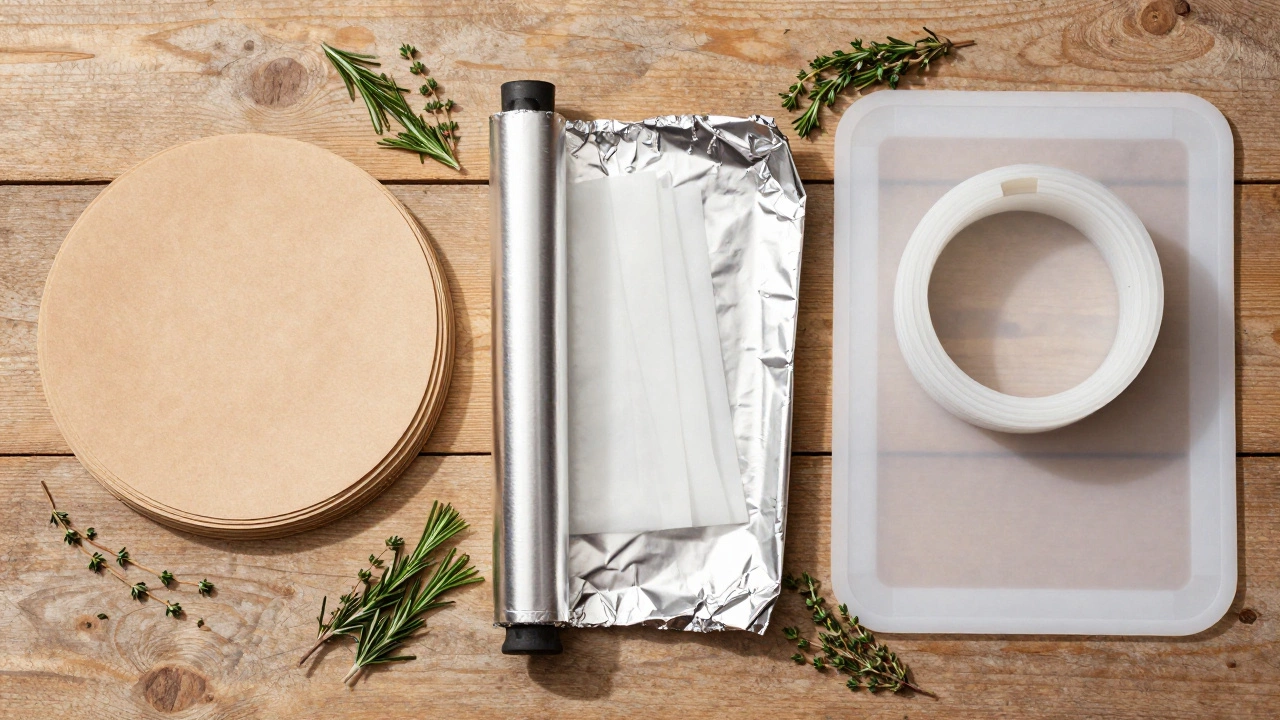
Silicone Baking Mats are heat-resistant, non-stick sheets made from food-grade silicone. They come in various shapes and sizes. Some manufacturers even sell specific "slow cooker liners" made of silicone that fit snugly into standard oval or round pots. These are fantastic for easy cleanup and don’t react with acidic foods. You can wash them in the dishwasher and reuse them hundreds of times.
Parchment Paper is another great option for lining the bottom of the pot. Unlike foil, parchment paper is coated with silicone, making it non-reactive to acids. It won’t give your food a metallic taste. Just cut a circle or oval to fit the bottom of your slow cooker, grease it lightly if needed, and dump your ingredients on top. After cooking, lift the paper out with the food scraps attached. Note that parchment paper is not meant to be folded into tight packets for steaming; it can catch fire if exposed to direct dry heat elements, though this is rare in a moist slow cooker environment.
Glass Containers offer a different approach. If you want to cook a side dish separately within the main pot-like rice or mashed potatoes-you can place a small, oven-safe glass bowl inside the slow cooker. Fill the slow cooker with water up to the level of the food in the glass bowl. This creates a double-boiler effect. Glass doesn’t react with anything, is easy to clean, and allows you to see the food as it cooks. Just be careful when removing the hot glass bowl to avoid thermal shock or burns.
Cleaning Up After Using Foil
Let’s be honest: the main reason we use foil is to avoid cleaning. But if you use it incorrectly, you might end up with more work. If the foil tears or leaves residue on the ceramic insert, here is how to handle it:
- Soak Immediately: Don’t let dried-on sauce or starch harden. Fill the pot with warm, soapy water and let it soak for at least 30 minutes.
- Use Non-Abusive Scrubbers: Ceramic inserts can scratch. Use a wooden spoon, a silicone spatula, or a soft sponge. Avoid steel wool or harsh scouring pads, which can damage the glaze and make the pot porous over time.
- Baking Soda Paste: For stubborn stains left by foil oxidation, make a paste of baking soda and water. Apply it to the stained area, let it sit for 15 minutes, then gently scrub with a soft cloth. The mild abrasiveness of baking soda lifts stains without scratching.
Final Thoughts on Kitchen Hacks
Using aluminum foil in a slow cooker is a legitimate kitchen hack, provided you respect the chemistry involved. It is a tool for separation, protection, and convenience. By choosing heavy-duty foil, avoiding direct contact with highly acidic ingredients, and securing your packets properly, you can enhance your slow cooker meals without risking your health or your appliance.
However, don’t feel locked into foil. Exploring silicone liners, parchment paper, or nested glass containers can open up new possibilities for texture and flavor control. Experiment with these methods during your next weekend cook-off. You might find that a simple change in material leads to a cleaner kitchen and a tastier meal.
Will aluminum foil melt in a slow cooker?
No, aluminum foil will not melt in a standard slow cooker. Slow cookers typically operate between 170°F and 280°F (77°C to 138°C), while aluminum foil melts at approximately 1,220°F (660°C). The heat is nowhere near high enough to cause melting.
Is it safe to put aluminum foil in a slow cooker with acidic foods?
It is generally not recommended. Acidic foods like tomatoes, citrus, and vinegar can react with aluminum, causing the foil to pit and potentially leaching small amounts of aluminum into your food. This can also result in a metallic taste. If you must use foil with acidic dishes, ensure the food is wrapped securely so it does not touch the foil directly, or use a non-reactive alternative like parchment paper.
Can I line my slow cooker with aluminum foil for easy cleanup?
Yes, you can line the bottom of your slow cooker with aluminum foil to make cleanup easier. Cut a piece large enough to cover the bottom and extend up the sides slightly. Grease the foil lightly to prevent sticking. However, be aware that foil may tear when lifting out heavy foods, so silicone liners are often a more durable and effective option for this purpose.
Does using aluminum foil affect cooking time in a slow cooker?
Using aluminum foil can slightly increase cooking time for the items wrapped inside it because the foil acts as an insulator. Steam and heat take longer to penetrate the foil packet than they would to reach unwrapped food. To compensate, you may need to add 15-30 minutes to the cooking time for wrapped items, or prepare them in advance and place them in the slow cooker earlier.
What are the best alternatives to aluminum foil for slow cooking?
The best alternatives include silicone slow cooker liners, which are reusable and non-reactive; parchment paper, which is good for lining the bottom and resists acid; and oven-safe glass bowls, which can be placed inside the slow cooker for double-boiling effects. Each option offers different benefits regarding durability, reusability, and chemical reactivity.