Sick Day Food Selector
Select your primary symptom below to get personalized food recommendations that are gentle on your stomach and aid recovery.
Recommendations
Hydration FirstPlease select a symptom above to see recommended foods.
You wake up with a sore throat, a pounding head, or that distinct feeling of your stomach doing backflips. The last thing you want to do is cook, let alone think about what to eat. Yet, your body needs fuel to fight off the bug. The trick isn't just eating easy food; it's choosing foods that won't make you feel worse while providing enough energy to recover.
When you're ill, your digestive system slows down. Heavy fats, spicy spices, and high-fiber roughage become enemies rather than friends. You need gentle, hydrating, and easily digestible options. This guide breaks down exactly what to put on your plate based on your specific symptoms, so you can get back to feeling human as quickly as possible.
The BRAT Diet Myth and Reality
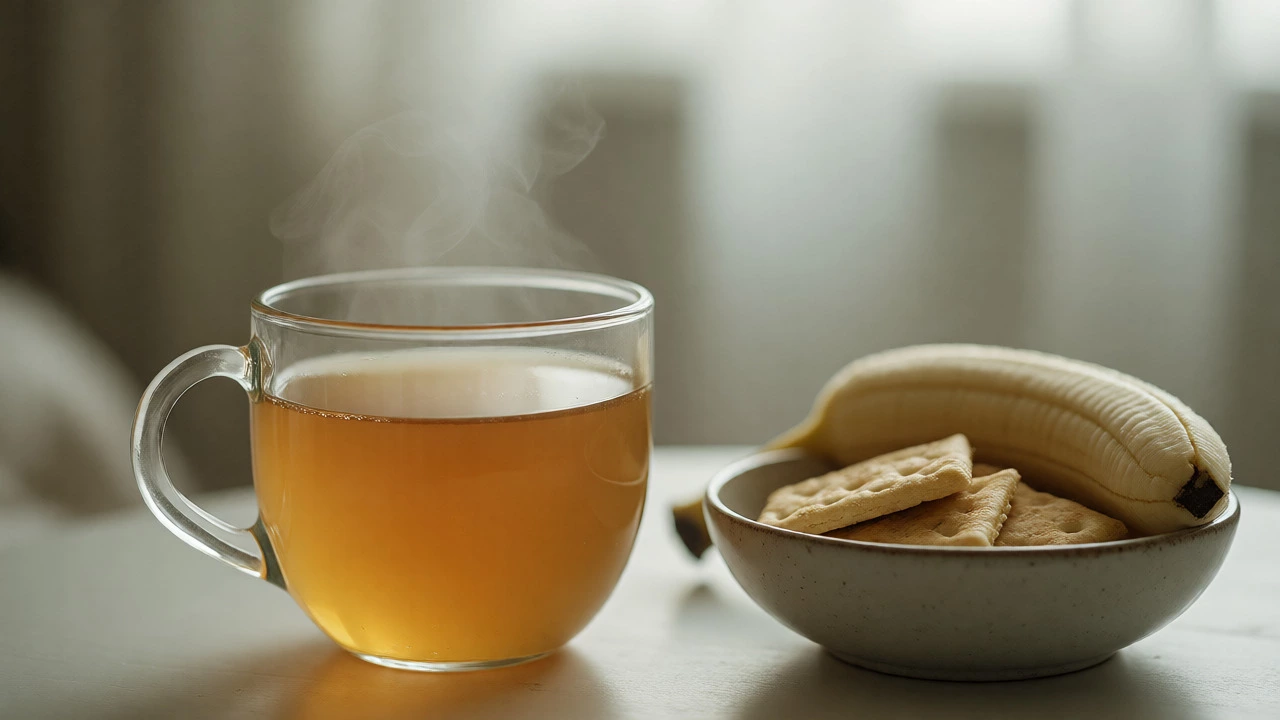
You've probably heard of the BRAT diet-Bananas, Rice, Applesauce, and Toast. For decades, doctors recommended this for anyone with an upset stomach. It’s simple, bland, and low in fiber. But is it actually the best choice?
Modern nutritional science suggests that while BRAT works for short-term stabilization, it lacks protein and fat, which are essential for immune function. If you stick to it too long, you might feel weak because you aren't getting enough calories. Use BRAT items as a starting point if you’re actively vomiting or have severe diarrhea, but aim to transition to more nutrient-dense options within 24 hours.
| Food Item | Best For | Digestibility | Nutrient Profile |
|---|---|---|---|
| Bananas | Potassium replenishment after vomiting | High | Potassium, Vitamin B6, Carbs |
| White Rice | Bulk for loose stools | Very High | Simple Carbohydrates |
| Ginger Tea | Nausea and inflammation | High | Antioxidants, Hydration |
| Chicken Broth | Sodium and fluid replacement | High | Electrolytes, Protein (if meat added) |
Hydration Is Your First Priority
Before you even think about solid food, focus on fluids. Dehydration makes headaches worse and prolongs fatigue. Water is great, but plain water doesn't replace the electrolytes you lose through sweat, fever, or vomiting.
Try sipping on clear broths or diluted fruit juices. Coconut water is a fantastic natural alternative to sports drinks because it’s packed with potassium without the artificial dyes that might irritate a sensitive stomach. If you find plain water tastes metallic or unpleasant-a common side effect of illness-add a slice of lemon or cucumber. The mild flavor helps mask the taste and encourages you to drink more.
Dealing With Nausea Without Losing Appetite
Nausea is tricky. Eating can trigger it, but not eating makes you weaker. The key is small, frequent bites rather than full meals. Cold foods often sit better than hot ones because they have less aroma. Strong smells can trigger the gag reflex, so skip the frying pan and opt for chilled options.
Consider these strategies:
- Ginger: It’s clinically proven to reduce nausea. Sip ginger tea, suck on crystallized ginger, or add fresh grated ginger to warm water.
- Cold Smoothies: Blend banana, yogurt, and a little honey. The cold temperature soothes the throat, and the texture is easy to swallow.
- Crackers: Saltine crackers absorb stomach acid. Keep them by your bed for those early morning waves of sickness.
Avoid dairy if you suspect lactose intolerance is worsening your bloating. However, if you tolerate yogurt well, the probiotics can help restore gut health after antibiotics or a viral infection.
Soothing a Sore Throat and Congestion
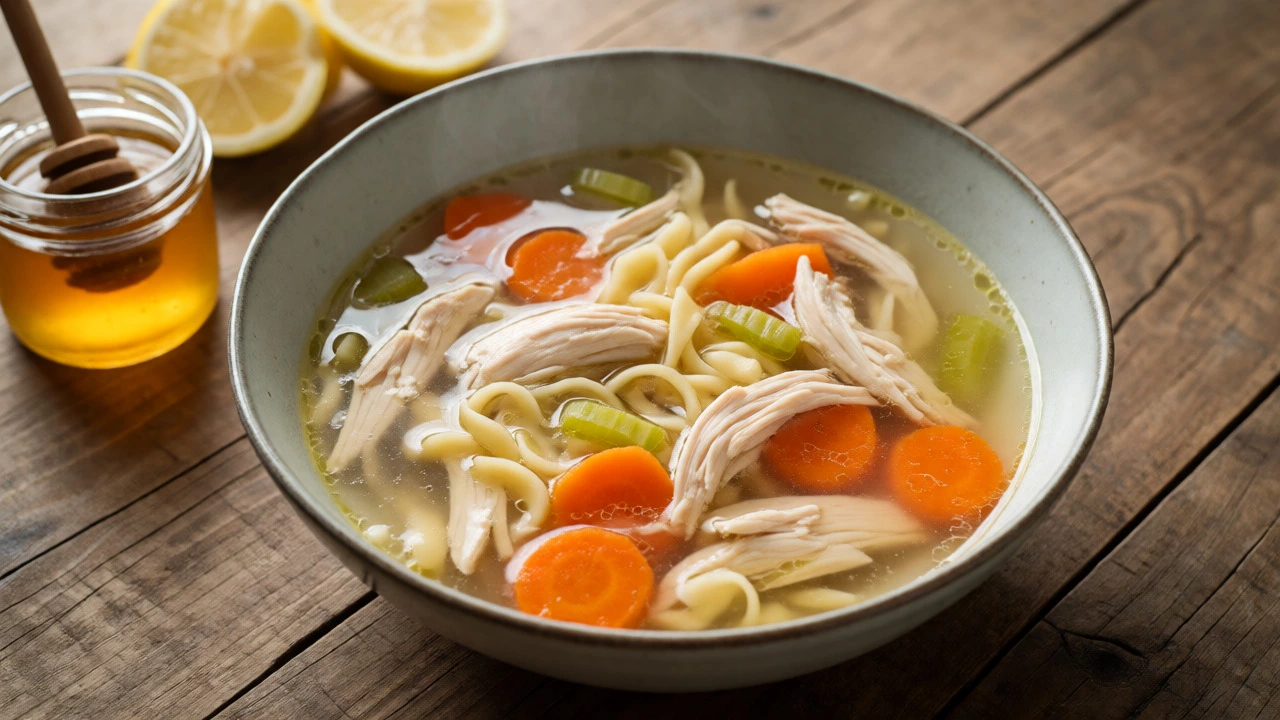
If your issue is respiratory, like a cold or flu, your goal changes slightly. You need moisture and anti-inflammatory ingredients. Hot liquids help break up mucus, while certain foods coat the throat to reduce pain.
Honey is a powerful tool here. Studies show it can be as effective as some over-the-counter cough suppressants. Mix a tablespoon into warm herbal tea. Avoid citrus juices if your throat is raw; the acidity stings. Instead, try chamomile or peppermint tea. Peppermint contains menthol, which acts as a natural decongestant, helping you breathe easier while you rest.
For congestion, spicy foods can actually help. While usually avoided during stomach bugs, a mild curry or soup with chili flakes can clear nasal passages. Just ensure the spice level is manageable for your stomach. If your throat hurts too much to chew, smooth soups blended until creamy are ideal.
Protein for Recovery
Once the acute phase passes, your body needs protein to repair tissue and rebuild immune cells. Many people avoid protein when sick because it feels heavy, but lean sources are crucial.
Egg whites are excellent-they are pure protein and very easy to digest compared to whole eggs, which contain fat that might slow digestion. Poach them gently or scramble them softly. Chicken breast, boiled or baked without heavy sauces, provides amino acids without grease. Fish, particularly white fish like cod or tilapia, is another light option that cooks quickly and digests easily.
If chewing feels like too much effort, consider bone broth. It’s rich in collagen and minerals, offering some protein benefits along with hydration. Simmering bones for several hours extracts nutrients that support joint and gut health, aiding overall recovery.
Foods to Avoid Completely
Just as important as knowing what to eat is knowing what to skip. Certain foods will sabotage your recovery by irritating your gut or increasing inflammation.
- Fried and Fatty Foods: French fries, pizza, and fatty cuts of meat delay gastric emptying. Your stomach stays full longer, increasing nausea.
- High-Fiber Vegetables: Broccoli, beans, and cabbage cause gas. When you’re already uncomfortable, adding gas pressure is the last thing you need.
- Caffeine and Alcohol: Both are diuretics, meaning they pull water from your body. They also irritate the stomach lining. Stick to decaf or herbal options until you’re fully recovered.
- Sugary Snacks: Excess sugar can feed bad bacteria in the gut and worsen diarrhea. Save the cake for when you’re feeling energetic again.
Practical Meal Ideas for Different Symptoms
Here is how to combine these principles into actual meals. You don’t need fancy ingredients; most of these use pantry staples.
For Upset Stomach:
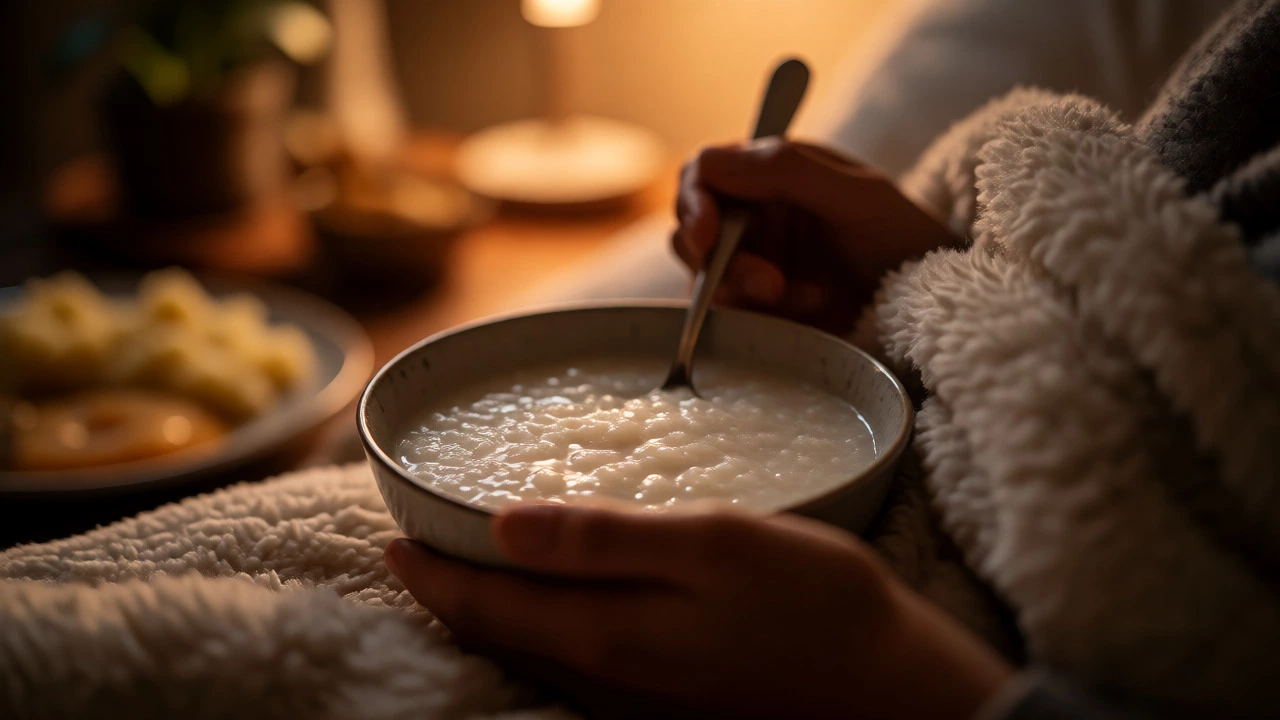
Start with plain congee (rice porridge). Cook white rice with extra water until it breaks down into a soft, comforting consistency. Add a pinch of salt. Once you keep that down, stir in a poached egg or some shredded chicken. Top with sliced green onions if you can handle the flavor, as they aid digestion.
For Colds and Flu:
Make a simple chicken noodle soup, but go easy on the noodles if you’re nauseous. Focus on the broth, carrots, and celery. The steam from the bowl helps open sinuses. If you prefer vegetarian, lentil soup made red lentils (which break down completely) is soothing and nutritious.
For Fatigue and Weakness:
Focus on calorie-dense but easy-to-eat foods. Mashed potatoes made with a little olive oil instead of heavy cream provide quick energy. Pair with applesauce for sweetness and vitamins. Oatmeal cooked with milk (or almond milk) offers sustained energy release, preventing blood sugar crashes that leave you shaky.
Listen to Your Body
There is no one-size-fits-all diet for illness. Some people crave salty snacks; others want something sweet. Trust your instincts within reason. If your body rejects a food, stop forcing it. Try again in a few hours. Rest is just as vital as nutrition. Sleep allows your immune system to work efficiently, so don’t stress about perfect meal timing. Grab what’s easy, stay hydrated, and give yourself grace.
Is it okay to eat ice cream when I have a sore throat?
Yes, for many people, the cold temperature of ice cream numbs the throat and reduces pain. However, dairy can increase mucus production in some individuals, making congestion feel worse. If you notice increased phlegm, switch to popsicles or sorbet instead.
How soon should I start eating solid food after vomiting?
Wait until you have gone at least 4-6 hours without vomiting. Start with small sips of clear fluids like water or electrolyte solutions. If those stay down, gradually introduce bland solids like crackers or toast. Do not force large meals immediately.
Can coffee help when I am sick?
Generally, no. Caffeine is a diuretic and can lead to dehydration, which worsens headaches and fatigue associated with illness. It can also irritate an empty or sensitive stomach. Herbal teas or decaffeinated options are safer choices during recovery.
What is the best snack for nausea?
Saltine crackers are widely considered the best first snack for nausea because they are dry, salty, and absorb excess stomach acid. Ginger candies or chews are also highly effective due to ginger's anti-nausea properties. Keep these within arm's reach.
Should I take vitamin supplements when I am sick?
It depends. Multivitamins on an empty stomach can cause nausea. If you must take them, do so with a small amount of food. Vitamin C and Zinc may support immune function, but consult a doctor before starting new supplements, especially if you are taking other medications.