Gluten-Free Food Safety Checker
Walking down the grocery aisle can feel like navigating a minefield if you are strictly avoiding gluten. You pick up a box of crackers, turn it over, and see a warning that says 'may contain traces of wheat.' Frustrating, right? For people with Celiac disease is an autoimmune disorder where ingestion of gluten leads to damage in the small intestine, or those with non-celiac gluten sensitivity, this anxiety is a daily reality. But here is the good news: nature provides plenty of foods that are naturally, inherently, and 100% gluten-free. You do not need to rely on processed substitutes to eat well.
The confusion often stems from marketing rather than biology. Many products are labeled 'gluten-free' because they meet legal standards for low gluten content, but that doesn't mean the base ingredient was ever safe. To truly understand what is 100% gluten-free, we have to look at whole, unprocessed ingredients. These are foods that never contained gluten in their DNA. They are safe by nature, not by processing.
Naturally Gluten-Free Grains and Starches
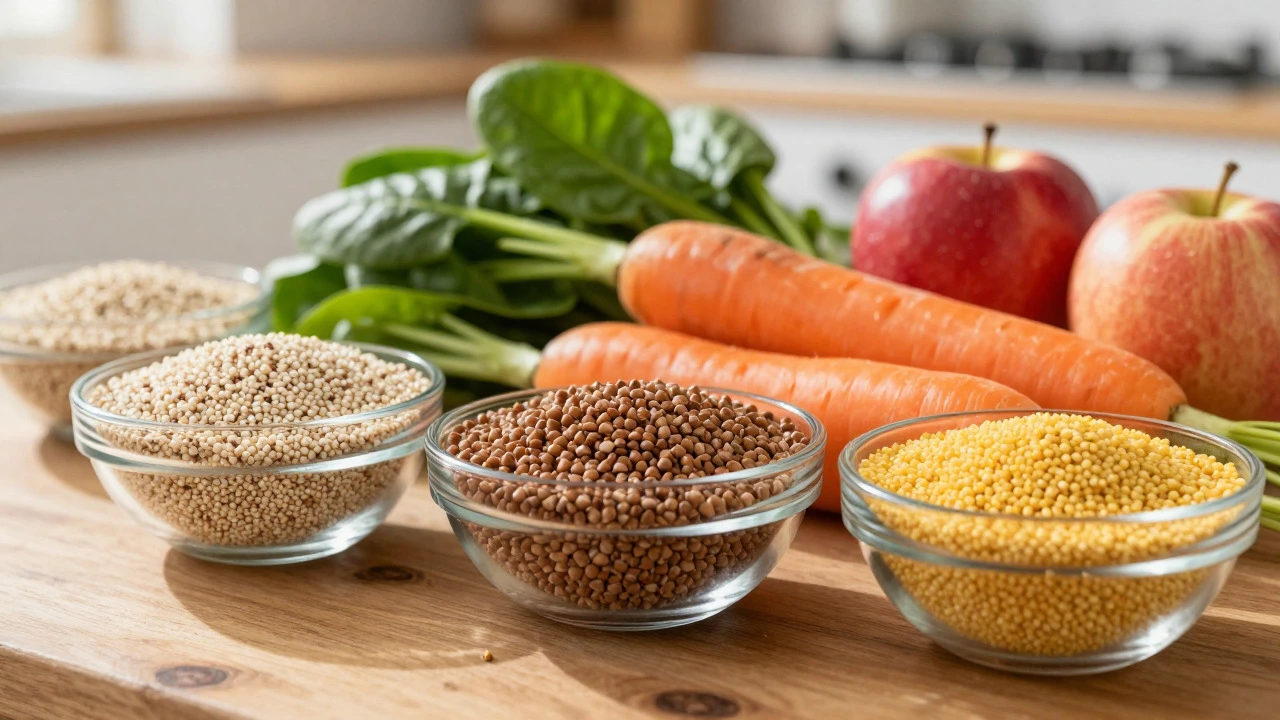
When you cut out wheat, barley, and rye, you might think you are cutting out all carbs. That is a common myth. There is an entire world of ancient and modern grains that are completely free of gluten proteins. The key is knowing which ones to trust and which ones to avoid due to cross-contamination risks.
| Grain/Starch | Texture & Use | Nutritional Highlight | Safety Note |
|---|---|---|---|
| Rice | Versatile, neutral flavor; works for stir-fries, porridge, and sides. | Easy to digest; low in fiber unless brown rice. | Almost always safe; check for shared facilities only if highly sensitive. |
| Quinoa | Fluffy, nutty; complete protein source. | High in magnesium and iron. | Often processed with wheat; buy certified GF brands. |
| Buckwheat | Earthy, robust; great for pancakes and noodles (soba). | Rich in antioxidants like rutin. | Despite the name, it is not wheat. Ensure pure buckwheat flour. |
| Millet | Mild, corn-like; good for baking and porridge. | High in phosphorus and B vitamins. | Check labels; sometimes mixed with other grains. |
| Corn (Maize) | Sweet or savory; used for tortillas, polenta, and flour. | Good energy source; contains lutein. | Safe if pure; watch out for cornmeal blends. |
| Amaranth | Chewy, dense; used as a grain or popped like popcorn. | Very high in calcium and protein. | Less common; verify supply chain purity. |
Rice is probably the safest bet for beginners. White rice, brown rice, black rice, and wild rice are all naturally gluten-free. However, when you move to grains like quinoa and millet, you run into the issue of processing. Quinoa is often grown near wheat fields and processed in the same mills. If you have Celiac disease, eating regular quinoa can trigger symptoms due to microscopic wheat dust. Always look for the 'Certified Gluten-Free' label on these grains. This certification means the product has been tested to contain less than 20 parts per million (ppm) of gluten, which is the international safety standard.
Fruits and Vegetables: The Safest Bet
If there is one category you can shop without fear, it is fresh produce. Whole fruits and vegetables are 100% gluten-free. An apple is an apple. A carrot is a carrot. There is no hidden gluten in the soil or the rain. However, things get tricky once you start buying pre-cut, packaged, or canned versions.
For example, plain frozen broccoli is safe. But broccoli florets coated in a garlic parmesan sauce? Not so much. Sauces often use wheat flour as a thickener. Similarly, fresh strawberries are safe, but strawberry jam might contain modified food starch derived from wheat. The rule of thumb is simple: if it grew in the ground or on a tree and hasn't been touched by human hands since harvest, it is safe. Once packaging enters the equation, you must read the label.
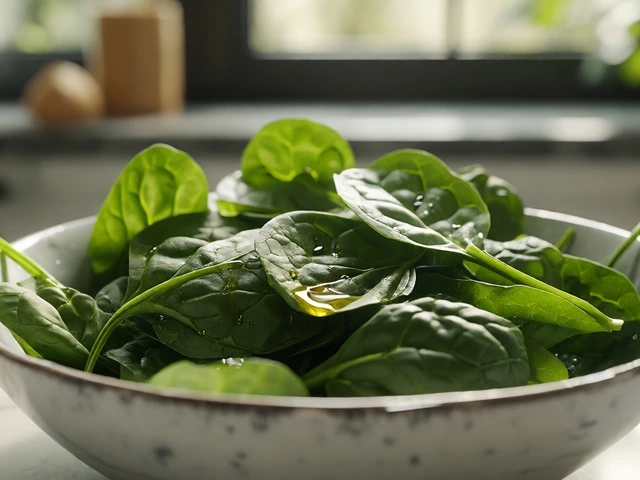
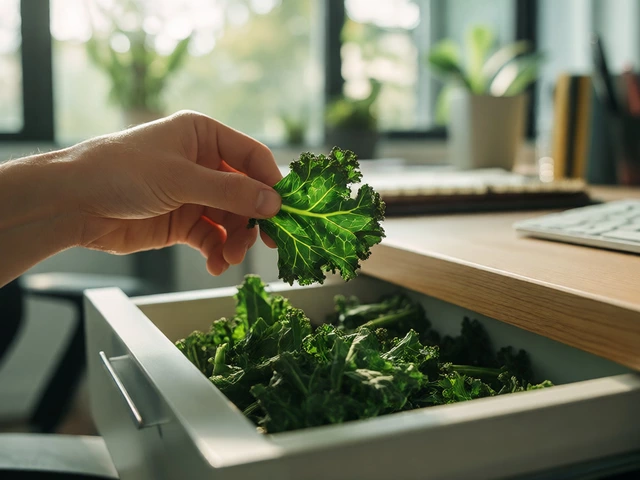
- Leafy Greens: Spinach, kale, lettuce, and arugula are always safe.
- Cruciferous Veggies: Broccoli, cauliflower, cabbage, and Brussels sprouts.
- Root Vegetables: Potatoes, sweet potatoes, carrots, and beets.
- Fresh Fruits: Bananas, apples, oranges, berries, and melons.
One specific pitfall to watch for is marinated vegetables. Olives, pickles, and sauerkraut are naturally gluten-free, but many commercial brands add vinegar blends or flavorings that contain malt vinegar (made from barley). Stick to brands that explicitly state 'gluten-free' or make your own at home using distilled white vinegar, which is safe.
Proteins: Meat, Poultry, Fish, and Eggs
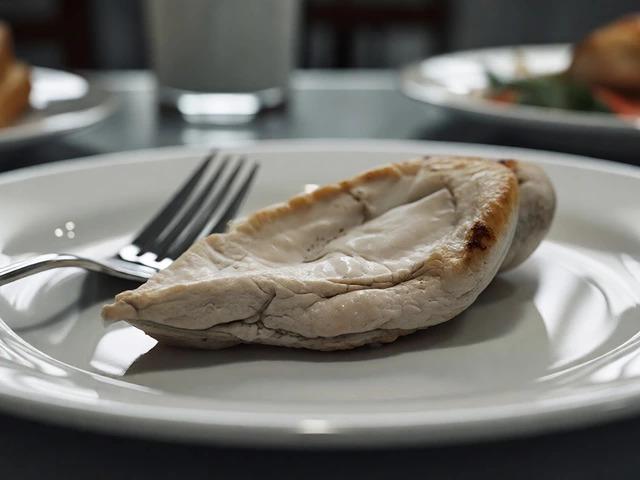
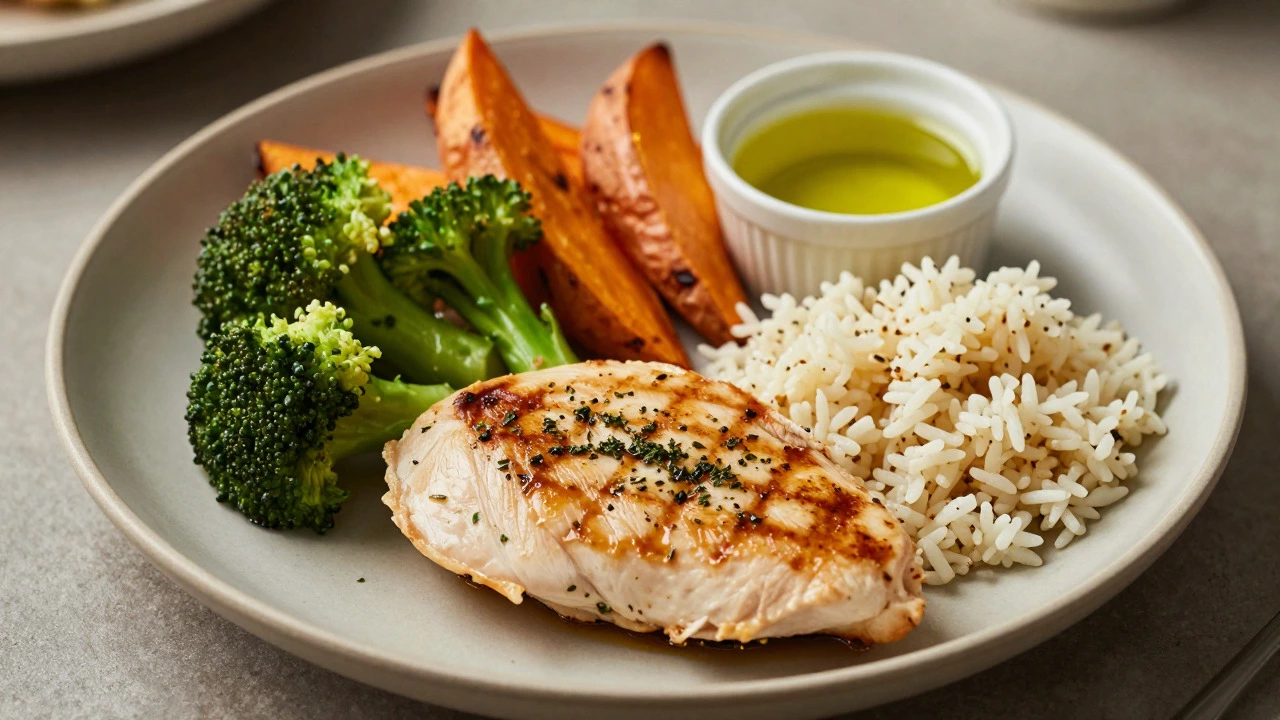
Unprocessed animal proteins are naturally gluten-free. A chicken breast, a salmon fillet, or an egg straight from the carton does not contain gluten. The danger lies in how these proteins are prepared and processed.
Take bacon, for instance. Plain bacon is just pork belly cured with salt and sugar. It is safe. But some manufacturers inject bacon with a solution containing soy sauce or maltodextrin derived from wheat. Always check the ingredient list. If you see 'natural flavors,' 'spices,' or 'hydrolyzed vegetable protein,' dig deeper. Hydrolyzed vegetable protein can sometimes be made from wheat, though it is more commonly corn or soy. When in doubt, ask the manufacturer or choose a brand known for clean labels.
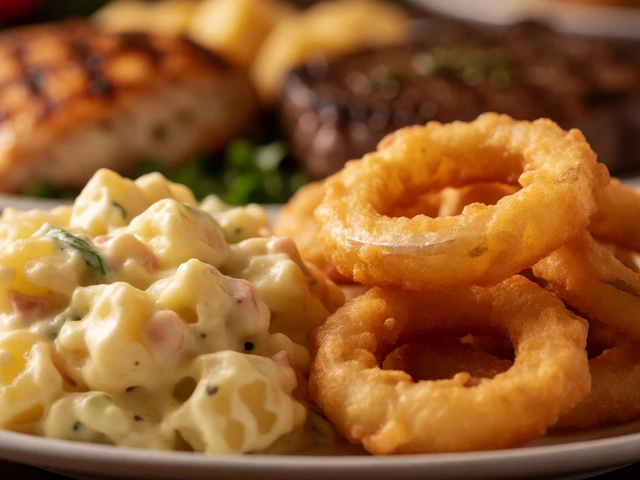
Processed meats are another red zone. Hot dogs, sausages, and deli slices often use breadcrumbs or wheat-based fillers to bind the meat together. Even if the main ingredient is beef, the binder might be wheat. Look for 'gluten-free' certifications on packages of lunch meat and sausages. Many major brands now offer dedicated gluten-free lines because the demand has skyrocketed.
For fish, beware of battered or breaded varieties. Fresh fish is safe. Frozen fish sticks are not. Even if the batter claims to be 'wheat-free,' it might contain barley or rye flour. Stick to fresh cuts or certified gluten-fried options.
Dairy and Plant-Based Alternatives
Milk, cheese, yogurt, and butter are naturally gluten-free. Dairy comes from cows, not grains. However, flavored yogurts and cottage cheeses can be problematic. Fruit-on-the-bottom yogurts often use thickeners like modified food starch. In the US and many other countries, if the label just says 'modified food starch' without specifying the source, it could be wheat. In the EU, regulations require the source to be listed. If it says 'modified maize starch,' it is safe. If it says 'modified wheat starch,' it is not.
Cheese is generally safe, but powdered cheese mixes (like those for mac and cheese) almost always contain wheat flour or anti-caking agents derived from wheat. Stick to block cheese and grate it yourself. Pre-shredded cheese often has cellulose or starch added to prevent clumping, which can sometimes be wheat-based.
Plant-based milks and yogurts vary widely. Almond milk, oat milk, and soy milk are popular alternatives. Here is the catch: Oats are naturally gluten-free, but they are notoriously contaminated with wheat during farming and milling. Unless the oats are labeled 'Certified Gluten-Free,' oat milk is risky for Celiacs. Almond milk and coconut milk are safer bets, provided they don't have added thickeners or flavorings with hidden gluten.
Nuts, Seeds, and Legumes
Nuts and seeds are excellent sources of healthy fats and protein, and they are naturally gluten-free. Almonds, walnuts, cashews, peanuts, chia seeds, flaxseeds, and pumpkin seeds are all safe in their raw or roasted forms. However, seasoned nuts are a trap. BBQ-flavored almonds or honey-roasted peanuts often use soy sauce or malt flavoring in their seasoning blend. Stick to dry-roasted or salted varieties, or buy plain nuts and season them yourself with olive oil and herbs.
Legumes like beans, lentils, and chickpeas are also naturally gluten-free. Black beans, kidney beans, and green peas are staples of a gluten-free diet. The risk here is similar to nuts: pre-packaged, seasoned legumes. Hummus, for example, is typically made from chickpeas, tahini, lemon juice, and garlic. It should be safe. But some commercial brands add wheat-based stabilizers or flavor enhancers. Always read the label. Pure tahini (sesame seed paste) is safe, but check for cross-contamination warnings if you are highly sensitive.
Condiments, Oils, and Sweeteners
This is where most accidental gluten exposure happens. You think you are eating a safe meal, but you drizzle a sauce over it that contains hidden gluten. Let's break down the essentials.
Oils: Olive oil, avocado oil, coconut oil, and vegetable oils are 100% gluten-free. They are extracted from plants or seeds, not grains. Extra virgin olive oil is particularly safe as it is cold-pressed and rarely processed with additives.
Vinegars: Most vinegars are safe, including apple cider vinegar, balsamic vinegar, and white wine vinegar. The exception is malt vinegar, which is made from barley and is high in gluten. Distilled white vinegar is technically gluten-free because the distillation process removes gluten proteins, but some purists avoid it due to potential trace amounts. If you are sensitive, stick to fruit-based vinegars.
Soy Sauce: Traditional soy sauce is made from soybeans and wheat. It is NOT gluten-free. If you love the umami flavor, switch to tamari. Tamari is a Japanese soy sauce alternative that is traditionally wheat-free. However, not all tamari is gluten-free, so always check the label for 'Certified Gluten-Free.' Coconut aminos are another great, lower-sodium alternative that is naturally gluten-free.
Sweeteners: Sugar, honey, maple syrup, and agave nectar are naturally gluten-free. Corn syrup is also safe. Be cautious with brown sugar; some brands use molasses that might be processed with gluten-containing grains, though this is rare. Pure cane sugar is the safest option.
Hidden Dangers: Cross-Contamination
You can buy the safest ingredients in the world, but if they touch gluten in your kitchen, they become unsafe. Cross-contamination is the silent enemy of the gluten-free diet. It happens in three main ways: shared utensils, shared cooking surfaces, and airborne flour.
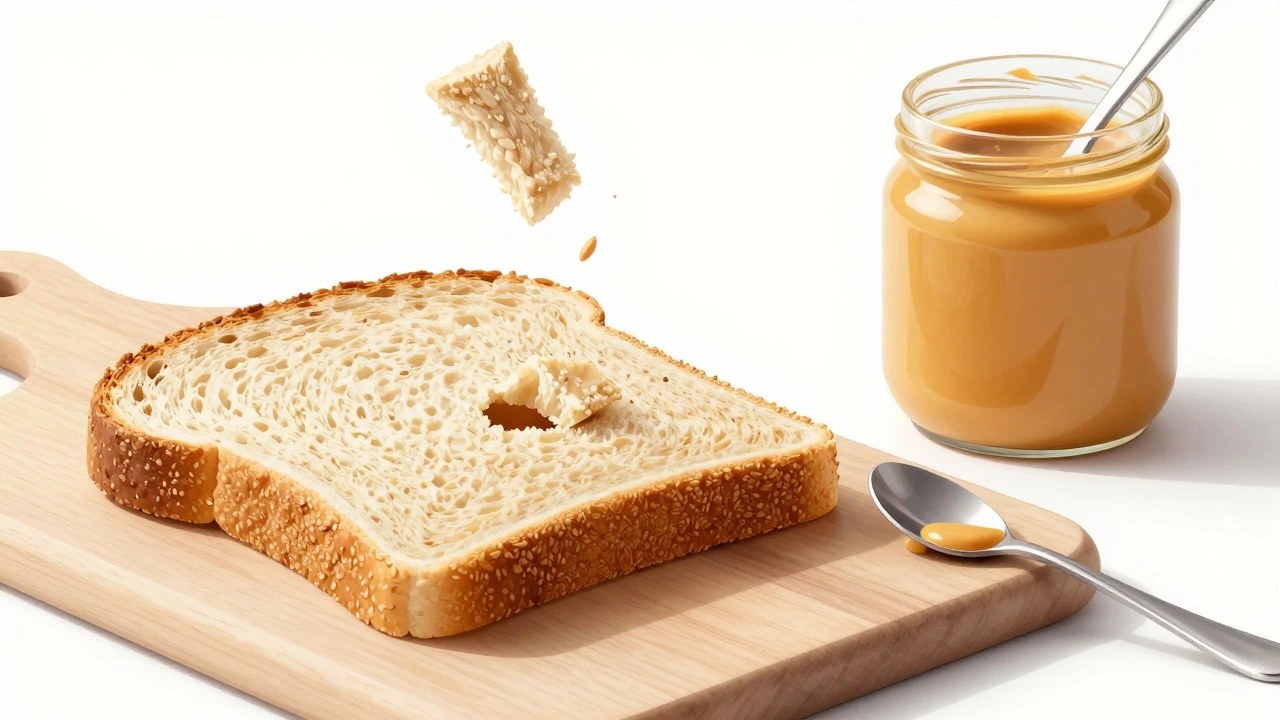
Imagine you toast a slice of gluten-free bread in a toaster that previously toasted regular wheat bread. Those tiny crumbs linger in the slots. Your gluten-free toast gets covered in them. Now it is contaminated. The solution? Use a separate toaster, or use toaster bags that wrap around the bread.
Another common issue is condiment jars. If someone dips a wheat cracker into the peanut butter jar, then you dip your spoon in later, you have ingested gluten. Keep separate jars for gluten-free households, or use squeeze bottles to avoid double-dipping.
Airborne flour is a risk in bakeries. If you work in a restaurant that serves both gluten-free and wheat dishes, ensure they have separate prep areas. Flour dust travels through the air and settles on everything. For home cooks, sweep and mop floors regularly, and change cutting boards frequently.
Building a Balanced Gluten-Free Plate
Knowing what is safe is step one. Step two is putting it together into a nutritious meal. A balanced gluten-free plate should include a lean protein, a starchy vegetable or grain, and non-starchy vegetables.
- Protein: Grilled chicken breast seasoned with olive oil, salt, and pepper.
- Starch: Half a cup of cooked quinoa (certified GF) or brown rice.
- Vegetables: Steamed broccoli and roasted carrots.
- Fat: Drizzle of extra virgin olive oil or a handful of almonds.
This meal is entirely natural, requires no special 'gluten-free' branded products (except the quinoa), and is packed with nutrients. You don't need expensive gluten-free pasta or bread to eat well. By focusing on whole foods, you save money and reduce the risk of hidden ingredients.
Is oats gluten-free?
Oats are naturally gluten-free, but they are frequently contaminated with wheat, barley, or rye during farming and processing. For people with Celiac disease, only oats labeled 'Certified Gluten-Free' are safe to eat. Regular oats may trigger symptoms due to cross-contamination.
Can I eat regular soy sauce?
No, traditional soy sauce contains wheat as a primary ingredient. Instead, use tamari (check for gluten-free certification) or coconut aminos, which are naturally gluten-free alternatives.
Are all spices gluten-free?
Pure single-ingredient spices like paprika, cumin, and cinnamon are naturally gluten-free. However, spice blends and seasoned salts often contain anti-caking agents or fillers made from wheat. Always read the label or buy from brands that certify their spices as gluten-free.
Is beer gluten-free?
Traditional beer made from barley or wheat contains gluten. However, there are gluten-free beers brewed from sorghum, rice, millet, or buckwheat. Look for beers specifically labeled 'Gluten-Free' or 'Crafted Without Gluten.' Beer labeled 'Gluten-Removed' may still contain trace amounts that affect some Celiacs.
How do I avoid cross-contamination at home?
Use separate toasters, cutting boards, and colanders for gluten-free foods. Keep condiments in squeeze bottles to prevent double-dipping. Clean countertops thoroughly before preparing gluten-free meals, and store gluten-free items above wheat-containing items in the pantry to prevent crumbs from falling down.