Daily Protein Needs Calculator
Calculate your daily protein target based on weight and activity level to see if two eggs are enough.
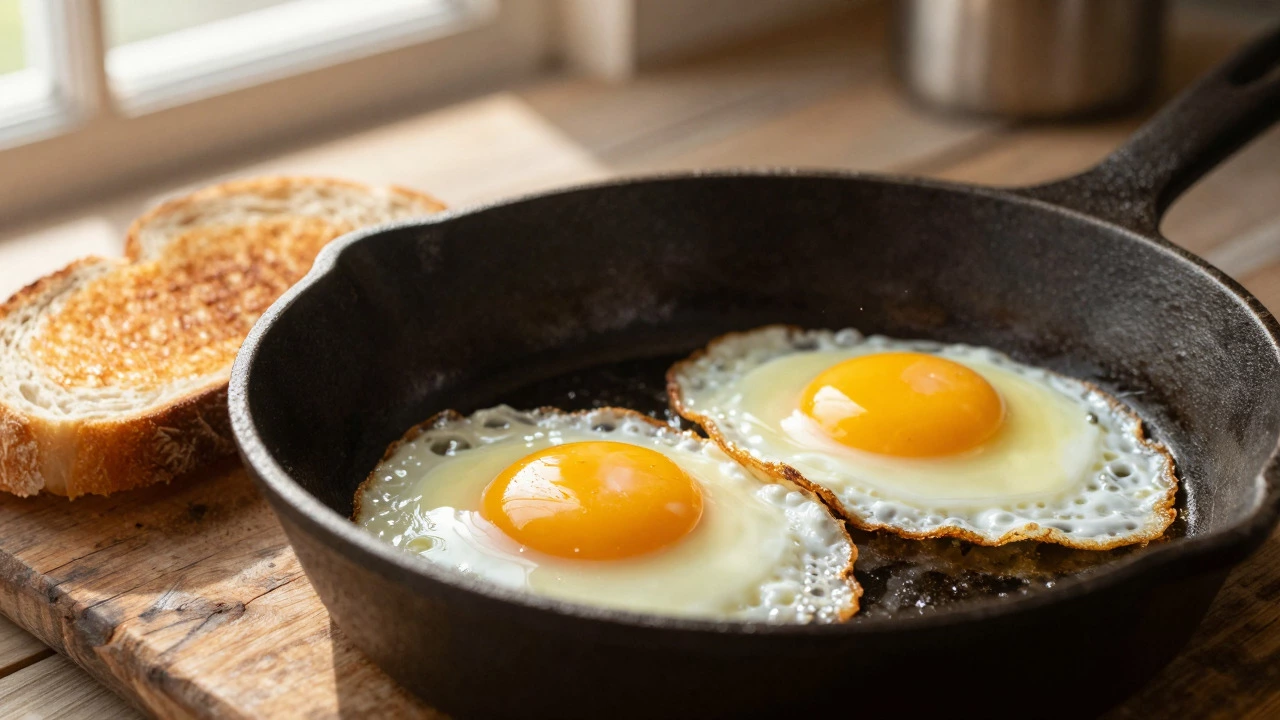
You crack two eggs into the pan. They sizzle. You eat them with toast. Simple, right? But later, you wonder: is that enough? If you’re trying to build muscle, lose weight, or just stay healthy on a vegetarian diet, that question hits hard. Two eggs give you about 12 grams of protein. That sounds like a decent start, but it’s not the whole story. The truth is, whether two eggs are "enough" depends entirely on who you are, what your body weighs, and what else you eat throughout the day.
Protein isn’t just one number. It’s a moving target based on your activity level, age, and goals. For some people, two eggs might be a significant chunk of their daily needs. For others, it’s barely a snack. Let’s break down the math, look at real food options, and figure out how to hit your targets without stress.
The Math Behind Your Daily Protein Needs
First, we need to establish a baseline. How much protein do you actually need? Most health organizations, including the World Health Organization (WHO) and the USDA, recommend a minimum of 0.8 grams of protein per kilogram of body weight for sedentary adults. This is the amount needed to prevent deficiency, not necessarily to optimize performance or muscle growth.
Let’s do the math for an average person. If you weigh 70 kilograms (about 154 pounds), your minimum requirement is roughly 56 grams of protein per day. Two large eggs provide approximately 12.6 grams of protein. That means two eggs cover only about 22% of your daily minimum if you’re inactive. If you’re active, lifting weights, or trying to build lean muscle, experts often recommend 1.2 to 2.0 grams per kilogram. For that same 70kg person, that jumps to 84-140 grams per day. In that scenario, two eggs are just 9% to 15% of your goal.
So, is two eggs a day enough? By itself, no. As part of a balanced diet filled with other protein-rich foods? Absolutely. The key is context. You don’t get all your protein from one meal. You spread it out. Think of protein like fuel for a car. You don’t fill the tank once a week; you top it off regularly to keep running smoothly.
| Activity Level | Recommended Intake (grams/kg) | Total Daily Goal (grams) | % Covered by 2 Eggs |
|---|---|---|---|
| Sedentary | 0.8g | 56g | 22% |
| Moderately Active | 1.2g | 84g | 15% |
| Strength Training/Athlete | 1.6-2.0g | 112-140g | 9-11% |
Why Eggs Are a Powerhouse for Vegetarians
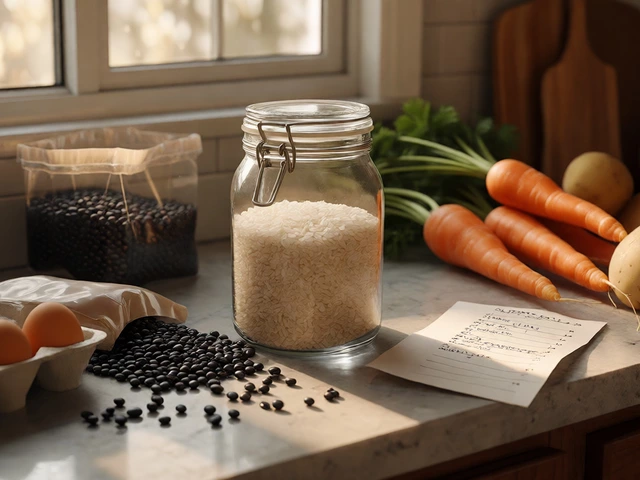
If two eggs aren’t enough on their own, why bother? Because they are high-quality protein. Not all protein is created equal. Animal-based proteins like eggs, dairy, and meat contain all nine essential amino acids your body can’t make on its own. These are called complete proteins. Plant-based proteins, like beans or rice, often lack one or more of these essential building blocks. You have to combine them-like rice and beans-to get a complete profile.
Eggs bypass this complexity. One large egg contains about 6.3 grams of protein, with both whites and yolks contributing. The yolk also holds most of the vitamins and minerals, including Vitamin D, B12, and choline. For vegetarians who don’t eat meat, eggs are one of the few accessible sources of complete protein that doesn’t require complex meal planning to balance amino acids.
Moreover, eggs are highly bioavailable. This means your body absorbs and uses the protein efficiently. Studies show that egg protein has a higher biological value than many plant sources. When you eat two eggs, you’re getting protein that your muscles can actually use for repair and growth. This makes them a strategic choice for anyone looking to maintain muscle mass while reducing meat intake.
Boosting Your Protein Without Meat
Since two eggs alone won’t hit your daily target, you need to stack them with other vegetarian-friendly protein sources. The good news is there are plenty of options. You don’t need supplements or complicated recipes. Just add simple ingredients to your meals.
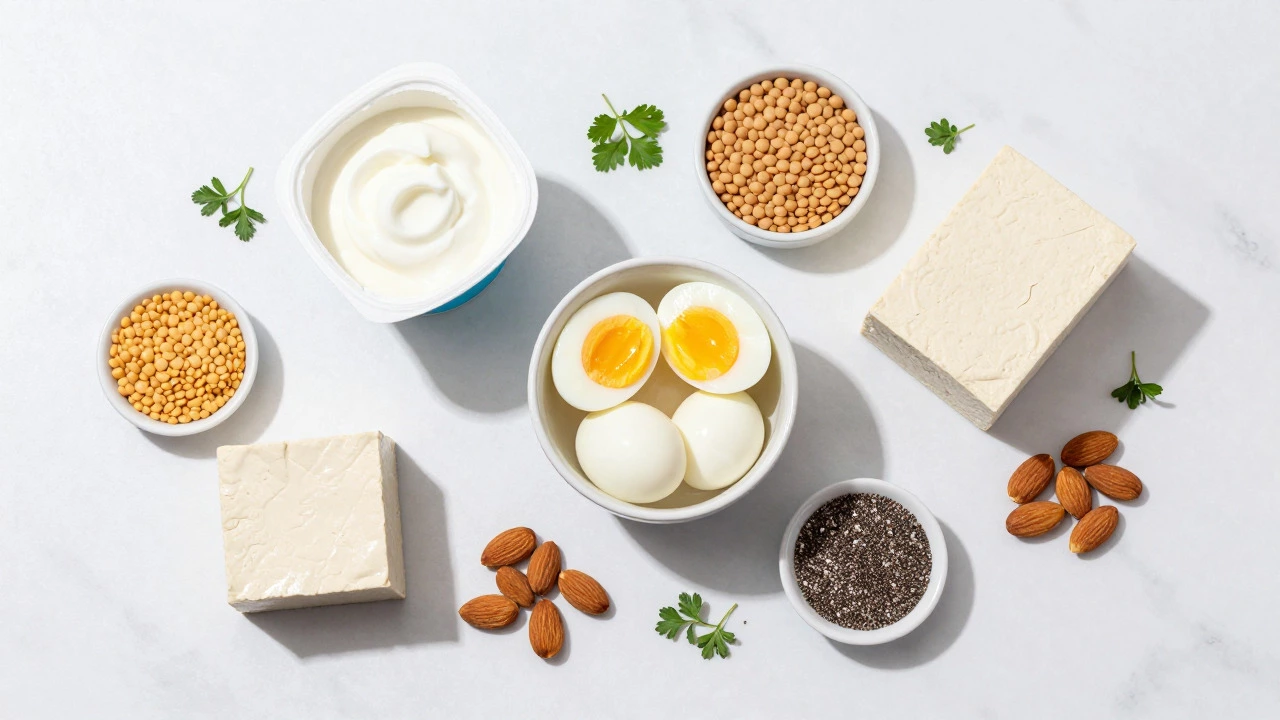
- Greek Yogurt: One cup of plain Greek yogurt provides about 15-20 grams of protein. It’s creamy, versatile, and perfect for breakfast or snacks.
- Lentils: Half a cup of cooked lentils gives you roughly 9 grams of protein. They’re cheap, shelf-stable, and easy to throw into soups or salads.
- Tofu: Firm tofu offers about 10 grams of protein per half-cup serving. It absorbs flavors well, making it a great base for stir-fries or scrambles.
- Nuts and Seeds: Almonds, chia seeds, and hemp hearts pack protein density. A quarter-cup of almonds has about 8 grams. Sprinkle hemp seeds on your oatmeal for an extra boost.
- Cottage Cheese: One cup contains nearly 25 grams of protein. It’s slow-digesting casein protein, which is great for nighttime recovery.
Imagine a typical day. Breakfast: two eggs with spinach and a slice of whole-grain toast. Lunch: a lentil soup with a side of Greek yogurt dip. Dinner: tofu stir-fry with brown rice. Snack: a handful of almonds. Suddenly, you’ve hit 80+ grams of protein easily. The two eggs were the spark, but the rest of the day carried the fire.
Timing Matters: Spreading It Out
It’s not just about the total amount; it’s about when you eat it. Your body can only utilize so much protein at once for muscle synthesis. Research suggests that spreading protein intake evenly across three to four meals is more effective than loading it all into one big dinner. Aim for 20-30 grams of protein per meal.
If you eat two eggs for breakfast, you’re starting strong with 12 grams. Add a glass of milk or a scoop of protein powder to smoothie, and you’re in the 25-gram range. At lunch, pair your salad with chickpeas or cheese. At dinner, include beans or quinoa. This steady stream keeps your blood amino acid levels stable, signaling your body to repair and build tissue continuously rather than in bursts.
For older adults, this timing becomes even more critical. Sarcopenia, the natural loss of muscle mass as we age, can be combated with consistent protein intake. Older bodies are less efficient at processing protein, so they may need slightly higher amounts per meal to trigger the same muscle-building response. Two eggs plus a side of cottage cheese could be a powerful combo for seniors looking to stay strong.
Common Myths About Egg Protein
There’s a lot of noise around eggs. Some people think the yolk is bad because of cholesterol. Others believe you should only eat the white for pure protein. Let’s clear that up.
Myth 1: Yolks raise heart disease risk. Current research shows that dietary cholesterol has a minimal impact on blood cholesterol for most people. The saturated fats in processed meats and fried foods are bigger culprits. Unless you have a specific genetic condition like familial hypercholesterolemia, eating whole eggs is generally safe and healthy. The nutrients in the yolk are worth keeping.
Myth 2: Raw eggs have more protein. False. Cooking denatures the protein, making it easier for your digestive enzymes to break it down. You absorb about 90% of the protein in cooked eggs compared to only 50% in raw eggs. So, always cook them. Scrambled, boiled, poached-it doesn’t matter as long as they’re done.
Myth 3: You need protein powder to hit goals. Not true. While convenient, protein powder is just isolated food. Whole foods provide fiber, vitamins, and minerals that powders lack. If you can plan your meals with eggs, dairy, legumes, and nuts, you rarely need supplements. Save the powder for emergencies or post-workout convenience.
Practical Tips for Hitting Your Goals
Knowing the theory is one thing; doing it is another. Here’s how to make sure those two eggs contribute to a successful day without overcomplicating your life.
- Start with a protein-rich breakfast. Don’t skip it. Eating protein early helps control hunger hormones and prevents mid-morning snacking on junk. Two eggs with avocado and whole-grain toast is a solid foundation.
- Read labels. Many packaged foods claim to be "high protein" but are loaded with sugar. Check the nutrition facts. Look for items with at least 10 grams of protein per serving and low added sugars.
- Prep ahead. Hard-boil a dozen eggs on Sunday. Keep them in the fridge. They’re ready-to-eat snacks that take zero effort. Pair them with hummus or mustard for a quick bite.
- Combine plants wisely. If you’re avoiding eggs sometimes, pair grains with legumes. Rice and beans, bread and peanut butter, hummus and pita. These combinations create complete amino acid profiles.
- Track for a week. Use a free app to log your food for seven days. You might be surprised by how little or how much you’re actually eating. Awareness is the first step to change.
Remember, consistency beats perfection. Missing a day won’t ruin your progress. Overeating protein won’t magically turn you into a bodybuilder. Balance is key. Listen to your body. If you feel tired, weak, or constantly hungry, you might need more fuel. If you feel energetic and strong, you’re likely on the right track.
Special Considerations for Different Diets
Your dietary restrictions shape your options. If you’re lacto-ovo vegetarian, you have eggs and dairy. That’s a wide net. You can use cheese, yogurt, milk, and eggs to meet your needs easily. If you’re vegan, eggs are out. You’ll rely heavily on soy products like tempeh and edamame, seitan, and careful combining of legumes and grains.
For those watching calories, protein is your friend. It’s more satiating than carbs or fats. Eating two eggs and a piece of fruit might keep you fuller longer than a bagel. This helps with weight management without feeling deprived. Protein also has a higher thermic effect, meaning your body burns more calories digesting it compared to other macronutrients.
If you have kidney issues, talk to your doctor. High protein intake can strain compromised kidneys. For healthy individuals, however, there’s no evidence that moderate high-protein diets cause kidney damage. Stay hydrated, and you’ll be fine.
How much protein is in two large eggs?
Two large eggs contain approximately 12.6 grams of protein. Each egg provides about 6.3 grams, split between the white and the yolk. This is a high-quality, complete protein source.
Can I build muscle on a vegetarian diet with eggs?
Yes, absolutely. Eggs provide complete protein with all essential amino acids needed for muscle repair. Combine them with other protein sources like dairy, legumes, and soy, and ensure you’re consuming enough total calories and protein (1.2-2.0g per kg of body weight) to support growth.
Is it better to eat egg whites or whole eggs for protein?
Whole eggs are better for overall nutrition. While egg whites contain slightly more pure protein per calorie, the yolk contains vital vitamins (B12, D, Choline) and healthy fats. The protein in whole eggs is also highly bioavailable. Unless you’re strictly cutting calories, eat the whole egg.
What are good vegetarian protein sources besides eggs?
Great options include Greek yogurt, cottage cheese, lentils, chickpeas, tofu, tempeh, edamame, quinoa, nuts, seeds, and seitan. Combining grains and legumes also creates complete protein profiles.
Do I need protein powder if I eat eggs?
Not necessarily. If you can meet your daily protein goals through whole foods like eggs, dairy, and plants, powder is optional. It’s a convenient tool for busy days or post-workout recovery, but not a requirement for health or muscle building.