The Comfort Food Selector
Select what you are craving right now to find a soul-satisfying classic.
Select options above to get a recommendation.
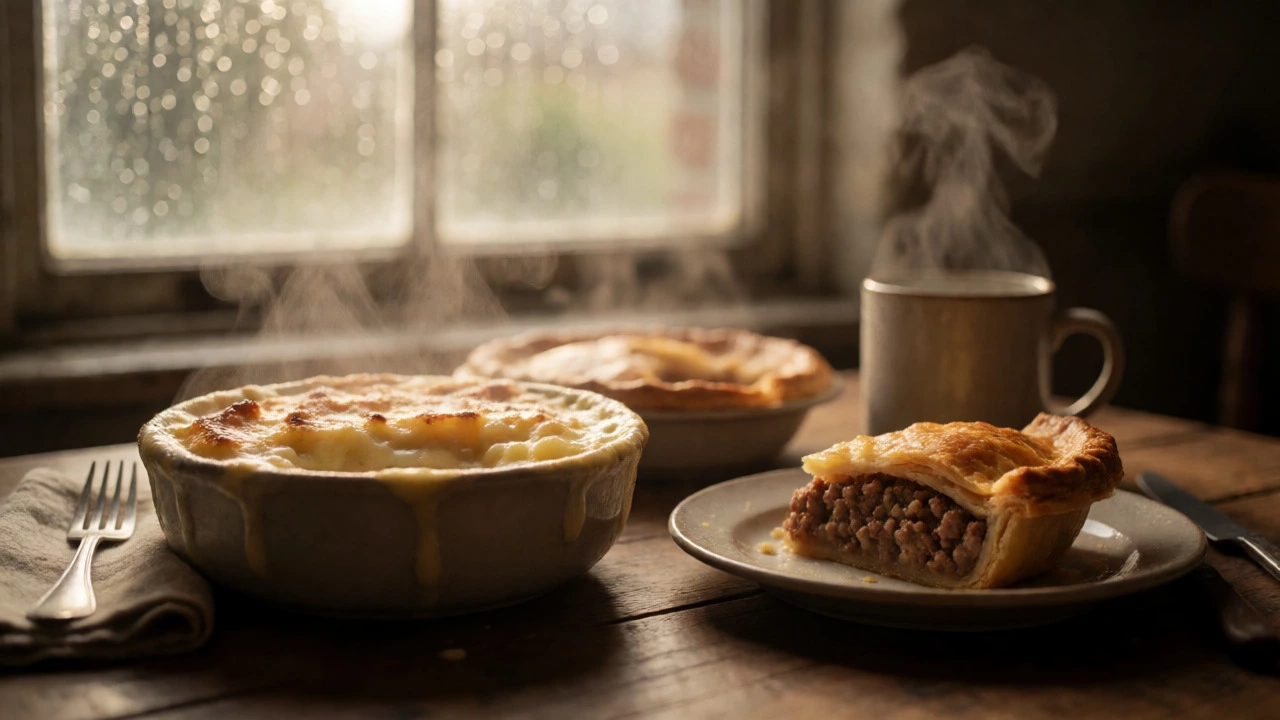
You know that feeling when you come home exhausted, maybe it’s raining sideways in Auckland, and the last thing you want is a complicated salad with kale chips. You want something warm, heavy, and familiar. That’s traditional comfort food. It’s not just about calories; it’s about memory. It’s the smell of your grandmother’s kitchen or the taste of a meal that fixed a bad day when you were ten years old.
But what actually makes food "comforting"? Why does mac and cheese hit different than a gourmet risotto? This isn’t just marketing hype. There’s psychology and history behind why we crave specific dishes. Let’s break down what traditional comfort food really is, where it comes from, and how you can make it right in your own kitchen without needing a culinary degree.
The Psychology Behind the Craving
Think back to your childhood. Did you have a specific dish that appeared whenever you were sick or sad? Maybe it was chicken soup or a simple grilled cheese sandwich. Psychologists call this "emotional eating," but it’s deeper than just stress relief. It’s about security. Comfort food often triggers nostalgia because it links directly to positive social interactions from our past.
Research suggests that people who feel lonely or disconnected are more likely to seek out these foods. It’s a substitute for human connection. When you eat a bowl of creamy potato gratin, you’re not just eating potatoes; you’re eating the safety of being cared for. The texture matters too. Soft, warm, and rich textures mimic the sensation of being held or swaddled. Crunchy, cold, or overly complex flavors rarely provide that same sense of ease.
Defining Characteristics of Traditional Comfort Food
Not every delicious meal qualifies as comfort food. A delicate sushi roll might be your favorite, but it doesn’t usually offer the same emotional weight as a pot roast. To understand the category, look for these three pillars:
- Familiarity: If you have to read the menu twice to understand what you’re ordering, it’s probably not comfort food. These dishes are predictable. You know exactly what you’re getting.
- Warmth: While there are exceptions (like ice cream), most traditional comfort foods are served hot. Heat relaxes muscles and promotes digestion, which physically signals safety to the body.
- Simplicity: These recipes usually rely on pantry staples like flour, sugar, butter, eggs, and basic proteins. They aren’t trying to impress with exotic ingredients like saffron or truffle oil. They aim to nourish.
This simplicity is key. During hard times-whether it’s the Great Depression or a busy work week-people needed meals that could feed a family cheaply and quickly. That historical constraint shaped the cuisine we now consider classic.
Global Variations: It’s Not Just American
When people hear "comfort food," they often think of American classics like fried chicken or mashed potatoes. But every culture has its own version of soul-satisfying meals. In New Zealand, where I live, we have our own take. We don’t always have the exact same dishes as the US or UK, but the principle remains identical.
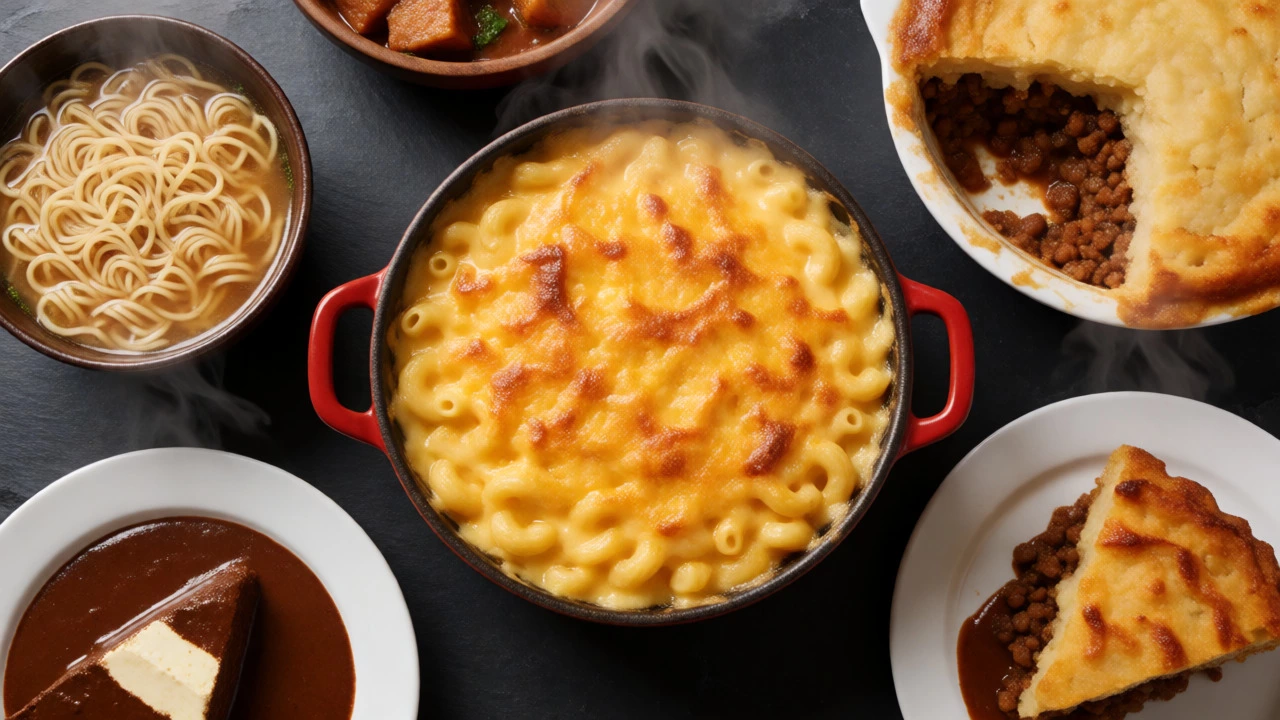
| Region | Dish | Key Ingredient | Emotional Trigger |
|---|---|---|---|
| USA | Macaroni and Cheese | Cheese, Pasta | Childhood school lunches |
| New Zealand | Meat Pie | Puff Pastry, Minced Meat | Road trips, sports events |
| UK | Shepherd’s Pie | Lamb, Mashed Potato | Winter warmth, Sunday dinners |
| Japan | Ramen | Noodles, Broth | Post-work relaxation |
| Mexico | Mole Poblano | Chocolate, Chili | Holiday celebrations |
Notice the pattern? Each dish is tied to a specific context. In Japan, ramen is often eaten after long hours at work because it’s quick, hot, and filling. In the US, mac and cheese is linked to school cafeterias and family gatherings. The location changes, but the function stays the same: to provide immediate physical and emotional satisfaction.
The Role of Carbohydrates and Fats
Let’s talk science for a second. Why do we crave carbs and fats together? Think about a burger with fries or pizza with garlic bread. These combinations are high in energy density. Evolutionarily, humans are wired to seek out calorie-dense foods because they signaled survival. Today, we don’t need those extra calories to survive winter, but our brains still reward us with dopamine when we eat them.
Carbohydrates help produce serotonin, the brain chemical that regulates mood. Eating a bowl of homemade pasta can literally lift your spirits by boosting serotonin levels. Fat adds flavor and satiety, making you feel full and content. When you combine the two, you get a powerful one-two punch against low moods.
This explains why "light" versions of comfort food often fail. Try making a fat-free, low-carb version of lasagna. It might taste fine, but it won’t give you that deep sense of satisfaction. The richness is part of the experience. You don’t have to eat it every day, but denying yourself that occasional indulgence can lead to feelings of deprivation.
How to Make Authentic Comfort Food at Home
You don’t need expensive equipment or rare spices to make great comfort food. In fact, overcomplicating it ruins the vibe. Here’s how to keep it authentic:
- Start with Basics: Use real butter, heavy cream, and good quality cheese. Margarine and skim milk might save calories, but they strip away the soul of the dish.
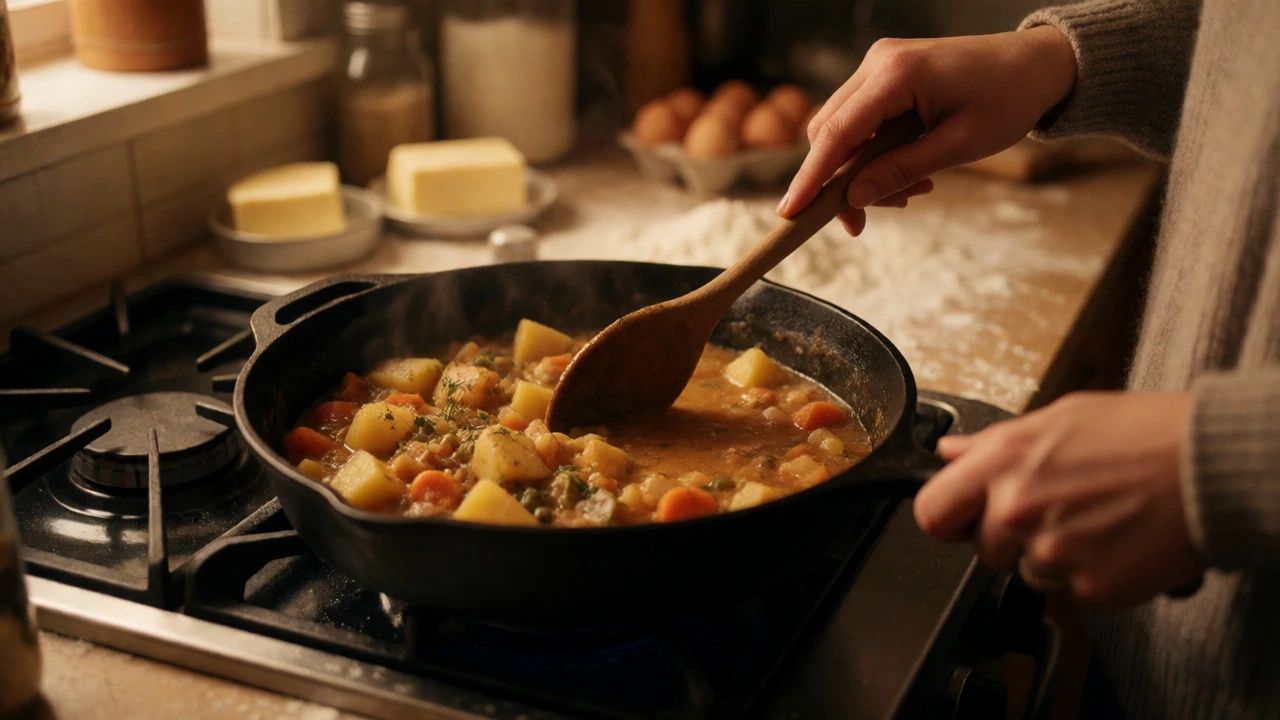
- Slow Down: Many comfort foods benefit from slow cooking. Stews, braises, and casseroles develop deeper flavors over time. If you’re using a slow cooker, let it run all day so the house smells amazing before you even walk in the door.
- Season Generously: Comfort food should taste like home. Don’t be shy with salt and pepper. Taste as you go. If it tastes flat, add acid (like a splash of vinegar) or umami (like soy sauce or Worcestershire).
- Present it Simply: Serve it in a big bowl or on a plain plate. Fancy plating creates distance. You want to dig in immediately, not admire the arrangement.
If you’re new to this, start with a recipe your family already loves. Replicate their methods. Maybe your mom added a pinch of nutmeg to her béchamel sauce. Do that. Those small details are what make the food feel like "home" rather than just a restaurant copy.
Modern Twists Without Losing the Soul
People today are more health-conscious, and that’s okay. You can tweak traditional recipes without losing their essence. For example, if you love macaroni and cheese, try using whole wheat pasta or adding steamed broccoli into the mix. You get the fiber and nutrients while keeping the cheesy goodness.
Another trick is portion control. Instead of serving a massive mound of mashed potatoes, serve a smaller scoop alongside roasted vegetables. You still get the creamy texture and flavor, but you balance the meal. The goal isn’t to eliminate comfort food; it’s to integrate it sustainably into your diet.
Also, consider dietary restrictions. Gluten-free and vegan options have improved significantly. A well-made vegan shepherd’s pie using lentils instead of lamb can be just as hearty and warming. The key is focusing on texture and temperature. Ensure the topping is golden and crispy, and the filling is thick and savory. If it looks and feels comforting, your brain will accept it as such.
Why You Should Embrace Your Guilty Pleasures
We often demonize comfort food because of diet culture. We label it "unhealthy" or "lazy." But labeling food morally good or bad creates anxiety around eating. And anxiety is the opposite of comfort.
Traditional comfort food serves a vital purpose. It connects us to our heritage, soothes our nerves, and brings families together. A shared pot of chili or a tray of brownies can spark conversations and laughter. So, next time you’re tempted to skip the dessert or swap your burger for a salad, ask yourself: What do I need right now? If the answer is warmth and familiarity, go ahead and order the fries. Life is too short for cold, boring meals.
Is comfort food always unhealthy?
Not necessarily. While many traditional comfort foods are high in calories, fat, and sodium, they can be part of a balanced diet. The issue arises when they become the primary source of nutrition daily. Occasional consumption provides psychological benefits and can be enjoyed guilt-free if portions are managed.
Why do I crave sweet things when I'm stressed?
Sugar triggers the release of dopamine and serotonin in the brain, which temporarily improves mood and reduces cortisol levels. Sweet comfort foods like chocolate cake or cookies provide an immediate, albeit short-lived, sense of relief and pleasure during stressful periods.
Can comfort food be vegan or gluten-free?
Absolutely. The essence of comfort food lies in warmth, texture, and familiarity, not specific ingredients. Vegan stews made with root vegetables and rich broths, or gluten-free mac and cheese using cashew cream, can deliver the same emotional satisfaction as traditional versions.
What is the most popular comfort food globally?
While preferences vary by region, rice-based dishes, pasta, and soups are among the most universally recognized comfort foods. Their versatility, ease of preparation, and ability to incorporate local ingredients make them staples across diverse cultures.
Does cooking comfort food help mental health?
Yes, the act of cooking itself can be therapeutic. Following familiar recipes, chopping vegetables, and smelling aromas engage the senses and can reduce anxiety. Additionally, sharing the resulting meal fosters social connection, which is crucial for mental well-being.