Big Family Dinner Planner
Your Dinner Plan
Select a dish above to generate your shopping list and timeline.
There is nothing quite as stressful as looking at a calendar invite that says 'Dinner at our place' and realizing you have to feed eight, ten, or maybe even twelve people. The pressure is real. You want the food to be delicious, you don't want to spend your entire evening trapped in the kitchen, and you definitely don't want to break the bank. So, what actually makes a good big family dinner?
A great big family dinner isn't about fancy plating or rare ingredients. It is about scalable recipes that taste better when made in larger batches, require minimal active cooking time, and can handle diverse dietary needs without turning into a culinary minefield. Whether you are hosting Sunday supper, a holiday gathering, or just trying to get everyone under one roof for a Tuesday night meal, the secret lies in choosing dishes that bring people together rather than driving you crazy.
The Golden Rules of Feeding a Crowd
Before we jump into specific recipes, let's talk strategy. Cooking for four is different from cooking for twelve. If you try to scale up your usual weeknight stir-fry by tripling the recipe, you will likely end up with overcooked vegetables and a wok that is too small to hold everything. Instead, follow these three rules to keep your sanity intact.
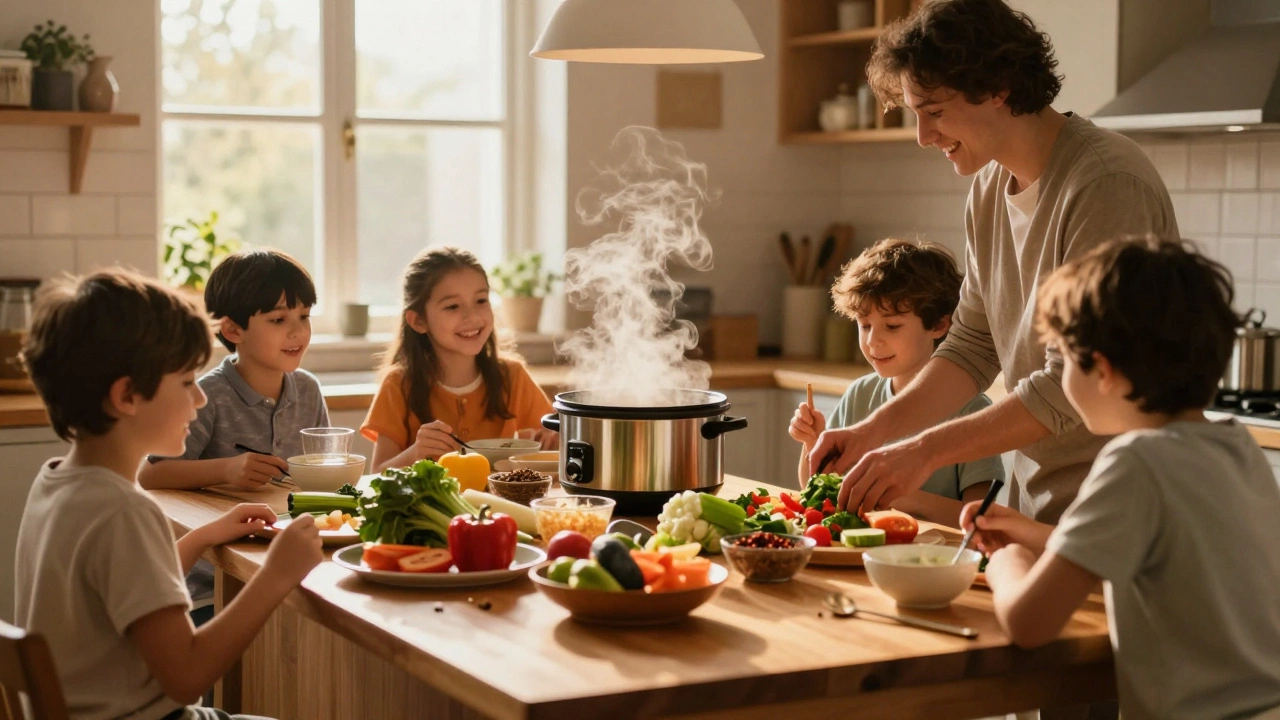
- Choose 'Set and Forget' Methods: Slow cookers, sheet pans, and large roasting trays are your best friends. They allow you to prepare ingredients upfront and let the oven or appliance do the heavy lifting while you mingle with guests.
- Prioritize Flavor Over Complexity: When feeding a crowd, simple flavors often win. A well-seasoned roasted chicken with herbs is more reliable than a complex sauce that might curdle if you add too much liquid. Stick to robust flavors like garlic, rosemary, lemon, and chili that stand up to batch cooking.
- Build a Modular Menu: Don't rely on a single main dish. Think in components: a protein, a starch, and a fresh salad or vegetable side. This approach allows picky eaters to customize their plates and ensures that if one element runs short, the others can fill the gap.
Top 5 Crowd-Pleasing Main Dishes
These recipes are tested favorites because they scale effortlessly. You can double or triple them without changing the cooking technique significantly.
1. Sheet Pan Sausage and Vegetable Roast
This is the ultimate low-effort, high-reward meal. Toss pre-cooked sausages (like kielbasa or Italian sausage) with chunks of potatoes, bell peppers, onions, and zucchini on two large baking sheets. Drizzle with olive oil, sprinkle with dried oregano and thyme, and roast at 200°C (400°F) for 30-40 minutes. The beauty of this dish is that it cooks evenly, requires only two pans to clean, and appeals to both kids and adults. Serve with crusty bread to soak up the juices.
2. Slow Cooker Pulled Pork or Chicken
If you have a slow cooker, use it. Place a whole pork shoulder or several chicken thighs in the pot, cover with BBQ sauce, apple cider vinegar, and brown sugar, and let it cook on low for 8 hours. By dinner time, the meat will shred effortlessly. Serve on buns with coleslaw. This method keeps the meat moist and tender, which is crucial when feeding a large group where some people might eat early and others late.
3. One-Pot Creamy Tuscan Chicken Pasta
Combine chicken breasts, sun-dried tomatoes, spinach, and pasta in a large Dutch oven. Add chicken broth and heavy cream, then simmer until the pasta is al dente and the sauce has thickened. The key here is using a pot large enough to hold all the ingredients without boiling over. The creamy sauce clings to every piece of pasta, ensuring no one leaves hungry. It feels indulgent but comes together in under 40 minutes.
4. Beef and Bean Chili
Chili is naturally forgiving and tastes even better the next day. Brown ground beef or turkey, then add canned kidney beans, black beans, diced tomatoes, onion, garlic, and a blend of cumin, paprika, and chili powder. Simmer for at least an hour to let the flavors meld. Serve with rice, cornbread, or tortilla chips. This dish is also excellent for accommodating vegetarians if you make a separate bean-only batch or offer a vegan chili option.
5. Build-Your-Own Taco Bar
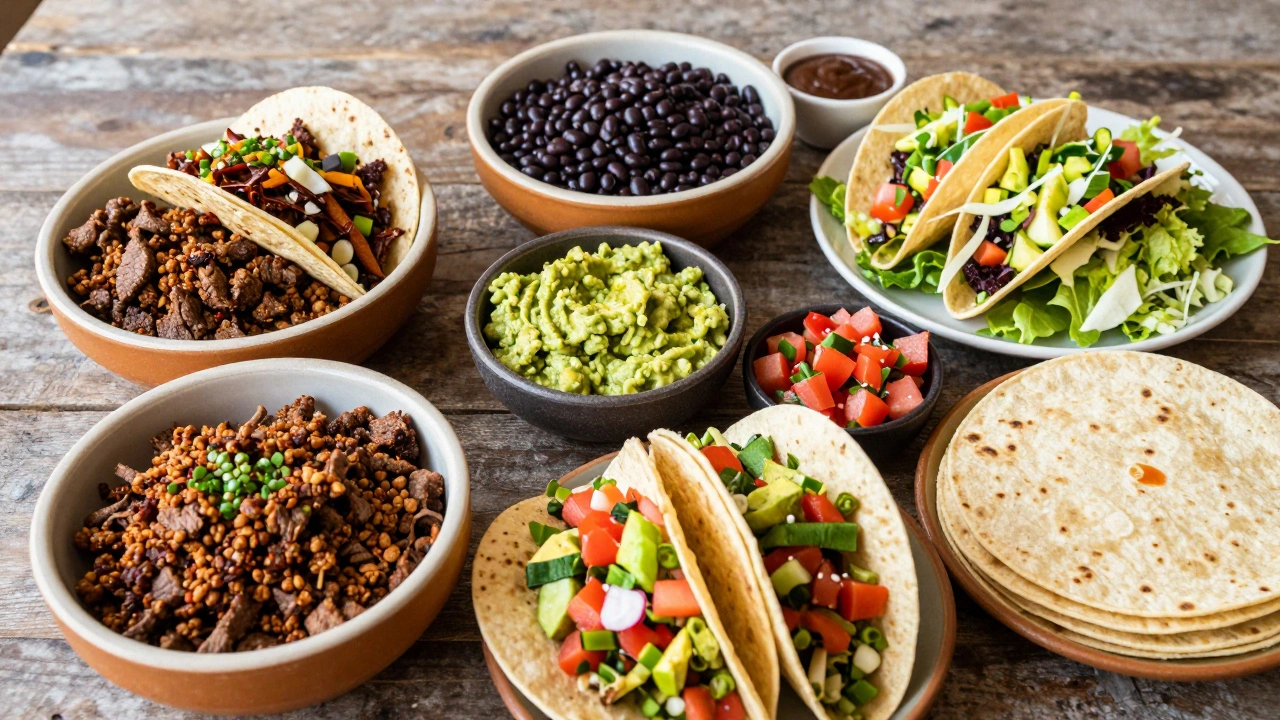
Interactive dining reduces stress because guests serve themselves. Prepare seasoned ground beef, shredded chicken, or black beans in advance. Set out bowls of toppings: salsa, guacamole, sour cream, shredded cheese, lettuce, and diced tomatoes. Provide soft and hard tortillas. This style encourages conversation and movement, breaking up the stiffness of a formal sit-down meal. It also easily handles gluten-free and dairy-free diets by keeping toppings separate.
| Dish Type | Prep Time | Cook Time | Best For | Dietary Flexibility |
|---|---|---|---|---|
| Sheet Pan Roast | 15 mins | 40 mins | Weeknights, casual gatherings | High (add veggies) |
| Slow Cooker Pulled Meat | 10 mins | 8 hours (low effort) | Long days, busy hosts | Medium (sauce dependent) |
| One-Pot Pasta | 10 mins | 30 mins | Kids, comfort seekers | Low (gluten/dairy) |
| Beef Chili | 20 mins | 1-2 hours | Cooler weather, leftovers | High (bean option) |
| Taco Bar | 30 mins | 20 mins | Interactive, mixed diets | Very High |
Sides That Scale Without Stress
A main dish is only half the battle. You need sides that are substantial enough to satisfy hungry adults but simple enough not to distract from the main event. Avoid delicate salads that wilt quickly or steamed vegetables that turn mushy if left sitting out.
Baked Potato Bar: Bake a dozen russet potatoes wrapped in foil at 220°C (425°F) for 60-90 minutes. They keep warm in a low oven for hours. Set out butter, sour cream, chives, cheese, and broccoli. It’s hearty, cheap, and universally loved.
Large Grain Salad: Cook a big batch of quinoa, farro, or couscous. Mix with chopped cucumbers, cherry tomatoes, red onion, feta cheese, and a lemon-olive oil dressing. Grain salads hold up better than leafy greens and can be served cold or at room temperature, which takes pressure off your timing.
Roasted Root Vegetables: While the main dish cooks, toss carrots, parsnips, and sweet potatoes with honey and thyme. Roast them on a separate tray. The natural sweetness pairs well with savory meats and adds color to the table.
Navigating Dietary Restrictions Gracefully
In any large family gathering, you will likely encounter at least one person who is gluten-free, vegetarian, or avoiding dairy. The old way of making separate dishes for everyone is unsustainable. Instead, adopt a 'base plus add-on' strategy.
Start with a naturally gluten-free and dairy-free base, such as grilled chicken strips, roasted vegetables, or rice-based dishes. Then, provide toppings or sauces on the side. For example, if serving pasta, make the sauce dairy-free and offer grated Parmesan in a separate bowl. If making tacos, ensure the seasoning mix has no hidden gluten and serve cheese and sour cream separately. This way, everyone eats from the same spread, fostering inclusivity without requiring you to become a short-order chef.
Always label dishes clearly. A simple card table tent saying 'Gluten-Free' or 'Contains Nuts' prevents anxiety and cross-contamination questions. It shows thoughtfulness and respect for your guests' health needs.
Planning and Timing: The Host's Cheat Sheet
Even the best recipe fails if you are running around like a headless chicken at 7 PM. Here is how to structure your evening for success.
- Shop Smart: Buy ingredients in bulk where possible. Large bags of frozen vegetables, bulk meat packs, and family-sized jars of sauce reduce cost and prep time. Check your pantry first; you probably already have onions, garlic, and spices.
- Prep Ahead: Chop vegetables, marinate meats, and boil grains the day before if possible. Store them in airtight containers in the fridge. On the day of the dinner, your job should be mostly heating and assembling.
- Use Timers: Set timers for every step. Overlooking a pot of boiling water or forgetting to take the roast out of the oven is a common mistake when distracted by guests. Your phone timer is your safety net.
- Keep Drinks Simple: Offer water, iced tea, and perhaps one signature cocktail or mocktail. Complex drink menus create bottlenecks at the beverage station. Pre-mix drinks in pitchers to save time.
- Embrace Imperfection: If the bread burns or the salad is slightly under-dressed, no one will care. They are there for the company. Relax, pour yourself a glass of wine, and enjoy the chaos.
Budget-Friendly Tips for Large Groups
Feeding ten people doesn't have to cost $200. In fact, cooking at home is almost always cheaper than ordering out. To keep costs down, focus on plant-based proteins and seasonal produce. Beans, lentils, and eggs are inexpensive and filling. Stretch expensive meats by using them as part of a larger dish, like adding ground beef to a chili with lots of beans and vegetables.
Buy store-brand staples. There is rarely a noticeable difference in quality between name-brand and generic flour, sugar, pasta, or canned goods. Invest in quality for fresh produce and meat, but save money on shelf-stable items. Finally, plan for leftovers. Big family dinners often result in extra food, which means free lunches for the next few days. Pack them up immediately after dinner to avoid waste.
Creating the Atmosphere
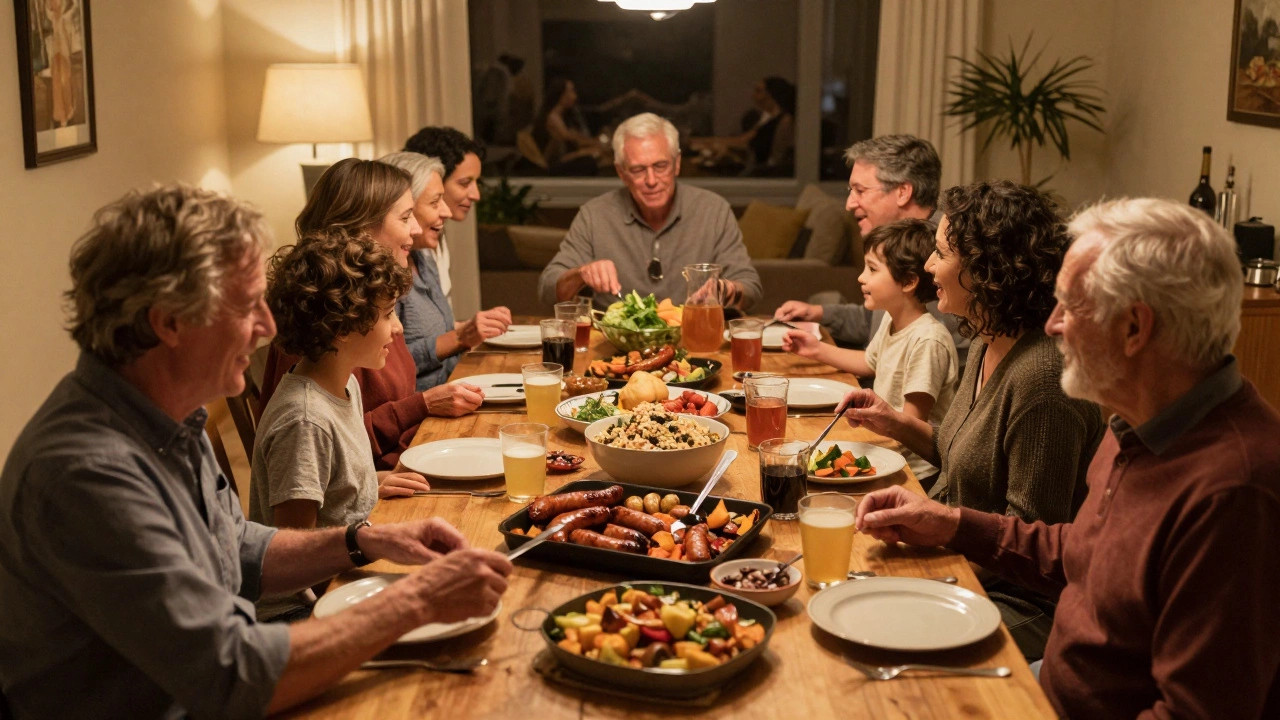
Food is important, but atmosphere matters too. A good big family dinner is about connection. Set the table with cloth napkins if you have them, or use nice paper ones. Play background music at a low volume to encourage conversation. If space allows, set up a buffet-style line so people can grab food and find seats without crowding the kitchen. This flow keeps the evening moving and allows you to join the table sooner rather than later.
Remember, the goal is not perfection. It is presence. A slightly messy kitchen and a plate of simple, well-cooked food shared with loved ones is the definition of a good big family dinner.
How many servings should I plan for per person?
For a main course, plan for approximately 6-8 ounces of protein per adult and 1 cup of starch or vegetables. For appetizers or lighter meals, aim for 3-4 bites per person. Always err on the side of slightly more food, especially if children are present, as they may have unpredictable appetites.
Can I prepare these meals the day before?
Yes, many of these dishes improve with time. Chili, stews, and casseroles benefit from overnight refrigeration as flavors meld. However, avoid preparing salads or crispy fried foods ahead of time, as they lose texture. Cook grains and chop vegetables in advance, but assemble the final dish closer to serving time.
What is the easiest meal to cook for 15+ people?
A taco bar or a large pot of chili is typically the easiest. These dishes require minimal active cooking time, can be kept warm in slow cookers, and allow guests to serve themselves. Sheet pan meals are also excellent for large groups because they maximize oven space and require little stirring or monitoring.
How do I keep food warm without drying it out?
Use slow cookers set to 'warm' for saucy dishes like chili or pulled pork. For dry dishes like roasted vegetables or meats, cover loosely with aluminum foil and place in a low oven (around 150°C or 300°F). Avoid leaving food uncovered on the counter for more than two hours for safety reasons.
Is it better to serve buffet-style or plated?
Buffet-style is generally better for large families. It reduces the host's workload, accommodates different dietary needs easily, and allows guests to control portion sizes. Plated service requires precise timing and more staff or helpers, which can increase stress for the host.