Lazy Cooking Method Selector
Choose your cooking style based on your available time and effort level to get a customized lazy recipe with step-by-step instructions.
Sheet Pan Dinner
One tray, minimal cleanup, balanced nutrition
- Single pan cleanup
- Customizable proteins
- Baked perfection
Dump & Go
Set it and forget it, come home to dinner
- No active cooking
- Canned ingredients OK
- Rich flavors develop
Microwave Magic
Fastest method, perfect for tired nights
- Lightning fast
- Frozen veggies work
- Steam without water
Assembly Line
No cooking required, just put together
- Zero heat needed
- Pre-made components
- Infinite variety
Ingredients Needed:
Tools Required:
It’s 7:30 PM. You’ve had a long day. The idea of chopping vegetables, washing pots, and standing over a hot stove feels less like dinner and more like a second job. Sound familiar? You aren’t alone. In fact, the rise of "lazy cooking" isn’t just about being unproductive; it’s about optimizing your energy for things that matter more than scrubbing pans.
Cooking when you’re tired doesn’t mean resorting to instant noodles or cold pizza (though we don’t judge). It means using smart strategies, minimal tools, and forgiving ingredients to create meals that taste great without draining your willpower. This guide breaks down exactly how to cook if you’re lazy, focusing on efficiency, flavor, and zero guilt.
The Philosophy of Lazy Cooking
First, let’s redefine what "lazy" means in the kitchen. It’s not about neglecting nutrition or hygiene. It’s about efficiency. Lazy cooking is the art of getting maximum result with minimum input. Think of it as hacking your dinner routine.
The core principle here is decision fatigue reduction. Every choice you make while hungry-what to buy, what to chop, what to season-drains your mental battery. Lazy cooking removes choices before you even start. It relies on systems, not willpower. When you systematize your cooking, you stop asking "What should I eat?" and start executing a plan that requires almost no brainpower.
This approach also embraces imperfection. A slightly burnt edge on a chicken thigh? Fine. Overcooked rice? Add broth and call it risotto-style. The goal is nourishment and satisfaction, not Michelin-star precision. By lowering the stakes, you remove the anxiety that often makes people skip cooking altogether.
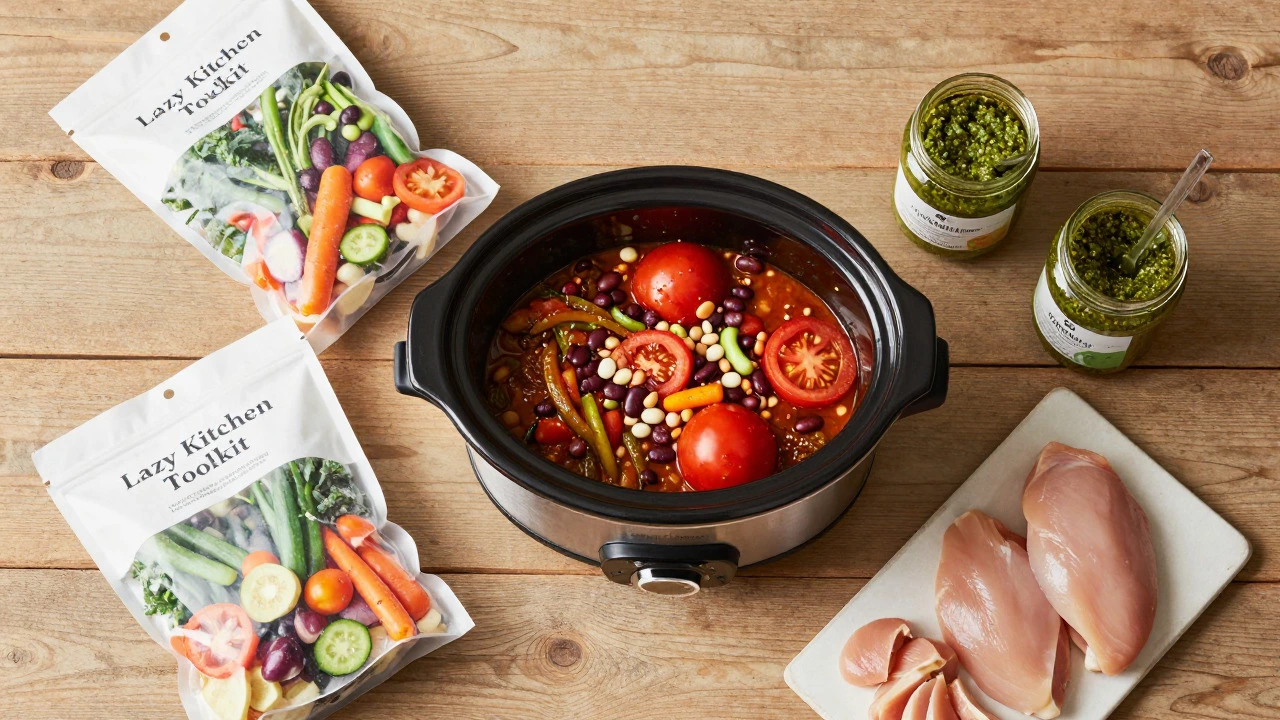
Your Lazy Kitchen Toolkit
You don’t need a fully equipped professional kitchen. In fact, fewer tools mean less cleaning. Here are the essential items that make lazy cooking possible:
- Sheet Pan: The holy grail of lazy cooking. Toss everything on it, bake, and wash one tray.
- Microwave: Often mocked, but incredibly efficient for steaming veggies, heating leftovers, and cooking potatoes in minutes.
- Slow Cooker or Instant Pot: Set it and forget it. Dump ingredients in the morning, come home to dinner.
- Pre-cut Vegetables: Yes, they cost more per pound, but you’re paying for time. If you hate chopping, this is non-negotiable.
- High-Quality Sauces: Pesto, teriyaki, marinara, or chimichurri. These add complex flavor instantly without making your own from scratch.
Investing in these few items pays off immediately. A good sheet pan can handle proteins and vegetables simultaneously. A microwave can steam broccoli in three minutes flat. The key is to have tools that do multiple jobs at once.
The Magic of One-Pan Wonders
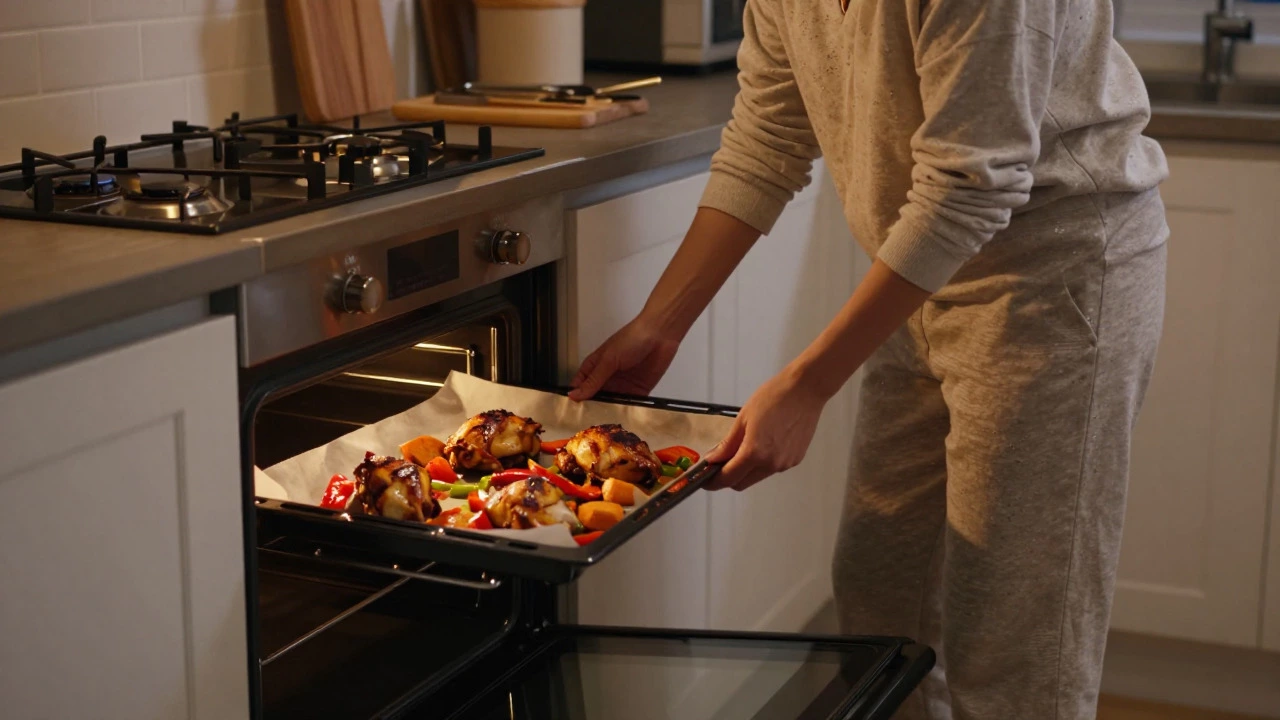
If there is one technique every lazy cook must master, it’s the sheet pan dinner. The concept is simple: cut up protein and vegetables, toss them in oil and seasoning, spread them on a baking sheet, and put them in the oven. Done.
Why does this work so well? Because everything cooks at roughly the same temperature. Root vegetables like sweet potatoes and carrots take longer, so you cut them small. Zucchini and bell peppers cook faster, so you keep them chunky. Chicken thighs or salmon fillets fit right in the middle.
Here’s a foolproof formula for any night of the week:
- Preheat oven to 400°F (200°C).
- Take a sheet pan. Line it with parchment paper for easy cleanup.
- Add 1 pound of protein (chicken thighs, shrimp, tofu, or sausage).
- Add 2-3 cups of chopped vegetables (broccoli, cauliflower, onions, peppers).
- Drizzle with 2 tablespoons of olive oil.
- Sprinkle with salt, pepper, and one strong flavor booster (garlic powder, paprika, or Italian herbs).
- Bake for 20-25 minutes until protein is cooked through.
No stirring required. No multiple pots. Just one tray to wipe down afterward. This method works for breakfast (eggs and veggies), lunch (leftovers), and dinner. It’s versatile, healthy, and requires zero active cooking time once it’s in the oven.
Embrace the "Dump and Go" Method
For days when you truly cannot be bothered to even chop vegetables, the slow cooker or pressure cooker is your best friend. The "dump and go" method involves throwing ingredients into a pot without prepping them extensively.
Consider a classic chili. You don’t need to sauté onions first. You can dump canned beans, canned diced tomatoes, ground beef (or lentils), and a packet of taco seasoning directly into the slow cooker. Let it cook on low for 6 hours. When you get home, you have a rich, flavorful meal that tastes like it simmered all day, even though you spent five minutes preparing it.
Another great option is soup. Combine chicken broth, frozen mixed vegetables, canned chicken, and pasta in a pot. Boil for 10 minutes. Add cheese at the end. You’ve made chicken noodle soup in less time than it takes to order delivery. The trick is to use ingredients that require no preparation: frozen, canned, or pre-cooked.
Smart Shopping for the Lazy Cook
Your grocery shopping habits dictate how easy your cooking will be. If you buy whole chickens and raw grains, you’re setting yourself up for failure on busy nights. Instead, shop with these rules in mind:
- Buy Pre-Cut Meat: Boneless, skinless chicken breasts or thighs are ready to cook immediately. Ground meat is even easier-it browns in minutes and absorbs flavors quickly.
- Frozen Veggies Are Your Friend: Frozen spinach, peas, corn, and mixed vegetables are washed, chopped, and flash-frozen at peak freshness. They often have more nutrients than fresh produce that has sat in transit for weeks.
- Stock Canned Goods: Beans, chickpeas, diced tomatoes, and coconut milk are shelf-stable staples. They add bulk, protein, and creaminess to meals without any effort.
- Use Rotisserie Chicken: Buy a whole roasted chicken from the store. Use the meat for tacos, salads, pasta, or sandwiches throughout the week. Save the carcass for homemade stock if you feel ambitious, or throw it away if you don’t.
By shifting the labor to the grocery store employees and manufacturers, you reclaim your evening. Yes, convenience foods cost slightly more, but calculate the value of your free time. Is an extra $2 worth two hours of leisure? For most people, the answer is yes.
Meal Prep Without the Hassle
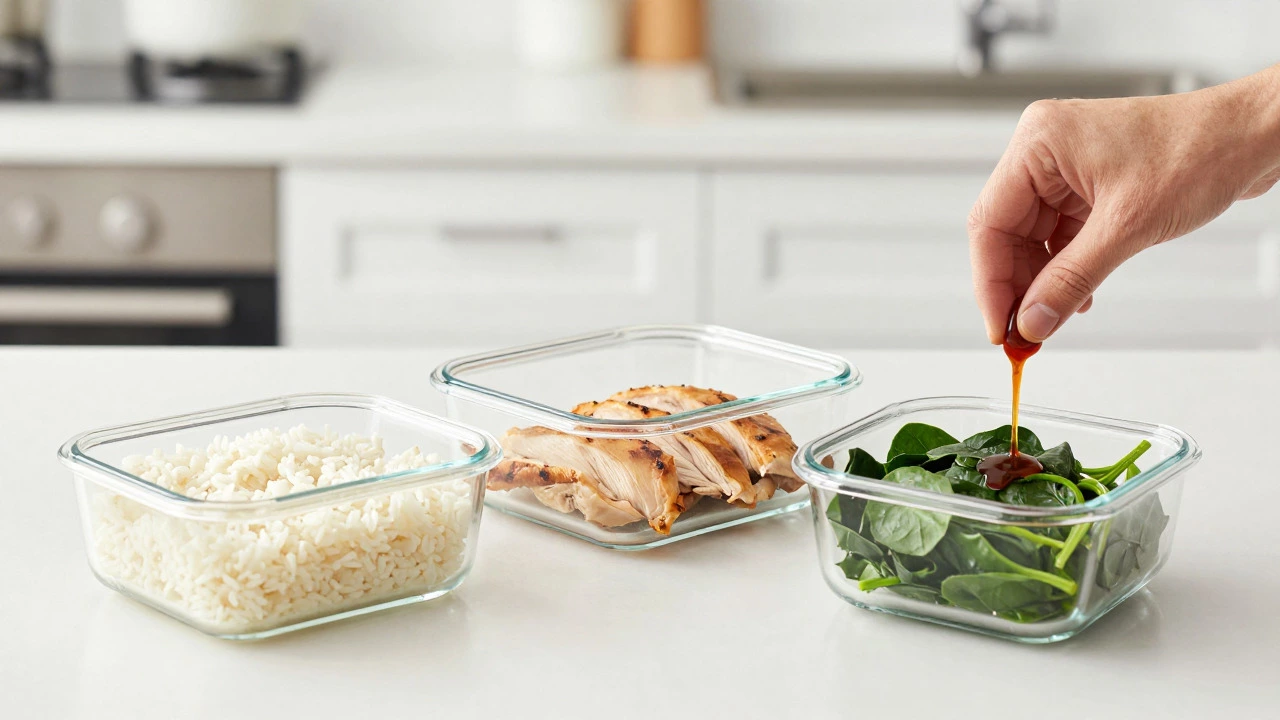
Traditional meal prep involves spending Sunday afternoon cooking six different meals. That’s not lazy. Lazy meal prep is about preparing components, not full meals. This gives you flexibility while reducing daily effort.
Try the "Component Method":
- Grain Batch: Cook a large batch of rice, quinoa, or couscous. Store it in the fridge. It reheats well and lasts four to five days.
- Protein Batch: Roast two trays of chicken or hard-boil six eggs. Keep them plain so you can dress them differently each day.
- Veggie Wash: Wash and dry leafy greens. Store them in a container with a paper towel to absorb moisture. They’ll stay crisp for a week.
On Tuesday night, you grab a handful of greens, scoop some rice, add chicken, and drizzle with pesto. Lunch or dinner is assembled in two minutes. You haven’t cooked, but you’ve eaten well. This strategy prevents the "fridge panic" where you stare into an empty refrigerator at 8 PM wondering what to do.
Flavor Hacks for Minimal Effort
Lazy food doesn’t have to taste bland. The secret is using high-impact ingredients that require no preparation. Salt and pepper are basics, but they aren’t enough. Build a spice rack with these essentials:
- Garlic Powder and Onion Powder: They provide the savory depth of fresh garlic and onion without the chopping or burning risk.
- Smoked Paprika: Adds a bacon-like smokiness to eggs, potatoes, and roasted veggies.
- Chili Flakes or Cayenne: A pinch adds heat and wakes up dull dishes.
- Soy Sauce or Tamari: Instant umami boost for stir-fries, rice, and marinades.
- Lemon Juice: Brightens heavy dishes. Squeeze half a lemon over roasted vegetables or fish right before eating.
Also, don’t underestimate the power of finishing touches. Grated parmesan cheese, fresh cilantro, or a dollop of Greek yogurt can transform a basic dish into something special. These additions take seconds but make a huge difference in perception.
When to Order Out (And How to Make It Healthier)
Even the laziest cooks have nights where nothing works. Maybe you’re too sick, too tired, or just want variety. Ordering out is fine, but you can make it healthier and cheaper with a few tweaks.
Look for restaurants that offer customizable bowls. Grain bowls, salad bars, or build-your-own tacos allow you to control portions and ingredients. Choose grilled proteins instead of fried ones. Ask for sauces on the side to avoid hidden calories and sugar. Share an entrée if portions are large, and save half for lunch the next day.
Alternatively, consider "semi-homemade" options. Buy a frozen pizza crust and top it with your own ingredients. Or order takeout noodles and mix them with leftover vegetables and protein to stretch the meal. Hybrid approaches give you the convenience of delivery with the nutritional benefits of home cooking.
| Method | Effort Level | Time Required | Best For |
|---|---|---|---|
| Sheet Pan Dinners | Low | 10 min prep + 25 min cook | Balanced meals with veggies |
| Dump & Go Slow Cooker | Very Low | 5 min prep + 6-8 hours cook | Stews, chilis, pulled meats |
| Microwave Meals | Minimal | 3-5 minutes total | Quick snacks, reheating, simple sides |
| Assembly Line (No Cook) | None | 5 minutes assembly | Salads, wraps, grain bowls |
Troubleshooting Common Lazy Cook Problems
Even with the best systems, things can go wrong. Here’s how to fix common issues without starting over:
- Food is Bland: Add salt, acid (lemon juice or vinegar), or fat (olive oil or butter). Taste and adjust. Most bland food just needs more seasoning.
- Vegetables are Mushy: Next time, roast them at a higher temperature (425°F) or microwave them for less time. For now, blend them into a soup or mash them.
- Protein is Dry: Slice it thinly against the grain. Serve with a sauce or gravy to add moisture. Pair with creamy sides like mashed potatoes or avocado.
- Rice is Burnt: Don’t scrape the bottom! Transfer the unburnt rice to a new bowl. Place a clean towel over the pot lid and return to low heat for 5 minutes to steam away the burn smell.
Remember, mistakes are part of the process. The goal is progress, not perfection. Each time you cook, you learn what works for your taste and schedule.
Is lazy cooking unhealthy?
Not necessarily. Lazy cooking focuses on efficiency, not junk food. By using whole foods like pre-cut vegetables, lean proteins, and whole grains, you can eat nutritiously with minimal effort. The key is choosing convenient ingredients that are still minimally processed.
What are the best lazy dinner ideas for vegetarians?
Sheet pan fajitas with bell peppers, onions, and tofu cubes are excellent. Another option is a bean and cheese quesadilla made in a skillet. You can also toss canned chickpeas with olive oil and spices, roast them until crispy, and serve over microwaved rice.
How can I reduce cleanup time further?
Use parchment paper for baking sheets and silicone mats for countertops. Cook in one pot or pan whenever possible. If you must use multiple dishes, soak them immediately after eating. Finally, consider using disposable plates for solo meals if you’re truly exhausted.
Can I meal prep on weekends if I’m lazy during the week?
Yes, but keep it simple. Instead of full meals, prep components like washed greens, cooked grains, and chopped veggies. This allows you to assemble different meals each day without repeating the same dish seven times.
What appliances are worth buying for lazy cooking?
A quality sheet pan, a reliable microwave, and a slow cooker or Instant Pot are the top three investments. Air fryers are also popular for quick, crispy results with little oil and easy cleanup.