Global Vegan Staple Explorer
Click on a staple below to see why it dominates global vegan diets.
Rice
Wheat/Bread
Lentils
Bananas
Potatoes
Tofu/Soy
Select a food item above to view details.
You might think the answer to "what is the most eaten vegan food" is some trendy superfood like quinoa or a fancy plant-based burger patty. But if you look at raw consumption data across the globe, the winner is surprisingly humble: rice. It feeds more people on a plant-based diet than any other single item, simply because it’s the base of the plate for billions in Asia and beyond. But rice isn’t the only contender. Depending on where you live, your "most eaten" vegan staple could be bread, beans, or even bananas.
This question isn't just trivia; it reveals how we actually eat. We don't all follow the same Instagram-perfect vegan diet. For a student in London, the most eaten vegan food is probably toast with hummus. For a family in Mumbai, it’s dal (lentils) and roti. Understanding these patterns helps us break out of culinary ruts and discover affordable, nutritious options that are already popular worldwide.
The Global Heavyweights: Rice and Wheat
When researchers from organizations like the FAO (Food and Agriculture Organization of the United Nations) track crop production and consumption, two crops dominate the human calorie intake: cereals. Specifically, Rice and Wheat are the undisputed kings. They are naturally vegan, cheap to produce, and incredibly versatile.
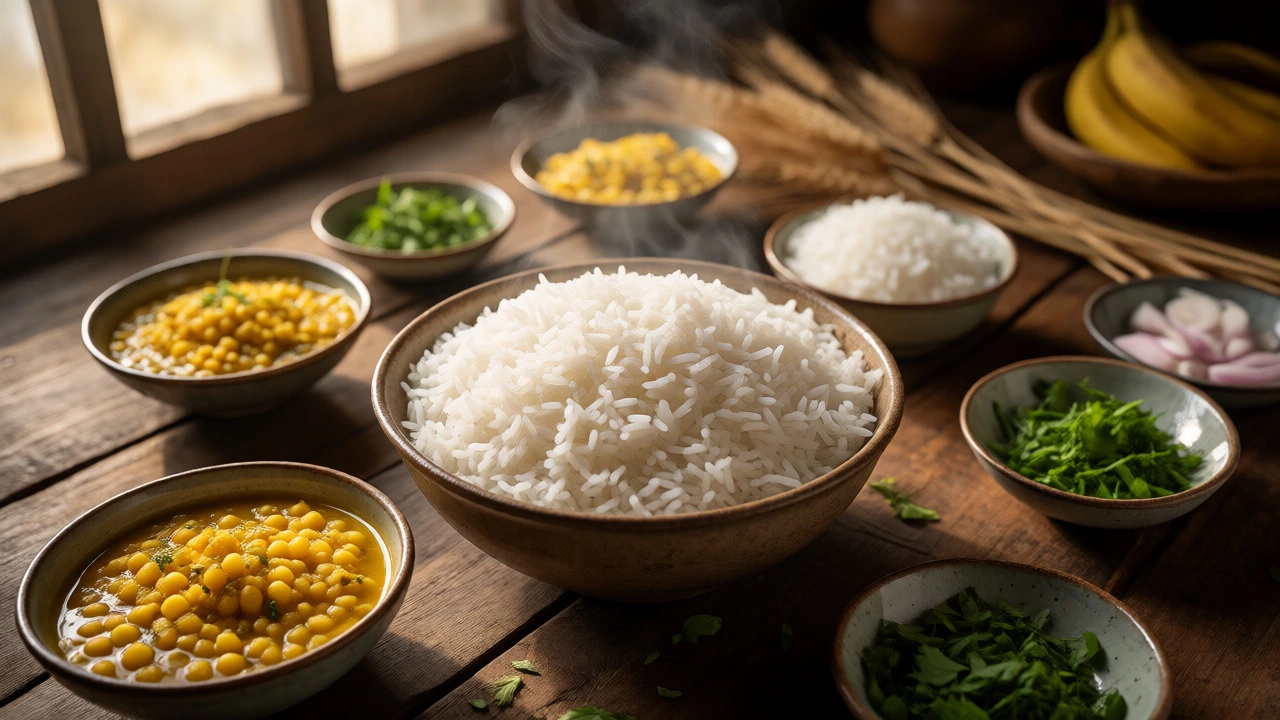
Rice is the primary calorie source for over half the world's population. In countries like China, India, Indonesia, and Bangladesh, meals aren't considered complete without rice. It’s gluten-free, easy to digest, and pairs with almost anything. If you’re looking for the single most consumed plant-based ingredient globally, white rice takes the crown by volume.
Wheat comes in a close second, but it’s rarely eaten as whole grains. Instead, it’s processed into flour, which becomes bread, pasta, noodles, and tortillas. In Western countries, wheat-based products often edge out rice. A sandwich, a bowl of pasta, or a slice of pizza-these are the vehicles for vegan eating in Europe and North America. So, while rice wins globally, wheat might be the #1 vegan food in your local bakery.
Legumes: The Protein Powerhouses
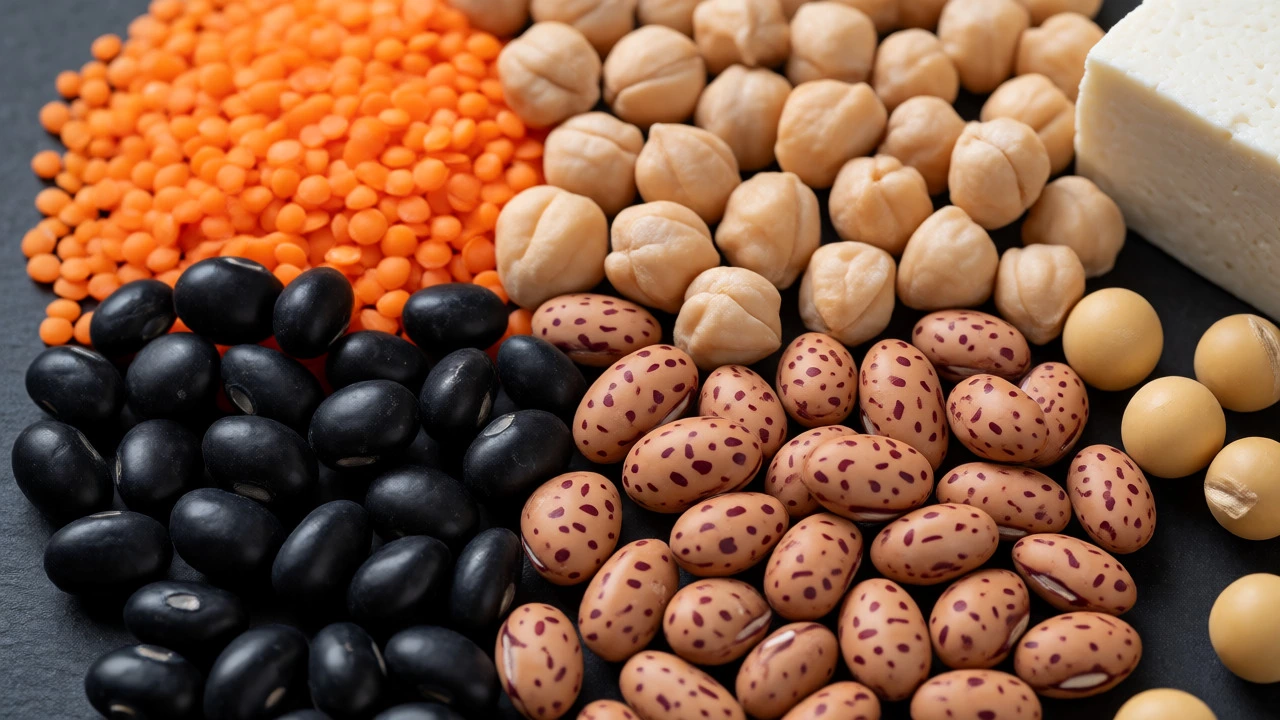
If cereals provide the energy, legumes provide the protein. You can’t talk about the most eaten vegan foods without mentioning Lentils, Beans, and Chickpeas. These three form the backbone of vegetarian diets in South Asia, the Middle East, Latin America, and Africa.
Lentils are arguably the most efficient vegan protein source. They cook fast, require no soaking, and are packed with iron and folate. In India, dhal (a lentil stew) is eaten daily by hundreds of millions of people. It’s not an alternative meal; it’s the main event. Similarly, chickpeas have exploded in popularity due to hummus. Once a niche Mediterranean dip, hummus is now a global pantry staple. The global hummus market was valued at over $3 billion recently, proving that this legume has gone mainstream.
Black beans and pinto beans dominate Latin American cuisine. Refried beans in Mexico or feijoada-style dishes in Brazil show how deeply embedded these legumes are in vegan-friendly traditions. Unlike meat, they don’t spoil quickly and offer a shelf-stable protein source that doesn’t need refrigeration. This practicality makes them a top choice for both wealthy households and those on tight budgets.
Fruits and Vegetables: The Hidden Staples
We often forget that fruits are technically vegan foods. When you strip away the cooking methods, what do people eat most? Bananas. Yes, bananas are one of the most consumed fruits worldwide. They are cheap, portable, nutrient-dense, and require zero preparation. In many tropical regions, bananas are cooked as a vegetable (plantains), adding another layer to their dominance.
Potatoes deserve a special mention too. While botanically a tuber, culinarily they function as a starch similar to rice. French fries, baked potatoes, and mashed potatoes are universal comfort foods. A plain baked potato with chives is a classic vegan meal. Potatoes are grown on every continent except Antarctica, making them truly global. Their versatility allows them to be fried, boiled, roasted, or mashed, adapting to any cultural preference.
Leafy greens like spinach and kale are popular in health-conscious circles, but in terms of sheer volume, cabbage and onions likely beat them. Cabbage is cheap, lasts months in storage, and is central to dishes like sauerkraut, stir-fries, and coleslaw. Onions are the flavor base for almost every savory dish on Earth. You’d struggle to find a vegan curry, soup, or stew that doesn’t start with onions.
| Food Item | Primary Region | Why It’s Popular | Nutritional Highlight |
|---|---|---|---|
| Rice | Asia, Africa, Latin America | Cheap, filling, gluten-free | High Carbohydrates |
| Wheat/Bread | Europe, North America, Middle East | Versatile, ready-to-eat | Fiber (if whole grain) |
| Lentils | South Asia, Middle East | Fast-cooking, high protein | Iron & Folate |
| Bananas | Tropical Regions, Global | No prep, sweet snack | Potassium |
| Potatoes | Global | Comfort food, adaptable | Vitamin C & B6 |
Regional Variations: Where You Eat Matters
Your geography dictates your most eaten vegan food. In the United States, the rise of Oat Milk has changed breakfast habits. Oats used to be porridge; now they’re a beverage. This shift reflects a broader trend toward convenience and dairy alternatives.
In contrast, in Southeast Asia, tofu is far more common than oat milk. Tofu has been a staple for thousands of years. It’s made from soybeans, curdled like cheese. Fresh tofu, fermented tofu, dried tofu-it’s everywhere. For vegans in Japan, Korea, or Thailand, tofu isn’t a substitute for chicken; it’s its own beloved ingredient. It’s high in protein and absorbs flavors beautifully.
Meanwhile, in parts of Eastern Europe and Russia, buckwheat and mushrooms play huge roles. Buckwheat groats are a traditional side dish, rich in minerals. Mushrooms, particularly wild-foraged varieties, serve as umami-rich meat substitutes long before modern fake meats existed. These regional differences highlight that "vegan" isn't a monolith. It’s a collection of local traditions that happen to exclude animal products.
The Rise of Processed Vegan Foods
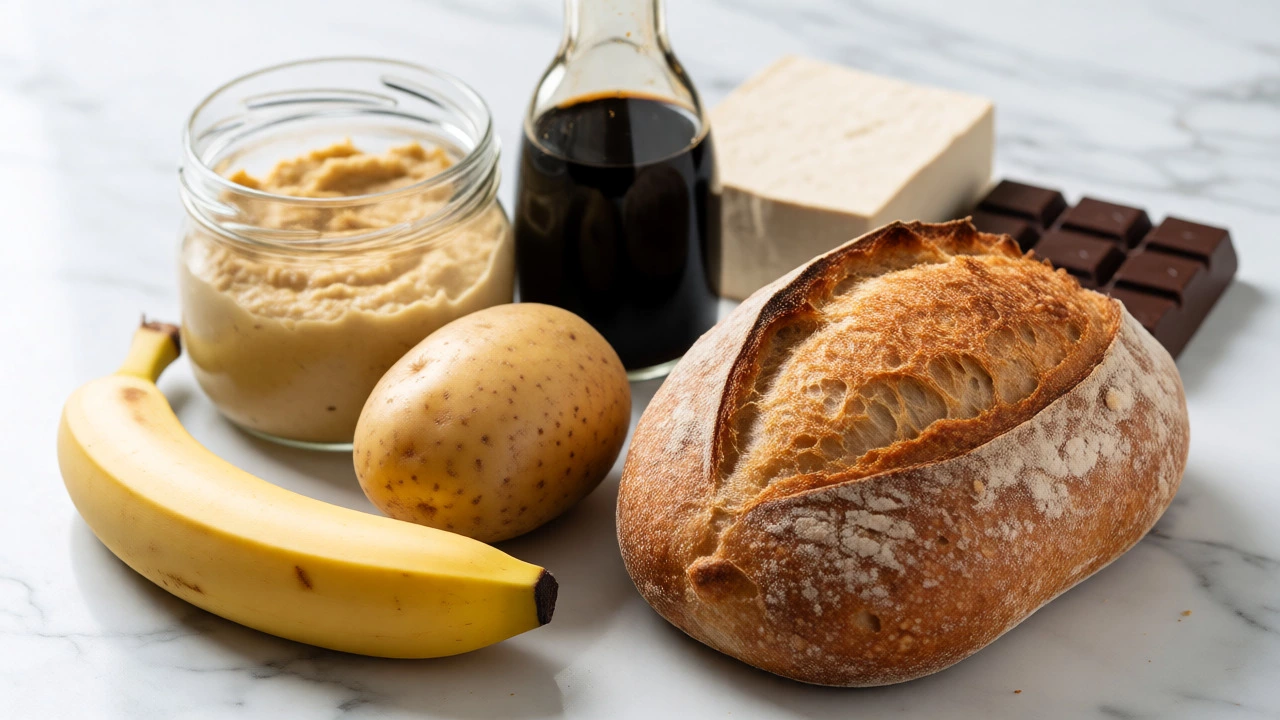
We can’t ignore the elephant in the room: processed vegan junk food. Is a bag of Doritos a vegan food? Technically, yes (in many varieties). Are they the most eaten? Probably not compared to apples, but their consumption is staggering. Plant-based burgers, like those from Impossible Foods or Beyond Meat, have entered the mainstream. They aren't the most eaten yet, but their growth rate is explosive.
Soy sauce is another massive player. It’s liquid gold in Asian cooking and increasingly used globally for umami depth. Derived from fermented soybeans, it’s vegan, low-calorie, and essential for flavor. If you count condiments, soy sauce rivals ketchup in global usage among vegans.
Chocolate also deserves a nod. Dark chocolate, especially varieties with high cocoa content, is often accidentally vegan. Millions of bars are sold annually. It’s a treat, sure, but for many, it’s the primary reason they stick with a plant-based diet during cravings.
How to Use This Knowledge in Your Kitchen
Knowing what the world eats most helps you eat better. If you’re bored with salads, try incorporating more lentils. They’re cheap, nutritious, and historically proven to sustain large populations. Swap your regular pasta for chickpea pasta to boost protein intake without changing your routine.
Don’t overlook simple fruits. Bananas and apples are accessible, affordable, and require no cooking. Keep them visible on your counter. If you rely heavily on bread, experiment with different grains. Try sourdough, rye, or whole wheat to vary your nutrient profile.
Finally, embrace tofu if you haven’t yet. Many people dislike tofu because they cook it poorly. Press it, marinate it, and pan-fry it until golden. Treat it like a sponge for flavor, not a bland block of protein. Once you master tofu, you unlock a vast array of Asian-inspired vegan dishes.
Is rice always vegan?
Yes, plain rice (white, brown, jasmine, basmati) is 100% vegan. It is a seed harvested from grasses. However, watch out for flavored rice mixes or restaurant pilafs, which may contain butter or chicken broth.
Which legume is the most consumed globally?
Lentils are widely considered the most consumed legume globally, particularly in South Asia and the Middle East. Chickpeas and various types of beans (like black-eyed peas and soybeans) follow closely behind depending on the region.
Are bananas a good vegan staple?
Absolutely. Bananas are one of the most consumed fruits worldwide. They are rich in potassium, fiber, and vitamin B6. They require no refrigeration and no cooking, making them an ideal quick-energy snack for vegans.
What is the most popular vegan protein source?
Globally, soy (in forms like tofu, tempeh, and edamame) is the leading plant-based protein source. In Western countries, seitan (wheat gluten) and pea protein are gaining traction, but soy remains the dominant historical and current leader.
Do vegans eat more vegetables than non-vegans?
Generally, yes. Studies suggest vegans consume significantly higher amounts of fruits and vegetables compared to omnivores. This is partly due to necessity (replacing meat with plants) and partly due to health motivations driving dietary choices.