Pasta vs. Rice: The Kitchen Decision Tool
Select Your Priority
Choose the factor that matters most for your current situation.
Recommendation & Data
Whole-Wheat Pasta
The clear winner for health-conscious eaters.
It offers significantly more fiber (6g) and protein (7.5g) than white rice, leading to better satiety and stable blood sugar levels throughout the day.
Nutritional Comparison (Per Cup Cooked)
Here is the truth that most diet trends ignore: neither pasta nor rice is inherently "better" for you. The idea that one grain is a health villain while the other is a hero is mostly marketing noise. What actually matters is pasta, its preparation, and what you put on top of it. If you are standing in your kitchen wondering which carb base will serve your dinner best, the answer depends entirely on your goals, your taste buds, and how much time you have to cook.
We often get trapped in binary thinking when it comes to food. Is white rice bad? Is gluten-free pasta magic? Let’s strip away the fear-mongering and look at the actual data, the texture, and the versatility of these two staples. Whether you are trying to lose weight, build muscle, or just feed a hungry family without spending an hour over a stove, understanding the real differences between wheat-based pasta and rice grains will change how you cook.
The Nutritional Face-Off: Macros and Micronutrients
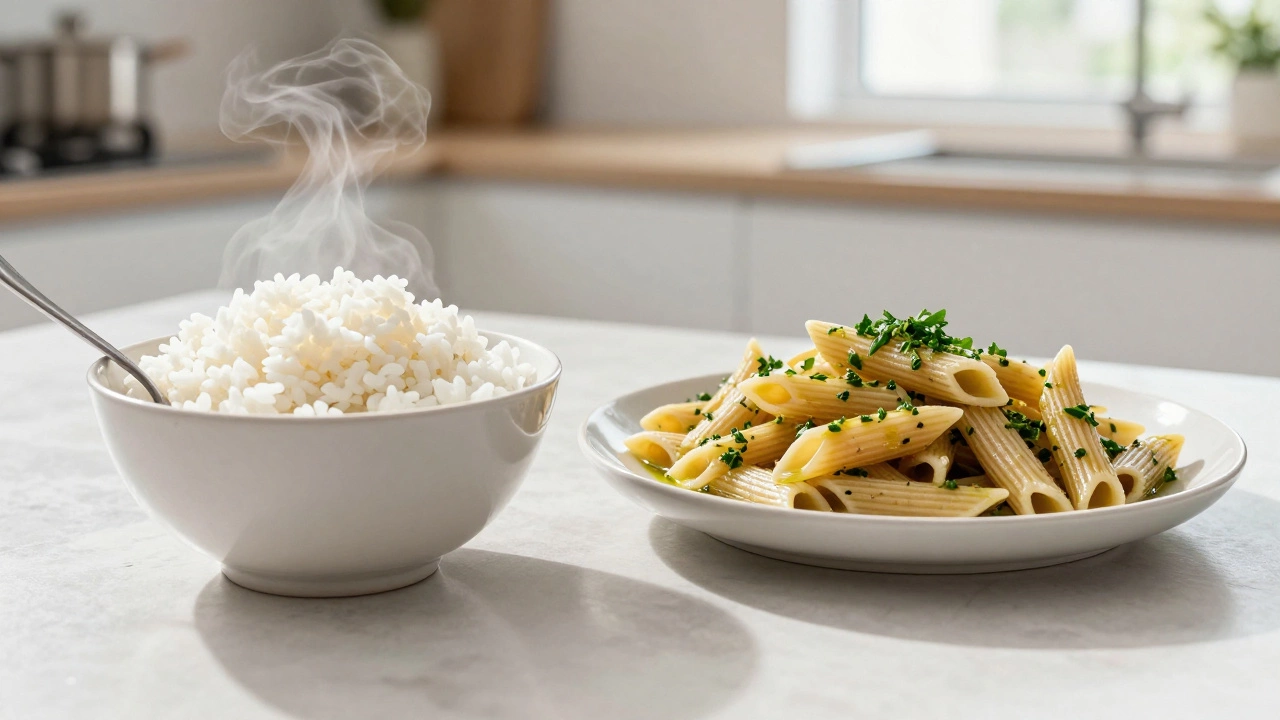
To settle this debate, we need to look at the numbers, but not in a vacuum. A standard cup of cooked white rice contains roughly 205 calories, 45 grams of carbohydrates, 4 grams of protein, and almost zero fat. It is clean fuel. On the other hand, a cup of cooked whole-wheat pasta delivers about 174 calories, 37 grams of carbohydrates, 7.5 grams of protein, and 6 grams of fiber.
See the difference? Pasta, especially the whole-grain variety, naturally packs more protein and significantly more fiber than white rice. Fiber is crucial for satiety-it keeps you full longer-and blood sugar stability. White rice digests quickly, leading to a faster spike in glucose levels. This makes white rice a great option for post-workout recovery when you need quick energy, but less ideal if you are trying to manage insulin levels throughout the day.
However, brown rice changes the equation slightly. Brown rice retains its bran and germ, offering about 3.5 grams of fiber per cup and a better mineral profile, including manganese and magnesium. Yet, even brown rice usually falls short of whole-wheat pasta in terms of pure protein content. If you are vegetarian or vegan, that extra protein from pasta can be a meaningful part of your daily intake without needing heavy meat portions.
| Nutrient | White Rice | Brown Rice | Whole-Wheat Pasta |
|---|---|---|---|
| Calories | 205 kcal | 216 kcal | 174 kcal |
| Carbohydrates | 45g | 45g | 37g |
| Protein | 4g | 5g | 7.5g |
| Fiber | 0.6g | 3.5g | 6g |
| Glycemic Index (Approx.) | High (73) | Medium (68) | Low-Medium (42) |
Gluten, Allergies, and Digestive Comfort
This is where the conversation gets personal. For millions of people, traditional wheat pasta is off the table due to celiac disease or non-celiac gluten sensitivity. In this scenario, rice isn't just "better"; it's necessary. Rice is naturally gluten-free, making it a safe harbor for those with autoimmune reactions to gluten.
But let’s talk about the quality of gluten-free pasta. Many commercial gluten-free pastas rely heavily on rice flour, corn starch, or potato starch. These ingredients are essentially refined carbohydrates, similar to white rice. They lack the structural integrity and protein network that gluten provides. As a result, they can sometimes lead to higher glycemic spikes unless fortified with legumes like chickpea or lentil flour.
If you do not have a gluten intolerance, sticking to high-quality durum wheat semolina pasta is generally superior to eating cheap gluten-free alternatives. Durum wheat has a lower glycemic index because its dense protein structure slows down digestion. So, if your gut handles gluten well, wheat pasta is often the healthier choice compared to highly processed rice-based noodles or white rice.
Culinary Versatility: Sauce Adhesion and Texture
Nutrition aside, cooking is about enjoyment. One of the biggest advantages pasta holds over rice is sauce adhesion. The rough surface of dried spaghetti or penne grabs onto tomato sauces, creamy Alfredo, or oil-based aglio e olio. Rice, being smooth and separate, tends to slip under sauces rather than hold them. You end up eating the rice first, then chasing the sauce around the bowl.
This mechanical difference influences flavor perception. When every bite of pasta carries the sauce, you perceive the meal as richer and more satisfying. This allows you to use less sauce overall while still feeling fulfilled. With rice, you often need more liquid-based accompaniments, like curries or stir-fry gravies, to ensure each grain is coated.
Rice wins on neutrality. Its mild flavor makes it the perfect canvas for bold spices, strong meats, and acidic marinades. It doesn’t compete with the main ingredient. Pasta, particularly whole-wheat or egg-based varieties, has a distinct nutty or rich flavor that can clash with delicate dishes. If you are making a spicy Thai curry or a delicate fish dish, rice might be the better vehicle for the flavors.
Preparation Time and Convenience
In Auckland, where life moves fast, convenience matters. Both pasta and rice are quick, but they require different attention spans. Pasta boils in 8 to 12 minutes. It’s active time-you watch the clock, taste for al dente, and drain. It’s done before you know it.
Rice varies wildly. Basmati or Jasmine rice takes about 15 to 18 minutes. Brown rice can take 40 to 45 minutes unless you soak it overnight or use a pressure cooker. Instant rice exists, but the texture is often mushy. If you are using a rice cooker, the effort is low, but the time commitment remains. For weeknight dinners where you want food on the table in under 20 minutes, pasta is the undisputed king of speed.
Storage also plays a role. Dry pasta lasts indefinitely in a pantry. Dry rice lasts years too, but it’s prone to absorbing moisture and odors if not sealed tightly. Cooked leftovers behave differently as well. Reheated pasta can dry out or become gluey unless reheated with a splash of water or sauce. Reheated rice, however, poses a safety risk if not stored correctly. Bacillus cereus spores can survive cooking and multiply if rice is left at room temperature. Always cool rice quickly and refrigerate within an hour. Pasta doesn’t carry this same bacterial risk, making it safer for casual storage.
Cost and Accessibility in New Zealand
Let’s talk dollars. In New Zealand supermarkets, basic dried pasta is incredibly cheap. A 500g box of generic brand spaghetti often costs less than $2. Rice prices fluctuate more based on origin. Local NZ-grown rice is available but limited in variety. Imported Basmati or Jasmine rice can range from $3 to $8 per kilogram depending on the brand and whether it’s organic or premium.
For budget-conscious families, pasta offers a lower cost-per-serving. You can stretch a small amount of meat or vegetables further with pasta because the volume expands significantly when cooked. Rice also expands, but the calorie density is higher, meaning you might eat a larger portion to feel equally full, driving up the effective cost of the meal.
Which Should You Choose? Practical Scenarios
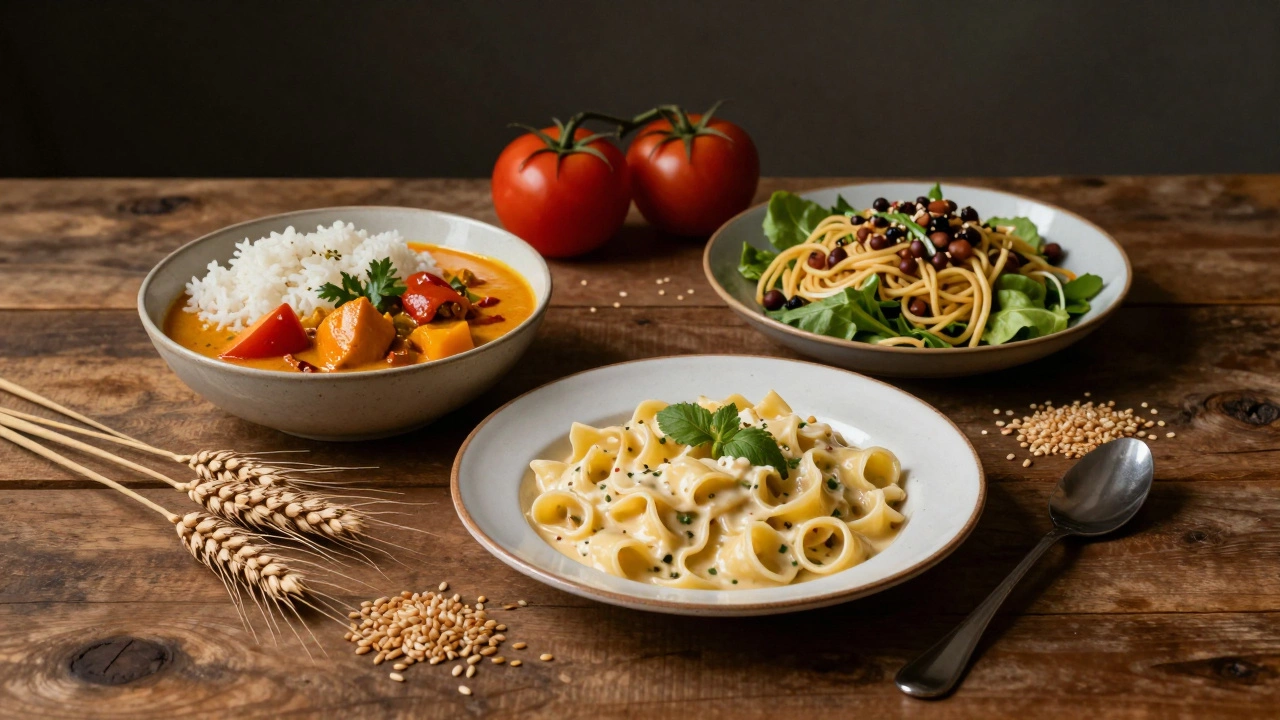
Instead of declaring a winner, let’s match the food to the moment. Here is how to decide based on your immediate needs:
- Post-Workout Refuel: Choose white rice. Its fast-digesting carbs replenish glycogen stores quickly without sitting heavy in your stomach.
- Lunchbox Packing: Choose pasta. Cold pasta salads hold up better than cold rice, which can become hard and chalky. Plus, the higher fiber keeps you full until dinner.
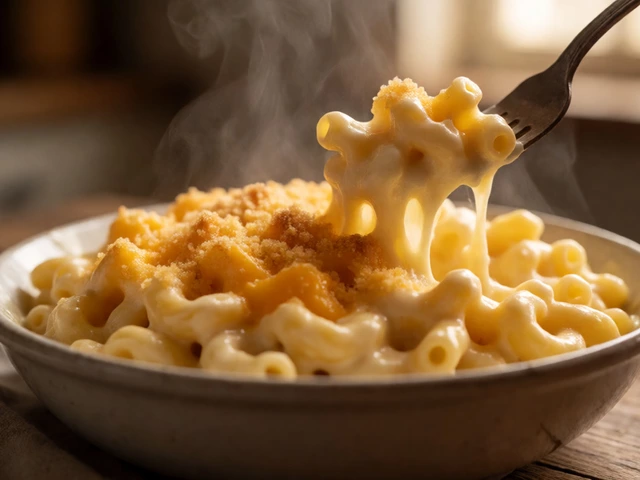
- Comfort Food Night: Choose pasta. The psychological comfort of a warm, saucy bowl of macaroni or bolognese is unmatched by fried rice.
- Spicy Curry or Stir-Fry: Choose rice. The neutral flavor balances heat, and the grains separate nicely in high-heat wok cooking.
- Blood Sugar Management: Choose whole-wheat pasta or legume-based pasta. Pair it with vinegar-based dressings to further blunt the glucose response.
Elevating Your Pasta Game: Beyond Boiling Water
Since we are focusing on pasta recipes, let’s address why so many home cooks struggle with bland results. The secret isn’t the shape; it’s the technique. Most people boil pasta in plain water, drain it, and toss it with sauce. This removes all the starchy water that acts as an emulsifier.
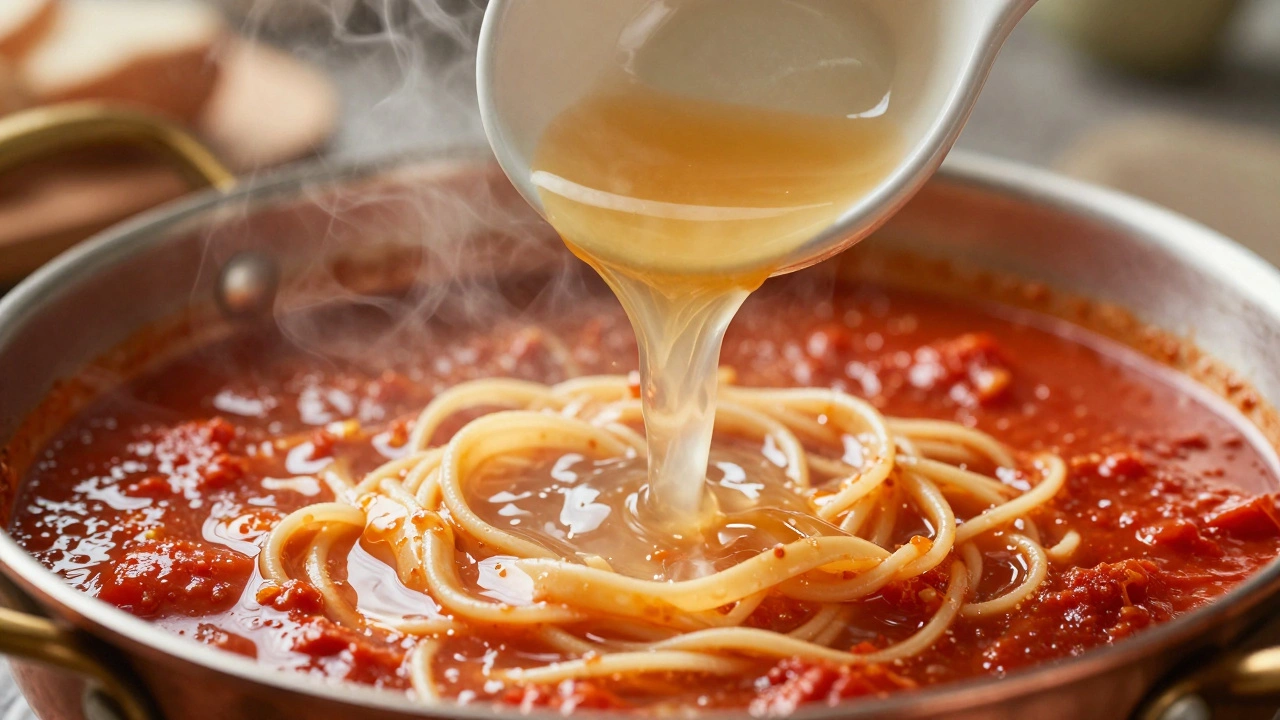
Next time you cook pasta, save a cup of the boiling water before draining. Add a ladle of this starchy water to your sauce when combining them. The starch binds the oil and water in your sauce, creating a glossy, cohesive coating that clings to every noodle. This simple step transforms a dry plate into a restaurant-quality dish.
Also, consider the salt. Under-salting pasta water is a common mistake. The water should taste like the sea-roughly 1 tablespoon of salt per liter of water. This seasons the pasta from the inside out, reducing the need for excessive salt in the sauce later.
Is pasta healthier than rice for weight loss?
It depends on the type. Whole-wheat pasta is generally better for weight loss than white rice because it contains more fiber and protein, which increase satiety. However, portion control is key. A large serving of pasta with heavy cream sauce will hinder weight loss regardless of the grain type. Cooking pasta al dente and cooling it can also increase resistant starch, which may aid metabolism.
Can I substitute rice for pasta in any recipe?
Not seamlessly. While you can swap them in soups or casseroles, rice does not hold thick sauces well. If you replace pasta with rice in a Bolognese, you’ll likely end up with separate layers of sauce and rice. For stir-fries, rice works better. For creamy or tomato-heavy dishes, stick with pasta or use a risotto-style rice like Arborio if you must use rice.
Why does my pasta turn out mushy?
Mushy pasta is usually caused by using too little water, stirring too vigorously (which breaks the strands and releases excess starch), or cooking past the al dente stage. Ensure you have at least 4 liters of water per pound of pasta, stir gently only at the beginning, and check the texture one minute before the package instructions suggest.
Is brown rice better than white rice?
Nutritionally, yes. Brown rice retains the bran and germ, providing more fiber, vitamins, and minerals. However, it has a chewier texture and nuttier flavor that some dislike. It also takes longer to cook. White rice is easier to digest and preferred for certain cuisines, but lacks the micronutrient density of brown rice.
What is the best way to store leftover pasta?
Store leftover pasta in an airtight container in the refrigerator for up to 3-4 days. Toss it with a tiny bit of olive oil to prevent sticking. To reheat, add a splash of water or broth and microwave or pan-fry gently. Avoid freezing sauced pasta if possible, as the sauce can separate and become grainy upon thawing.
Ultimately, the battle between pasta and rice is a false dichotomy. Your body benefits from variety. Rotate them based on season, craving, and nutritional needs. Embrace the heartiness of pasta in winter and the lightness of rice in summer. Cook them well, pair them wisely, and stop worrying about which one is "better." They are both tools in your culinary toolbox, and both can lead to a healthy, delicious life.