Great Depression Budget Meal Planner
Adjust the sliders below to simulate your household size and how many meals per week you want to replace with Depression-era staples (like bean stews, cornbread, and potato soups).
Estimated Weekly Savings
Have you ever looked at your grocery bill and felt a knot in your stomach? You are not alone. But here is the thing: people survived the worst economic collapse in modern history by eating well on almost nothing. That era gave us "Great Depression food." It wasn't fancy. It wasn't gourmet. But it was filling, flavorful, and incredibly smart.
Today, with inflation hitting shelves and prices rising again, we are looking back at these old-school methods. We aren't just talking about history class; we are talking about practical survival skills that work in your kitchen right now. This guide breaks down what defined that era of cooking, why those recipes still matter, and how you can cook like the 1930s without sacrificing taste.
What defines Great Depression food?
Great Depression food is defined by extreme frugality, making use of every part of an ingredient, and relying on cheap staples like flour, potatoes, beans, and canned goods. It emphasizes stretching small amounts of meat or dairy to feed large families.
The Core Philosophy: Waste Nothing, Stretch Everything
To understand Great Depression food, you have to understand the mindset behind it. During the 1930s, money was scarce. A single dollar had to last a week, not a day. The central entity of this culinary era is Frugality, which means getting maximum value from minimum resources.
This wasn't just about buying cheap things. It was about technique. If you bought a chicken, you used every part. The breast might go into a stew. The wings became stock. The feet were boiled for gelatin-rich broth. Even the feathers were saved for pillows. This concept of "nose-to-tail" eating existed long before it became a trendy restaurant term.
Here is how that philosophy translates to today's kitchen:
- Root-to-stem cooking: Carrot tops become pesto. Broccoli stems get peeled and stir-fried. Potato skins stay on for extra fiber and flavor.
- Batch cooking: You didn't cook three times a day. You made one big pot of soup or stew that lasted for days, changing texture and flavor as it sat.
- Preservation: Canning, pickling, and drying were essential. Today, this means freezing leftovers immediately and learning basic preservation techniques to stop waste.
The goal was simple: ensure no calorie went to waste. When you adopt this mindset, your grocery bills drop significantly because you stop throwing away edible parts of your food.
Staples of the Era: What Was Actually on the Table?
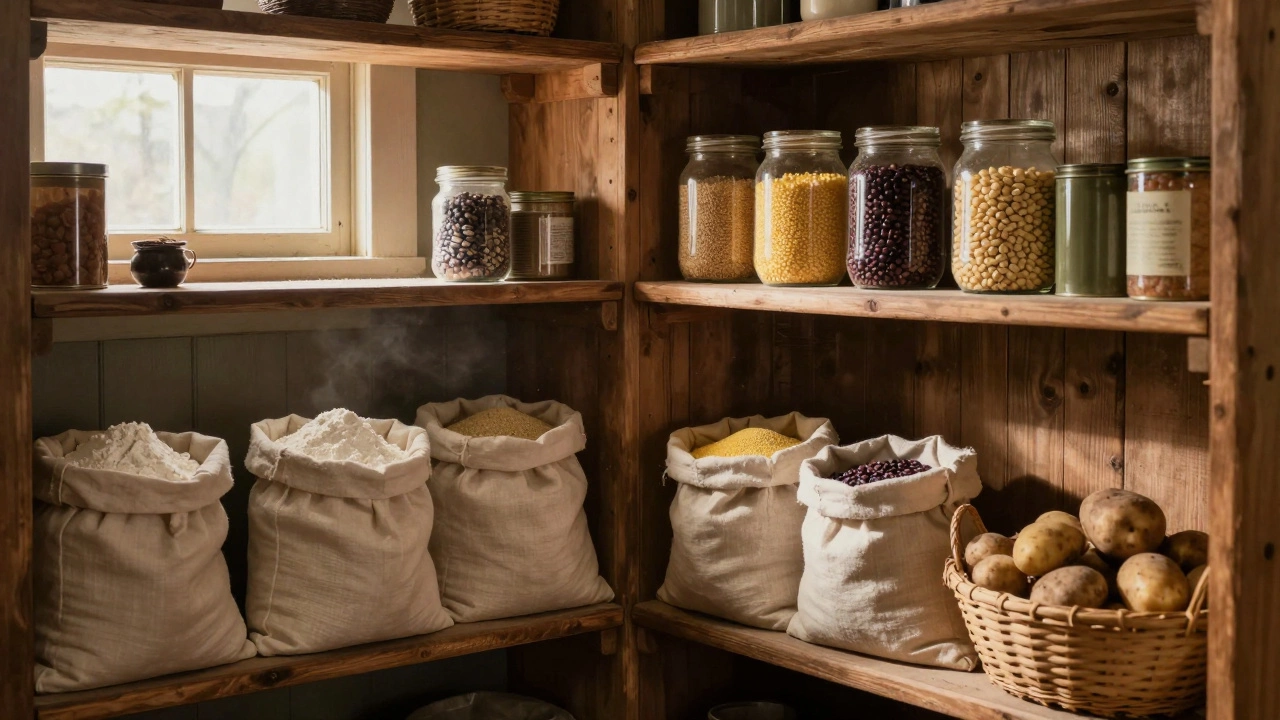
If you walked into a pantry in 1935, you wouldn't find exotic spices or imported ingredients. You would find a very specific set of items that formed the backbone of every meal. These are the primary related entities of Great Depression cuisine.
| Category | Key Ingredients | Why They Were Used |
|---|---|---|
| Grains | Flour, oats, cornmeal, rice | Cheap, shelf-stable, and filling. Flour was used for bread, pancakes, and thickening soups. |
| Vegetables | Potatoes, carrots, cabbage, onions | Grew well in home gardens, stored for months, and provided essential vitamins. |
| Protein | Dried beans, lentils, eggs, peanut butter | Meat was expensive. Beans and eggs provided necessary protein at a fraction of the cost. |
| Fats | Lard, margarine, shortening | Butter was pricey. Lard (pig fat) was often free if you raised pigs, or cheap otherwise. |
| Sweeteners | Sugar, molasses, dried fruit | Used sparingly for morale-boosting desserts like cobblers and pies. |
Notice the pattern? Almost everything could be grown in a backyard garden or bought in bulk for pennies. Potatoes were king. They were cheap, filling, and versatile. You could mash them, boil them, bake them, or fry them. Cabbage was another hero vegetable. It lasted forever in the root cellar and could be fermented into sauerkraut for gut health.
Beans were the protein powerhouse. Without access to affordable meat, families relied on pinto beans, kidney beans, and black-eyed peas. These were soaked overnight and cooked slowly over low heat. The result? Creamy, hearty stews that kept hunger at bay.
Iconic Recipes That Defined a Generation
Some dishes from this era have stuck around because they are genuinely delicious. Others are remembered for their sheer ingenuity. Let's look at a few classics that define Great Depression food.
Hot Water Cornbread
You might think cornbread needs milk, eggs, and butter. Not in the 1930s. Hot water cornbread was exactly what it sounded like: cornmeal, salt, and hot water. Mixed together, poured into a skillet, and baked until crisp. It was dense, slightly tangy, and perfect for soaking up gravy. It taught cooks that you don't need expensive ingredients to make something satisfying.
Creamed Chipped Beef on Toast
Known as "SOS" (Shit on a Shingle) by soldiers later on, this dish started as a way to stretch cheap canned beef. Thin slices of canned corned beef were fried, then mixed with flour, milk, and pepper to create a creamy sauce. Served over white toast, it was rich, salty, and filling. Today, you can recreate this using leftover roast beef or even cheaper ground beef, proving that creativity beats cost.
Potato Soup with Cheese Croutons
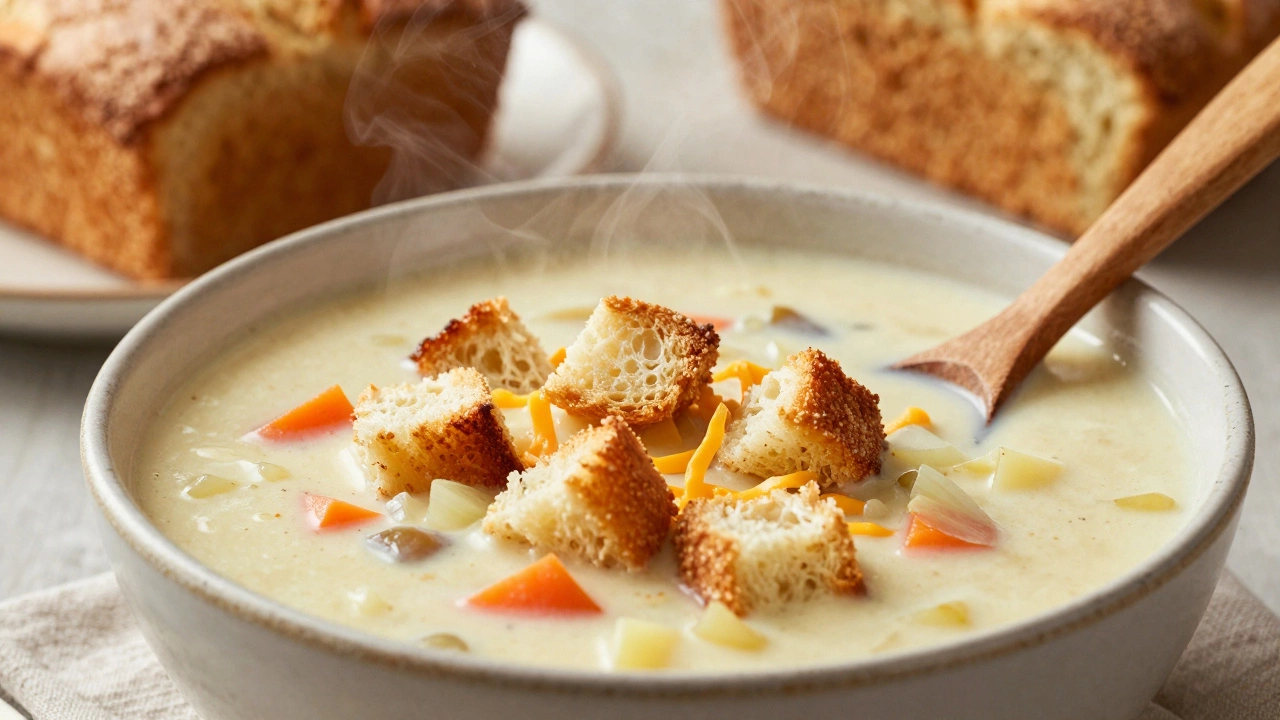
Potatoes were sliced thin and boiled with onion and carrot. Once tender, a little flour and milk thickened the broth. The real trick? Instead of expensive croutons, cubes of stale bread were dipped in beaten egg and fried, then topped with grated cheese. It added crunch and richness without breaking the bank. This recipe is a masterclass in texture contrast using minimal ingredients.
Depression Cake (Wacky Cake)
When eggs and butter vanished from pantries, bakers invented Wacky Cake. It uses vinegar and baking soda instead of eggs, and oil instead of butter. The result is a chocolate cake that is moist, dense, and surprisingly decadent. It proves that dessert doesn't require luxury ingredients to bring joy.
Modern Applications: How to Cook Like the 1930s Today
You don't need to live in a cabin to benefit from these techniques. In fact, applying Great Depression principles to modern cooking can save you hundreds of dollars a year. Here is how to adapt these old ways for your current lifestyle.
1. Embrace the "Second Dinner" Rule
In the past, leftovers weren't just reheated; they were transformed. Roast chicken becomes chicken salad. Chicken salad becomes a sandwich filling. Sandwich crusts become stuffing for turkey. Each step adds new flavors and textures, preventing boredom and reducing waste. Try planning your meals so that dinner Monday feeds lunch Tuesday and dinner Wednesday.
2. Master the Art of Stock
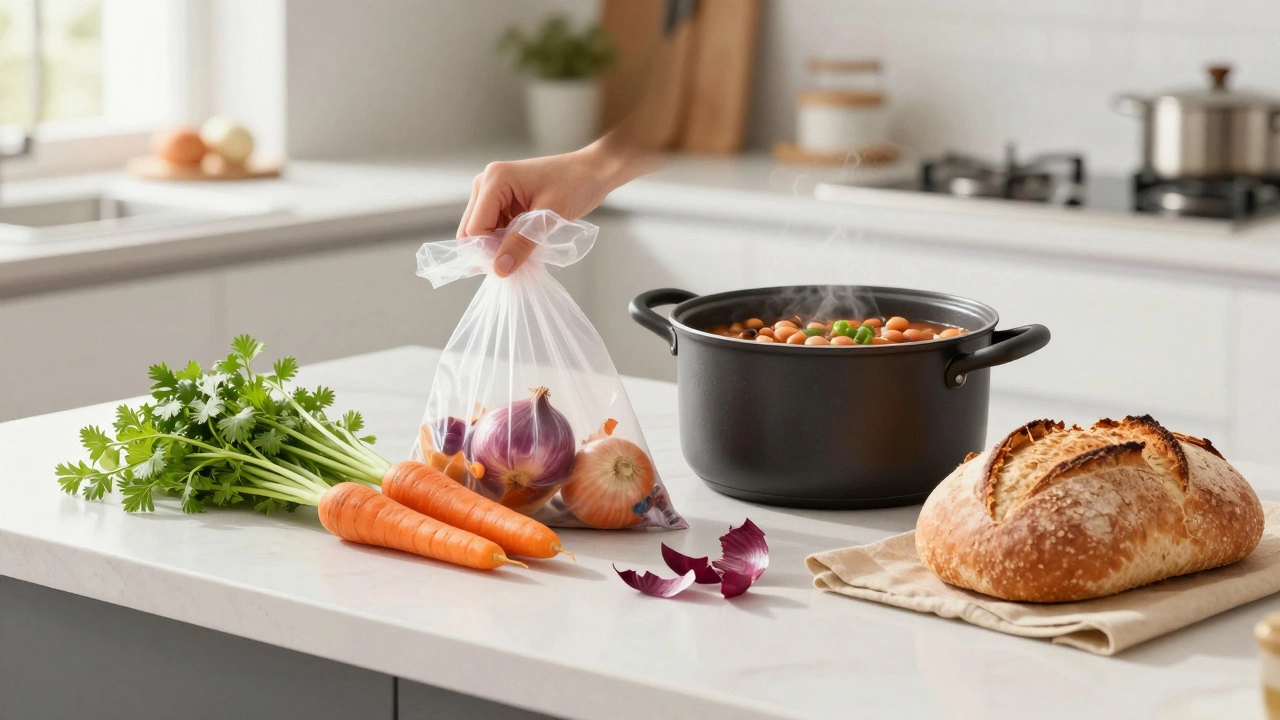
Never throw away vegetable scraps. Keep a bag in your freezer for onion skins, carrot ends, celery leaves, and mushroom stems. Once full, boil them with water for an hour. Strain the liquid, and you have free, flavorful stock. Use it for soups, risottos, or cooking grains. This simple habit elevates cheap ingredients instantly.
3. Buy Dry, Not Canned
Dried beans and lentils cost a fraction of canned versions. Yes, they take longer to cook, but the savings are significant. Soak them overnight, cook them slowly, and season generously. Add a piece of smoked ham hock or bacon for depth if you can afford it, but they are delicious plain too. Store any extras in portions for quick meals later.
4. Grow Your Own Greens
You don't need a farm. A windowsill herb garden or a few pots of lettuce and radishes on a balcony can provide fresh greens all year. These grow fast, cost almost nothing, and add vital nutrients to starch-heavy meals. Even growing sprouts in a jar is a great start.
The Psychological Side of Comfort Food
Food isn't just fuel. It's comfort. During hard times, people craved warmth, familiarity, and sweetness. Great Depression food delivered that through hearty stews, warm bread, and occasional sugary treats. These foods triggered feelings of safety and home.
Today, when stress levels are high, we often turn to processed snacks. But true comfort comes from homemade meals. Making a pot of bean soup or baking a simple cake connects you to generations who faced harder odds. It grounds you. It reminds you that you can create nourishment from simple elements.
Think about the smell of bread baking. It’s primal. It signals safety. When you bake your own bread, even a simple no-knead loaf, you tap into that deep-seated human need for security. That’s why Great Depression food resonates so strongly now. It’s not just about saving money; it’s about reclaiming control over your life through your kitchen.
Common Mistakes to Avoid
While adopting these practices, avoid falling into traps that reduce nutrition or enjoyment.
- Don't cut out protein entirely: Beans and eggs are great, but try to include some lean meat or fish occasionally for complete amino acids.
- Avoid excessive salt: Historically, salt was used heavily for preservation. Today, we have refrigeration. Use herbs, spices, and citrus to flavor food instead.
- Don't ignore variety: Eating only potatoes and beans leads to nutrient deficiencies. Rotate your vegetables and grains to ensure a broad spectrum of vitamins.
Final Thoughts on Frugal Cooking
Great Depression food teaches us resilience. It shows that good meals don't require abundance; they require creativity. By focusing on staples, minimizing waste, and mastering basic techniques, you can eat well regardless of economic conditions. Start small. Make a batch of beans. Bake a loaf of bread. Save your scraps. You’ll find that cooking this way isn't a restriction-it's a liberation.
Was Great Depression food healthy?
It was relatively healthy compared to modern processed diets. It relied on whole grains, vegetables, and legumes. However, it was often low in certain vitamins due to limited variety and high in carbohydrates to provide energy.
What did poor people eat during the Great Depression?
Poor families ate mostly potatoes, cabbage, beans, cornmeal, and cheap cuts of meat like pork belly or organ meats. They supplemented with wild game, fishing, and home-garden produce whenever possible.
How did people stretch meat during the Depression?
They minced small amounts of meat and mixed it with breadcrumbs, oats, or vegetables to extend it. Meat was also used primarily for flavoring stocks and stews rather than as the main component of a dish.
Can I cook Great Depression food without special equipment?
Yes. Most recipes require only a stove, a pot, and a skillet. Many dishes were designed for wood-burning stoves, which meant slow, low-heat cooking-a method easily replicated in modern ovens or slow cookers.
What is "SOS" food?
SOS stands for "Shit on a Shingle," a humorous nickname for creamed chipped beef on toast. It originated in military barracks but has roots in Depression-era frugality, using cheap canned beef stretched with milk and flour.