Vegetarian Protein Snack Planner
Step 1: Set Your Goal
Step 2: Add Snacks
Select items from the guide to build your snack list.
You just finished a workout, or maybe you’re just staring at the clock waiting for dinner. Your stomach is growling, but you know that reaching for a bag of chips will leave you crashing an hour later. You need fuel. Specifically, you need protein. But if you follow a vegetarian diet, finding a snack that actually delivers a solid dose of protein without tasting like cardboard can feel like a treasure hunt.
The good news? The world of vegetarian snacking has changed drastically. It’s no longer about settling for a sad apple with a thin smear of peanut butter. There are dense, satisfying, and genuinely delicious options that pack more protein than many meat-based alternatives. Let’s break down exactly what to eat when you need to hit those macros.
The Power of Edamame: Nature’s Complete Protein
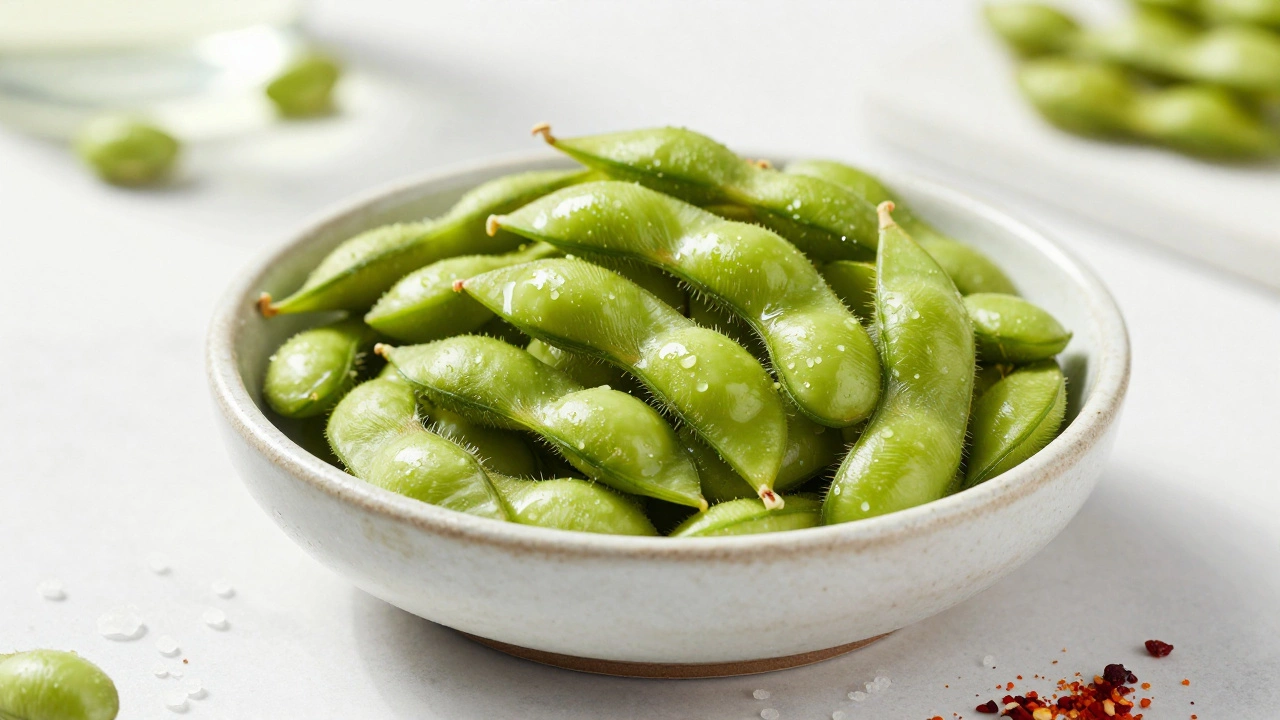
If you want a snack that checks every box-low calorie, high fiber, and complete amino acid profile-you start with edamame. These young soybeans are often overlooked because people think they require cooking from scratch, but you can buy them frozen, shelled, and ready to steam in minutes.
Why are they so special? Unlike most plant proteins, soy is a "complete" protein. This means it contains all nine essential amino acids your body cannot make on its own. One cup of cooked edamame provides roughly 18 grams of protein. That’s a massive amount for a snack that sits around 190 calories. Sprinkle them with sea salt and chili flakes, and you have a savory bite that keeps you full for hours. They are perfect for post-workout recovery because they help repair muscle tissue efficiently.
Is edamame considered a vegetarian food?
Yes, edamame is naturally vegetarian and vegan. It is simply immature soybeans harvested while still green. They contain no animal products unless prepared with non-vegetarian broths or sauces, which is rare for simple snack preparations.
Greek Yogurt: The Dairy Heavyweight
For lacto-vegetarians, Greek yogurt is arguably the easiest way to boost protein intake. The straining process removes much of the whey and lactose, leaving behind a thick, creamy texture that is twice as protein-dense as regular yogurt. A standard 6-ounce serving packs about 15 to 17 grams of protein.
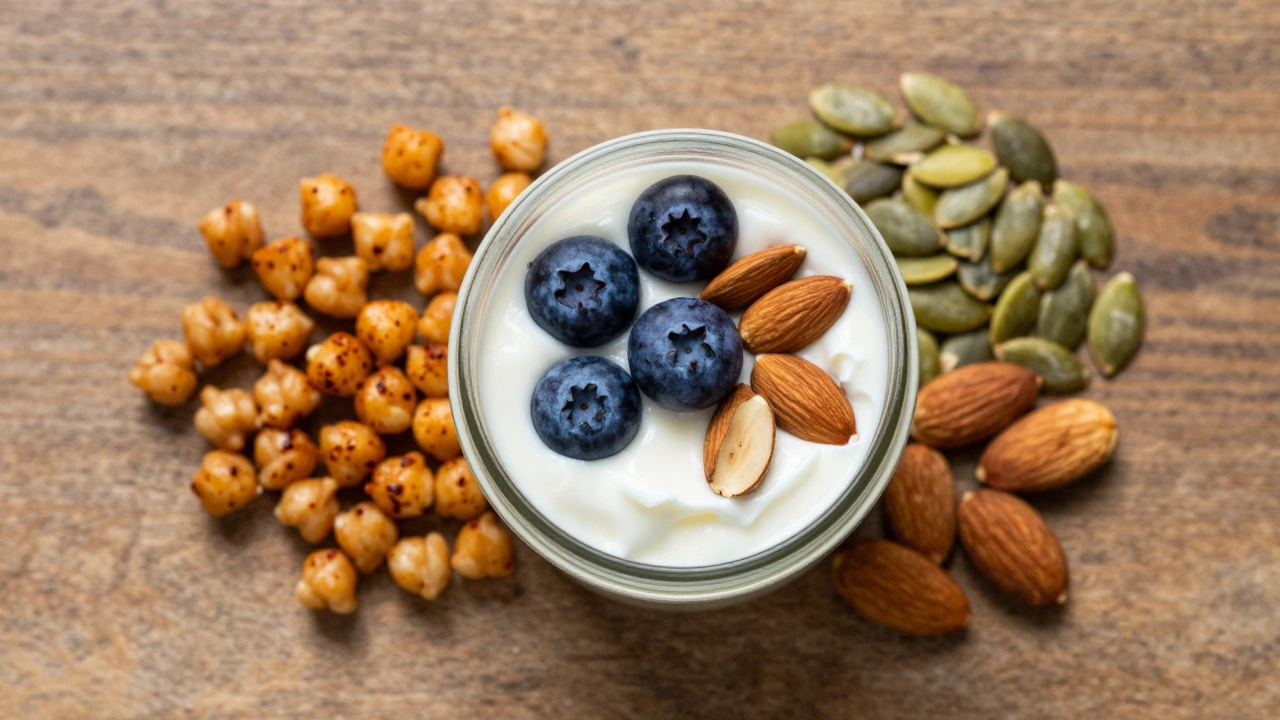
The versatility here is unmatched. You can treat it like a dessert by adding berries and a drizzle of honey, or keep it savory by mixing in cucumber, dill, and a pinch of garlic powder. If you’re watching your sugar intake, opt for plain, unsweetened varieties. Many flavored yogurts hide significant amounts of added sugar, which can spike your insulin levels and counteract the satiety benefits of the protein. Pairing Greek yogurt with a handful of almonds adds crunch and extends the duration of fullness thanks to the added healthy fats.
Cottage Cheese: Don’t Sleep on This Classic
Cottage cheese had a bad reputation for decades, often viewed as bland or unappealing. However, it has made a massive comeback among fitness enthusiasts and nutritionists alike. Why? Because it is loaded with casein protein. Casein digests slowly, providing a steady stream of amino acids to your muscles over several hours. This makes it an incredible snack before bed.
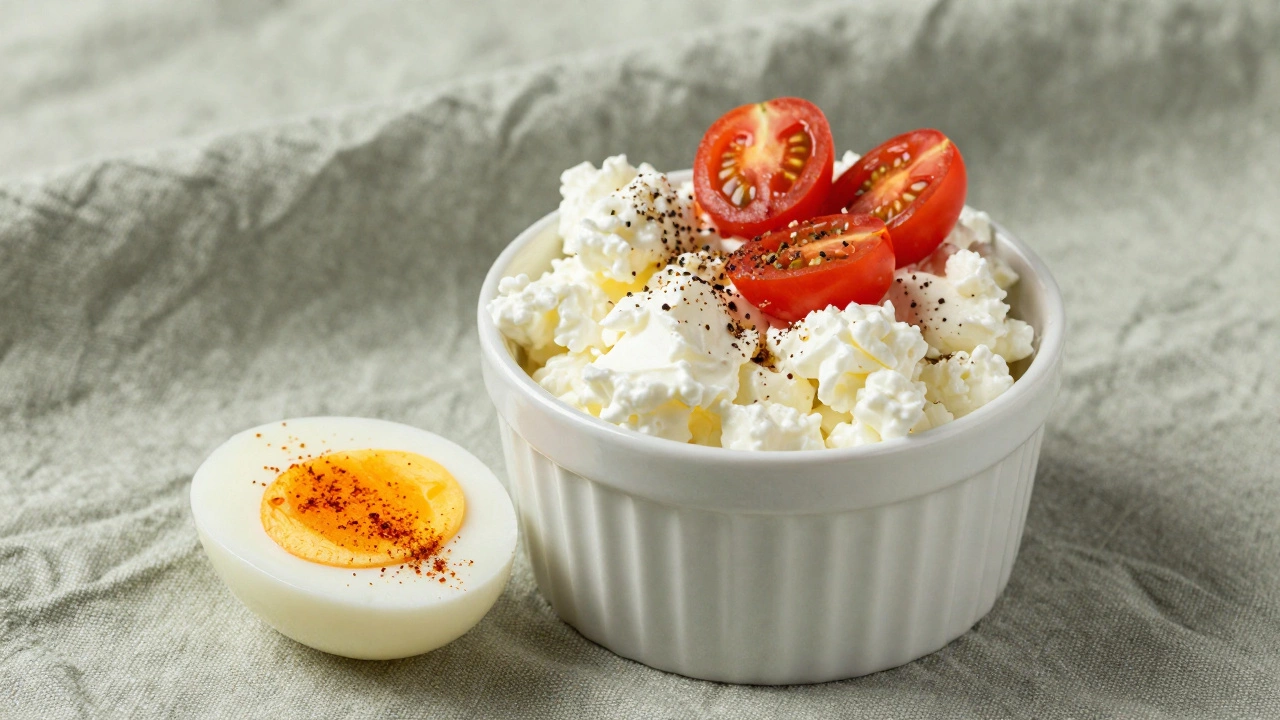
A one-cup serving of low-fat cottage cheese offers approximately 25 grams of protein. To make it palatable, skip the traditional pineapple chunks and try topping it with everything bagel seasoning, cherry tomatoes, and black pepper for a savory twist. Or, blend it into a smoothie; you won’t taste the curds, but you’ll get the protein boost along with a creamier texture than milk alone provides.
Nuts and Seeds: Small but Mighty
When you don’t have access to a fridge, nuts and seeds are your best friends. While they are calorie-dense, their protein content per ounce is impressive. Pumpkin seeds (pepitas) are particularly notable, offering about 9 grams of protein per ounce. They also provide magnesium and zinc, which are crucial for immune function and energy production.
Peanuts, technically legumes, are another powerhouse. Two tablespoons of natural peanut butter contain roughly 7 grams of protein. The key is choosing natural varieties without added sugars or hydrogenated oils. Almonds and pistachios follow closely behind, offering 6 grams of protein per ounce each. These snacks are portable, require no preparation, and pair perfectly with fruit slices for a balanced macronutrient profile.
| Snack Item | Serving Size | Protein (grams) | Calories |
|---|---|---|---|
| Edamame (shelled) | 1 cup | 18g | 190 |
| Greek Yogurt (plain) | 6 oz | 17g | 100 |
| Cottage Cheese (low fat) | 1 cup | 25g | 180 |
| Pumpkin Seeds | 1 oz (approx. ¼ cup) | 9g | 150 |
| Roasted Chickpeas | ½ cup | 7g | 140 |
Roasted Chickpeas: The Crunchy Alternative to Chips
If you crave something salty and crunchy, roasted chickpeas are the superior alternative to potato chips. Chickpeas are legumes that offer a robust protein profile, with about 7 to 8 grams of protein per half-cup serving. When roasted with olive oil and spices like cumin, paprika, or curry powder, they become addictive.
The preparation is simple: rinse canned chickpeas, dry them thoroughly (this step is crucial for crispiness), toss with oil and seasonings, and bake at 400°F (200°C) for 20-30 minutes until crispy. They provide not just protein, but also dietary fiber, which aids digestion and helps stabilize blood sugar levels. This combination prevents the rapid hunger spikes associated with refined carbohydrate snacks.
Protein Bars and Shakes: Convenience vs. Quality
Sometimes you just need something quick. Protein bars and shakes fill this gap, but quality varies wildly. For vegetarians, look for bars derived from whey, casein, soy, pea, or rice protein. Avoid bars where sugar is the first ingredient. A high-quality bar should provide at least 15 grams of protein with less than 5 grams of added sugar.
Shakes offer even more flexibility. A scoop of vegetarian protein powder mixed with water or almond milk can deliver 20 to 25 grams of protein instantly. Pea protein isolate is a popular choice for vegans and vegetarians who avoid dairy, as it is hypoallergenic and easy to digest. However, whole foods should always be prioritized when possible, as they come packaged with vitamins, minerals, and phytonutrients that powders lack.
Hummus and Veggies: Fiber Meets Protein
Hummus is primarily made from chickpeas, tahini (sesame paste), lemon juice, and garlic. A three-tablespoon serving provides about 5 grams of protein. While this might seem modest compared to Greek yogurt, hummus brings significant fiber to the table. Pairing it with raw vegetables like carrots, celery, or bell peppers creates a volume-rich snack that requires chewing, which signals satiety to your brain.
To boost the protein content further, look for brands that add edamame or white beans to the mix. Some commercial varieties now offer up to 8 grams of protein per serving. This snack is ideal for lunch breaks or pre-meal grazing, as it prepares your digestive system for a larger meal without causing bloating.
Hard-Boiled Eggs: The Portable Powerhouse
For ovo-vegetarians, eggs remain one of the most bioavailable sources of protein available. Each large egg contains approximately 6 grams of high-quality protein, including all essential amino acids. The yolk contains vital nutrients like choline, vitamin D, and B12, so eating the whole egg is recommended unless you are strictly monitoring cholesterol intake.
Hard-boiled eggs are incredibly convenient. You can prepare a batch at the beginning of the week and store them in the refrigerator. Sprinkle with everything bagel seasoning or smoked paprika for flavor. They are lightweight, require no refrigeration for short periods (if kept in their shell), and provide sustained energy due to the presence of healthy fats alongside the protein.
Can I build muscle on a vegetarian diet?
Absolutely. Building muscle requires sufficient protein intake and resistance training. Vegetarians can meet these needs by combining complementary plant proteins (like rice and beans) or utilizing complete plant proteins like soy, quinoa, and buckwheat, along with dairy or eggs if consumed.
What is the best time to eat high-protein snacks?
The best time depends on your goals. Post-workout, within 30-60 minutes, is ideal for muscle repair. Before bed, slow-digesting proteins like cottage cheese can prevent muscle breakdown during sleep. Between meals, protein snacks help curb cravings and maintain stable energy levels.
Are protein bars healthy for vegetarians?
They can be, but caution is needed. Many bars are essentially candy bars with added protein. Look for options with minimal ingredients, low added sugar, and recognizable protein sources like whey, casein, soy, or pea protein. Whole food snacks are generally preferred for long-term health.
How much protein do I need daily as a vegetarian?
General guidelines suggest 0.8 grams of protein per kilogram of body weight for sedentary adults. Active individuals or those looking to build muscle may need 1.2 to 2.0 grams per kilogram. Vegetarians should ensure variety in their protein sources to obtain all essential amino acids.
Is tofu a good high-protein snack?
Yes, especially firm or extra-firm tofu. Half a cup of firm tofu provides about 10 grams of protein. It can be marinated and baked into crispy bites, making it a versatile snack option. Tofu is also a complete protein, containing all essential amino acids.