Find Your Perfect Vegetarian Cuisine
Select your preferred flavor profile to discover which global cuisines are best suited for your vegetarian palate.
Bold & Spicy
I love complex spices, heat, and aromatic blends.
Fresh & Herbal
I prefer simple ingredients, herbs, olive oil, and bright flavors.
Savory & Umami
I enjoy deep flavors, soy sauce, mushrooms, and rich broths.
Top Dishes to Order:
Key Proteins:
You sit down at a restaurant, flip through the menu, and feel that familiar pang of disappointment. The grilled salmon looks good, but it’s not an option. The steak frites? No thanks. You scan the pages for something green, something substantial, only to find a sad side salad or a cheese omelet that barely counts as a meal. If you are vegetarian, this is your reality more often than you’d like. But here is the truth: some cuisines were practically invented with vegetables in mind.
Not all cultures treat meat as the centerpiece of every dish. In fact, several major global culinary traditions offer deep, flavorful, and protein-rich options that don’t just accommodate vegetarians-they celebrate them. Whether you are traveling abroad, trying a new recipe at home, or just tired of eating plain pasta, knowing which cuisines are naturally vegetarian-friendly can transform your dining experience. Let’s look at the top contenders and why they work so well for plant-based eaters.
The Undisputed Champion: Indian Cuisine
If there is a gold standard for vegetarian food, it is Indian cuisine. This diverse culinary tradition from South Asia that relies heavily on spices, legumes, and dairy.
India has the highest number of vegetarians in the world. For hundreds of millions of people, avoiding meat is a religious, ethical, or health choice woven into daily life. This means restaurants and households have perfected the art of making vegetables taste incredible. You aren’t getting an afterthought; you are getting a main event.
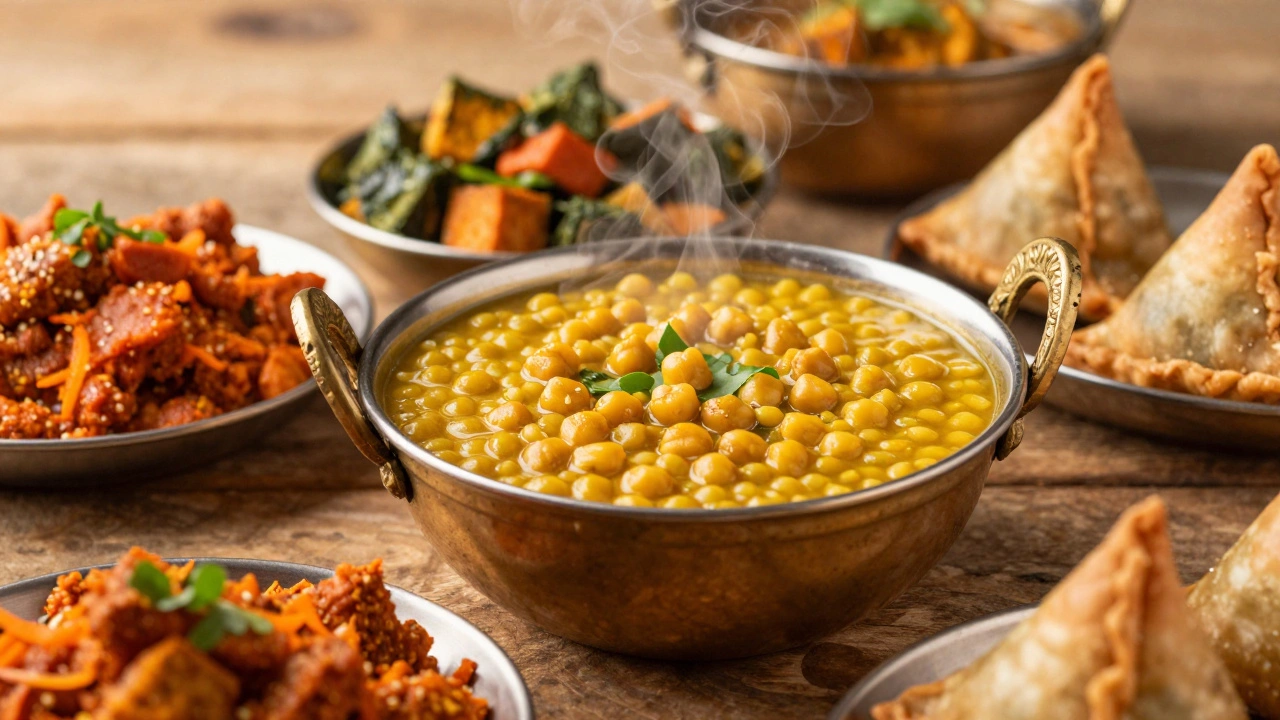
Think about the staples. Dal (lentil soup) is a complete protein source when paired with rice. Chana masala (chickpeas in tomato sauce) is hearty and satisfying. Paneer dishes, like palak paneer (spinach with cottage cheese), provide creaminess without heavy creams. Even street food, such as samosas and pakoras, offers fried, spiced vegetable bites that are addictive.
The secret lies in the spice blends. Garam masala, turmeric, cumin, and coriander create layers of flavor that mask the absence of meat entirely. When you order at an Indian restaurant, you rarely have to ask for substitutions. The menu is already loaded with options that are rich in texture and taste.
- Best for: Those who love bold spices and complex flavors.
- Key dishes: Dal makhani, chana masala, aloo gobi (potato and cauliflower), biryani (vegetable version).
- Watch out for: Some curries use ghee (clarified butter). Ask for oil if you are vegan.
The Mediterranean Way: Fresh, Simple, and Healthy
Next up is the Mediterranean diet, a dietary pattern common in countries bordering the Mediterranean Sea, emphasizing fruits, vegetables, whole grains, and olive oil.
This region includes Greece, Italy, Spain, Lebanon, and Morocco. The food here is built around what grows easily in the sun-drenched climate. Olive oil replaces butter as the primary fat. Garlic, lemon, herbs like oregano and basil, and fresh produce are the stars.
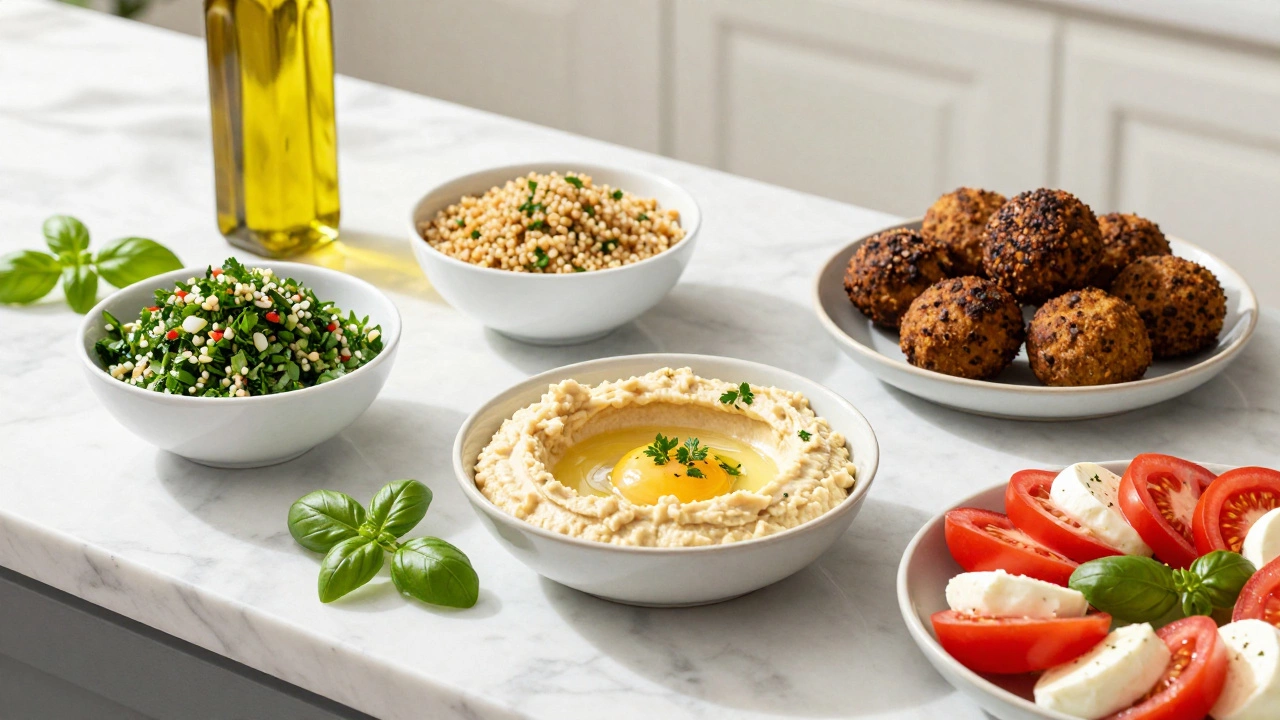
In Greece, you have moussaka (eggplant layered with potato and béchamel) and dolmades (stuffed grape leaves). In Lebanon, hummus, falafel, and tabbouleh are everyday foods, not niche health trends. Italian cuisine also shines here, though you need to be careful with hidden meats in sauces. Stick to classics like caprese salad, eggplant parmesan, and risotto Milanese (if you skip the bone marrow broth, which some traditional versions use).
The beauty of Mediterranean food is its simplicity. It doesn’t try to trick you into thinking beans are beef. It lets the ingredients speak for themselves. It is also one of the healthiest ways to eat, linked to lower heart disease risk and better longevity.
| Cuisine | Primary Protein Sources | Flavor Profile | Vegetarian Ease |
|---|---|---|---|
| Indian | Lentils, chickpeas, paneer | Spicy, aromatic, complex | Very High |
| Mediterranean | Legumes, tofu, eggs, cheese | Fresh, herbal, bright | High |
| Mexican | Beans, corn, avocado | Smoky, acidic, vibrant | Medium-High |
| Chinese | Tofu, mushrooms, noodles | Savory, umami, sweet | Medium |
Mexican Food: More Than Just Tacos
Many people assume Mexican food is all about carne asada and chorizo. That is a mistake. Traditional Mexican cuisine is deeply rooted in corn, beans, squash, and chili peppers, dating back to ancient Mesoamerican civilizations.
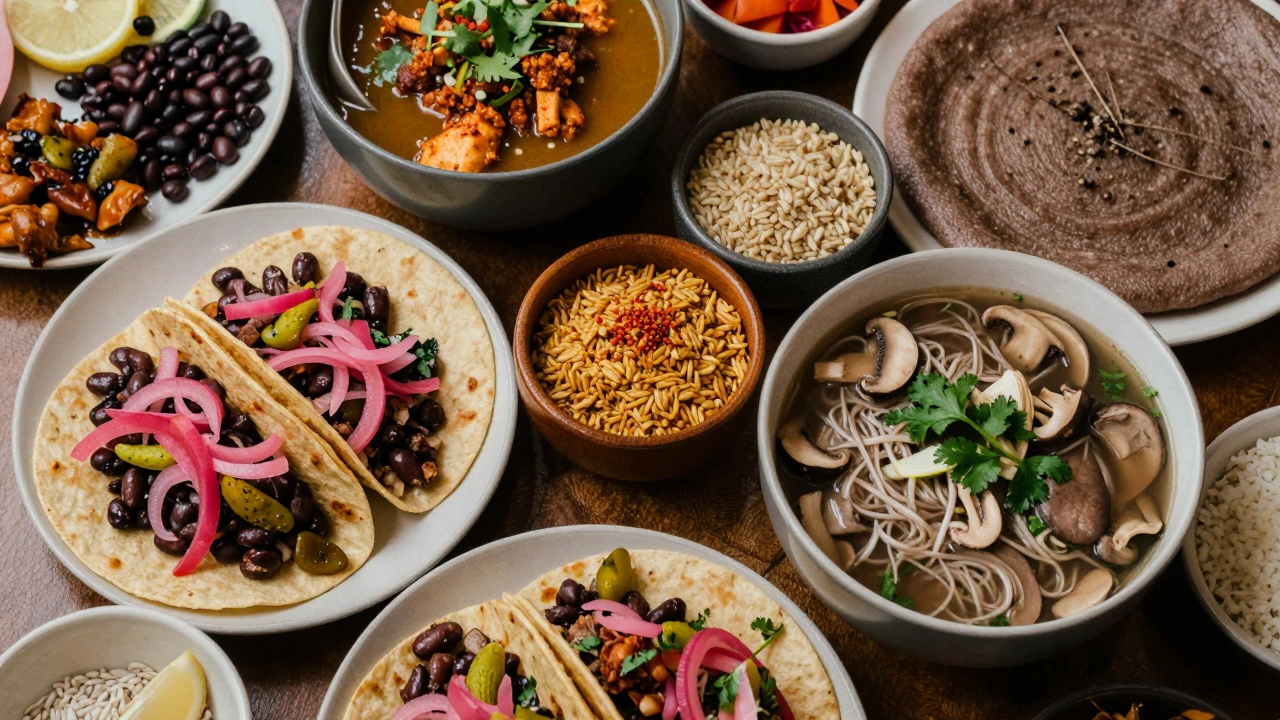
Before cattle arrived, Indigenous peoples thrived on nixtamalized corn (tortillas and tamales) and various beans. Today, you can build a massive, satisfying meal without touching a piece of meat. Think black bean tacos with pickled onions, guacamole, and salsa verde. Or enchiladas filled with roasted poblano peppers and queso fresco.
The key is customization. Most Mexican restaurants allow you to swap meat for extra beans, rice, or grilled vegetables. Burritos are essentially blank canvases. Load them up with pinto beans, rice, lettuce, pico de gallo, sour cream, and cheese. It is filling, cheap, and delicious.
One pitfall to avoid is "Americanized" Mexican food, where meat drippings might be used to fry tortillas or cook rice. At authentic spots, however, vegetable oils are standard. Always check if the refried beans are made with lard (pork fat); many places now offer vegetarian versions or use soy lard.
East Asian Flavors: Chinese, Thai, and Vietnamese
Asian cuisines vary wildly, but three stand out for vegetarians: Chinese, Thai, and Vietnamese. These regions make extensive use of tofu, tempeh, mushrooms, and rice noodles.
Chinese cuisine has a long history of Buddhist vegetarianism, leading to sophisticated mock-meat dishes made from wheat gluten and soy. In modern times, stir-fries are easy to customize. Order mapo tofu (ask for no pork), kung pao cauliflower, or vegetable lo mein. Be wary of oyster sauce and fish sauce, which are common in many savory dishes. Specify "no seafood sauce" when ordering.
Thai food is another winner. Curries like green curry or massaman curry are often made with coconut milk and can be ordered with tofu or chicken omitted. Pad Thai can be made with just shrimp paste removed (or substituted) and topped with peanuts and bean sprouts. Tom yum soup is usually chicken-based, but ask for a vegetable version with mushrooms.
Vietnamese cuisine is perhaps the easiest for vegans. Pho broth is traditionally beef or chicken, but mushroom pho is widely available and surprisingly rich. Banh mi sandwiches can be filled with marinated tofu or seitan instead of pork. Fresh spring rolls (gỏi cuốn) are packed with herbs, rice paper, and veggies, served with a peanut dipping sauce.
African and Middle Eastern Gems
We often overlook Africa and the Middle East, but these regions offer robust vegetarian options. In Ethiopia, injera (a spongy flatbread) is served with wat (stews). Dishes like misir wat (red lentil stew) and gomen (collard greens) are naturally vegan and incredibly flavorful due to berbere spice blend.
In the Middle East, falafel is the king. Made from ground chickpeas, herbs, and spices, it is deep-fried until crispy. Serve it with tahini sauce, hummus, and tabbouleh. Shawarma shops often have falafel shawarma wraps that are just as satisfying as the meat versions.
How to Navigate Non-Vegetarian-Friendly Cuisines
What if you crave Japanese sushi, American BBQ, or German sausages? It is possible, but it requires strategy.
In Japanese cuisine, avoid dashi (fish stock) which is in most soups and sauces. Look for edamame, seaweed salads, vegetable tempura, and inari sushi (fried tofu pockets). Ramen broths are usually pork or chicken, but tonkotsu-free vegetable ramen exists in many cities.
In Italian cuisine, stick to simple pasta dishes. Aglio e olio (garlic and oil), pesto (check for Parmesan, which contains animal rennet), and marinara are safe bets. Avoid carbonara (bacon) and amatriciana (guanciale).
The general rule is to focus on cuisines where plants are the primary ingredient, not the garnish. When in doubt, ask questions. Chefs appreciate clarity.
Tips for Cooking Vegetarian Meals at Home
You don’t have to rely on restaurants. Cooking these cuisines at home gives you control over ingredients and nutrition.
- Invest in spices. A jar of cumin, smoked paprika, and nutritional yeast can transform basic vegetables.
- Learn about proteins. Rotate between lentils, chickpeas, black beans, tofu, tempeh, and quinoa to ensure you get all essential amino acids.
- Embrace fats. Avocado, olive oil, nuts, and seeds add creaminess and satiety that mimics the mouthfeel of meat.
- Use umami boosters. Mushrooms, soy sauce, miso paste, and tomato paste add depth to vegetarian dishes, preventing them from tasting bland.
Start with one new cuisine each month. Try making Indian dal on Tuesday, Mexican burrito bowls on Thursday, and Mediterranean grain bowls on Saturday. Variety keeps things interesting and ensures you get a wide range of nutrients.
Is Indian food always vegetarian?
No, Indian food includes many meat dishes like tandoori chicken and lamb rogan josh. However, because India has a large vegetarian population, almost every Indian restaurant will have a dedicated section of vegetarian curries, snacks, and breads. It is one of the safest cuisines for vegetarians to navigate.
Can I eat Chinese food as a vegetarian?
Yes, but you need to be specific. Many Chinese dishes use oyster sauce, fish sauce, or chicken broth. When ordering, explicitly state you are vegetarian and ask for dishes to be cooked without these ingredients. Tofu, mushroom, and vegetable stir-fries are excellent choices.
What is the healthiest vegetarian cuisine?
The Mediterranean diet is widely considered the healthiest due to its high intake of fruits, vegetables, whole grains, legumes, and healthy fats like olive oil. It is linked to reduced risks of heart disease, diabetes, and cognitive decline. Indian cuisine is also very healthy if you watch portion sizes of ghee and cream.
Are Mexican beans vegetarian?
Not always. Traditional refried beans are often cooked with lard (pork fat). When dining out, ask if the beans are prepared with oil or lard. Black beans and pinto beans are frequently offered as vegetarian alternatives in modern Mexican restaurants.
How do I get enough protein on a vegetarian diet?
Focus on combining different plant proteins throughout the day. Good sources include lentils, chickpeas, black beans, tofu, tempeh, quinoa, Greek yogurt, eggs, and nuts. You do not need to combine them in every single meal, but variety ensures you get all essential amino acids.